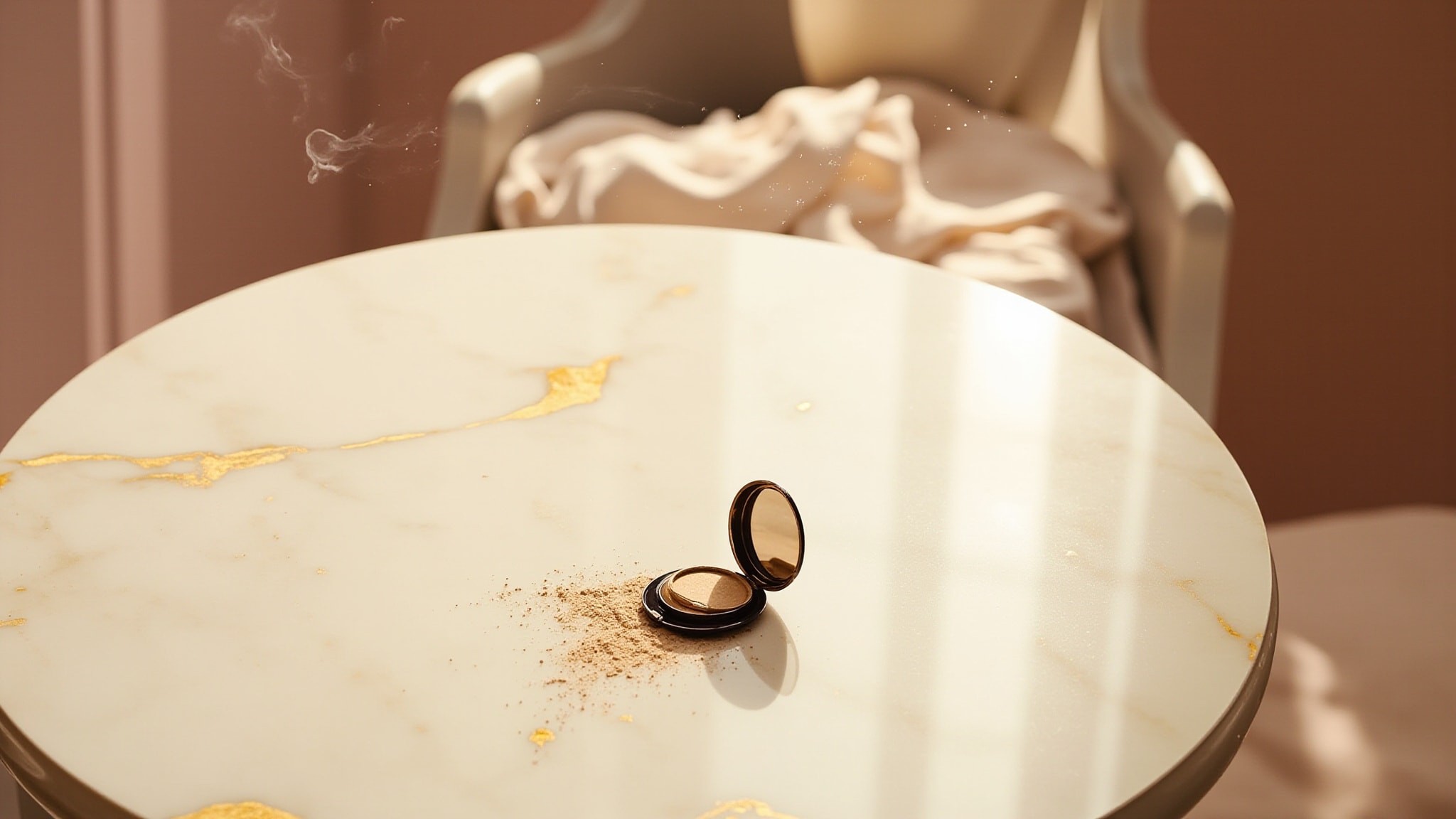
The Story
Why it exists.
The beginning
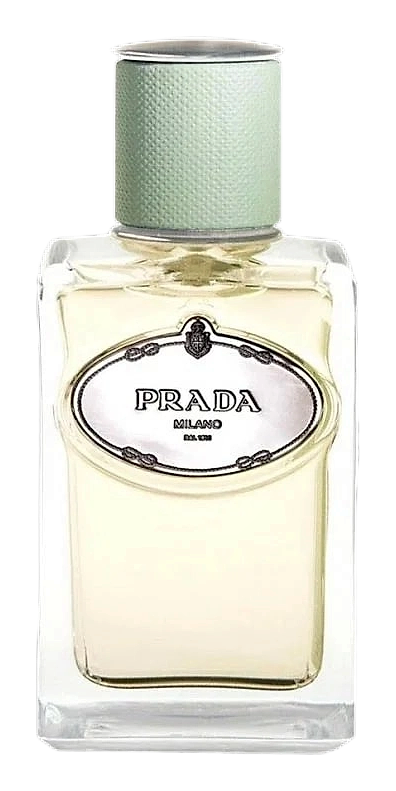
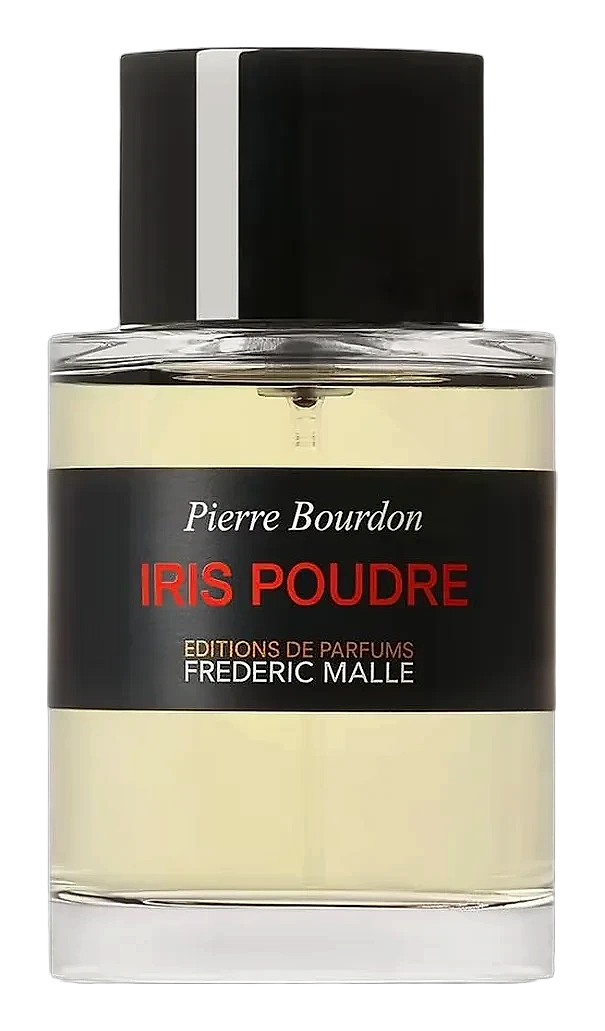
Pierre Bourdon built Iris Poudre as a conversation with the great aldehydic florals of the 20th century. Not a remake. Not an homage. A response. Here, iris is the subject, not the seasoning. He placed iris at the center of the composition, letting its powdery, violet-like character anchor every other element. The aldehydes don't serve as a nostalgic callback; they lift the composition, carrying the iris up and out so it reads clearly on skin. The result is a fragrance that feels both classical and distinctly its own, a modern take on an old-fashioned idea that doesn't retreat into pastiche. The warmth comes from the iris itself, not from heavy oriental base notes. It's floral restraint at its most confident.
Most compositions use iris for a whisper, a texture note, a bridging element. Bourdon reversed that. He built outward from iris, using aldehydes not as a historical callback but as a vehicle, a lift that carries the powder up and out. The result reads vintage on paper. In the air, it's something else entirely. Warm without heaviness. Floral without fragility. The powdery quality emerges slowly, revealing itself in waves as the top notes dissipate. There's a waxy brightness to the aldehydes that softens into something creamier as the fragrance develops.
The evolution
The opening is immediate and aldehydic, bright citrus and ylang-ylang, a quick burst of something almost waxy. Within minutes, the aldehydes settle. Violet and jasmine move forward, and the composition takes on a softer, more powdery character. The carnation adds a warm, slightly spiced element that could read as unexpected in a cooler composition. As the hours pass, the heart notes begin to merge with the base. Iris and musk, sandalwood and vanilla, become the dominant impression, powdery, creamy, close to the skin. The sillage softens over time, the projection becoming more intimate. The scent remains close to the skin, becoming something personal rather than announced, the kind of fragrance that reveals itself only to those near enough to notice.
Cultural impact
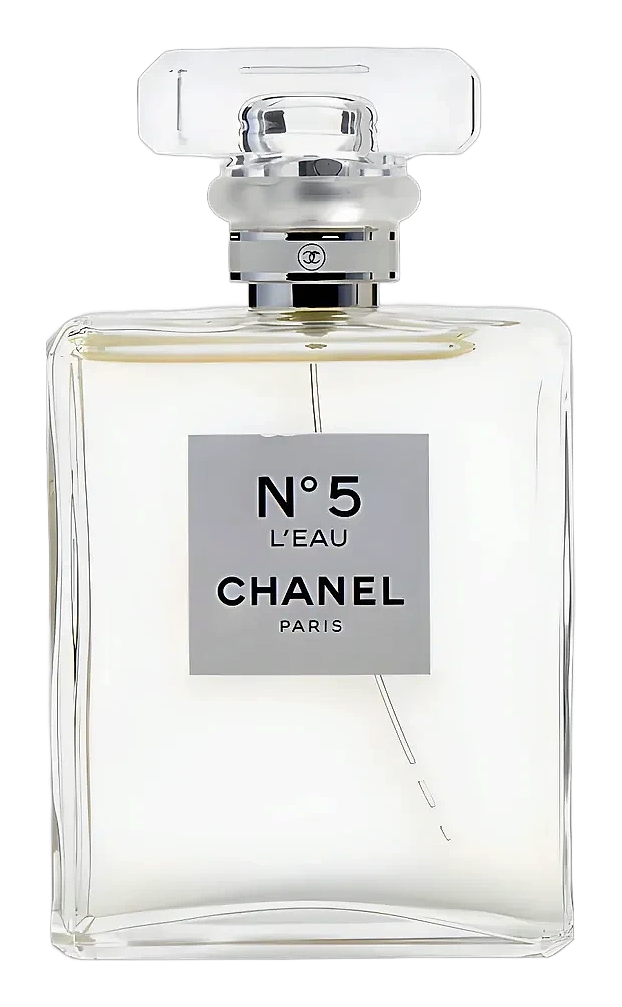
Iris Poudre is a classical aldehydic floral, a genre associated with icons like Chanel No. 5 and Arpège, but it approaches that tradition differently. Where vintage aldehydic florals announced themselves, Iris Poudre withdraws. It avoids the broad declaration of its predecessors, instead offering something quieter, more considered. The fragrance appeals to those who understand what aldehydes do when they lift a composition, who appreciate iris as a central subject rather than a supporting note. Its fans include people who have worn fragrance seriously for years, who recognize the craft involved in building something restrained.