The Story
Why it exists.
The beginning
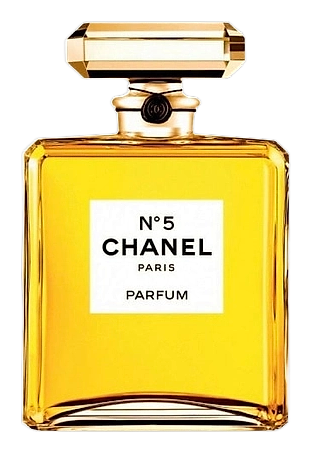
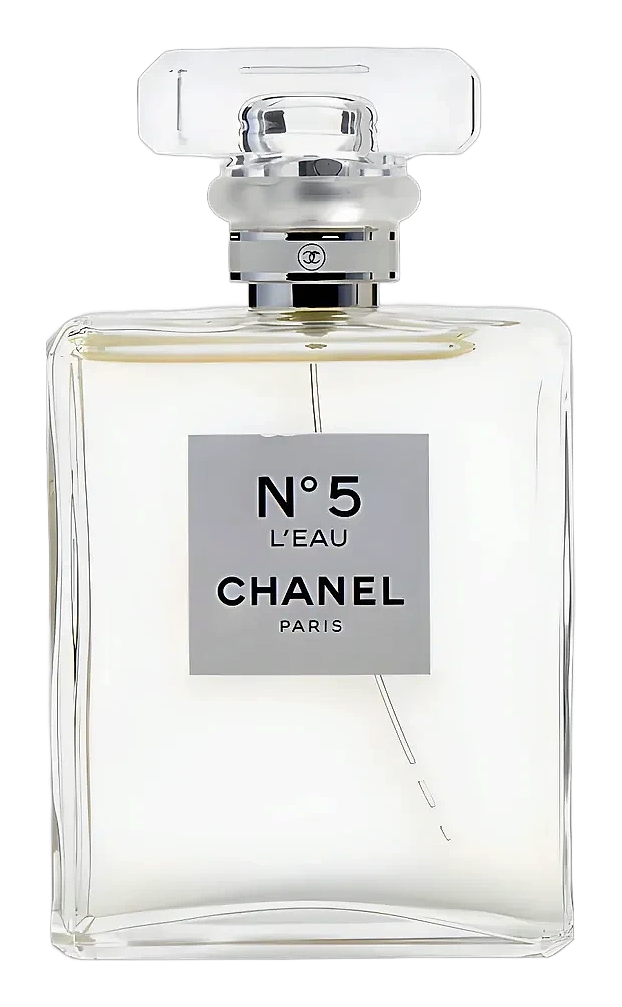
In 1986, Jacques Polge was tasked with one of the most delicate assignments in perfumery: reimagining Chanel No 5 for a new generation. The original 1921 creation by Ernest Beaux had already achieved legendary status through its revolutionary use of aldehydes and abstract floral structure. Polge did not rebuild the fragrance from scratch, he refined and deepened it, allowing the aldehydic soul to remain while introducing richer materials that gave the Eau de Parfum its own distinct gravity.
Polge built the structure around a balance between abstraction and warmth. The aldehydic opening is intentional, a nod to the original that signals identity, while ylang-ylang and neroli ground that brightness in genuine floral warmth. The iris in the heart provides the powdery backbone that makes the heart feel cohesive rather than scattered, and the drydown with sandalwood and oakmoss ties everything back to the original's chypre heritage, ensuring the fragrance reads as a modern evolution rather than a departure.
The evolution
The fragrance moves from aldehydic brilliance into a heart of iris and jasmine that feels both intimate and commanding. Ylang-ylang and neroli bridge the opening and heart seamlessly, adding creamy, orange-blossom warmth before rose and lily of the valley soften the transition. The drydown brings the weight and presence the name demands: sandalwood, oakmoss, and vetiver create an earthy, woody foundation while vanilla and patchouli add warmth and slight sweetness for a finish that is composed and lingering.
Cultural impact
As an EDP interpretation of the world's most iconic fragrance, this 1986 release represents a distinct reading of Chanel's landmark creation. The Jacques Polge formulation brought aldehydic florals into a softer register, one that feels approachable yet unmistakably connected to the original's spirit. It holds a particular place in the constellation of No 5 variations, offering an alternative that many find compelling for its balance of heritage and accessibility. The aldehydic character remains, but tempered; the floral heart rich but not overwhelming.