The Story
Why it exists.
The beginning
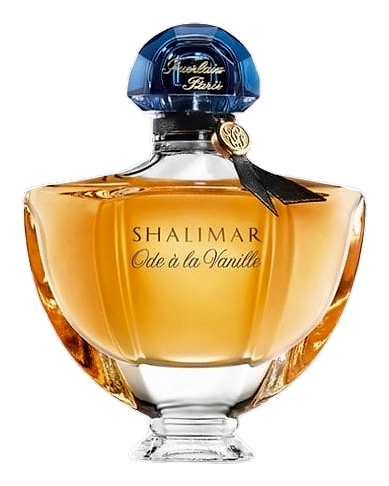
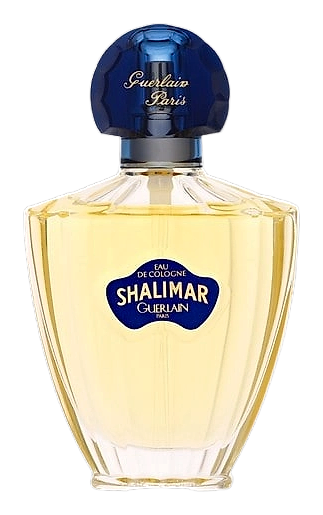
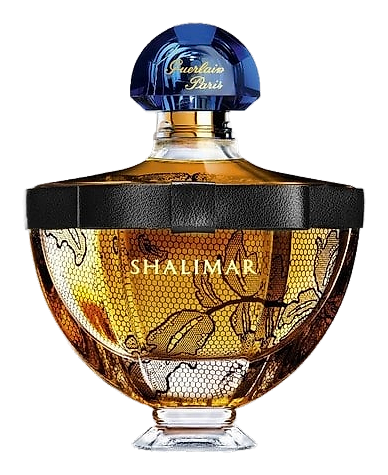
Guerlain, the Parisian house founded in 1828, has spent nearly two centuries refining the art of perfumery. Shalimar, launched in 1925, draws its name from the Mughal Shalimar Gardens in Lahore, a site of legendary romance under Emperor Shah Jahan and Mumtaz Mahal. Jacques Guerlain captured that narrative of enduring love in scent, building a fragrance that would become a cornerstone of the Guerlain legacy.
The floral heart of iris, jasmine, and rose sits at the center of Shalimar's philosophy. These ingredients carry both tradition and sensuality, their interplay creating the romantic warmth that defines the fragrance. The vanilla, balsamic, and tonka bean base grounds this heart, giving it a lasting warmth that feels both comforting and seductive. Together, these notes create a fragrance meant for moments of connection and quiet intimacy.
The evolution
Shalimar's arc moves from bergamot brightness through a complex floral heart into a warm, balsamic drydown. The opening burst of citrus and florals creates immediate intrigue, then the iris, jasmine, and rose heart deepens the narrative, adding texture and emotional weight. As the hours pass, vanilla, balsamic notes, and tonka bean settle into the skin, transforming the fragrance into something intimate and lasting. The evolution mirrors the story of love itself: bright beginnings, passionate depth, and quiet, enduring tenderness.
Cultural impact
Shalimar sits among the most iconic oriental fragrances ever created. Its combination of powdery iris, warm vanilla, and smoky incense creates a template of balance and depth that other creations aspire to achieve. The fragrance has been in production for nearly a century, a rare feat in perfumery. It's worn by those who appreciate heritage and nuance, not just projection. While not as loud as some orientals, its presence means it leaves a lasting impression on anyone who gets close enough to notice.