The Story
Why it exists.
The beginning
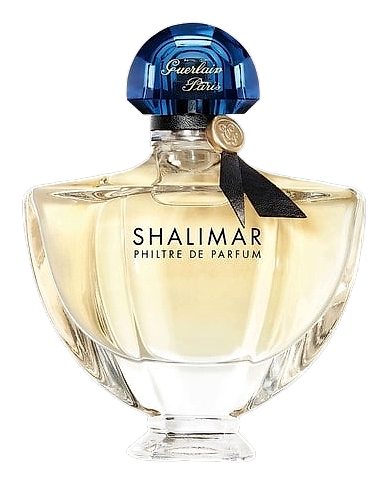
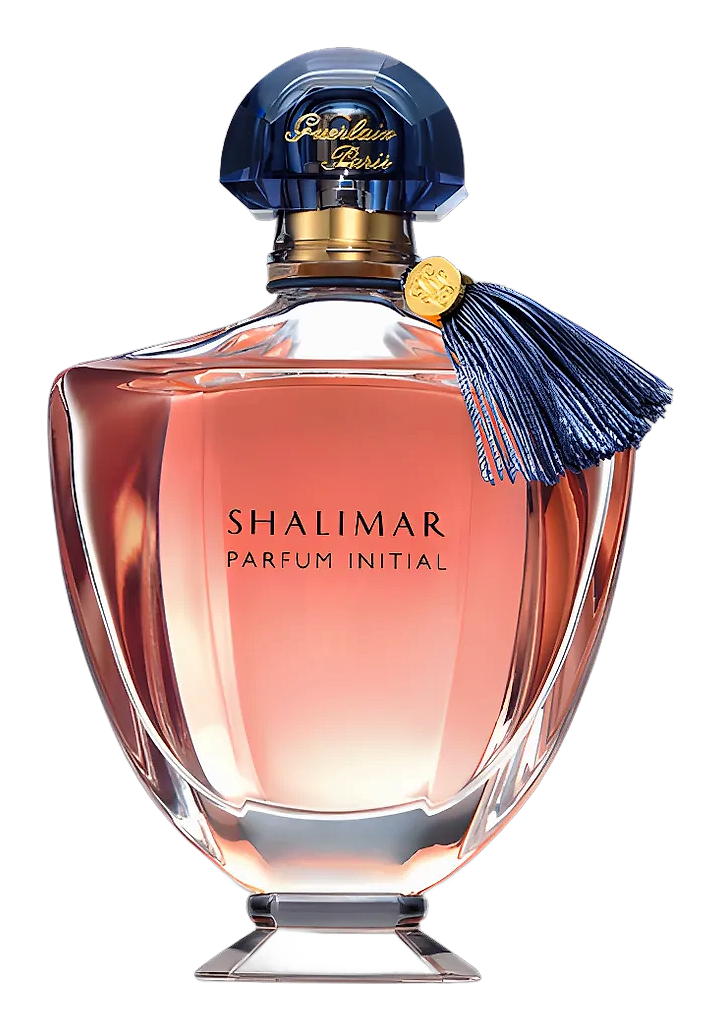
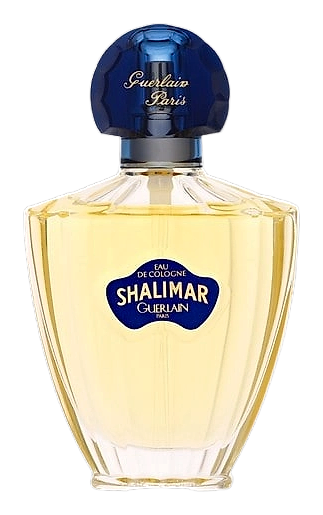
In 1925, Jacques Guerlain created Shalimar, a fragrance that took its name from the Persian word for a cultivated garden sanctuary, a reference to enclosed beauty and verdant refuge. The fragrance was Guerlain's attempt to bottle a particular kind of timeless devotion, a scent that would linger on skin the way the most enduring cultural monuments lingered in the collective imagination. What began as a personal creative vision became something even more significant, a fragrance that would help define oriental perfumery for the century that followed.
The structure of Shalimar is what makes it remarkable. Jacques Guerlain composed the fragrance with careful attention to how each layer would age on skin, designing it to evolve rather than simply declare itself and retreat. The cedar in the opening gives it structure. The iris in the heart gives it powder. The civet in the base gives it staying power. The result is a fragrance that reads as both intimate and regal, the kind of scent that fills a room without ever seeming loud.
The evolution
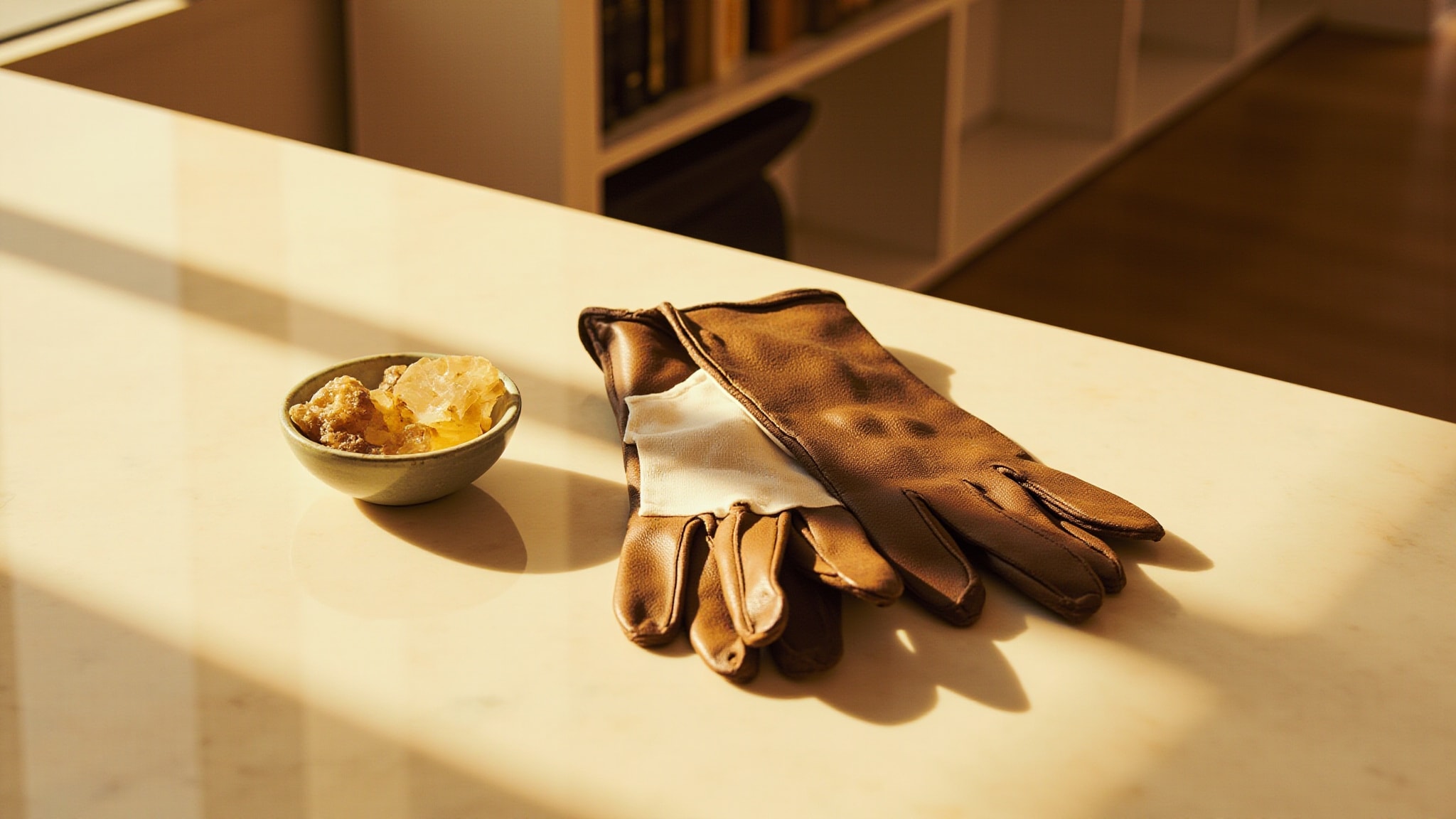
The opening hits bright and clean, bergamot, lemon, mandarin orange all arriving together like light breaking over marble. The citrus recedes as the powder arrives: iris first, then jasmine, then the soft support of rose underneath. The transition is graceful rather than dramatic, you're not aware of a change so much as a settling. As the fragrance develops the vanilla begins to assert itself, pulling the florals into a warmer register. The leather and incense come in quietly, adding weight without darkening the composition. This is where Shalimar earns its reputation: the vanilla remains prominent, still carrying traces of the florals beneath it like a memory refusing to fade. On fabric the drydown is soft and warm, the kind of thing you find on a collar and wear again without washing it out.
Cultural impact
Shalimar combined citrus brightness, powdery florals, and warm vanilla-balsamic base in a way that felt both intimate and regal, warm without being heavy, modern without being fashionable. The fragrance's balance of brightness and depth became a reference point for how oriental compositions could be structured. The name itself entered the cultural lexicon, and the fragrance has been continuously produced since 1925, one of the longest uninterrupted runs in modern perfumery.