Jacques Guerlain
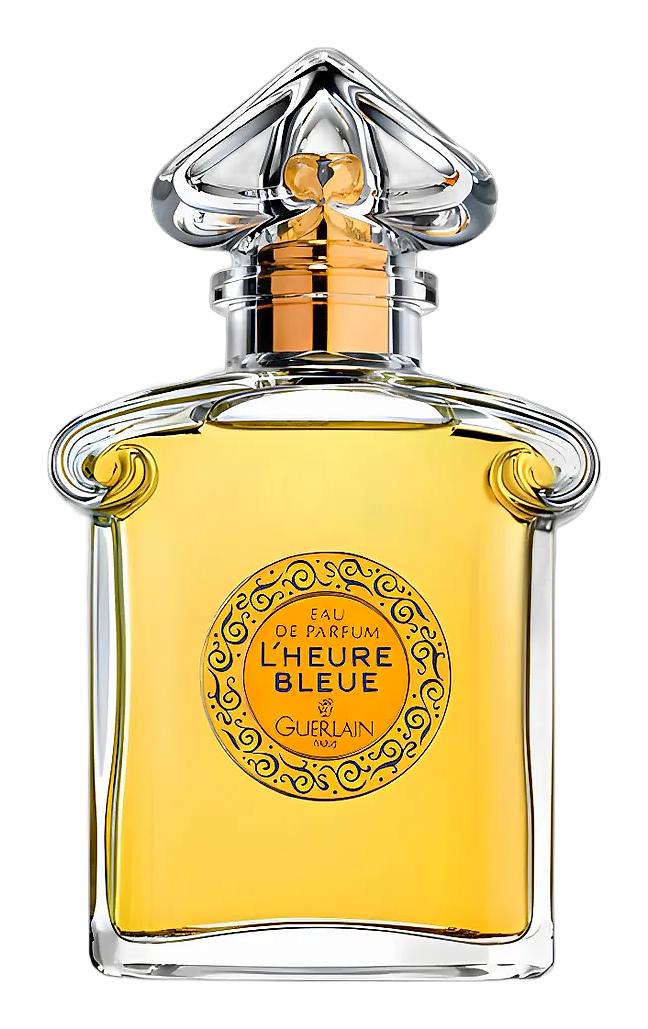
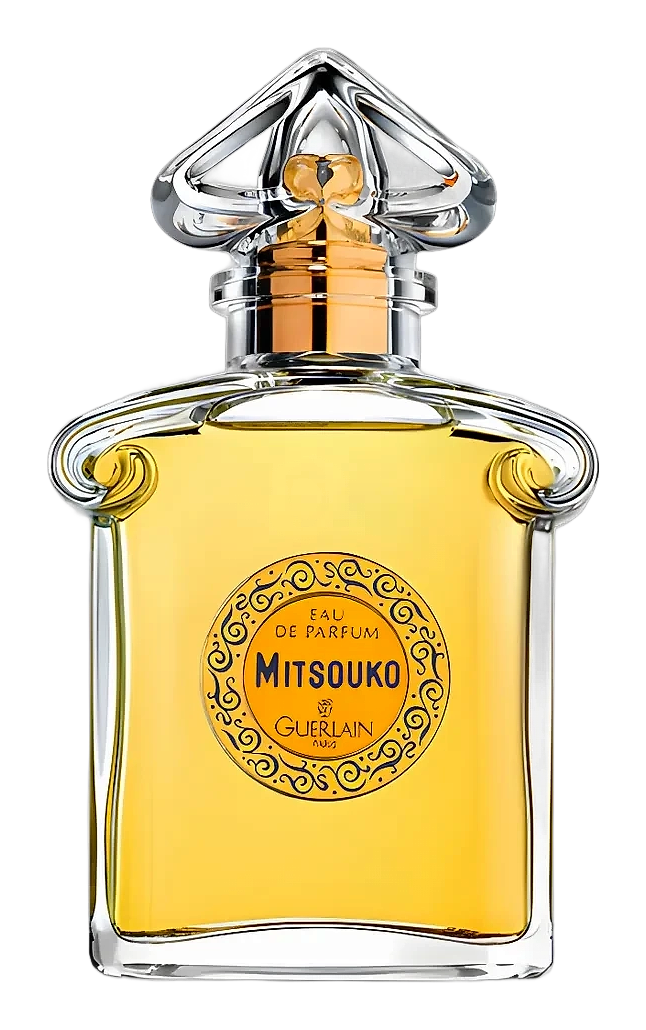
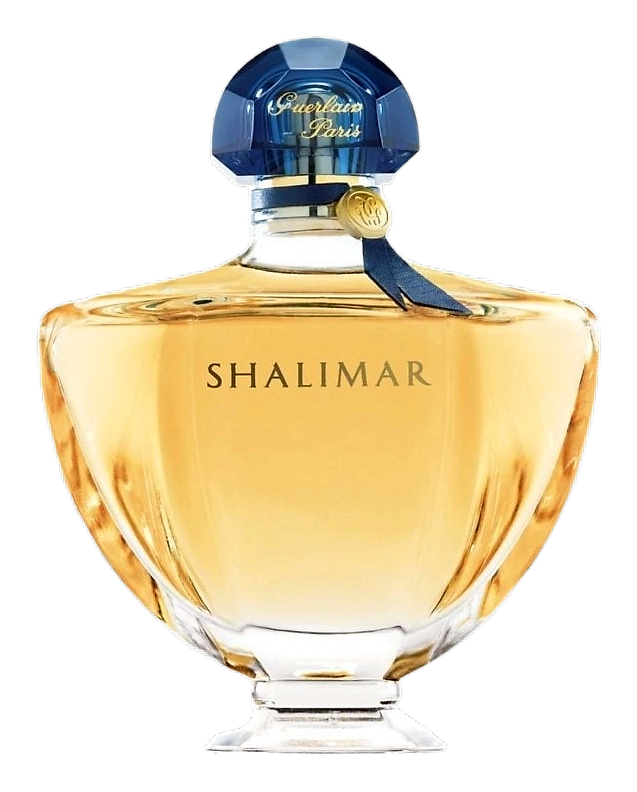
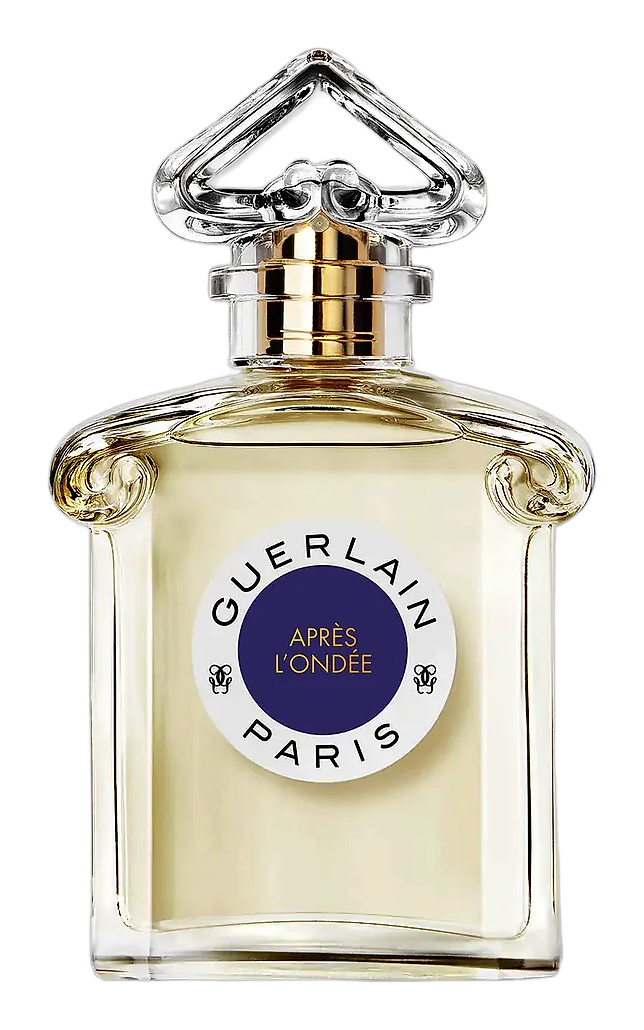
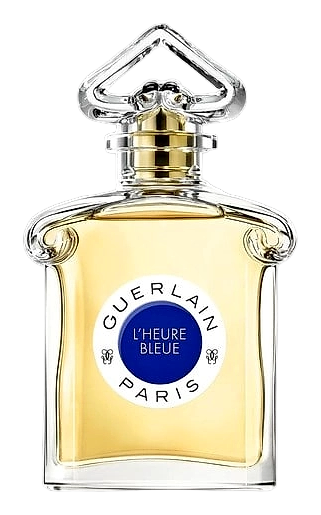
Jacques Guerlain became the third and most celebrated name in a dynasty that forever changed perfumery. Born in 1874 in Colombes, he entered the family trade at sixteen when his childless uncle Aimé, already renowned for Jicky, took him as apprentice. His first composition, Ambre, arrived in 1890, revealing an unusually scientific mind. He interned in Charles Friedel's organic chemistry laboratory at the University of Paris before officially joining the house in 1894. Jacques measured liquids by volume, weighing only solids, and kept his private laboratory locked to all but an assistant who carried heavy materials. The breakthrough came in 1925 with Shalimar, the first amber perfume and the house's flagship still beloved today. His catalog spans Mouchoir de Monsieur, Après L'Ondée, L'Heure Bleue, Mitsouko, Vol de Nuit, and dozens more still in production. He collaborated with his grandson Jean-Paul on Chant d'Arômes in 1962, one of his final works before declining health. A member of the Banque de France's audit committee for two decades, he was self-critical, taciturn, and wedded to craft over commerce.
The hits
Notable creations



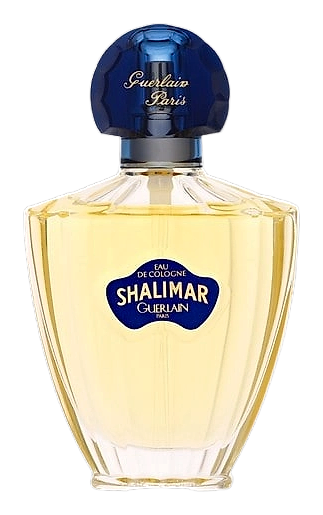
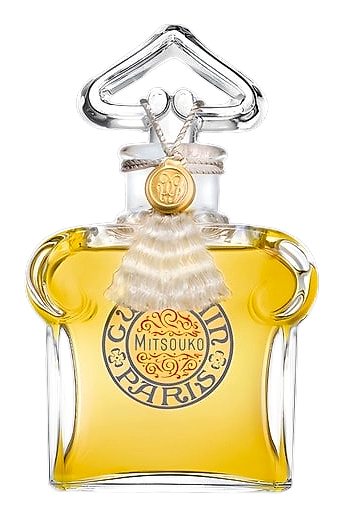
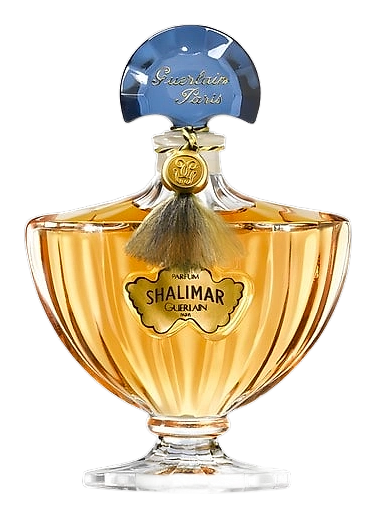
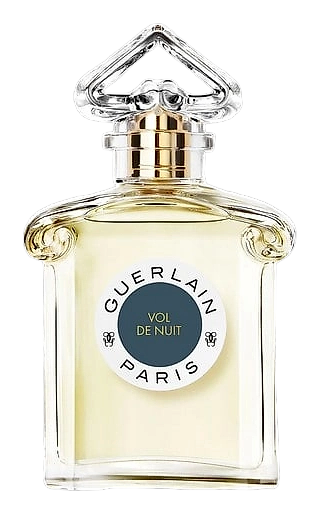
The signature
How Jacques composes
Jacques was among the first perfumers to work seriously with synthetic ingredients alongside naturals, publishing on essential oils with chemist Justin Dupont and experimenting with perfuming ink. His technical approach was precise: volume measurements for liquids, careful weighing of solids. His signature techniques included developing the Guerlinade accord that still defines the house, pioneering the amber structure with Shalimar, and refining aldehydic florals like Liu. He understood that innovation requires patience, developing multiple fragrances concurrently over years rather than chasing trends. His compositions range from the ethereal shimmer of Après L'Ondée to the commanding presence of Shalimar, always grounded in classical French elegance but reaching toward something contemporary. The Guerlain style, under his hand, became synonymous with depth, complexity, and emotional resonance.
Philosophy
What drives Jacques
Jacques spoke little about his creative process, and interviews were not his preference. When pressed, he offered this: you always create perfumes for the woman you live with and love. For him, perfumery was not an abstract exercise but something rooted in lived experience and emotion. He believed in working slowly and intermittently, perfecting several fragrances simultaneously over extended periods. His refusal to compromise, his perfectionism, and his preference for solitude over self-promotion defined him. He embraced synthetic ingredients when they served his vision, never sacrificing quality for convenience. His legacy lies not in words but in eighty perfumes still worn today, each a small essay on what it means to pay attention to the world around you.
The houses
Maisons Jacques composes for
In the same league