
The Story
Why it exists.
The beginning
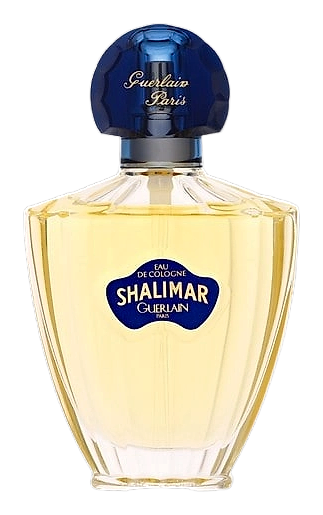
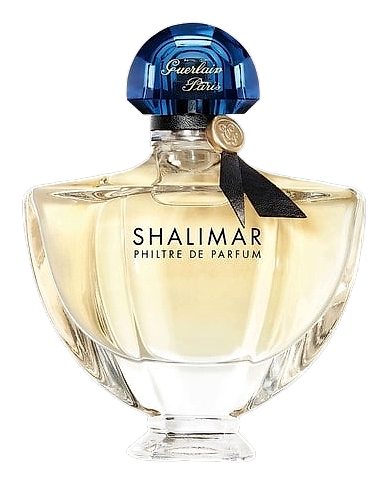
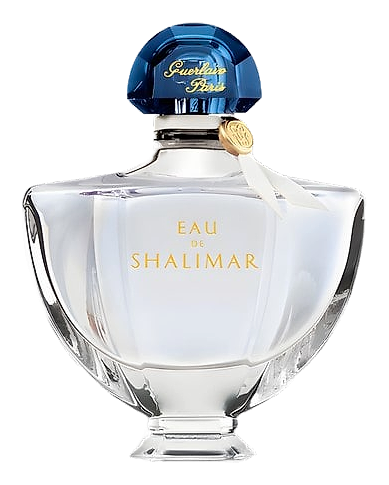
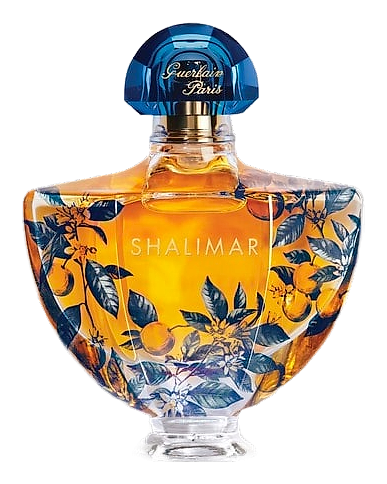
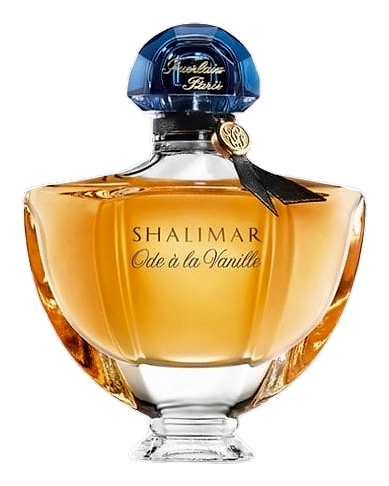
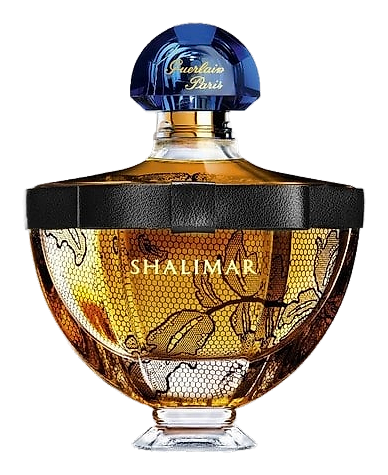
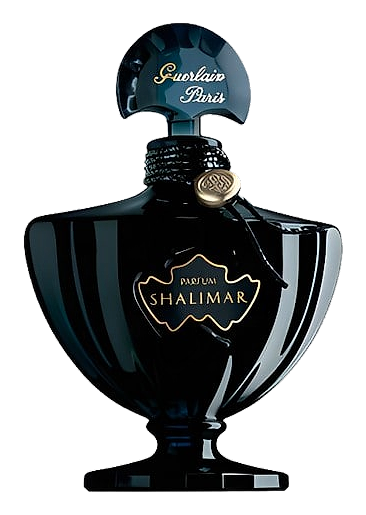
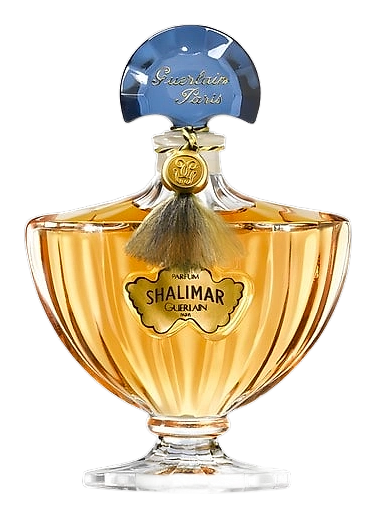
Shalimar takes its name from the Persian word for "abode of love", the Mughal gardens where Emperor Shah Jahan built the Taj Mahal as a monument to his wife. In 1925, Jacques Guerlain captured that same spirit of enduring tenderness in a fragrance. The citrus-floral structure, bergamot opening into rose, jasmine, and a buttery iris heart, recalls the garden's cool air at dawn. The vanilla-tonka base is its warmth at dusk: a love letter in liquid form, still being read a century later.
What distinguishes Shalimar from countless oriental florals is its texture. The iris doesn't simply appear, it arrives through aldehydic warmth, a soft buttery quality that makes the florals feel richer, more lived-in. Combined with vanilla and ethylvanillin, this creates a base that behaves less like a drydown and more like a skin memory. The fragrance doesn't fade so much as settle into what you were doing. This is what a Guerlain composition does: each note earns its place, and the whole holds together long after the individual elements stop announcing themselves.
The evolution
The bergamot opens clean, bright citrus that announces itself without apology. In the cologne concentration, this phase is slightly abbreviated, perhaps an hour before the heart takes over. Then: jasmine and rose, heavy with the Guerlain signature. The iris grows buttery and insistent, rounding every edge. As the florals begin to quiet, the vanilla and tonka bean arrive, sweet but not juvenile, warm in the way afternoon light is warm. The drydown is the whole point: powdery iris and vanilla that linger close to the skin for hours, quiet enough to be yours alone.
Cultural impact
Shalimar means 'abode of love' in Persian, taking its name from the legendary gardens of Mughal India. One of the most iconic oriental florals ever created, it remains the reference against which others are measured, not through force, but through an ineffable quality that keeps wearers returning to it for decades.