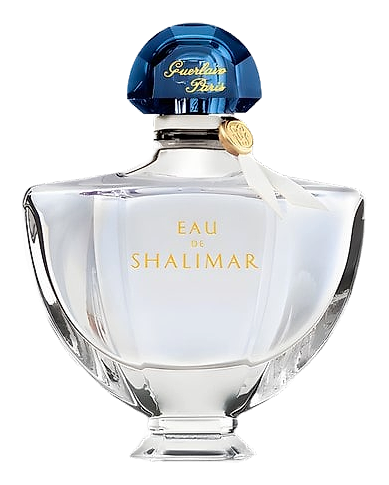

The Story
Why it exists.
The beginning
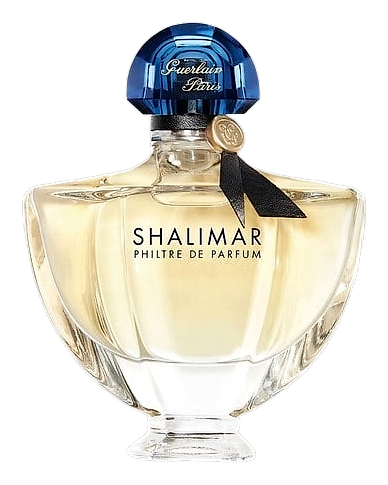
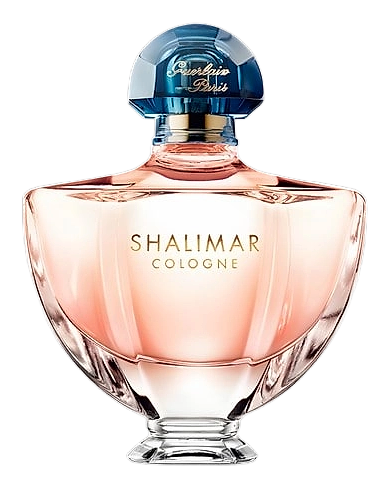
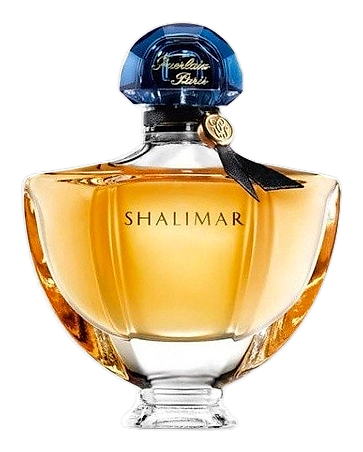
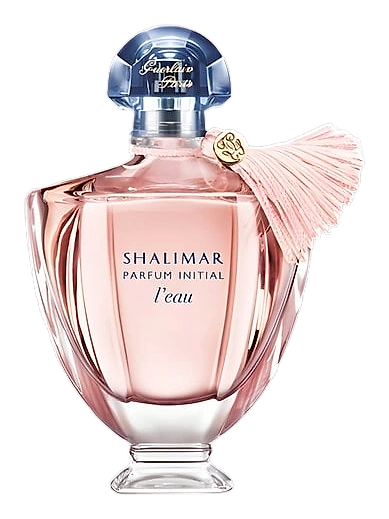
Guerlain's Shalimar has been a pillar of the perfume world since its creation, a fragrance that has endured through decades of shifting tastes and trends. The 2008 Eau de Shalimar revisits that original with a lighter hand, same story, cleaner telling. Citrus opens the chapter, iris and jasmine carry the middle, and the vanilla-resin base closes it quietly. Not a reinvention. A retelling worth reading again. The composition wraps vanilla, iris, and resinous warmth in bergamot light, creating an aromatic tapestry that feels both timeless and immediate.
The note structure here is deceptively simple: three citruses, two florals, three base materials. What makes it work is the ratio. The citrus, lime, bergamot, orange, doesn't rush. It lingers long enough to let jasmine and rose arrive on their own terms, and by the time the vanilla and iris settle, the composition has already established its tone: warm, powdery, never heavy. Iris performs a specific function in this pyramid, it bridges the citrus and the vanilla, adding a coolness that prevents the drydown from going flat. Without it, Shalimar would be dessert. With it, Shalimar is classic.
The evolution
The opening is all citrus, lime and bergamot front and center, orange lending a soft sweetness underneath. It reads like a citrus absolute, not a burst. That initial brightness holds before the florals begin their slow arrival. Jasmine steps in first, then rose, and the composition shifts from sharp to warm. The handoff takes time. This is not a fragrance that announces its middle notes, it lets them emerge. By the second hour, the jasmine-rose heart is in full bloom, softened by the approaching vanilla. The drydown is where Shalimar earns its name. Vanilla and iris settle into skin together, with resin adding a balsamic depth that rounds the edges. The powdery quality intensifies as the hours pass, lingering in a warm embrace that feels both intimate and expansive.
Cultural impact
Eau de Shalimar sits in the lineage of one of the most storied fragrances in perfume history. The original Shalimar has been in continuous production since its debut, a rare feat that speaks to its universality. This 2008 interpretation inherits that reputation without demanding the commitment of the extrait. It offers a modern take on a classic composition, lighter in feel but still carrying the essential character that has made Shalimar an enduring favorite among fragrance enthusiasts and newcomers alike.
The House
GuerlainGuerlain stands as one of the oldest and most revered perfume houses in the world, founded in Paris in 1828 by Pierre-François-Pascal Guerlain. What began as a boutique on rue de Rivoli quickly became the preferred destination for Parisian society, attracting dandies and elegant women who sought custom-crafted fragrances. The house's influence grew to such heights that Guerlain earned the title of Official Perfumer to Napoleon III after presenting Eau de Cologne Impériale to Empress Eugénie as a wedding gift in 1853. This royal patronage marked the beginning of Guerlain's enduring association with European aristocracy, as the house went on to create fragrances for Queen Victoria and Queen Isabella II of Spain. Today, under the creative direction of Thierry Wasser, the fifth-generation perfumer, Guerlain continues to shape the landscape of fine fragrance with a portfolio spanning over 1,100 olfactory creations. The house remains headquartered at its legendary Champs-Élysées mansion, a historic monument that anchors Guerlain's position at the intersection of heritage and contemporary luxury.
The Creator
Jean-Paul GuerlainJean-Paul Guerlain's style resists easy categorization, though richness and depth define nearly every composition. He favored opulent oriental structures, warm woods and resins, and florals treated with almost sculptural precision.