Ethylvanillin
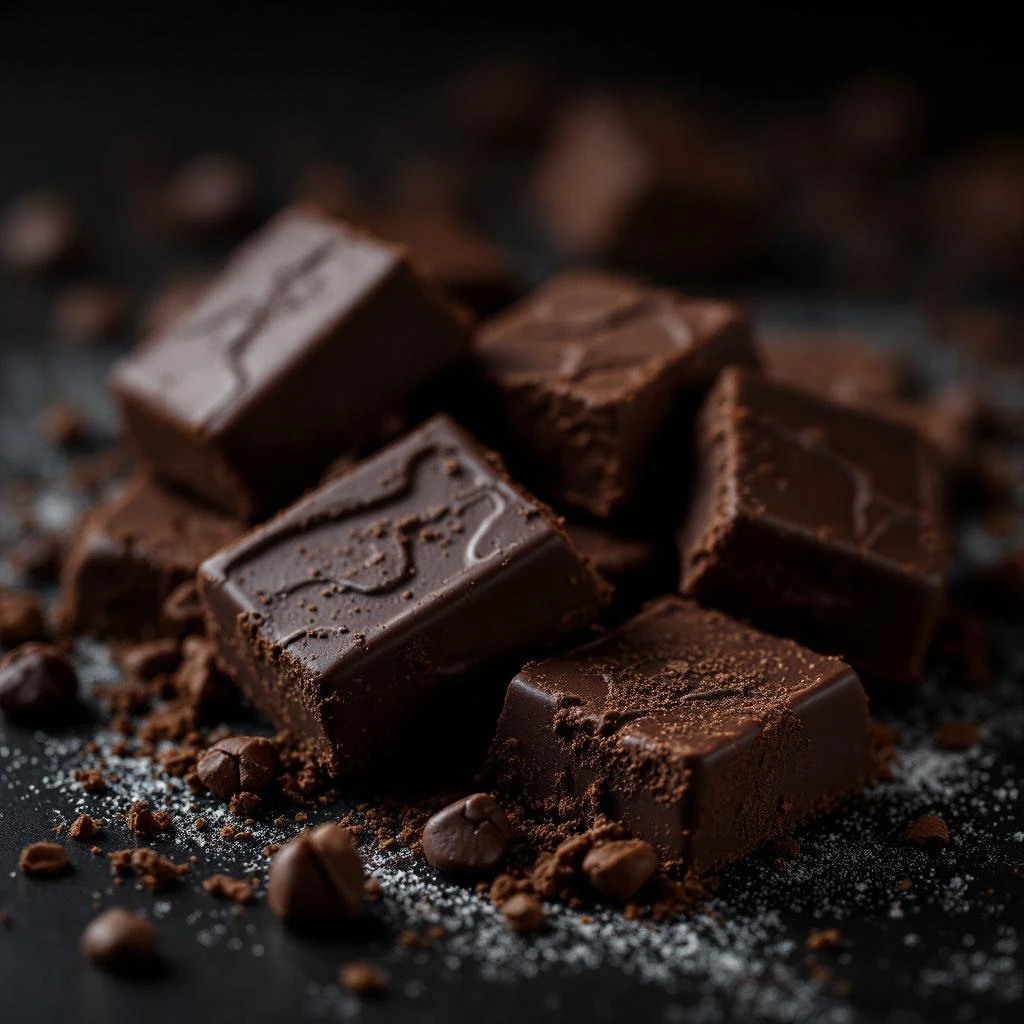
Ethylvanillin is a synthetic aromatic compound delivering rich, creamy vanilla notes to fragrance compositions. Three to four times more potent than natural vanillin, it adds warmth and gourmand character as a base note. Perfumers value it for its stability and consistent vanilla scent across applications.
Character
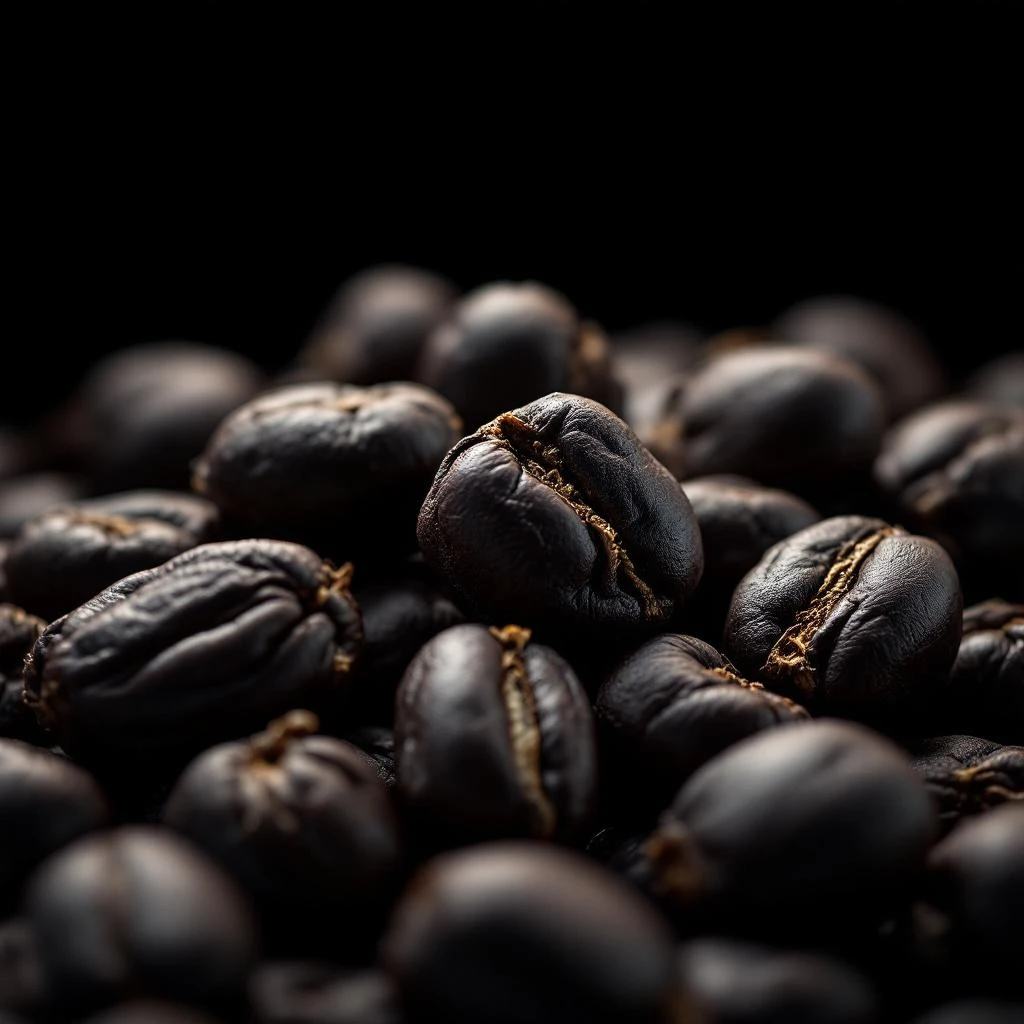
How it smells
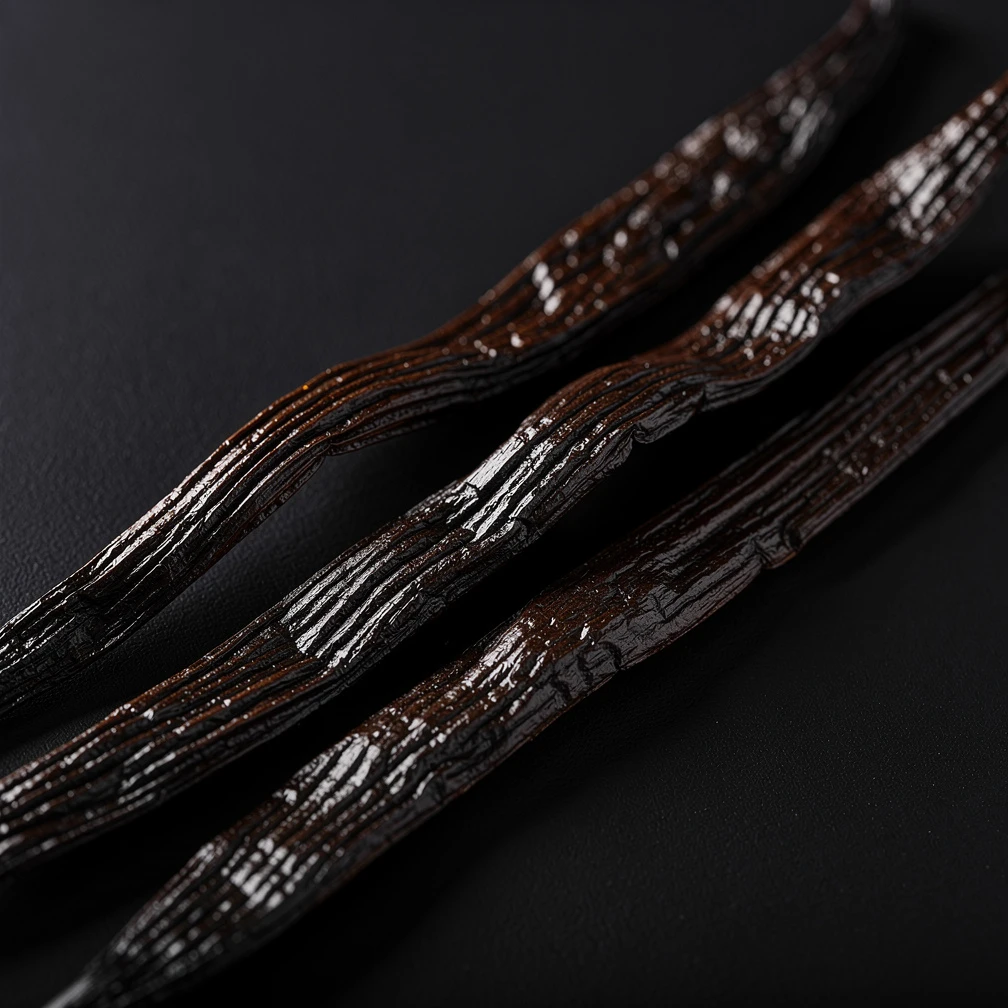
The concentrated vanilla molecule that brings lasting sweetness to fragrance.
Ethylvanillin is approximately three to four times stronger than regular vanillin, meaning only small amounts create the same vanilla effect.




Origin
Germany
Vanilla's story begins long before synthetic chemistry. Indigenous peoples of South and Central America, particularly the Totonacs of Mexico's eastern coast, first cultivated the vanilla orchid and recognized its distinctive aroma. When Spanish explorers encountered vanilla in the 16th century, they introduced it to European courts, where it remained a rare luxury for centuries.
The industrial turning point came in 1874 with the founding of Haarmann's Vanillinfabrik in Germany, which pioneered synthetic vanillin production. Eighteen years later, in 1894, chemists synthesized ethylvanillin as a derivative with enhanced properties. By the 1930s, ethylvanillin had entered commercial vanilla flavoring applications, offering an affordable alternative to increasingly expensive natural pods.
Today, synthetic vanillin and its derivatives dominate the global market, supplying the perfume industry with consistent, sustainable vanilla character that would otherwise require vast agricultural resources.
Wears it best
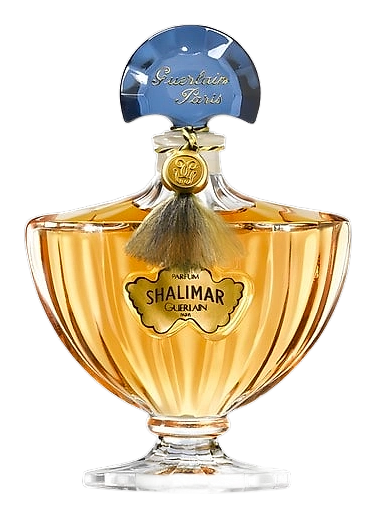
Fragrances featuring Ethylvanillin
Brands
Brands known for Ethylvanillin
Good to know
Questions, answered
The essentials on Ethylvanillin in perfumery: how it smells, where it comes from, and how it behaves on skin.
What does Ethylvanillin smell like in perfume?
Ethylvanillin smells like rich, creamy vanilla with a sweet, warm character. It delivers an intense gourmand note often described as buttery and slightly caramel-like. In compositions, it reads as a deep, comforting vanilla that adds body and sweetness without being cloying.
Why is Ethylvanillin used in perfumery?
Perfumers use ethylvanillin primarily as a base note fixative that extends fragrance longevity. It is three to four times more potent than natural vanillin, making it cost-effective at low concentrations. Its stability ensures consistent vanilla character across different formulations and wearing conditions.
Is Ethylvanillin in perfume natural or synthetic?
Ethylvanillin is entirely synthetic, created through chemical processes in laboratories. Although derived from vanillin (which exists in nature), commercial ethylvanillin comes from industrial synthesis, not plant extraction. This production method ensures purity, consistency, and availability independent of agricultural conditions.
What famous perfumes contain Ethylvanillin?
Many popular fragrances incorporate ethylvanillin, though specific formulations remain proprietary. It appears frequently in oriental fragrances, gourmand scents, and warm designer perfumes. Major brands including Thierry Mugler (Angel line), Tom Ford, and various Jo Malone compositions feature vanilla character enhanced by this synthetic ingredient.
Is Ethylvanillin a top note, heart note, or base note?
Ethylvanillin functions as a base note in fragrance compositions. Its molecular weight and low volatility cause it to release slowly over hours. As a base note, it provides the lasting dry-down character that defines how a fragrance wears on skin throughout the day.
What notes pair well with Ethylvanillin in perfume?
Ethylvanillin pairs well with tonka bean, benzoin, and labdanum for warm oriental effects. Complementary florals like jasmine and ylang-ylang soften its sweetness. Woods including sandalwood and cedar add depth, while musks enhance its longevity and skin-feel.
How is Ethylvanillin produced?
Ethylvanillin production involves synthesizing vanillin from guaiacol, then performing ethoxylation to convert the hydroxyl group to an ethoxy group. This chemical modification, first achieved in 1894, creates a molecule with superior olfactory properties. Industrial production began commercially in the 1930s.
Is Ethylvanillin used in men's or women's fragrances?
Ethylvanillin is versatile across gender categories. While common in feminine oriental and gourmand fragrances, it also appears in men's woody and leather compositions. Its warmth and depth suit unisex fragrances and sophisticated masculine blends equally well.