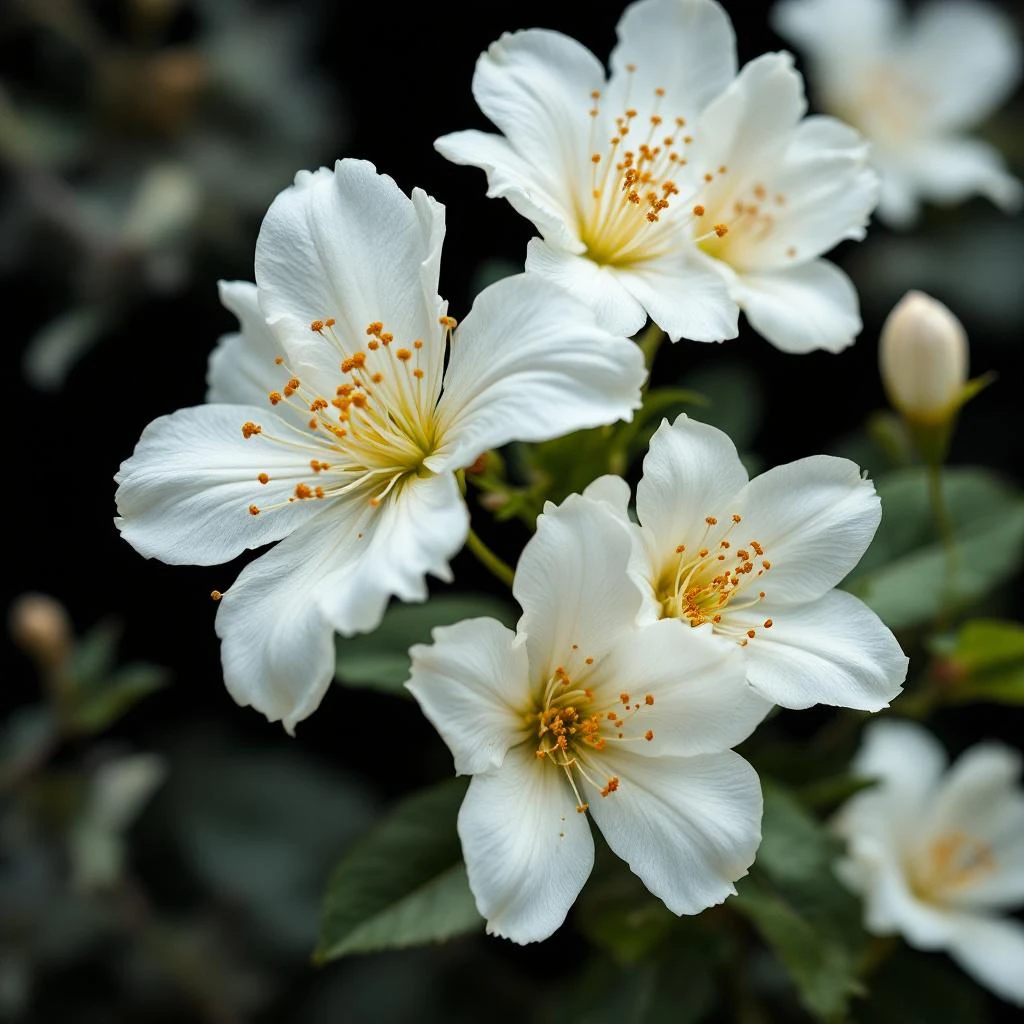
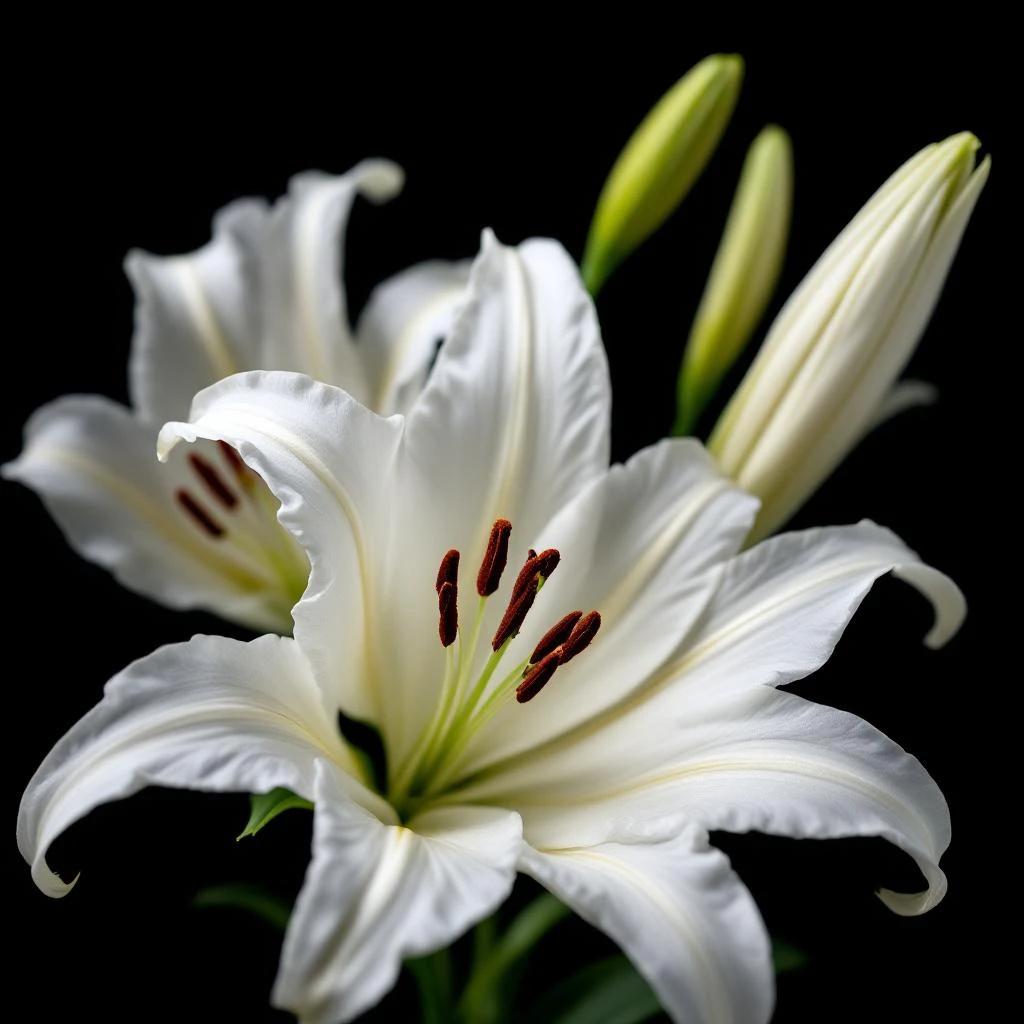
Floral Notes
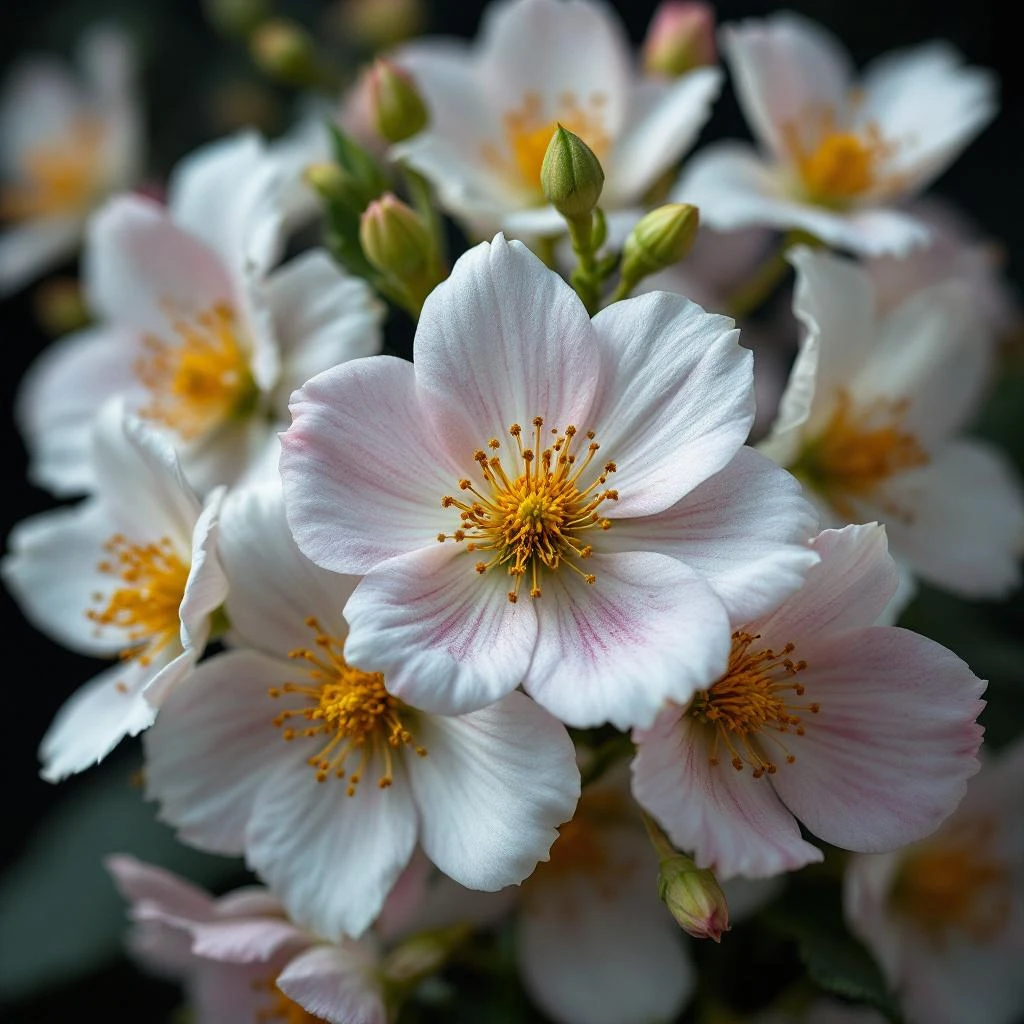
Floral notes form the heart of perfumery, capturing everything from dewy rose petals to heady jasmine and narcotic tuberose. These ingredients define the largest fragrance family and span centuries of cultivation and craft.
Character
How it smells
The beating heart of perfumery
The earliest known perfume factory was discovered in Pyrgos, Cyprus, dating to around 2000 BCE, built specifically to process floral ingredients.









Origin
France (Grasse)
Florals became serious business in Grasse, France, where an eighteenth-century collapse of the leather industry forced glovemakers to pivot toward cultivating and processing flowers for scent. The town still grows fields of jasmine, tuberose, and rose for the world's finest houses.
Ancient civilizations recognized the power of flowers long before Grasse: the earliest known perfume factory, uncovered in Pyrgos, Cyprus, dates to roughly 2000 BCE and processed aromatic botanicals on an industrial scale. Mesopotamians, Egyptians, Persians, and Arabs all built floral fragrance traditions, using oils and unguents for ritual and adornment.
The Greeks created the first liquid perfumes, but it was Arab chemists who refined distillation into a practical art, making it possible to capture a flower's scent with far greater fidelity. Commercial synthesis of aroma compounds in the late nineteenth century, starting with vanillin and coumarin, liberated perfumers from crop dependency and allowed flowers too rare or too delicate to grow commercially, like gardenia and lily of the valley, to enter the perfumer's palette forever.
Wears it best
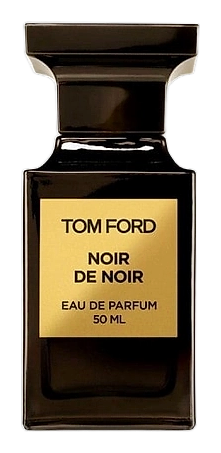
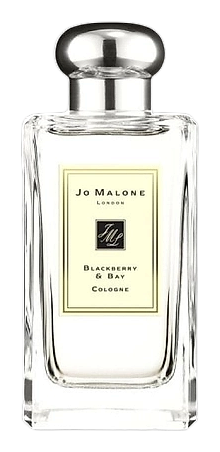
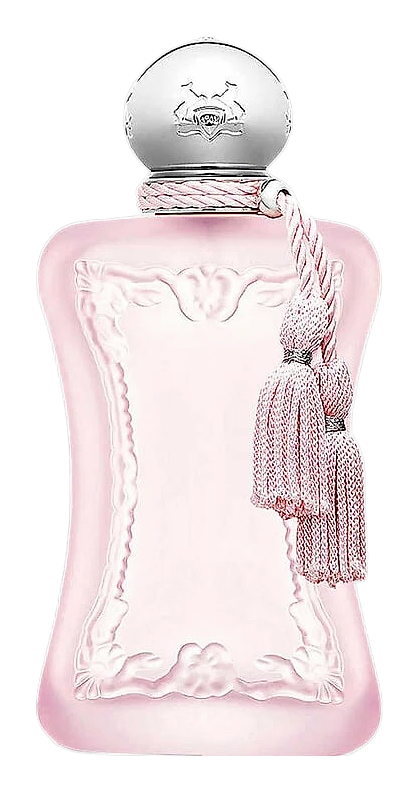
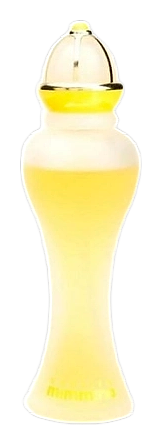
Fragrances featuring Floral Notes


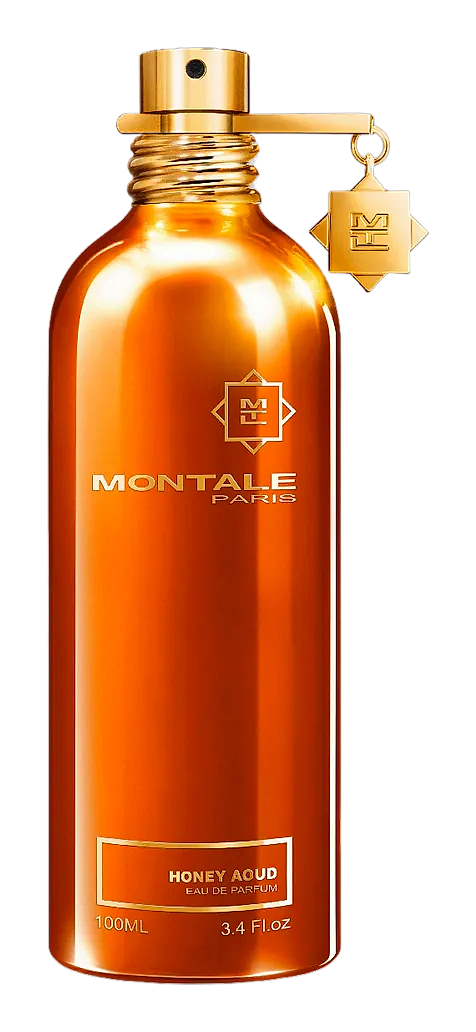
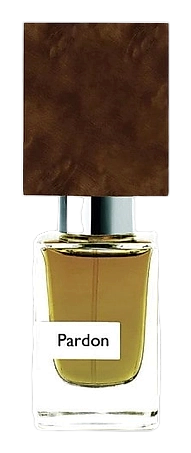
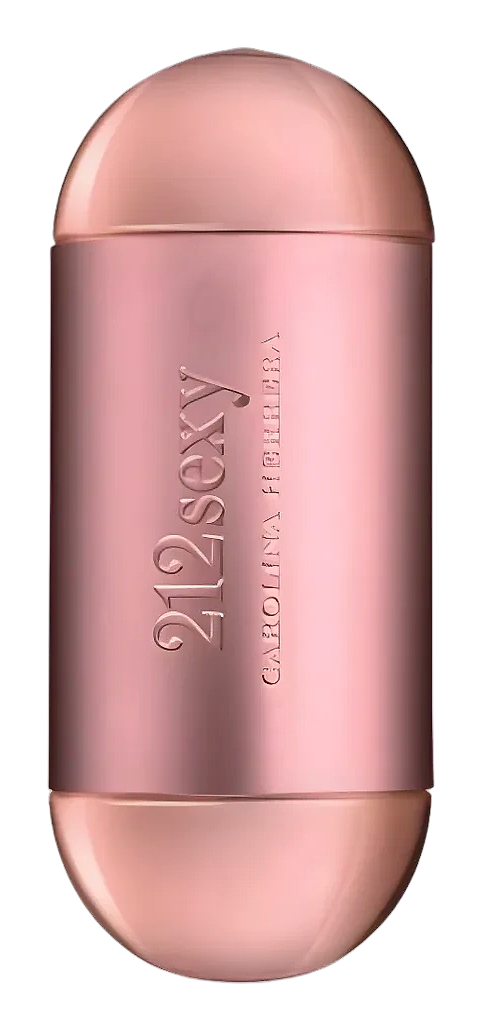
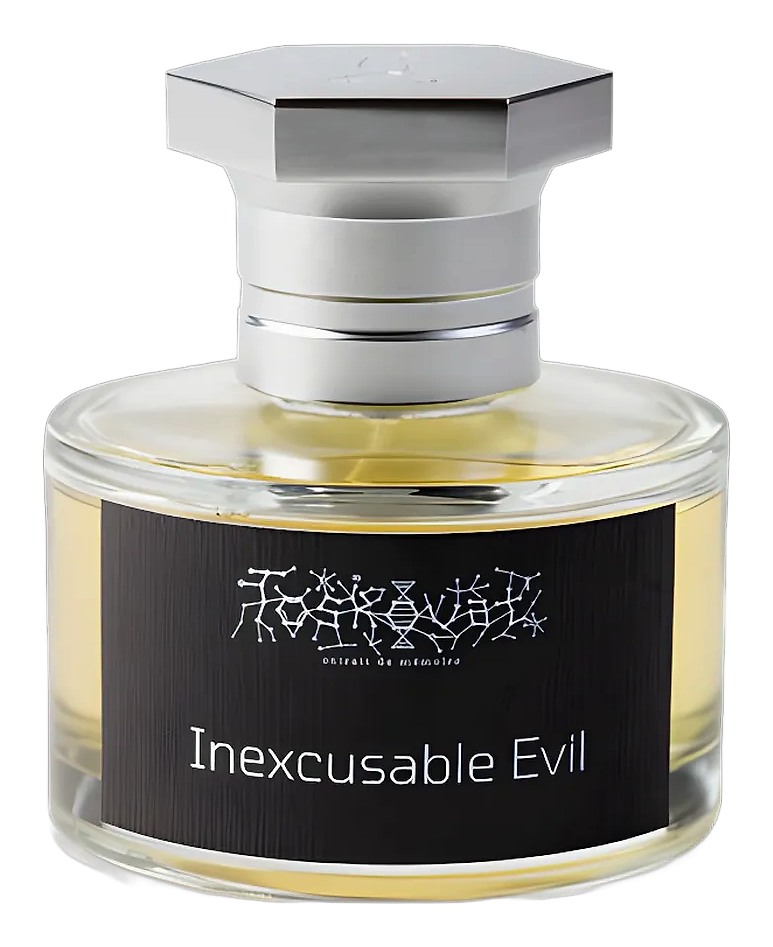
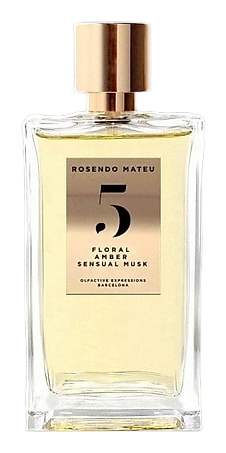
Brands
Brands known for Floral Notes
Good to know
Questions, answered
The essentials on Floral Notes in perfumery: how it smells, where it comes from, and how it behaves on skin.
What is the floral fragrance family?
The floral family is perfumery's largest classification, built around notes derived from real flowers. It emerged as a distinct category in the early 1900s when the industry formalized fragrance families.
Why are some floral notes so expensive?
Yield is the main driver. Producing one pound of rose oil requires roughly 10,000 pounds of petals, and tuberose demands intensive hand-harvesting every morning from May to December in southern India and Egypt.
Can perfumers use every flower?
No. Some flowers, including lilac and lily of the valley, produce too little natural oil to extract commercially. Perfumers recreate their scent using synthetic aroma molecules developed since the late 1800s.
Where is the floral capital of perfumery?
Grasse, in southern France, holds that title. Glovemakers there began cultivating jasmine, tuberose, and rose in the eighteenth century after the leather industry collapsed.
What extraction method is used for delicate flowers?
Enfleurage and solvent extraction are preferred for fragile petals like jasmine and tuberose, since steam distillation's heat would destroy their delicate top molecules.
How did distillation change floral perfumery?
Arab chemists refined distillation techniques, allowing perfumers to capture floral scents with far greater fidelity than older cold-infusion methods and laying groundwork for modern extraction.
Are natural or synthetic florals better?
Neither is universally superior. Naturals offer complexity from hundreds of trace compounds, while synthetics provide consistency, sustainability, and access to flowers that yield no usable oil.
What is the oldest evidence of flower-based perfumery?
The earliest known perfume factory was found in Pyrgos, Cyprus, built around 2000 BCE. It processed aromatic botanicals on a scale that suggests organized production and trade.