The Story
Why it exists.
The beginning
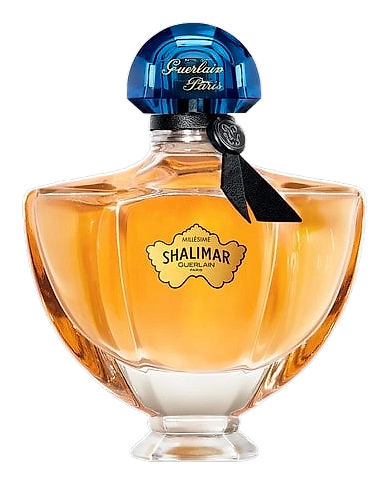
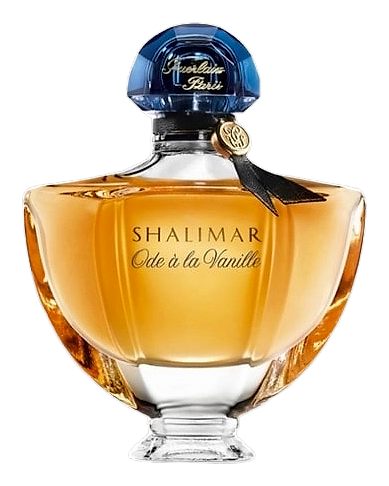
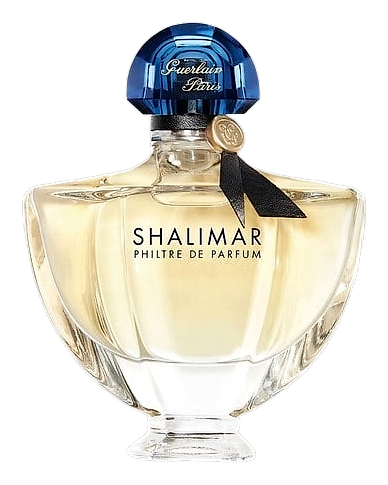
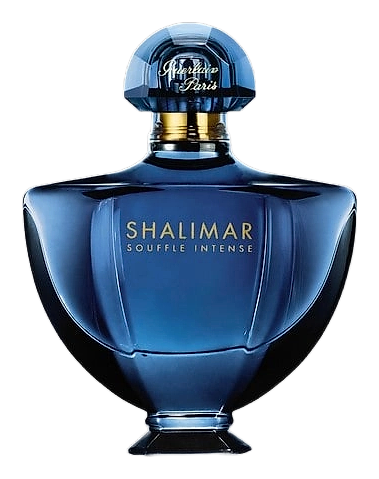
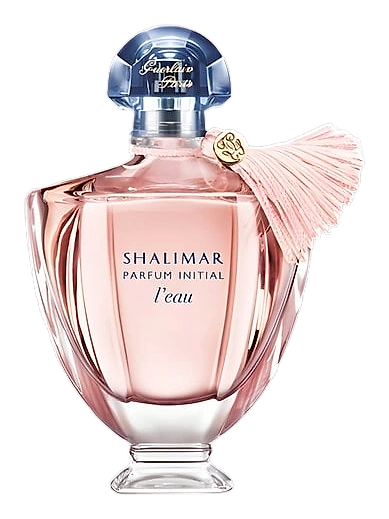
Guerlain established itself in Paris in 1828, treating fragrance as both art and science. Shalimar arrived in 1925 as the first Oriental fragrance, born from an emperor and princess's love story and the gardens that inspired them. A century later, the house felt the centenary deserved more than a rebox of the original. The perfumer approached this reinterpretation as both a continuation and a departure, finding new ways to express the Shalimar DNA using contemporary materials and techniques.
The note philosophy behind Shalimar L'Essence centers on preserving the original's spirit while introducing new dimensions. The incense and almond combination evokes smoke and sweetness simultaneously, a modern take on oriental warmth. Iris was chosen for its powdery elegance that bridges the opening and heart. Vanilla and leather anchor the composition, ensuring the connection to Guerlain's heritage while pushing forward into contemporary fragrance territory. This is not a flanker or a limited edition repackage. It is a standalone vision that speaks to where the house has been and where it is headed.
The evolution
The fragrance opens with a bold statement. Almond and bergamot create immediate brightness while incense smoke adds an atmospheric quality. This combination signals a departure from traditional Shalimar while maintaining its essence. As the heart develops, iris and ethylvanillin take center stage, their powdery-creamy character softened by amber and myrrh. The rose appears as a whisper, romantic and restrained. In the drydown, vanilla and tonka bean form a warm, sweet foundation while musk adds intimacy. Benzoin and leather complete the composition, adding resinous depth and structured elegance that ensures longevity and complexity.
Cultural impact
Shalimar L'Essence has found its audience among Guerlain loyalists and newcomers who skipped the original for being too animalic. The vanilla here is warmer, the iris more powder-refined, the overall effect more modern while remaining unmistakably Guerlain. It's the fragrance people reach for when they want the legacy without the risk, familiar enough to trust, rich enough to reward. Delphine Jelk's interpretation positions this as a bridge between the Shalimar faithful and a new generation discovering why the house matters.
The House
GuerlainGuerlain stands as one of the oldest and most revered perfume houses in the world, founded in Paris in 1828 by Pierre-François-Pascal Guerlain. What began as a boutique on rue de Rivoli quickly became the preferred destination for Parisian society, attracting dandies and elegant women who sought custom-crafted fragrances. The house's influence grew to such heights that Guerlain earned the title of Official Perfumer to Napoleon III after presenting Eau de Cologne Impériale to Empress Eugénie as a wedding gift in 1853. This royal patronage marked the beginning of Guerlain's enduring association with European aristocracy, as the house went on to create fragrances for Queen Victoria and Queen Isabella II of Spain. Today, under the creative direction of Thierry Wasser, the fifth-generation perfumer, Guerlain continues to shape the landscape of fine fragrance with a portfolio spanning over 1,100 olfactory creations. The house remains headquartered at its legendary Champs-Élysées mansion, a historic monument that anchors Guerlain's position at the intersection of heritage and contemporary luxury.
The Creator
Delphine JelkJelk builds compositions around contrast and tension—warm, round, and inviting, yet never soft. Her signature leans heavily on iris, musks, and powdery facets that give her work a distinctive texture, like cashmere caught in amber.