Pierre Guerlain
Pierre-François-Pascal Guerlain arrived in Paris not as a dreamer chasing fashion, but as a trained chemist with ambition sharper than any floral note. Born in Abbeville in 1798, he pursued pharmaceutical and chemical studies before setting up his first boutique on rue de Rivoli in 1828, steps from the Tuileries gardens and their well-heeled clientele. He understood something his contemporaries missed: that perfumery could marry art and science, resulting in something neither discipline alone could achieve. The boutique attracted Paris society quickly. Word spread through drawing rooms that Guerlain composed custom scents for clients who wanted fragrance as personal as their signatures. When Empress Eugénie became a client, the house earned something more valuable than advertising: validation from the highest reaches of Second Empire society. Guerlain served as both perfumer and chemist, creating his own bases and extracts rather than purchasing them from suppliers, a vertical integration that gave him control most of his peers never imagined. He passed the house to his sons in 1864, but his founding principle endures: perfumery demands rigor before artistry.
The hits
Notable creations
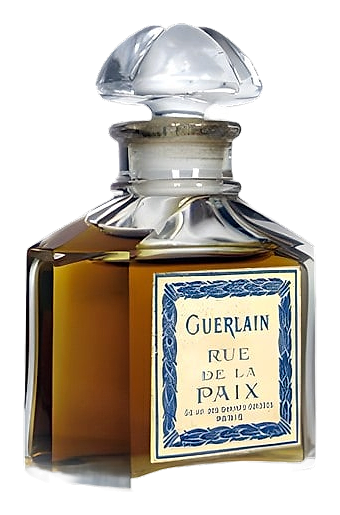
The signature
How Pierre composes
Guerlain favored classical French structure: rich florals anchored by warm woods and resins, built with a chemist's precision. He worked extensively with natural materials, especially rose and jasmine from Grasse, and developed proprietary techniques for extracting and blending that gave his creations unexpected depth. His perfumes showed restraint in top notes paired with opulent drydowns, a signature balance his descendants would refine. He preferred accord-driven compositions where individual materials serve the whole rather than announcing themselves.
Philosophy
What drives Pierre
Guerlain believed the perfumer must first master the laboratory before approaching the organ. He treated fragrance as a chemical discipline requiring precise understanding of how materials interact, age, and evolve on skin. Rather than chasing trends, he composed for individual clients whose tastes he studied carefully, viewing each fragrance as a conversation between creator and wearer. This philosophy of personalized luxury, grounded in scientific knowledge, became the house's compass for nearly two centuries.
The houses
Maisons Pierre composes for
In the same league