The Story
Why it exists.
The beginning
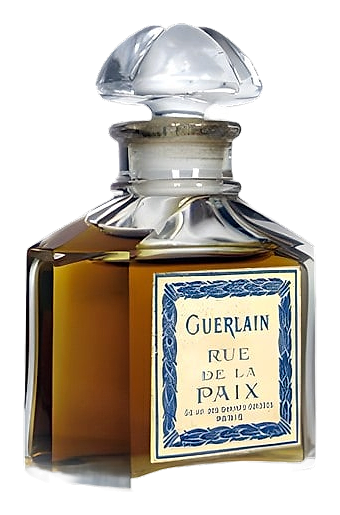
The name says everything. Rue de la Paix was the address of the Guerlain boutique at the turn of the 20th century, on the most glamorous shopping street in Paris. In 1908, Pierre Guerlain named his creation for the place that made his house what it was. Not a flower. Not a feeling. A street. A specific address. That choice alone tells you something about the confidence behind the composition. It wasn't trying to seduce. It was stating an address and letting the scent do the rest.
What makes Rue de la Paix structurally interesting is the aldehyde lift. Aldehydes were still relatively novel in 1908, used sparingly. Here, they arrive alongside bergamot, lavender, and honey, giving the opening an almost waxy brightness that feels more elevated than the typical floral water. The heart keeps things classical: rose and jasmine in familiar territory, ylang-ylang adding a tropical depth that prevents the florals from reading as fragile. But the base is where Guerlain separates itself from the field. Orris root and leather together create something that smells like powder and something worn in. Not a glove. The inside of a glove, after years of use.
The evolution
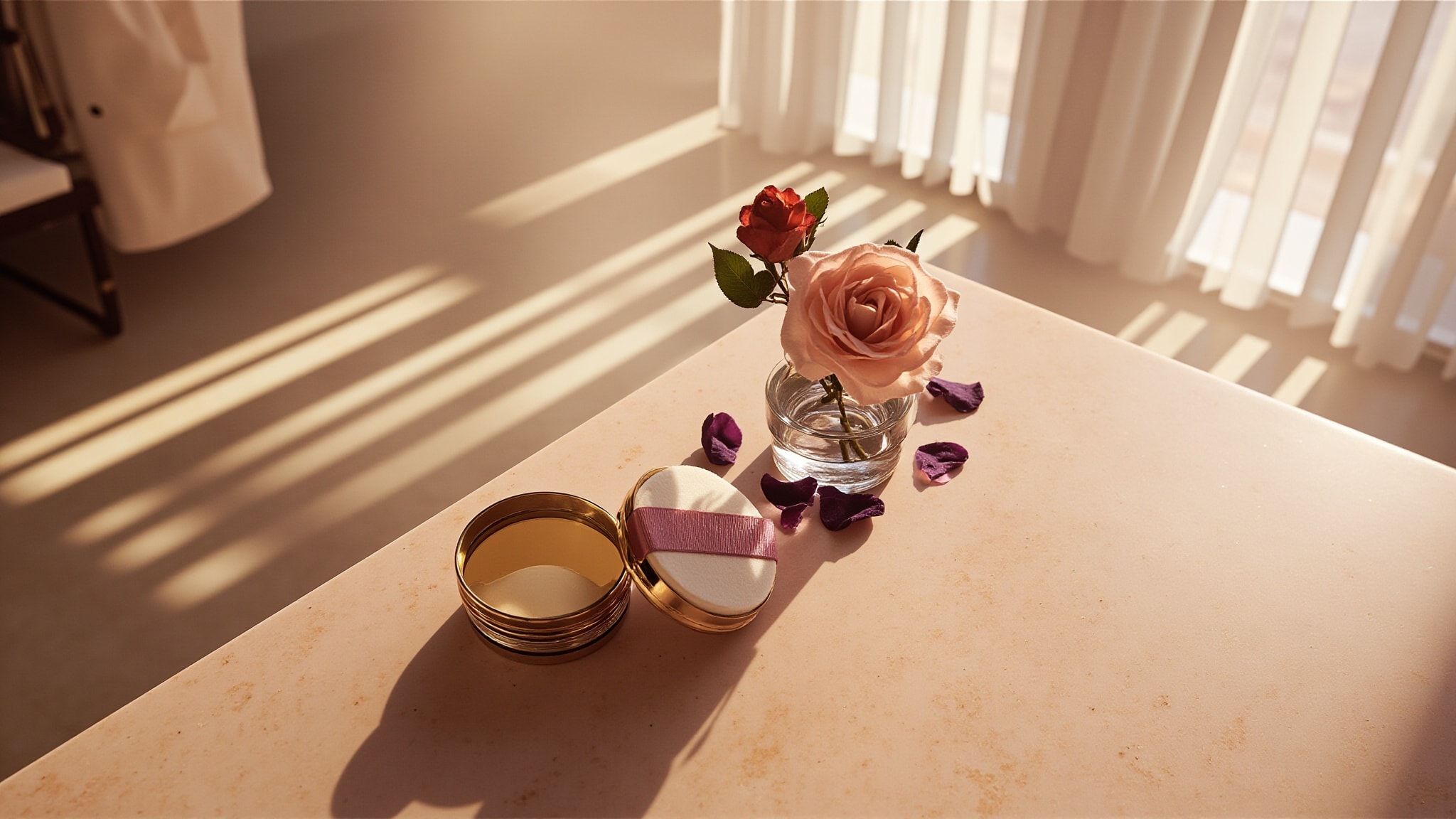
The aldehydes arrive first, sharp and rising like a curtain being pulled back. Within minutes, the honey sweetens them, rounds their edges, makes the opening feel warm rather than cold. The lavender holds for maybe twenty minutes, giving the composition an herbal calm that keeps the aldehydes from feeling too much. Then the florals take over. Rose and jasmine arrive together, not fighting for space but settling into something steady. The ylang-ylang lingers beneath, a tropical bass note that gives the heart weight. By the second hour, the florals begin to powder. Orris root is the turning point. That iris-like dryness that Guerlain does better than almost anyone else starts to surface, and alongside it comes leather, soft and worn. Not boot leather. The kind that lines a powder compact or a jewel box. The amber and musk keep everything intimate. Eight to ten hours later, on the right skin, this scent is still there. Close. Quiet. Impossible to scrub out completely.
Cultural impact
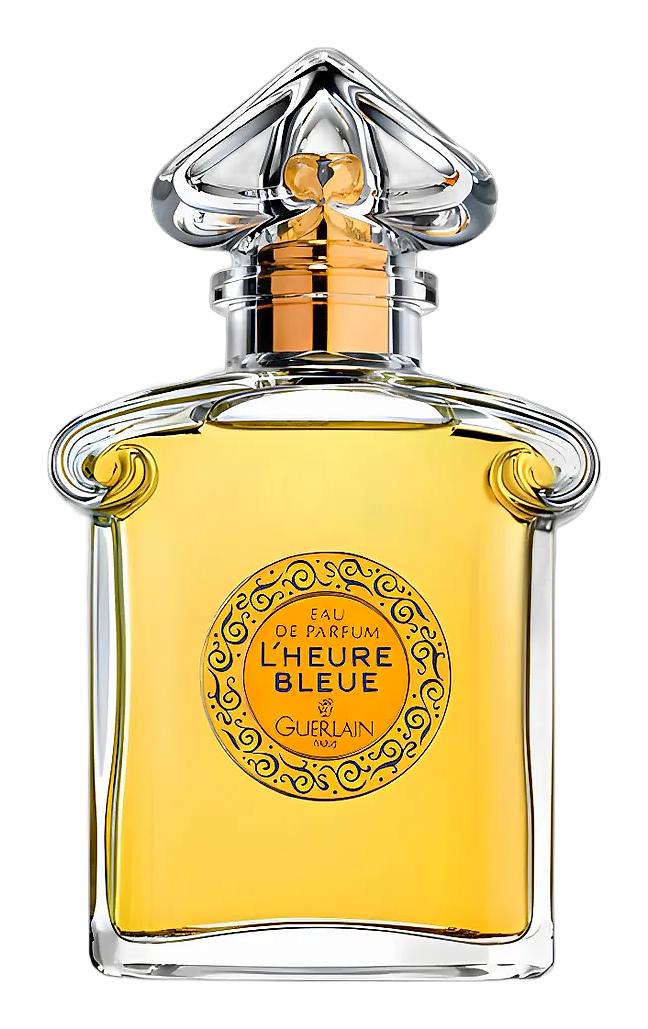
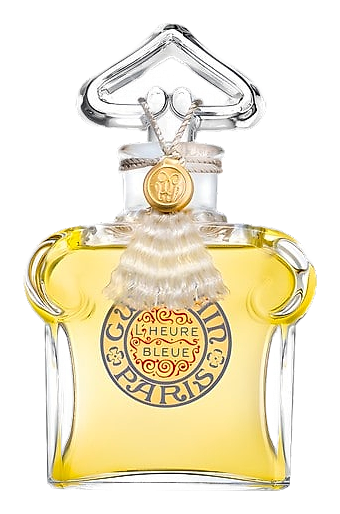
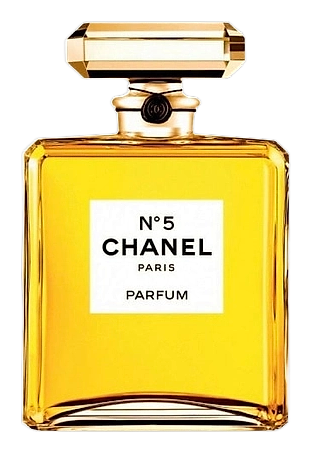
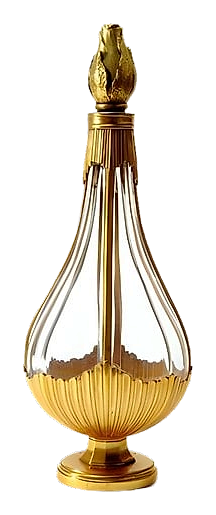
Rue de la Paix is one of the defining aldehydic florals of the classical era. Its place in Guerlain's canon is secured by the simple fact that the Baccarat Quadrilobé bottle, first used for this fragrance, became the house's most recognizable vessel. Among aldehydic florals, it sits in an interesting position: less bombastic than Chanel No. 5, more powder-forward than many of its contemporaries. Wearers describe it as the fragrance of someone who doesn't need to announce themselves.