The Story
Why it exists.
The beginning
Jean-Paul Guerlain created Parure in 1975, naming it for the French word meaning adornment or embellishment. The choice was deliberate, this was meant to be a finishing touch, the invisible accessory that signals a certain level of refinement. In the context of Guerlain's nearly century-and-a-half history by that point, Parure represented something specific: a chypre composition built for a woman who understood classical perfumery and didn't need it explained to her.
What makes Parure's structure notable is the way it refuses to modernize the chypre template. While others were softening moss and sweetening their florals, this kept the oakmoss front and center. The rose-lily interplay in the heart doesn't compete, it hovers, watercolor-soft, creating a bridge between the dark opening and that austere base. It's a composition that trusts restraint.
The evolution
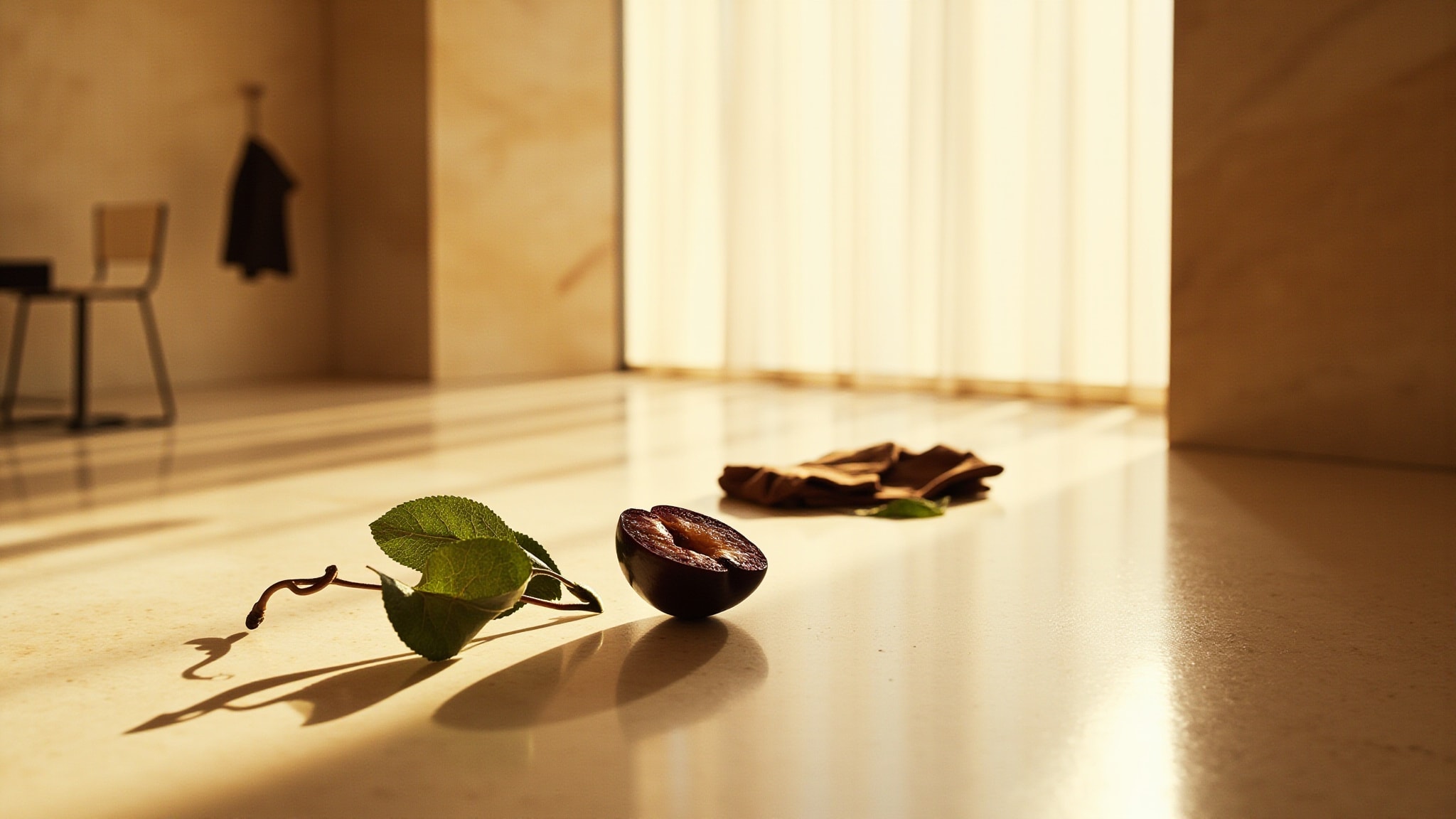
The opening announces plum's sweetness and warm spice, then as it settles the tobacco and vanilla deepen the composition into something almost gourmand. But Parure doesn't stay there. Within the hour the oakmoss arrives, not subtle, not polite, drying everything out and fundamentally changing the fragrance's character. What was soft becomes sharp. What was sweet becomes earthy. The rose in the base is more impression than note, a ghost that fades faster than the moss that holds it. On fabric, expect this to last through a full workday. On skin, closer to eight hours before the leather and patchouli finally exhaust themselves.
Cultural impact
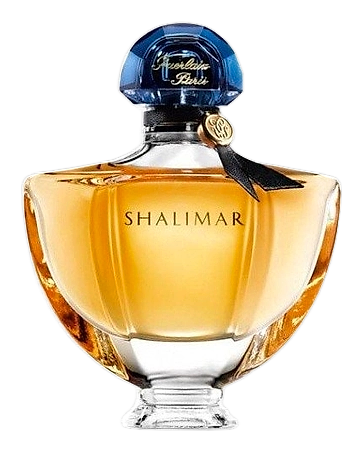
Parure occupies a specific place in Guerlain's catalog, not the blockbuster Shalimar, not the avant-garde Attrape-Coeur, but something quieter and more demanding. It requires a certain knowledge of chypre structure to appreciate fully. The vintage formulation, with its generous oakmoss content, has become a reference point for those mourning what IFRA restrictions have taken from modern perfumery.