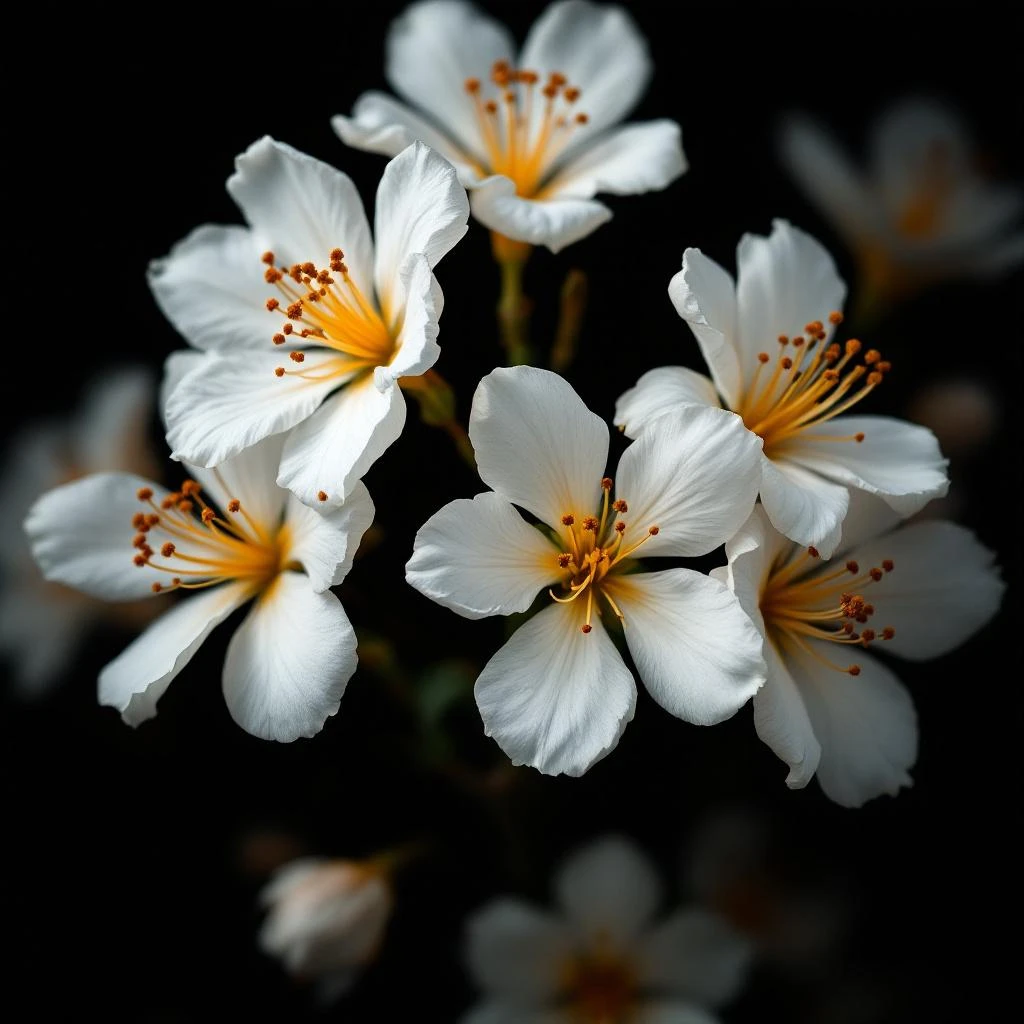
Lemon Verbena
Lemon verbena delivers a brisk, pure, floral-citrus scent. When you crush the leaves between your fingers, you get bright lemon and fresh green herbs in one gesture. It brings an immediate spark of sunshine to any fragrance composition.
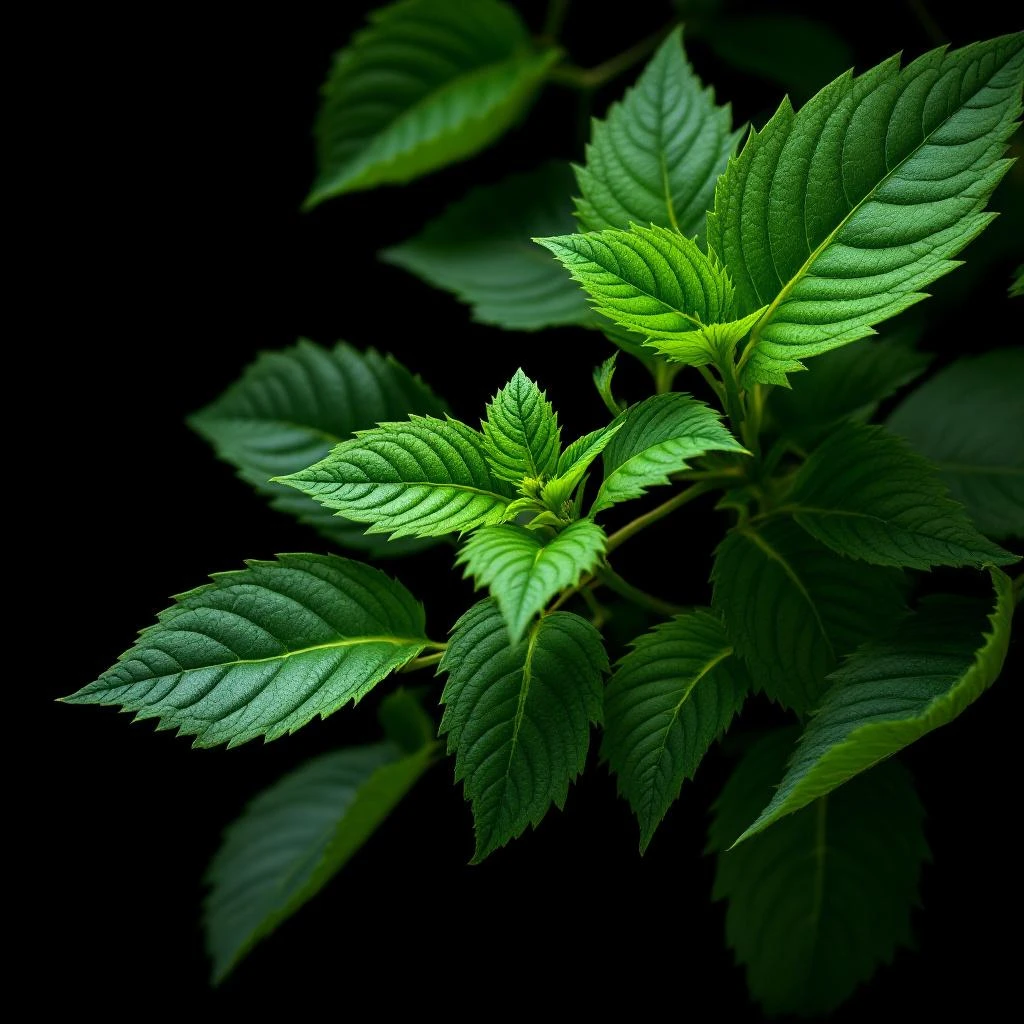
Character
How it smells
Citrus brightness with a herbal soul
Spanish explorers brought lemon verbena to Europe in 1784. By Victorian times, English gardens prized it for its delicate lemon fragrance.









Origin
Argentina
Spanish explorers introduced lemon verbena to Europe from South America in 1784. The plant, botanically classified as Aloysia citriodora, quickly gained favor in Victorian English gardens for its intensely fragrant leaves. Despite the name, it belongs to a different plant family than true verbena.
Victorian-era consumers prized the delicate lemon scent for potpourri and toilet water preparations. By the mid-19th century, dedicated verbena toilet water recipes appeared in perfumery guides, though many commercial versions relied on artificial recreation due to the natural oil's expense. L'OCCITANE established lemon verbena's modern perfumery status in 1981 with their inaugural verbena product range, cementing its role as a fresh, sparkling fragrance note.
Today, the ingredient remains a staple for bright, clean citrus-herbal compositions.
Wears it best
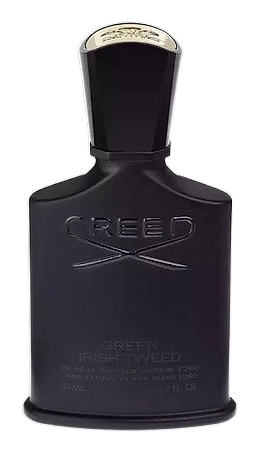
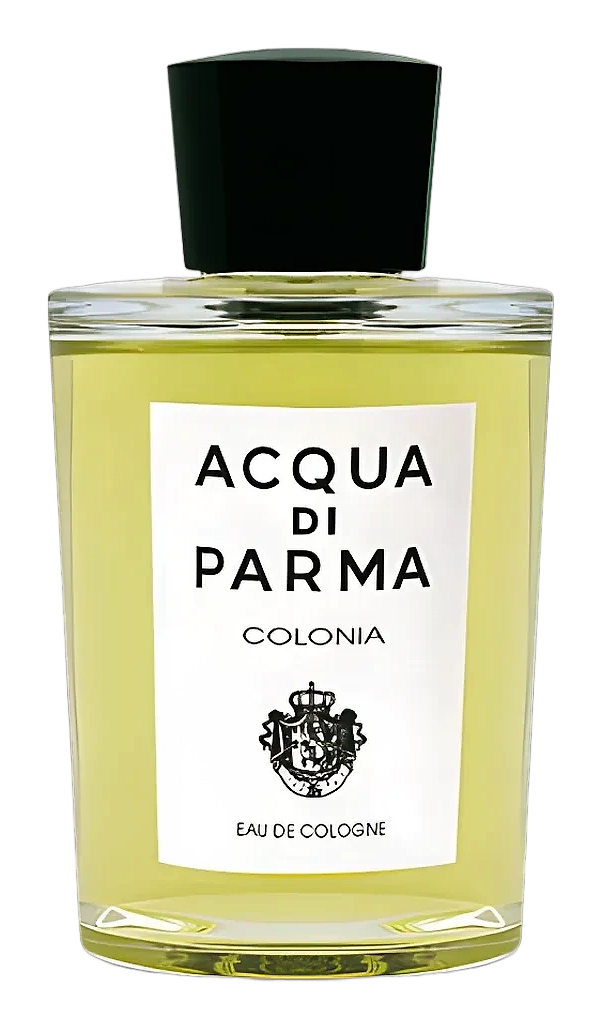
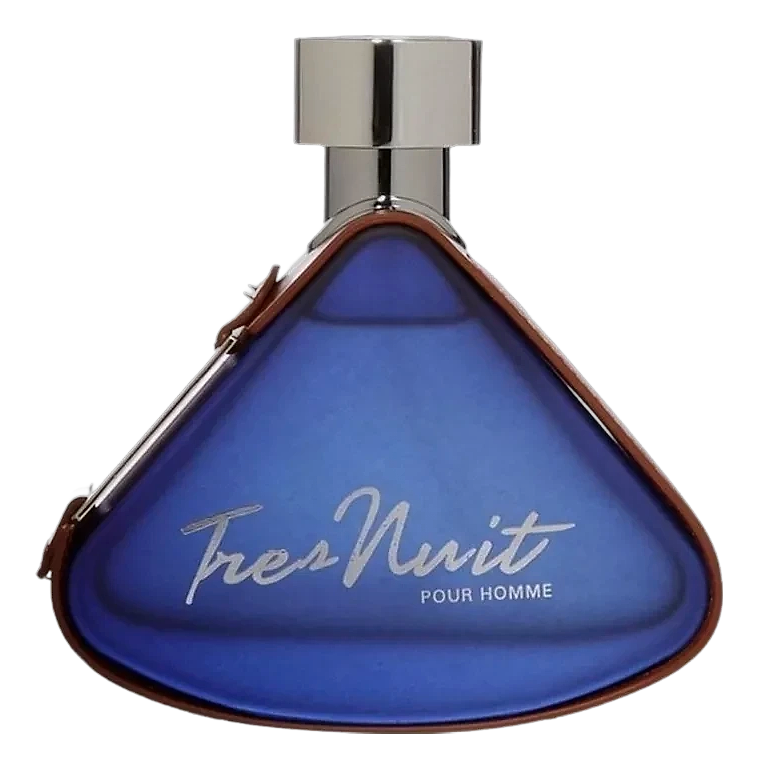
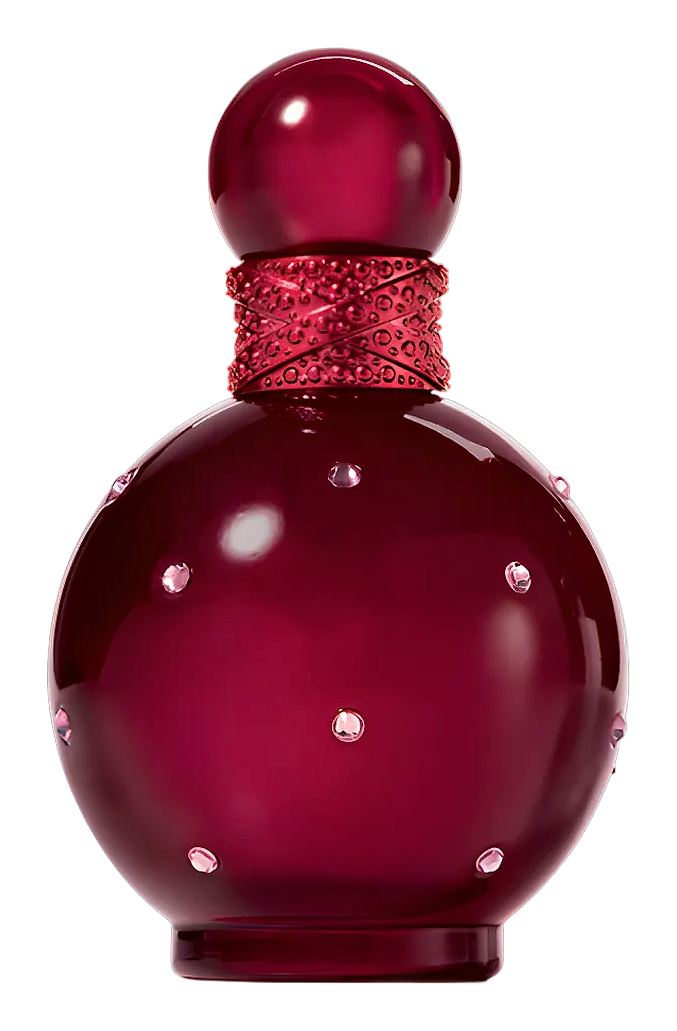
Fragrances featuring Lemon Verbena








Brands
Brands known for Lemon Verbena
Good to know
Questions, answered
The essentials on Lemon Verbena in perfumery: how it smells, where it comes from, and how it behaves on skin.
What does lemon verbena smell like?
Lemon verbena combines bright citrus with green herbal undertones. Crushing the fresh leaves releases an immediate lemon burst, though the dry leaf oil carries more complexity with subtle floral and slightly camphorated nuances. It reads as cleaner and less sharp than lemongrass.
Is lemon verbena the same as lemongrass?
No. Both contain citral and present lemon notes, but lemon verbena offers a softer, more floral-citrus profile. Lemongrass carries sharper, more medicinal intensity. Lemon verbena adds green herbaceous character that lemongrass lacks.
How do perfumers extract lemon verbena oil?
Steam distillation of flowering tops produces the primary essential oil and hydrosol. Leaves can be distilled separately to yield a pricier otto. Water distillation on its own proves less efficient for commercial production.
Where does lemon verbena grow best?
The plant originates in South America, particularly Argentina and Chile. Modern cultivation spans France, North Africa, and the Middle East. Warm, sunny climates with well-drained soils produce the most aromatic leaves.
Why is natural lemon verbena oil expensive?
The distillation yields are low relative to plant material, and the leaves lose fragrance quickly after harvest. Climate, soil quality, and harvest timing all affect oil concentration, driving up costs for high-quality extracts.
Does lemon verbena fade quickly in perfumes?
Yes. Citral, its primary aromatic component, oxidizes relatively fast, causing fragrance to shift over time. Perfumers often pair natural oil with stabilized synthetic versions to maintain consistent character throughout wear.
Which fragrance families use lemon verbena?
It appears most in citrus, herbal, and green fragrance families. Citrus colognes, aromatic fougeres, and fresh chypres frequently feature it. It also works in light florals where a clean, herbal lift complements rose or jasmine.
What notes pair well with lemon verbena?
Mint amplifies its fresh qualities. Lavender adds aromatic depth. Rose or jasmine round out the floral character. Other citrus oils, like bergamot or neroli, reinforce the bright top notes. Woody bases like sandalwood ground the overall composition.