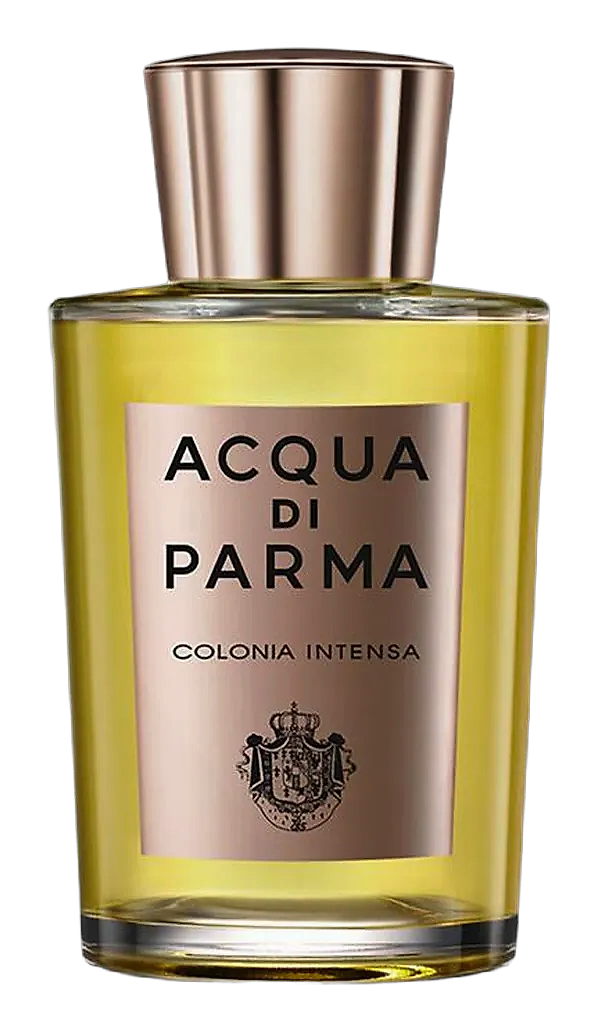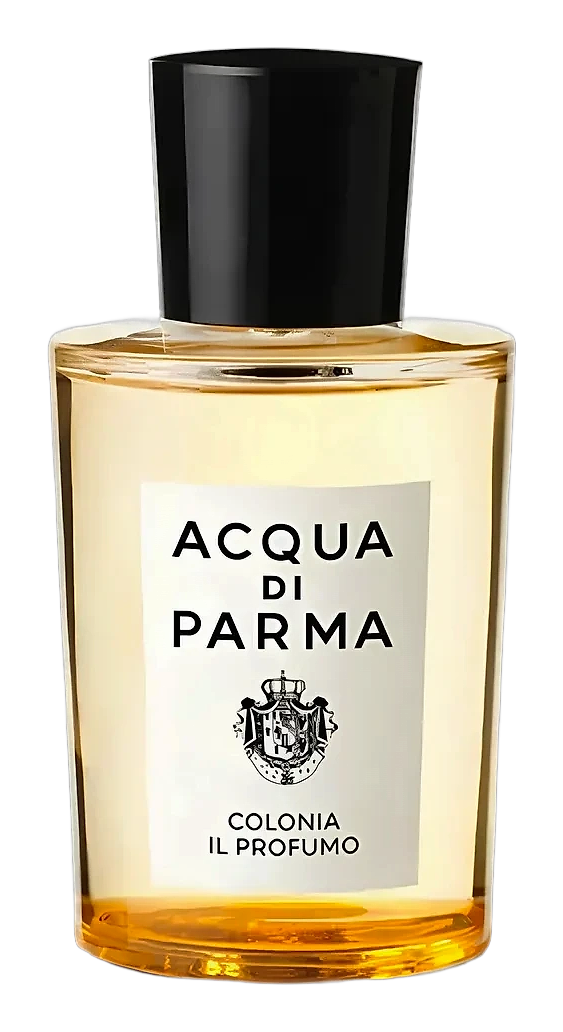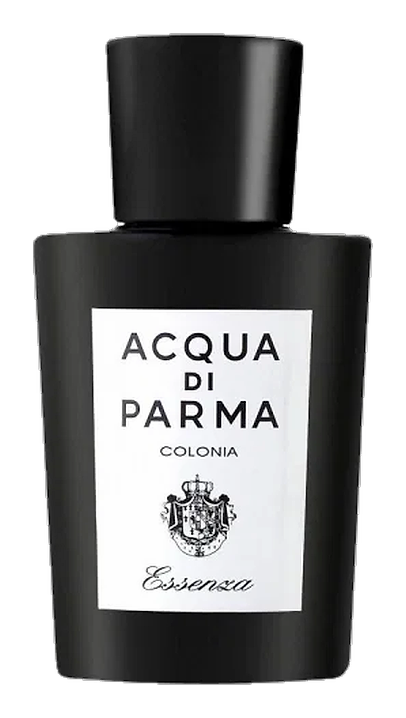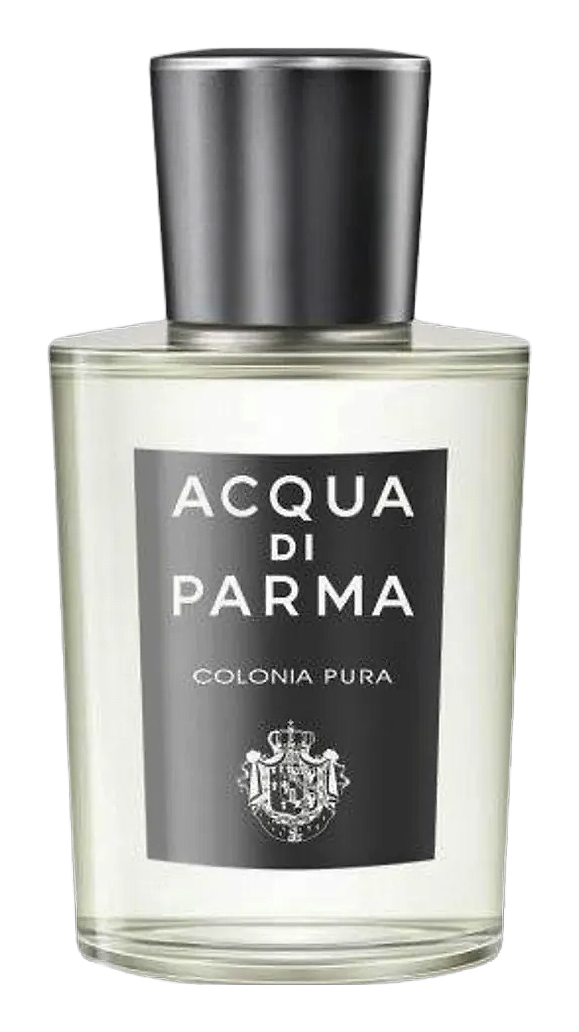

The Story
Why it exists.
The beginning
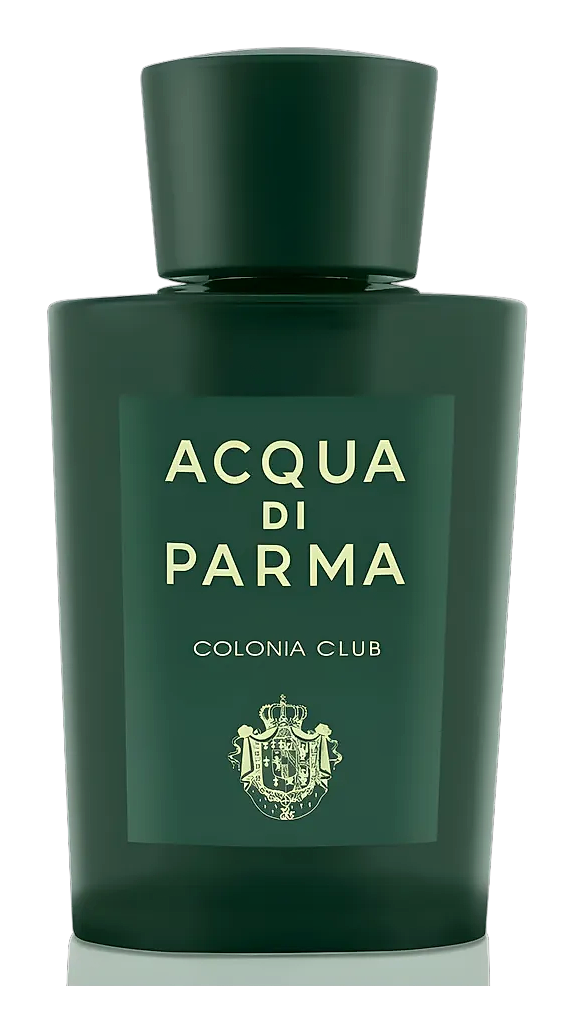
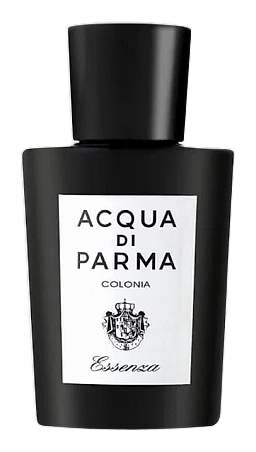
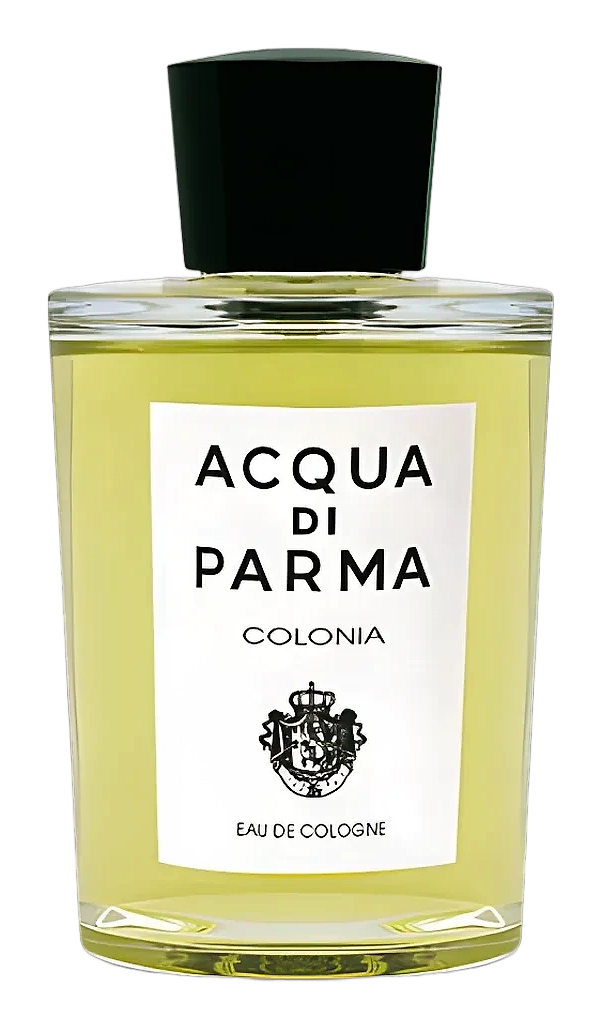
Baron Carlo Magnani wanted a scent that smelled like home, but sharper. In 1916, men's fragrance meant heavy Germanic compositions, and Magnani had grown tired of them. The heir to a noble Parma family commissioned his own cologne from a local perfumery. What he got was Colonia: a fresh citrus composition that broke entirely from what dominated the market. Bright Sicilian citrus oils over Mediterranean herbs. An Italian counterargument to the Germanic norm. The elite of Parma wore it as the finishing touch to evening attire. Not a statement. An introduction.
The note structure itself is the story. Natural Italian citrus oils, bergamot, lemon, orange, form the backbone, and using them at cologne concentration means the composition breathes differently than an extrait would. The top notes don't compete with the heart. They give way to it. The herb and floral heart (lavender, rosemary, verbena, Bulgarian rose) sits quietly beneath the citrus, warm but never overwhelming. When the base arrives, vetiver, sandalwood, patchouli, it doesn't crash in. It settles like afternoon light, unhurried and deliberate. Most colognes are built to announce. Colonia is built to remain.
The evolution
The opening is immediate. Lemon, bergamot, and orange arrive like a morning breeze off the Mediterranean, bright, clean, citrus-sharp without any sweetness to soften it. This is the first five minutes. Essential. Within ten minutes, the citrus begins to recede as lavender, rosemary, and lemon verbena take their place. The composition shifts from sharp citrus to something herbal, almost medicinal, before settling into a calmer, greener territory that opens up the floral heart. Bulgarian rose emerges quietly, never loud, weaving through the herbs without demanding attention. The drydown is where Colonia earns its reputation. Vetiver, sandalwood, and patchouli ground the composition without heaviness. The lasting impression is clean linen, Italian sunshine, and the kind of understated confidence that never needs announcing.
Cultural impact
Colonia began as a handkerchief scent for Parma's elite. It became the reference point for a certain Italian sophistication, quiet, assured, distinctly Mediterranean. The fragrance found its way to Hollywood through bespoke tailor shops in the 1950s, where actors discovered it and brought it back to California. Cary Grant, Ava Gardner, Audrey Hepburn, names attached to a scent that never needed to shout. What makes Colonia culturally significant is its restraint. It doesn't try to be noticed. It simply lasts. Over a century later, it remains the counterargument to loud, aggressive masculine fragrances, a quiet benchmark for those who prefer refinement to announcement.