
The Story
Why it exists.
The beginning
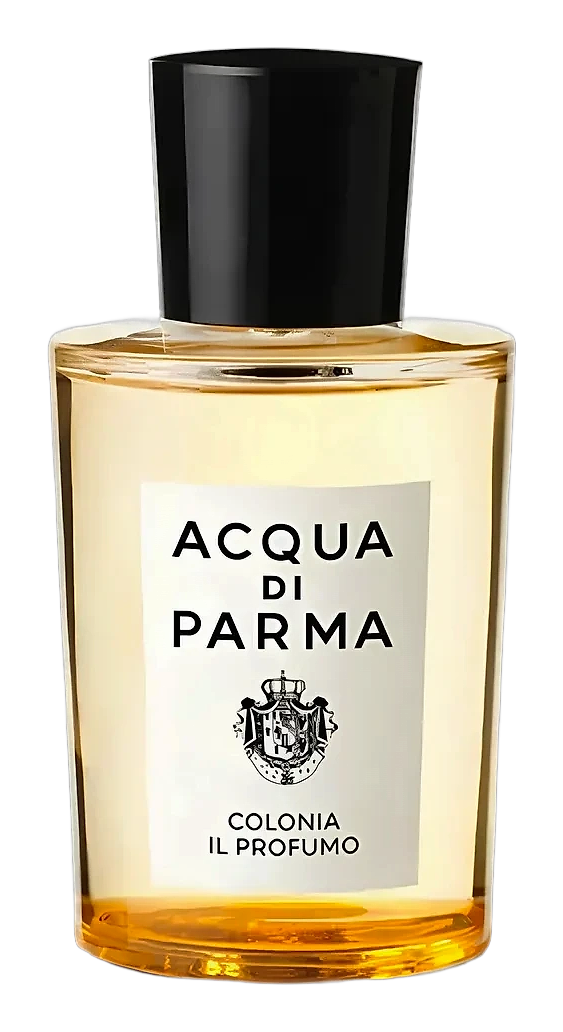
Colonia Il Profumo arrived in 2024 as a modern chapter in a story that began over a century ago. Perfumer Alexis Dadier and the Robertet house took the house's founding citrus-blend and pushed it somewhere deeper. Where the original Colonia stayed bright and ephemeral, this edition adds orange leaf absolute and ylang-ylang to the heart, materials that give the fragrance a presence it never had before. The name itself is a statement: this is the serious expression, the one that earns the title. Not a reinvention. An intensification of everything the house already knew how to do.
The introduction of ylang-ylang is the telling move. It's a material associated with tropical warmth, with ripe sweetness, not the kind of thing that usually belongs in an Italian citrus. But here it threads between the green herbs and the woody base, adding a soft, enveloping quality that makes the drydown feel like something worth waiting for. Patchouli and vetiver anchor the whole composition, bringing an earthy warmth that the original Colonia only hinted at. The result is a fragrance that carries the house's DNA but has clearly grown up, same family, different chapter.
The evolution
The opening arrives immediately: blood orange, grapefruit, bergamot, petitgrain hitting at once with the kind of crisp clarity that makes you straighten up. It doesn't ease in. The citrus is bright and insistent, almost fizzy, with a green-bitter edge from the petitgrain that keeps it from reading as sweet. Thirty minutes in, the orange leaf absolute takes over, a darker, more textured green than the opening suggested, with rosemary threading through and the ylang-ylang slowly unfurling underneath. By the time the drydown arrives, hours have passed and the vetiver-patchouli combination settles in: earthy, warm, slightly smoky. The citrus never fully disappears. It haunts the base like a memory of the morning. On fabric, the staying power is notable, this one will be there the next day.
Cultural impact
Colonia Il Profumo occupies a particular space in the current landscape of Italian citrus: sophisticated, refined, and unapologetically mature. It appeals to someone who has moved past the need to prove anything and wants a fragrance that reflects that rather than compensates for it. In a market flooded with loud openings and forgettable drydowns, the staying power of the woody base and the clarity of the citrus give this edition a quiet authority that stands apart.