The Story
Why it exists.
The beginning
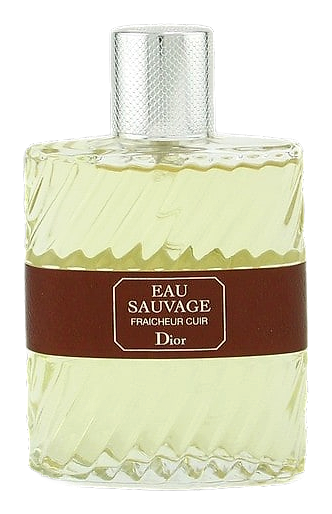
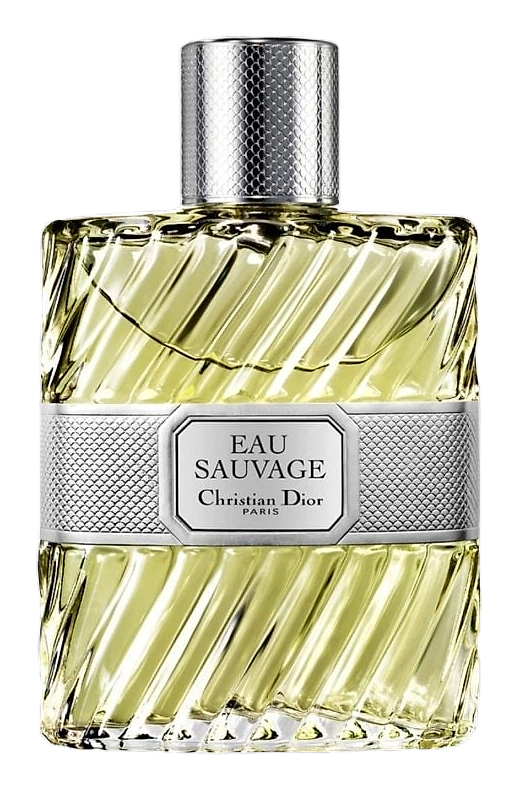
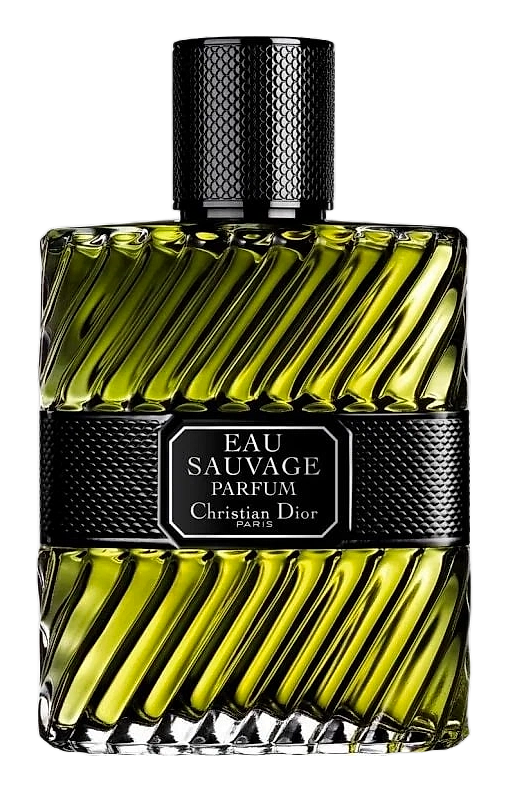
Edmond Roudnitska had already built something timeless with the original Eau Sauvage in 1966. By 1984, he wanted to push further. The brief was simple: take the original accord and carry it to excess. Not louder, richer. A noble woody note with enveloping accents and bold intention became the spine of the reformulation. Roudnitska called it Eau Sauvage Extrême, and he meant every syllable. This was a perfumer demonstrating that restraint and excess could share the same name.
What separates Extreme from its predecessor isn't volume, it's layering. The original lived in the air; the Extreme lives on skin. The aldehydes in the heart act as a lens, bending the jasmine and orris into something more translucent than they would be alone. Patchouli appears twice, once in the top, grounding the citrus from the first spray, then again in the base, connecting the opening to the drydown like a thread you didn't notice being pulled. It's a structural decision most modern flankers skip entirely.
The evolution
The first hour belongs to the citrus. Lemon cuts sharp and immediate, bergamot softens it slightly, but the basil and patchouli in the top prevent it from ever feeling like a generic fresh fragrance. There's an herbal undertone pulling against the brightness, like rosemary crushed between fingers in a sunlit kitchen. By hour two, the aldehydes arrive. They're waxy, almost powdery, lifting the jasmine and orris into the foreground. The cedar and oakmoss begin their slow build. Hour four or five is where this fragrance earns its name. The drydown is warm, mossy, slightly sweet from the amber, close to the skin but unmistakable. On fabric, it can carry to eight hours. On skin, six to eight is the honest range. The next morning, faint cedar remains.
Cultural impact
Eau Sauvage Extrême occupies an unusual position: it's a classic fragrance that never became a cultural phenomenon, which means the people who know it tend to know it deeply. Roudnitska's earlier Hedione breakthrough in the original Eau Sauvage changed what jasmine could do in perfumery, that ingredient history gives the Extreme a kind of quiet authority. It attracts wearers who find modern masculine fragrances too linear and want something with actual structure.
The House
DiorChristian Dior launched his first fragrance, Miss Dior, the same year he showed the revolutionary New Look in 1947. The house has since built one of the most comprehensive luxury fragrance portfolios in existence, from the masculine reinvention of Sauvage to the couture exclusivity of La Collection Privée. Under perfumer François Demachy, Dior balances mainstream appeal with genuine artistry.
The Creator
Edmond RoudnitskaRoudnitska's great gift was solving problems nature presented but refused to solve herself. The lily-of-the-valley cannot be extracted; he built Diorissimo from scratch using hydroxycitronellal and allied chemicals, achieving something so convincing that generations of perfume…