The Story
Why it exists.
The beginning
Yves Saint Laurent launched Opium in 1977 as a statement, and the 1995 men's version continued that tradition of olfactory provocation. The brand, founded in 1961, had built its fragrance identity on compositions that refused to play by established rules. When perfumer Jacques Cavallier-Bellgat created the men's flank, he faced a challenge: how to honor the original's notoriety while creating something that stood on its own. His answer was an opening that demanded attention rather than requesting it. Blackcurrant and star anise were not conventional men's notes in 1995, but YSL had never been conventional.
The note choices in Opium Pour Homme reflect a specific philosophy: contrast as structure. Blackcurrant's tartness against star anise's sharpness. Galangal's warmth against black pepper's bite. Bourbon vanilla's sweetness against tolu balsam's resinous depth. Cedarwood exists to remind you that beneath all this complexity, there is still wood, still something solid. The pairing rationale is deliberate. Each phase contains notes that should clash but instead create tension that sustains the wearer through hours of evolution.
The evolution
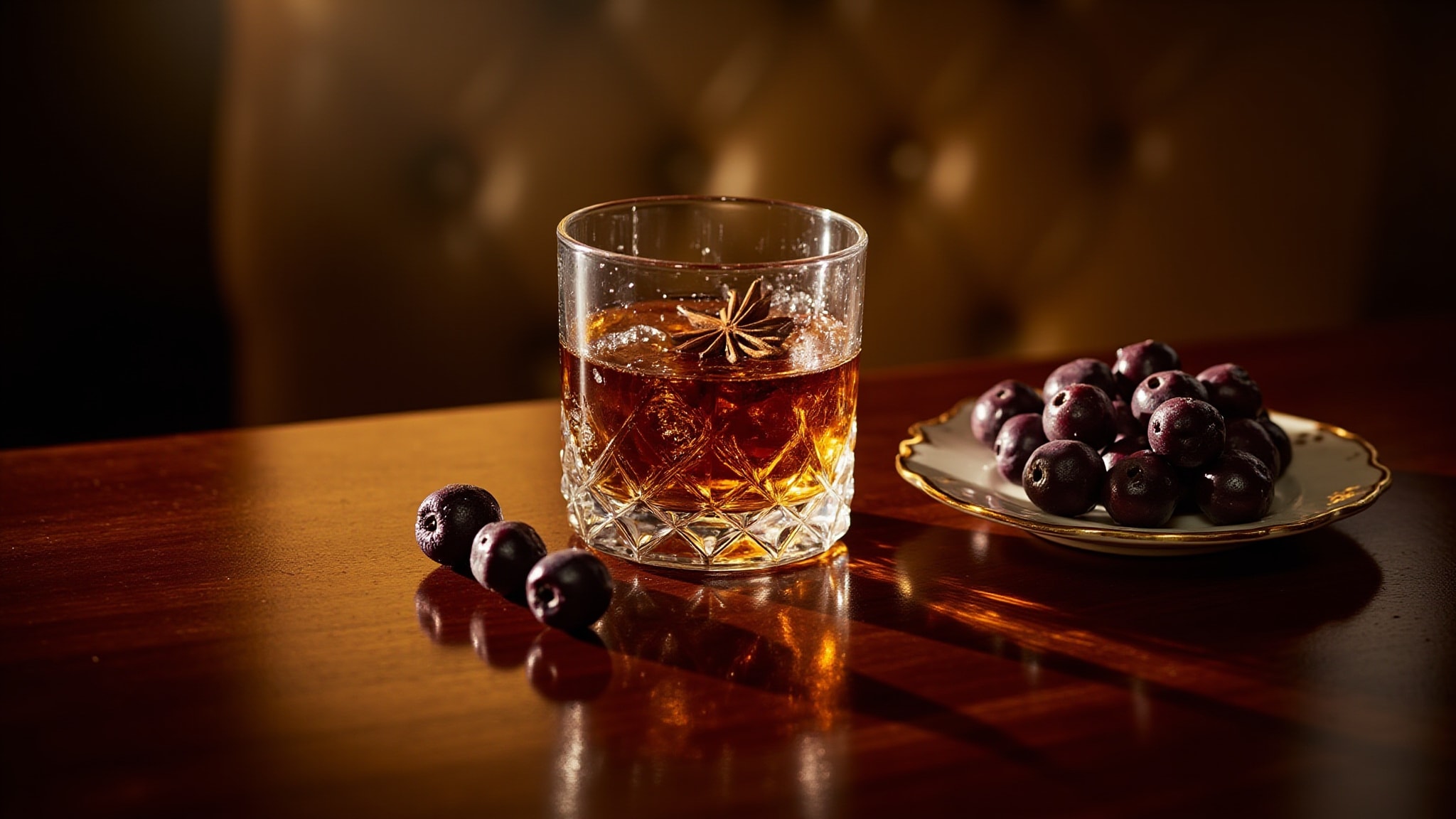
The fragrance moves through distinct phases that feel almost narrative. Blackcurrant and star anise open the story with a tart-sharp combination that announces presence immediately. There is no politeness here, no easing in. The heart phase introduces galangal and black pepper, and the shift is dramatic. The sweetness of blackcurrant is replaced by warmth, by spice, by something that feels both exotic and grounded. Galangal, a rhizome cousin to ginger, brings an aromatic complexity that black pepper amplifies into something almost confrontational. The drydown softens the narrative. Bourbon vanilla arrives with creamy warmth, tolu balsam adds resinous depth, and cedarwood provides the final anchor. The story ends quietly, but it takes its time getting there.
Cultural impact
Opium Pour Homme arrived in 1995 with a different agenda. The star anise and blackcurrant opening reads as a deliberate statement: an aromatic sharpness paired with bright fruitiness. The anise carries that almost medicinal intensity, the kind of note that doesn't try to please everyone. Blackcurrant brings a tart brightness that cuts through, adding dimension without making the whole composition feel sweet. The combination creates something memorable, the kind of pairing that doesn't announce itself quietly or try to be everything to everyone. This is a fragrance with a point of view. It has confidence in what it is.