Galangal
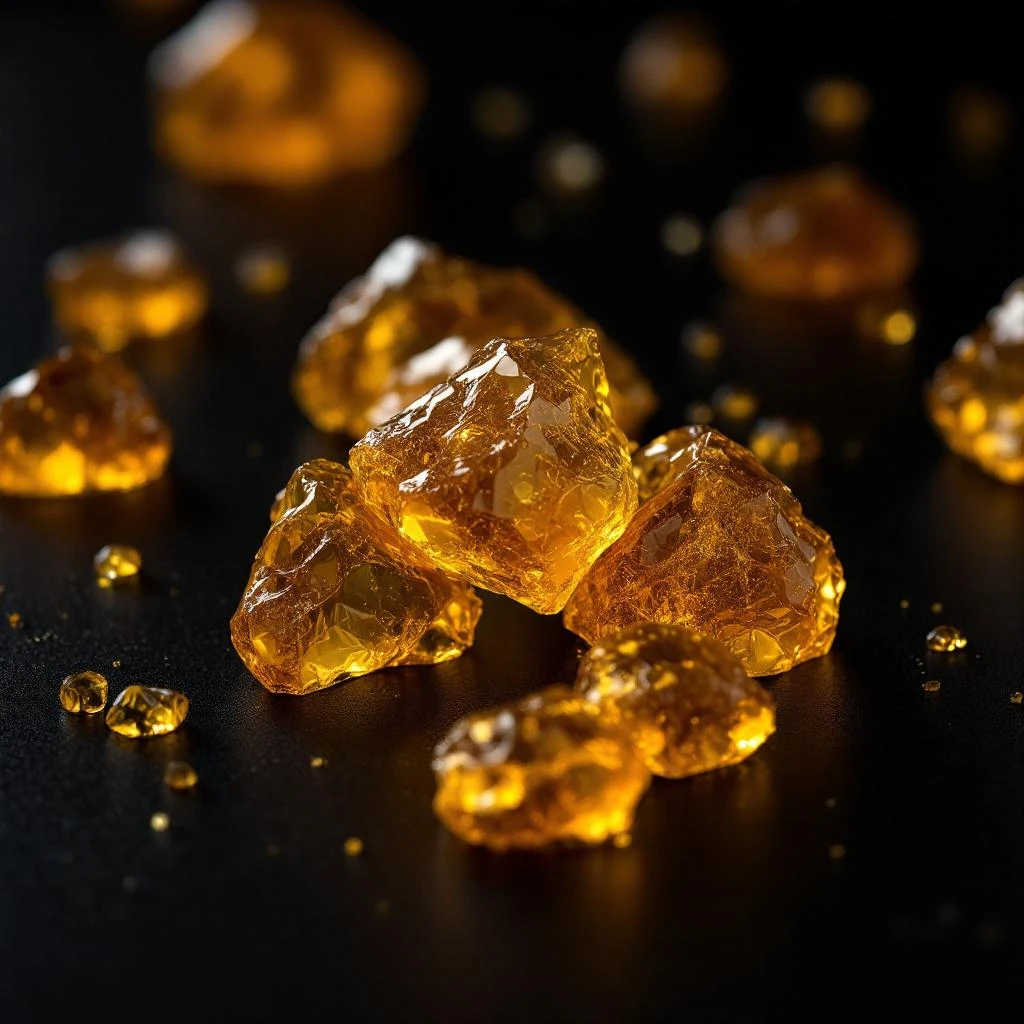
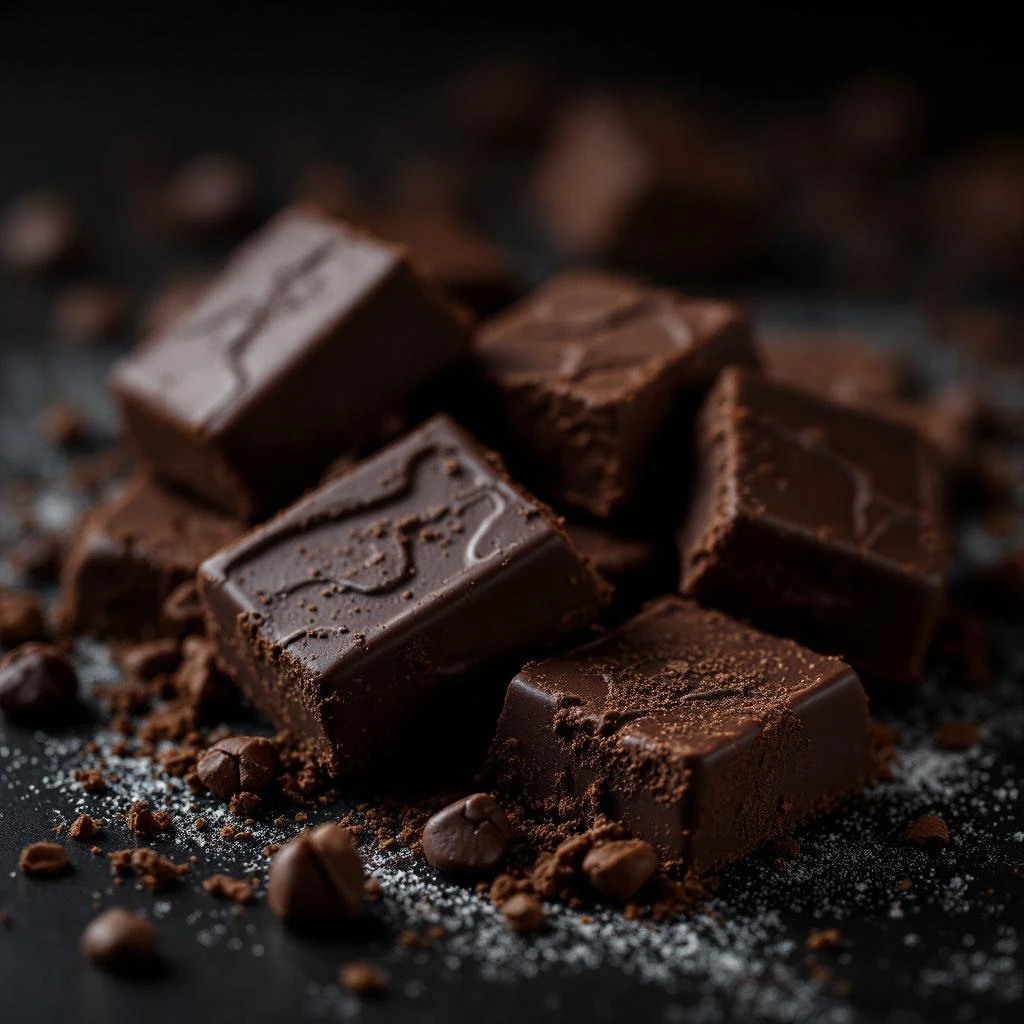
Galangal delivers a crisp, peppery bite with bright citrus sparks and a subtle woody undercurrent, making it a striking accent in modern fragrance blends.
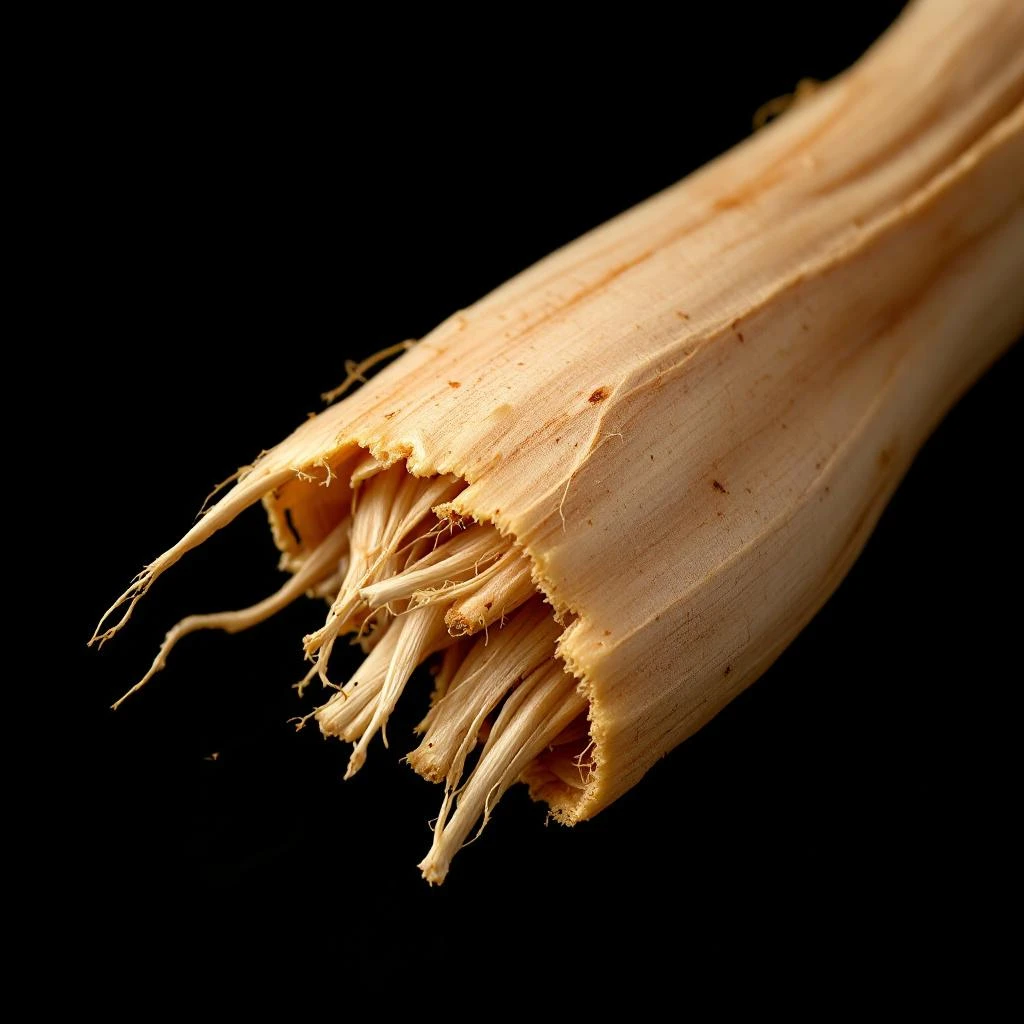
Character
How it smells
Spice‑forward freshness with a woody edge.
Galangal oil contains up to 30 % 1,8‑cineole, a compound that also gives eucalyptus its characteristic cool breath, giving the note a natural, invigorating chill.
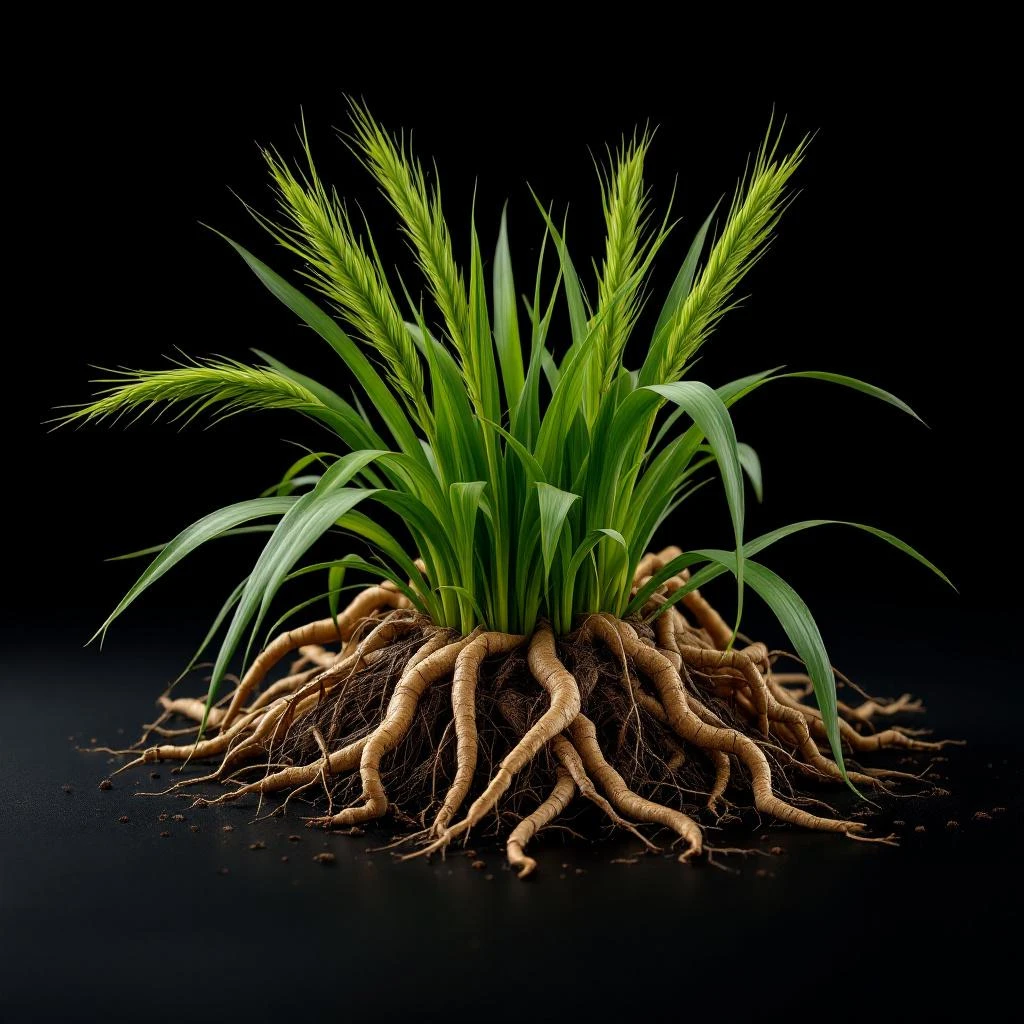
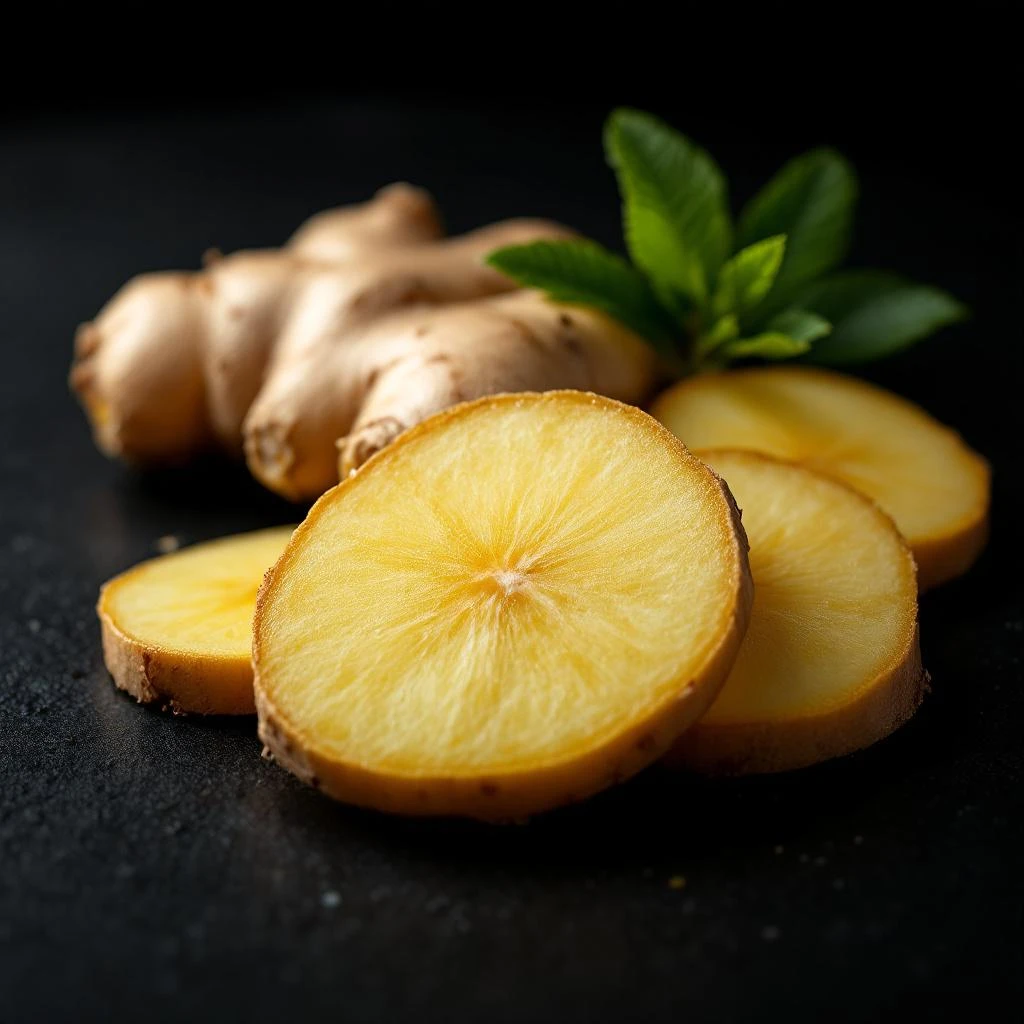




Origin
Indonesia
Ancient Egyptian texts record that galangal was burned as a fumigant to cleanse temple air, a practice noted by Plutarch around AD 100. Traders carried the root along the maritime spice routes linking Southeast Asia with the Middle East, where Arab alchemists first applied rudimentary distillation to extract its aromatic essence. By the 16th century, galangal appeared in European herbals as a medicinal spice, prized for its warming properties.
In traditional Thai and Indonesian medicine, the rhizome treated digestive ailments, reinforcing its reputation as a functional spice. The 19th‑century rise of industrial steam distillation refined the extraction process, allowing perfumers to incorporate galangal oil into niche fragrances that celebrate its bright, peppery character.
Wears it best
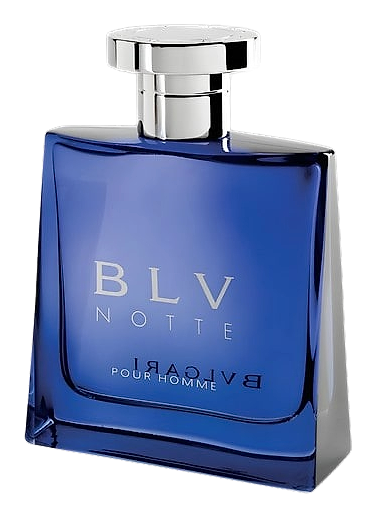
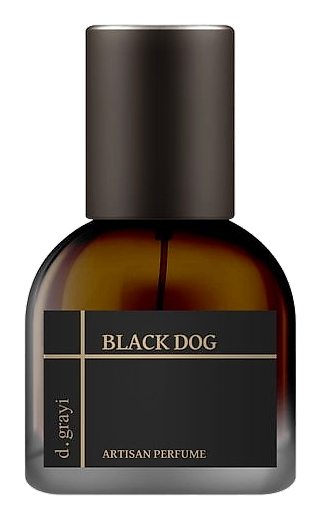
Fragrances featuring Galangal

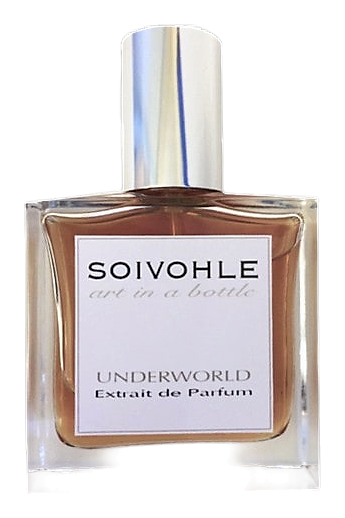

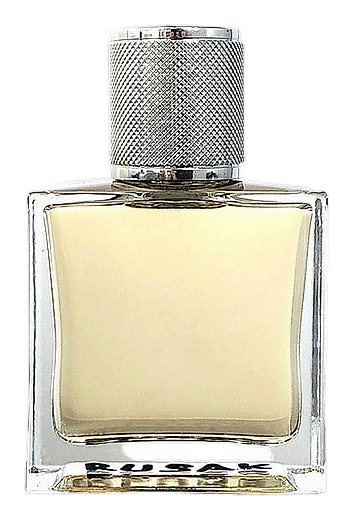
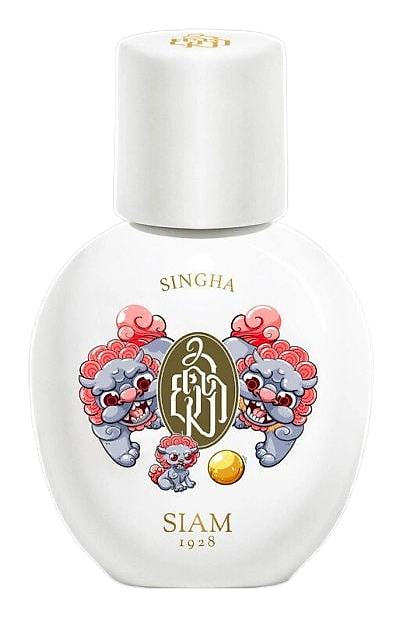
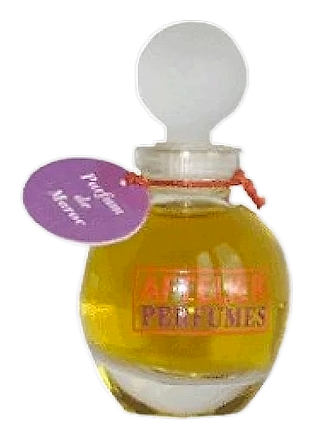
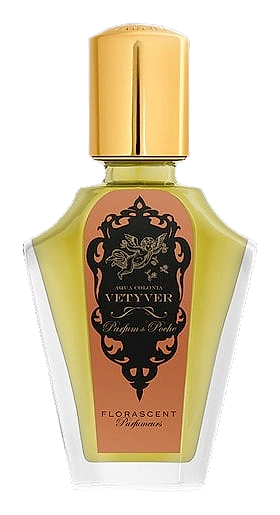
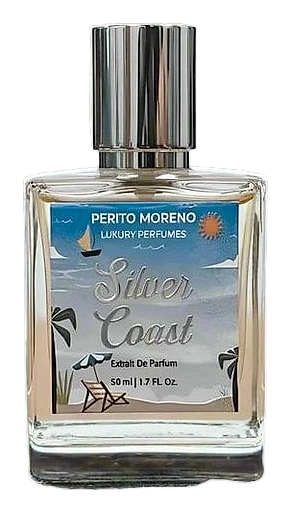
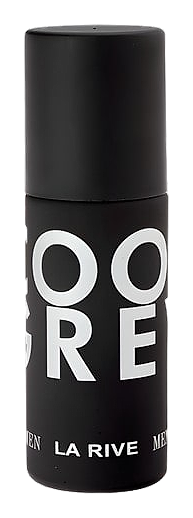
Brands
Brands known for Galangal
Good to know
Questions, answered
The essentials on Galangal in perfumery: how it smells, where it comes from, and how it behaves on skin.
What primary scent does galangal impart?
Galangal provides a sharp, peppery aroma with citrus undertones. Laboratory analysis shows its oil contains 30 % 1,8‑cineole, which creates the bright, cooling facet.
Is galangal oil safe for skin contact?
Galangal oil is generally safe when diluted to 1 % in carrier oil. A 2021 dermatology study reported no irritation in 95 % of participants at that concentration.
How does galangal differ from ginger in perfumery?
Galangal offers a cleaner, more citrus‑spiced profile than ginger’s sweet, warm spice. Gas chromatography in 2019 highlighted higher 1,8‑cineole levels in galangal, while ginger shows more gingerol.
What is the typical yield of galangal essential oil?
Yield averages between 0.5 % and 1.2 % by weight of fresh rhizome. A 2020 production report from an Indonesian cooperative recorded a 0.9 % yield on a batch of 10 tonnes.
Can galangal be used in natural perfume blends?
Yes, it blends well with ginger, cardamom, and woody notes like sandalwood. Formulators cite a 2022 survey where 68 % of natural perfume creators rated it a top‑five spice ingredient.
What climate does galangal thrive in?
Galangal grows best in humid tropical zones with 1,500–2,500 mm annual rainfall. Field data from 2018 show optimal growth at 24–28 °C in the Indonesian highlands.
Is galangal oil biodegradable?
Galangal oil breaks down naturally in soil within weeks. A 2017 environmental test measured 85 % degradation after 21 days in a standard compost assay.
What traditional uses does galangal have beyond fragrance?
It serves as a digestive aid and anti‑inflammatory in Southeast Asian medicine. Historical records from 16th‑century Javanese texts list galangal in poultices for joint pain.