Bourbon Vanilla
Bourbon vanilla anchors countless perfumes with its creamy, warm embrace. Discover how a volcanic island and a 12-year-old boy's discovery shaped the world's most beloved fragrance note.
Character
How it smells
One boy's discovery. A fragrance legend.
A 12-year-old boy named Edmond Albius invented the hand pollination technique still used today for vanilla cultivation. Without his discovery, there would be almost no vanilla in the world.







Origin
Madagascar
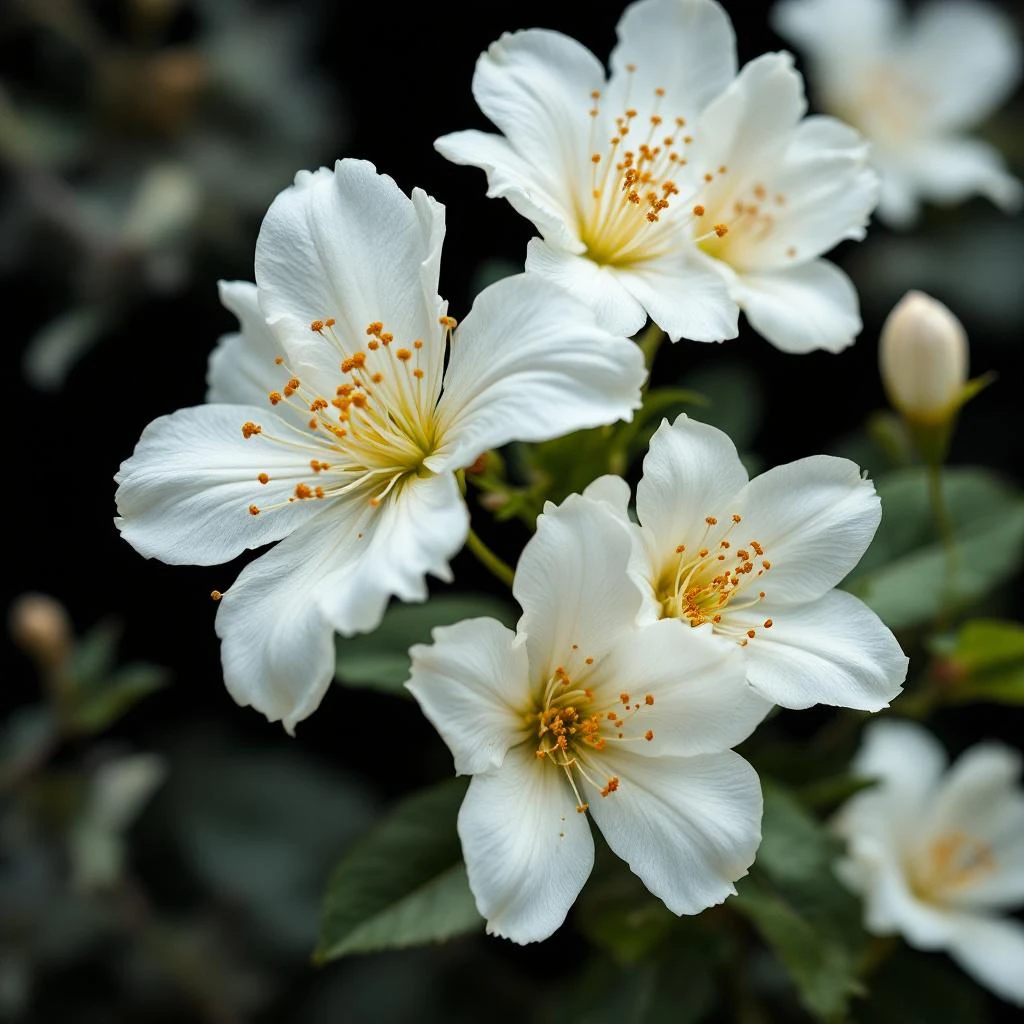
In 1841, on the volcanic island of Réunion (then called Île Bourbon), a 12-year-old boy named Edmond Albius made a discovery that would reshape global perfumery. Vanilla orchids native to Mexico could not fertilize themselves and relied on specific native bees absent from other regions. Albius developed a simple hand-pollination technique that allowed vanilla to flourish wherever the climate permitted.
The vanilla from Réunion and later Madagascar became known as Bourbon vanilla, named after the island's colonial designation. When Réunion's agricultural focus shifted, cultivation expanded eastward to Madagascar, which now produces approximately 80% of the world's vanilla supply.
For perfumers, Bourbon vanilla represents something essential: its deep, warm character and fixative properties make it invaluable in oriental and gourmand compositions. The note adds body and roundness to blends, softening sharper accords while contributing the creamy sweetness that has made it a beloved anchor in fine fragrance for generations.
Wears it best
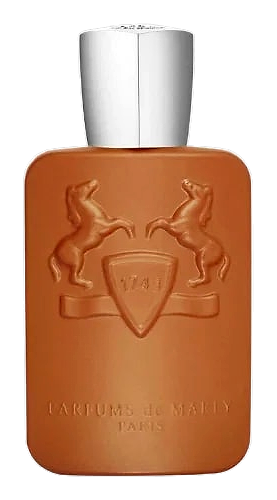
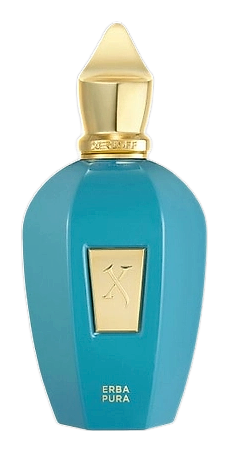
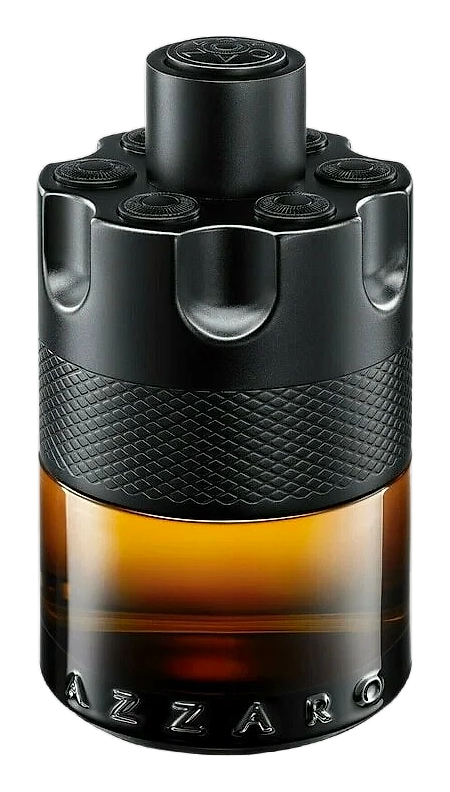
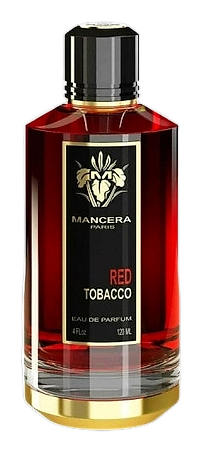
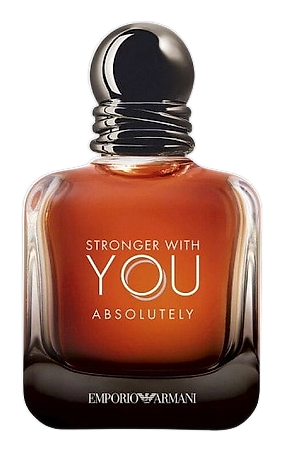
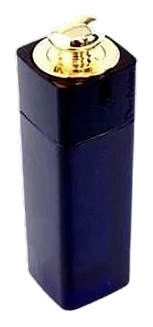
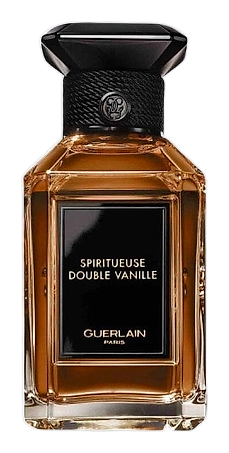
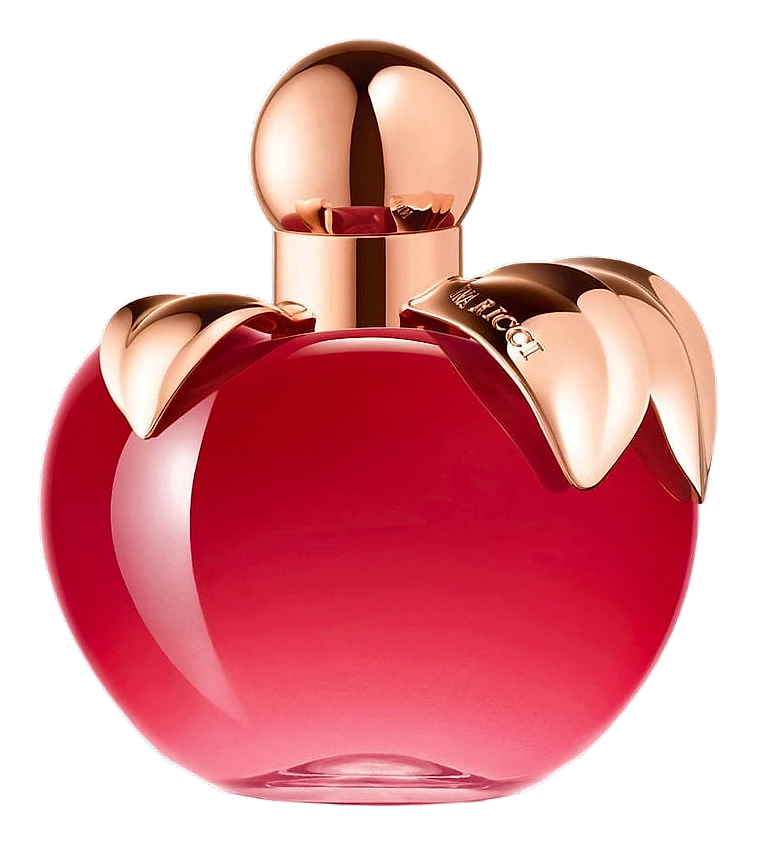
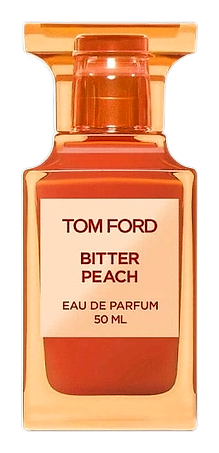
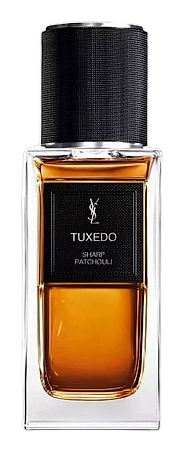
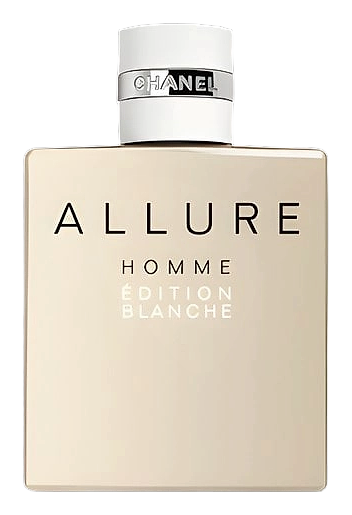
Fragrances featuring Bourbon Vanilla

Brands
Brands known for Bourbon Vanilla
Good to know
Questions, answered
The essentials on Bourbon Vanilla in perfumery: how it smells, where it comes from, and how it behaves on skin.
What makes Bourbon vanilla different from other vanilla varieties?
Bourbon vanilla refers specifically to Vanilla planifolia grown on Bourbon Islands (Madagascar, Réunion, Comoros). These volcanic island origins create distinct terroir characteristics. Madagascar Bourbon vanilla dominates 80% of global production and produces some of the most prized aromatic profiles in perfumery.
How is vanilla extracted for perfumery use?
Perfumers use volatile solvent extraction to produce vanilla absolute. The process dissolves cured vanilla beans in a solvent, creating a concrete that yields an aromatic absolute upon purification. This method captures the full range of vanilla's sweet, creamy aromatic compounds more completely than simple alcohol extraction.
Why does vanilla cultivation require human intervention?
Vanilla orchids cannot self-pollinate. In Mexico, native bees performed pollination, but elsewhere flowers must be hand-pollinated by trained workers. Edmond Albius developed this technique on Réunion in 1841. Without manual pollination, vanilla pods simply will not form.
What does Bourbon vanilla smell like in a perfume?
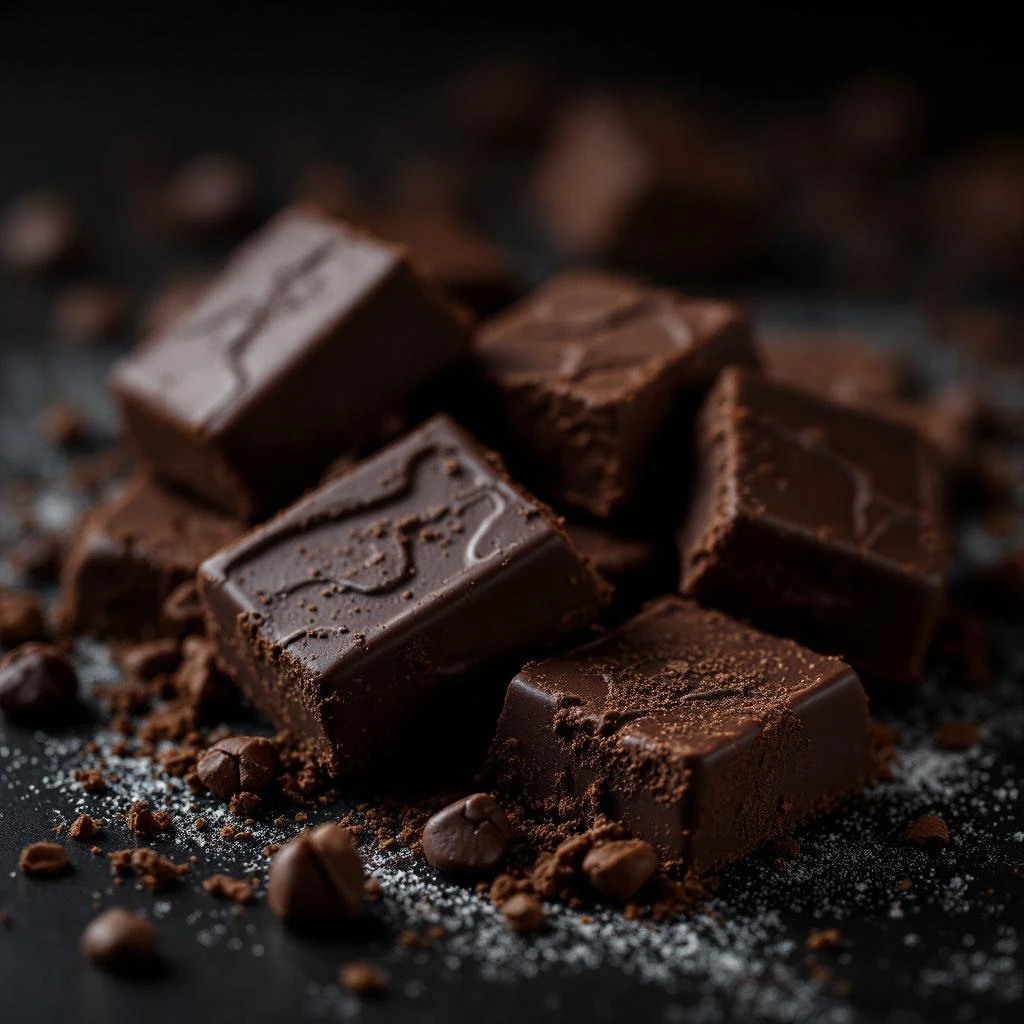
Bourbon vanilla registers as rich, creamy, and warm with sweet undertones reminiscent of baked goods. It carries subtle woody and tobacco-like dry notes that emerge in the base of compositions. The quality varies significantly by origin and curing technique, with volcanic island beans often showing enhanced depth.
How long does vanilla take from planting to harvest?
Vanilla plants require three to four years before producing their first flowers. After successful pollination, pods need eight to nine months to mature. Following harvest, curing extends the timeline by months, making vanilla one of the most labor-intensive pod crops in existence.
Whatfragrance families pair best with Bourbon vanilla?
Bourbon vanilla appears predominantly in oriental and gourmand compositions. It harmonizes well with resinous materials like benzoin and labdanum, creamy elements such as sandalwood, and sweet companions including tonka and benzoin. It also grounds spicier accords and softens sharper synthetic notes.
Is Bourbon vanilla a sustainable ingredient?
Vanilla faces ongoing supply challenges due to its labor-intensive production and long cultivation timeline. Weather events and market volatility have disrupted supplies repeatedly. Sustainable sourcing requires traceability programs that support farming communities and ensure proper curing practices that preserve quality.
What gives Bourbon vanilla its characteristic aroma compounds?
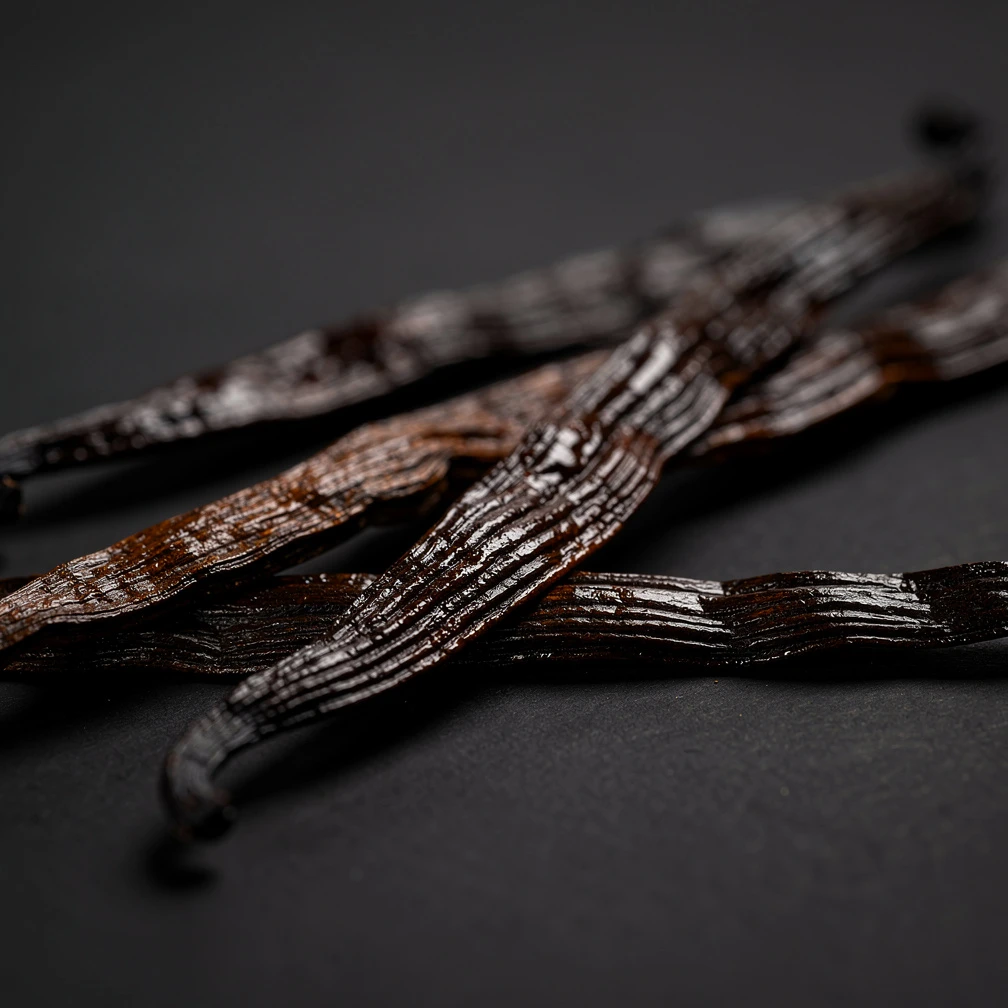
Vanillin, the primary aromatic compound, develops during the curing process through enzymatic activity. The volcanic soil of Bourbon Islands influences the bean's final aromatic profile, contributing subtle mineral undertones and enhancing the vanilla's warm, complex character in ways that distinguish it from other origins.