The Story
Why it exists.
The beginning
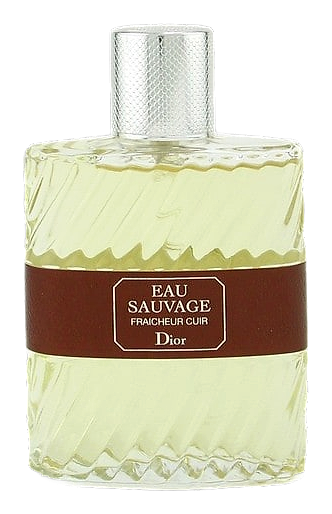
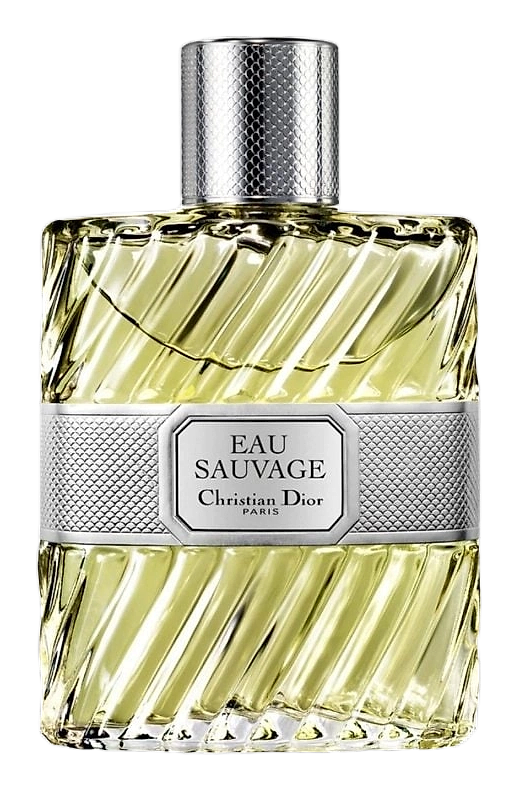
In 2015, François Demachy reached back sixty-six years. The original Eau Sauvage, launched in 1966 under François Demachy's predecessors, had become a landmark. A benchmark for masculine freshness that generations of men reached for when they wanted to smell like themselves, clean, French, and assured. Demachy understood something about that legacy: it wasn't the citrus people loved. It was the clarity. The way a great cologne could feel like morning without trying to be anything else. So when Dior asked him to reinterpret the line as Eau Sauvage Cologne, he did not dilute the formula. He reframed the problem. Instead of asking what to add, he asked what to keep, and built a cologne around the most elegant citrus pyramid he could source. Calabrian bergamot for brightness. Grapefruit for tension. Mandarin for warmth. Then let the heart and base earn their space.
What separates this from a standard citrus cologne is the hedione and galbanum in the heart. Hedione, also known as methyl dihydrojasmonate, does not smell like any single thing. It smells like air. Specifically, the air around jasmine blossoms in full sun, a bright clarity that amplifies everything around it. Galbanum adds a green, slightly resinous note that most perfumers use as a background character. Here, Demachy pushes it forward enough to give the composition its own signature, a crispness that is neither aquatic nor herbal but something in between. The result is a cologne that smells expensive not because of any single note, but because of how the notes hold tension against each other.
The evolution
The first spray hits immediately. Citrus, yes, but a sharp, almost bitter citrus. The grapefruit does not sweeten the bergamot; it argues with it. Mandarin softens the conversation. Thirty seconds in, the fragrance is at its most assertive. This is not a shy opening. Around the five-minute mark, the heart arrives. Petitgrain and hedione smooth the edges. The galbanum adds a green thread that keeps the composition from becoming flat or soapy. The pink pepper is a ghost, present only as a faint warmth in the nostrils, not on the skin. This middle phase lasts two to three hours on most skin types. It is the fragrance's most complete self. Then the vetiver takes over. Dry, slightly smoky, with the mineral quality of wet earth after rain. This is the long game. The base does not announce itself. It lingers. On fabric, Eau Sauvage Cologne can still be detected the following morning, not projecting, but there. A clean, woody warmth that rewards proximity.
Cultural impact
Eau Sauvage Cologne sits in a specific and increasingly rare position: the luxury house cologne that does not try to be more than it is. In a market where fragrances routinely promise complexity and deliver projection, this one delivers exactly what its name suggests, a fresh, well-crafted cologne that smells expensive because of its restraint rather than its loudness. It has become a consistent recommendation for men who want Dior quality without the intensity of Sauvage or the darkness of Fahrenheit. The 2015 release filled a gap in the Dior masculine lineup, offering an accessible entry point into the house's fragrance world without sacrificing the craftsmanship that defines it.