The Story
Why it exists.
The beginning
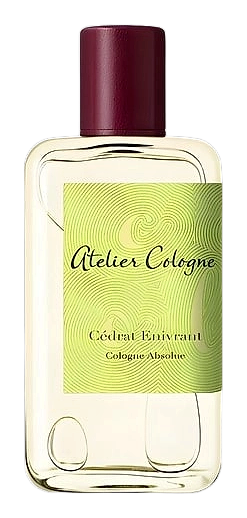
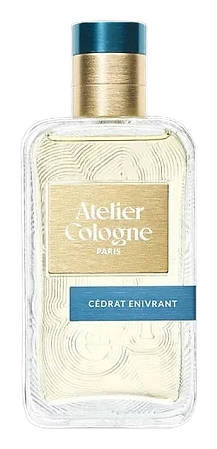
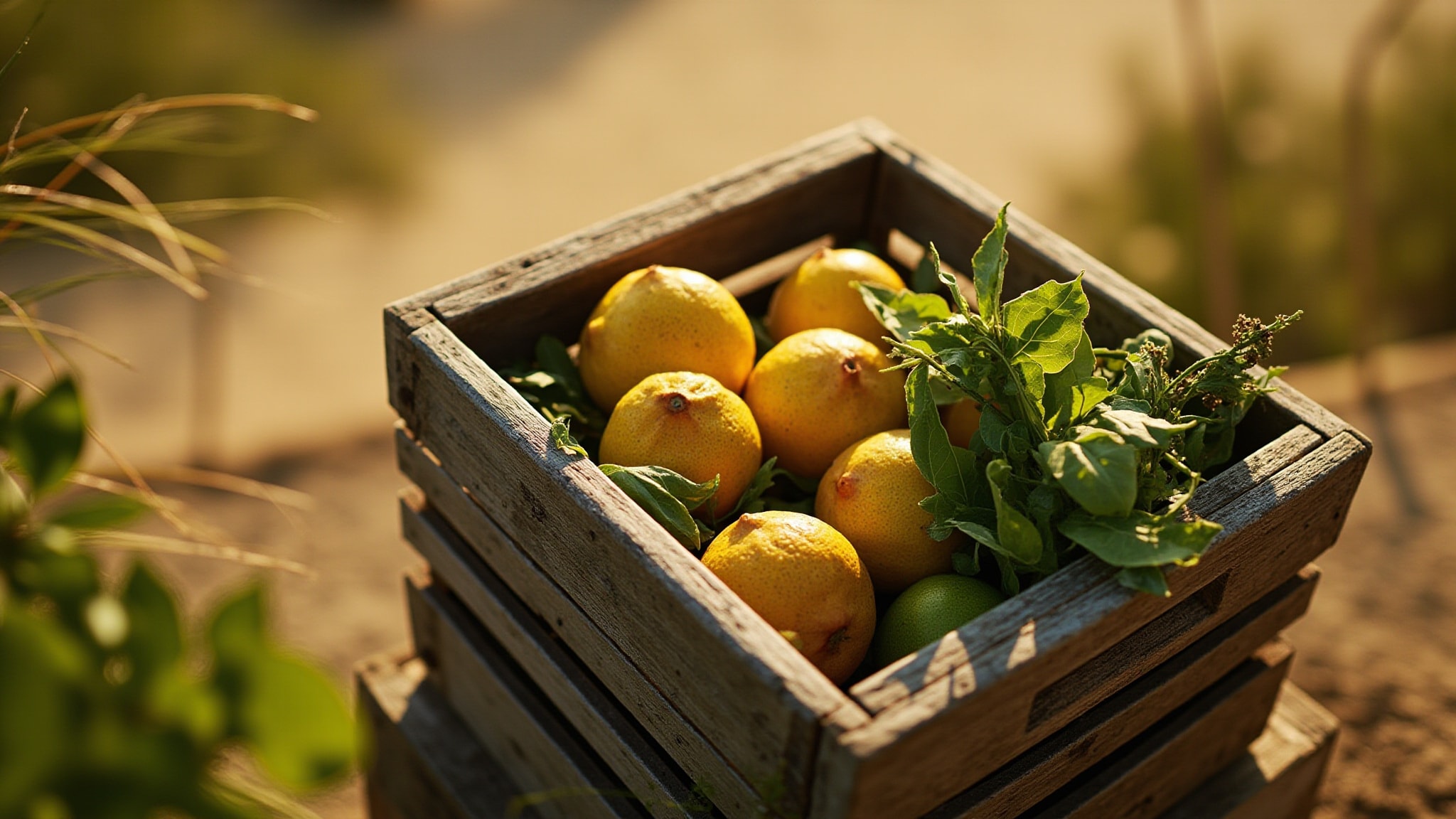
In 2013, Ralf Schwieger set out to bottle the intoxicating zest of a Mediterranean orchard at its most vital. He selected Moroccan citron, Key lime and Calabrian bergamot harvested at peak ripeness to capture sharp, sun-lit acidity that no synthetic accord could replicate. Rather than a fleeting opening, Schwieger wanted a citrus that felt essential and alive.
Schwieger's philosophy centers on capturing the essential character of each ingredient rather than decorating them. The citrus top notes were chosen specifically for their ability to evoke actual fruit rather than abstract freshness. The herbal heart serves a structural purpose, extending the fragrance's lifespan by creating a middle chapter that holds interest while the brighter opening gradually softens. The vetiver and tonka base provide longevity without overwhelming the essential citrus character, ensuring the fragrance remains true to its Mediterranean inspiration throughout its development.
The evolution
The fragrance evolves through three distinct chapters, each anchored by specific raw materials. The opening chapter belongs entirely to the citrus trio, where citron's bitter zest and Key lime's tropical brightness play against bergamot's refined citrus signature. As this initial wave subsides, the heart chapter introduces Macedonian juniper berry's piney depth alongside the herbal cool of basil and mint, creating a refreshing transition that feels like moving from orchard to garden. The final chapter belongs to the base, where vetiver provides earthy, smoky grounding and tonka bean offers warm sweetness, with Philippine elemi threading through to maintain a subtle citrus connection that prevents complete departure from the opening.
Cultural impact
Since its 2013 debut, Cédrat Enivrant has become a go‑to for those who crave a cologne‑absolue that feels both lively and sophisticated. Wearers often cite its ability to lift a morning commute while still earning compliments in evening gatherings. Compared with Atelier Cologne’s citrus classics, it stands out for the mint‑forward heart, earning a modest cult following among urban creatives who value clarity without sacrificing staying power.
The House
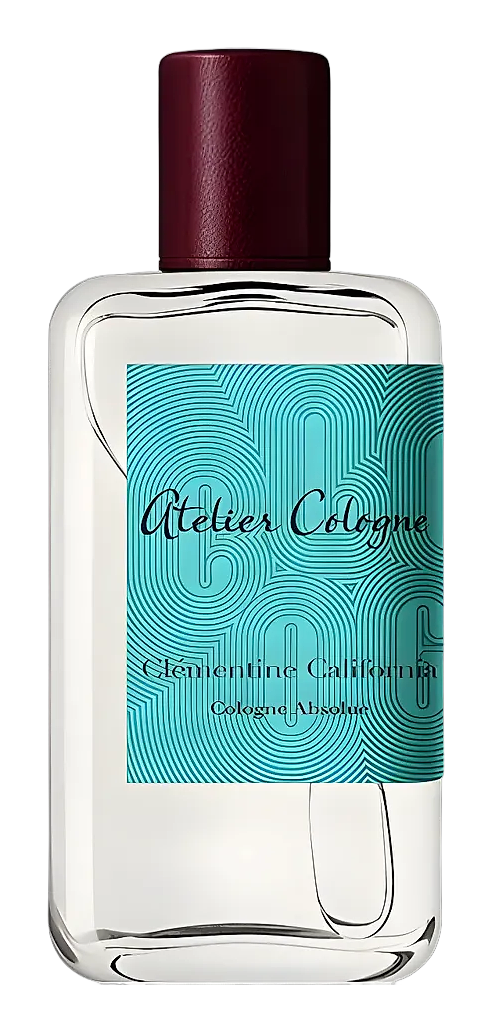
Atelier CologneAtelier Cologne transforms the centuries-old tradition of cologne into something entirely modern. Founded in 2009 by Sylvie Ganter and Christophe Cervasel, this Paris-based house creates highly concentrated citrus fragrances that challenge the old assumption that colognes lack longevity. Their signature "colognes absolues" deliver the fresh, vibrant character of traditional colognes with perfume-level staying power. Now owned by L'Oréal, the house remains true to its founding vision: scented art crafted from nature, expressed through an expansive vocabulary of citrus, florals, and woods.
The Creator
Ralf SchwiegerSchwieger's signature leans toward complexity with an airy, almost fragile quality. He gravitates toward violet-rose accords, aldehydic facets reminiscent of classic elegance, and animalic undertones that add depth without heaviness.