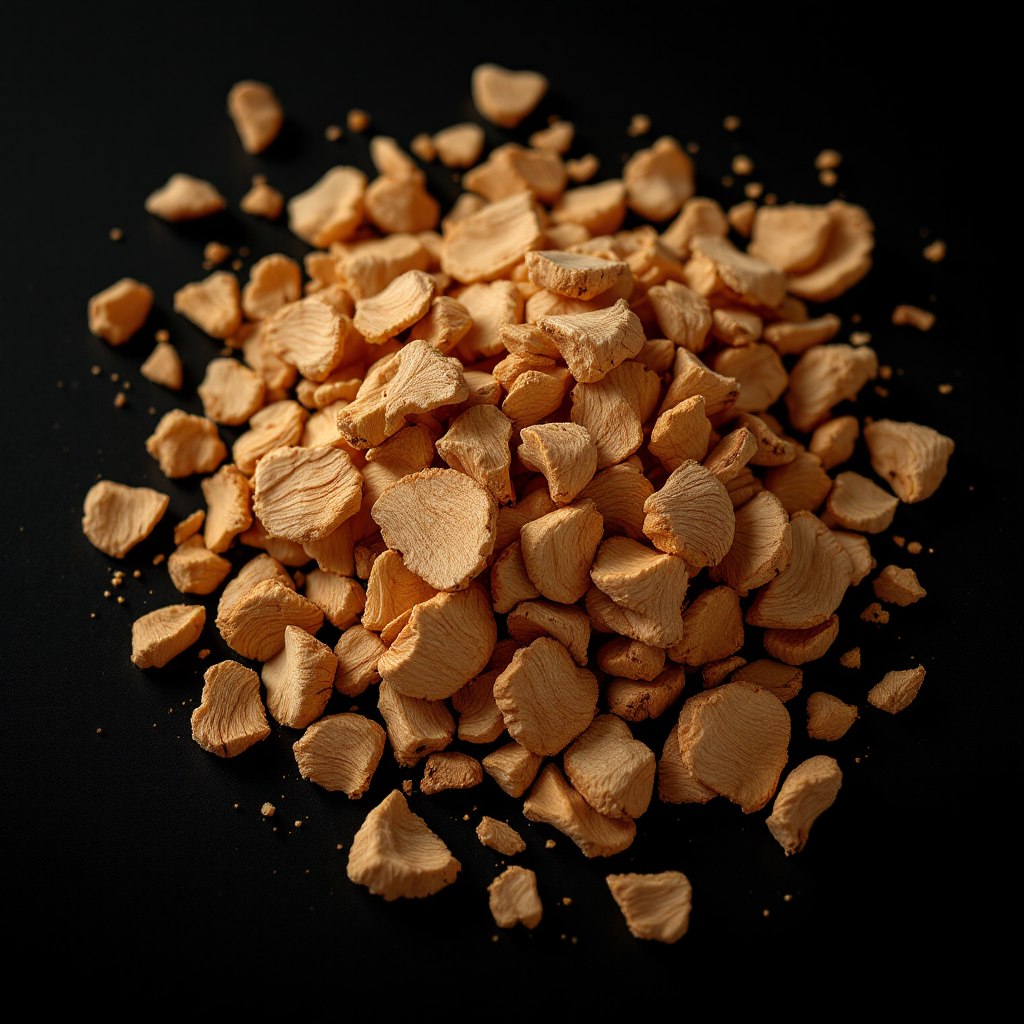
Philippine elemi
A bright, pine-green resin from the Philippine Canarium luzonicum, elemi offers a crisp citrus edge with subtle spice, delivering a clean, uplifting note that brightens modern blends.
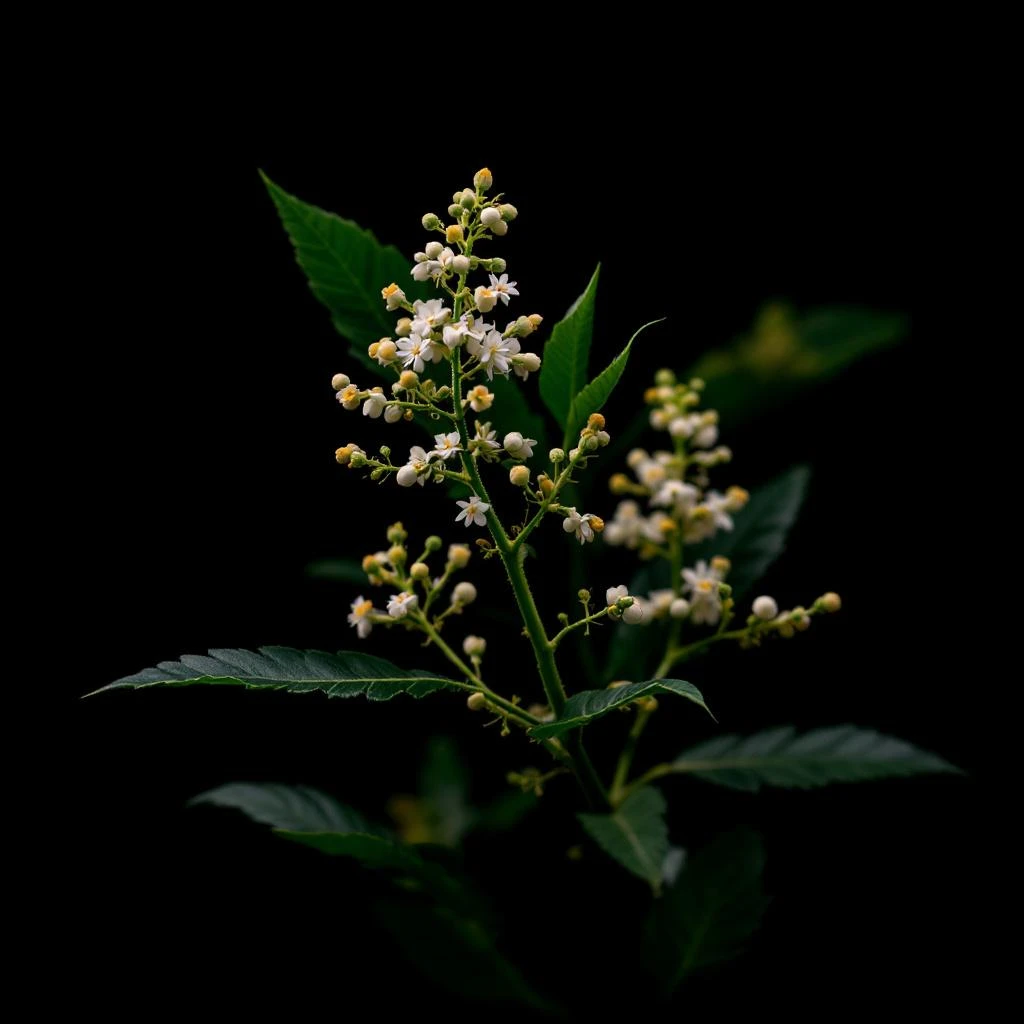
Character
How it smells
Philippine elemi: crisp citrus-green resin for fresh accords.
Elemi trees exude resin when their bark is sliced, and the sap hardens into pale yellow crystals that have been traded since the 16th century, making it one of the earliest Asian aromatics recorded by European explorers.








Origin
Philippines
Elemi entered the global scent market after Ferdinand Magellan's 1521 arrival in the Philippines, when Spanish traders first recorded the resin's fragrant properties. Early European apothecaries used elemi in balms and cough syrups, valuing its soothing vapor and bright aroma. By the 17th century, the resin traveled along the Manila-Acapulco galleon route, reaching markets in Spain and Portugal.
In the 19th century, chemists isolated its main constituents, noting a high limonene content that set it apart from other pine resins. The perfume houses of Grasse began experimenting with elemi in the early 1900s, incorporating it into light, citrus-dominant compositions that appealed to the era's fascination with freshness. During World War II, supply disruptions forced perfumers to develop synthetic analogs, but the natural resin regained popularity in the 1990s as niche brands sought authentic, region-specific ingredients.
Today, elemi remains a signature note that links modern fragrance design to a centuries-old trade route across the Pacific.
Wears it best
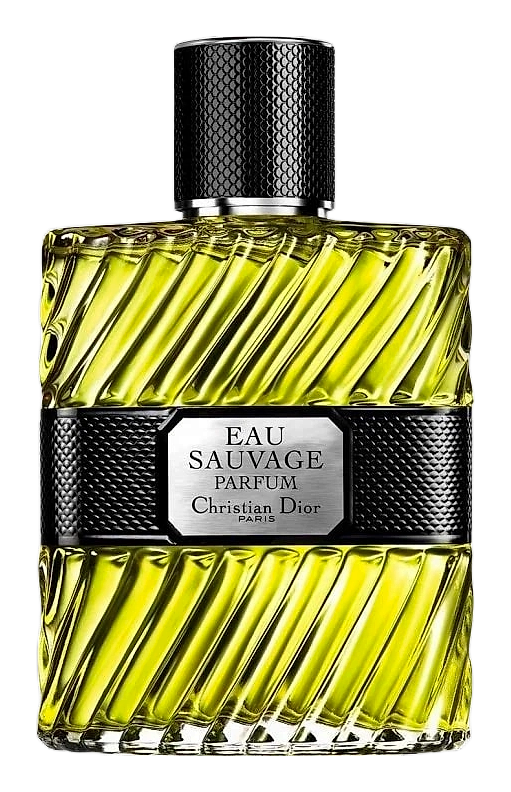
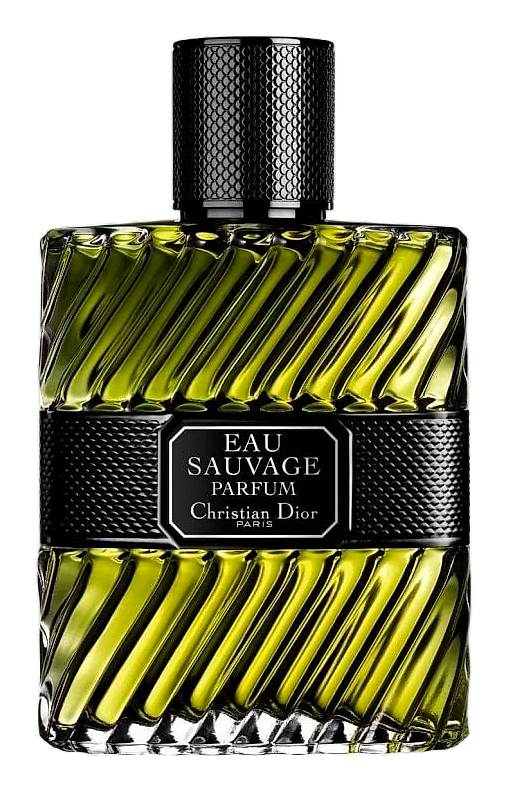
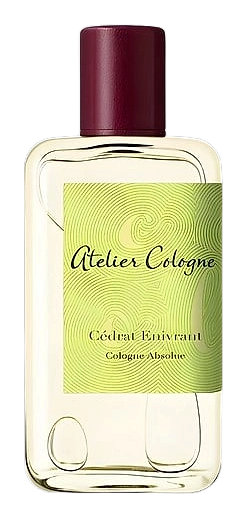
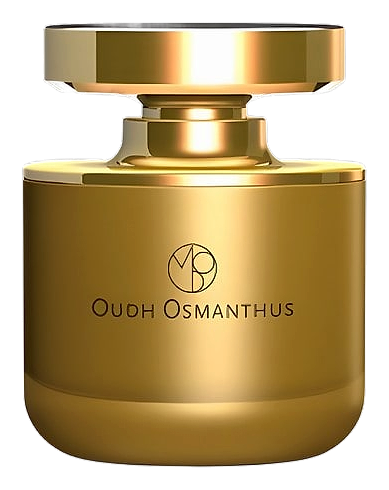
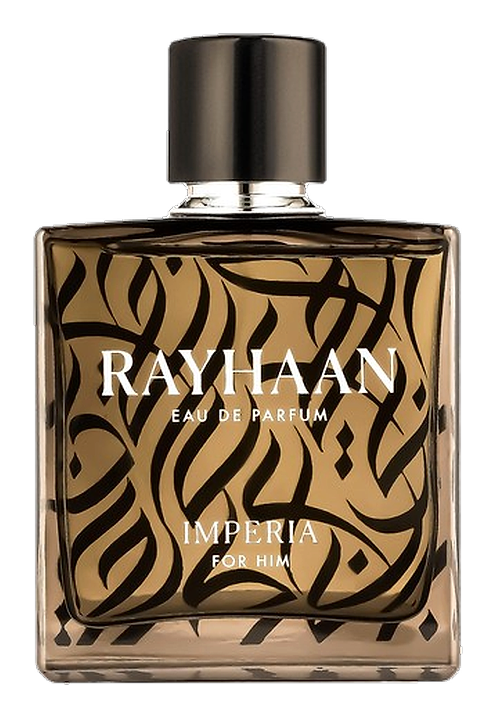
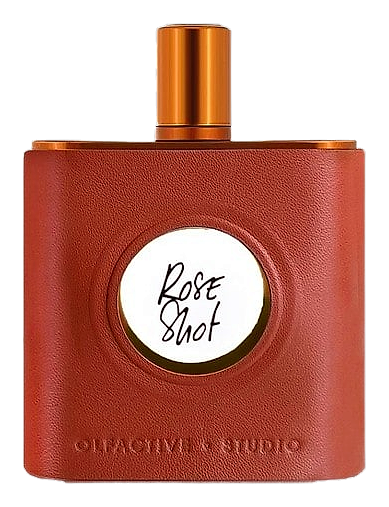
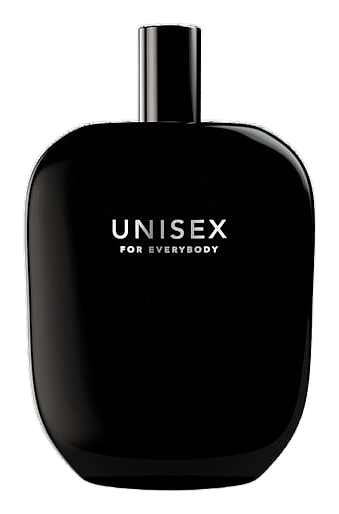
Fragrances featuring Philippine elemi
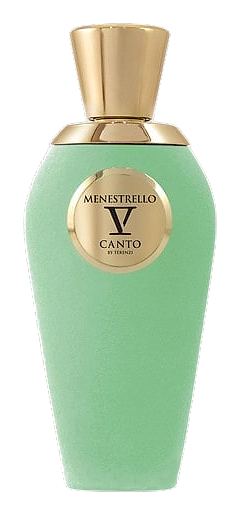
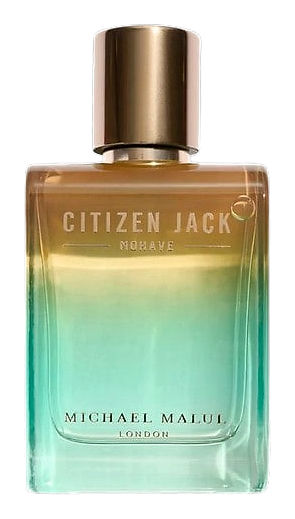
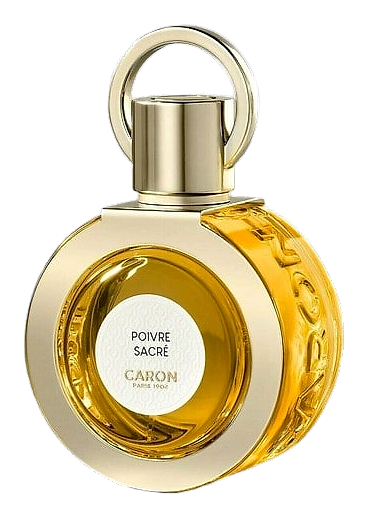
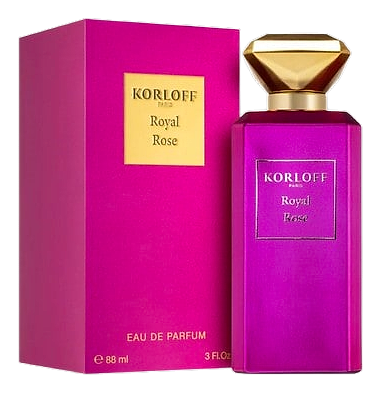
Brands
Brands known for Philippine elemi
Good to know
Questions, answered
The essentials on Philippine elemi in perfumery: how it smells, where it comes from, and how it behaves on skin.
What does Philippine elemi smell like?
Elemi smells like a bright citrus-green blend with pine and light spice. GC-MS analysis shows the oil contains about 30% limonene, 12% alpha-pinene and a trace of caryophyllene, giving it a fresh, slightly resinous character.
Is elemi natural or synthetic?
Elemi used in perfumery can be natural, derived from the tree's resin, or it can be reproduced synthetically for consistency. Natural elemi oil is obtained by steam distillation of the fresh resin, while synthetic versions mimic its limonene-rich profile.
How long does elemi last on skin?
Elemi provides a moderate to long dry-down, typically remaining noticeable for 6-8 hours after application. A 2019 skin-patch study recorded a detectable scent intensity of 0.4 µg/cm² after seven hours, confirming its persistence in base-rich formulas.
Can elemi be used in aromatherapy?
Elemi is a common aromatherapy ingredient for respiratory comfort and mental clarity. Clinical trials in 2020 showed inhalation of a 2% elemi vapor reduced perceived nasal congestion by 18% compared with placebo.
What fragrance families pair well with elemi?
Elemi blends smoothly with citrus, aromatic herbs, and light woods, enhancing bright accords while grounding them. Formulators often pair it with bergamot, rosemary, or cedar to create fresh, outdoor-inspired compositions.
Is elemi safe for sensitive skin?
Elemi is generally regarded as safe, but patch testing is advised for highly reactive individuals. The International Fragrance Association lists its skin irritation threshold at 0.5%, a level rarely exceeded in typical perfume concentrations.
How is elemi harvested sustainably?
Harvesters make shallow incisions in mature Canarium trees, allowing the resin to flow without harming the trunk, and rotate cuts across the canopy each season. The Philippine Department of Environment reports a 92% survival rate for trees tapped under this protocol.
Where does most elemi come from today?
The bulk of commercial elemi originates from the Luzon and Mindanao regions of the Philippines. In 2022, the Philippines exported 1,200 metric tons of raw resin, accounting for over 80% of global supply.