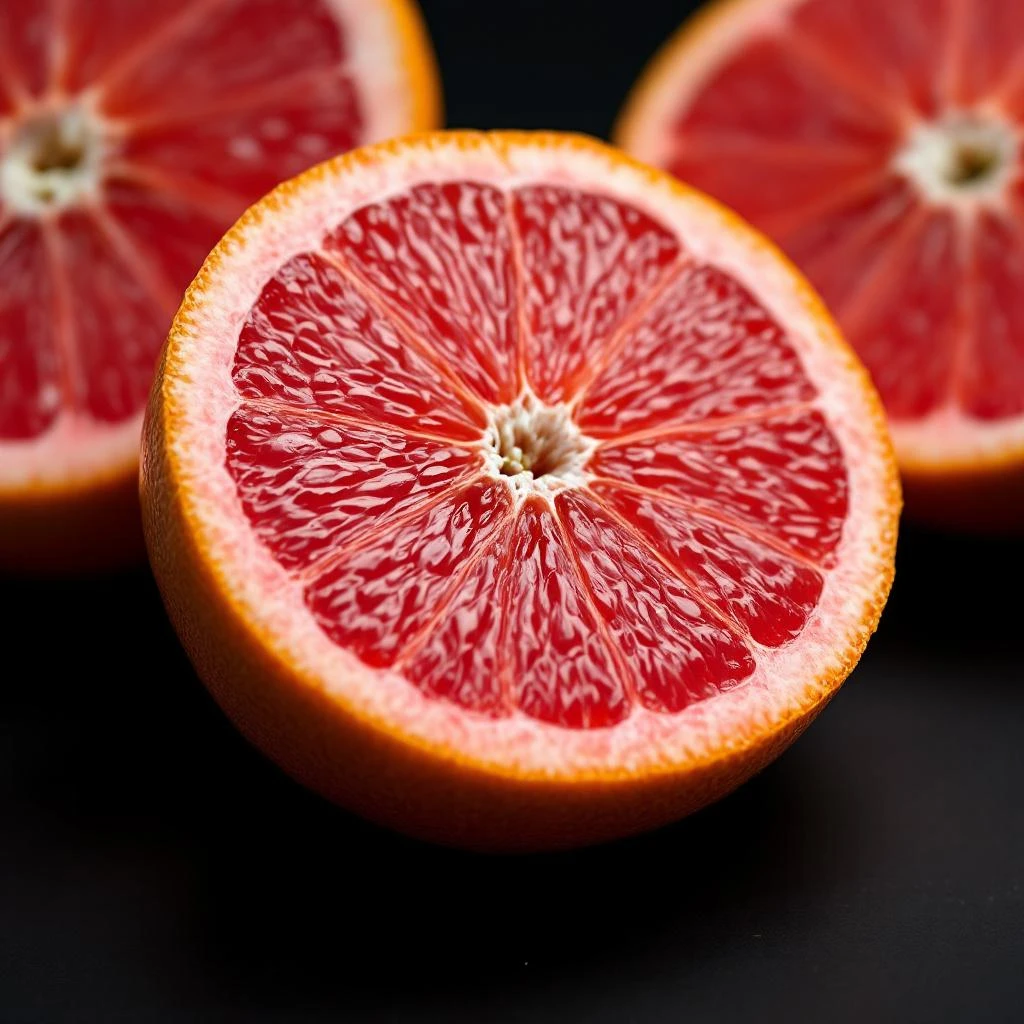
Key Lime
Key lime (Citrus aurantifolia) delivers an intensely aromatic, complex citrus character that distinguishes it from milder varieties. Native to Mesoamerica, this small, round fruit yields an essential oil prized in perfumery for its sharp, green, and authentically citrusy profile.
Character
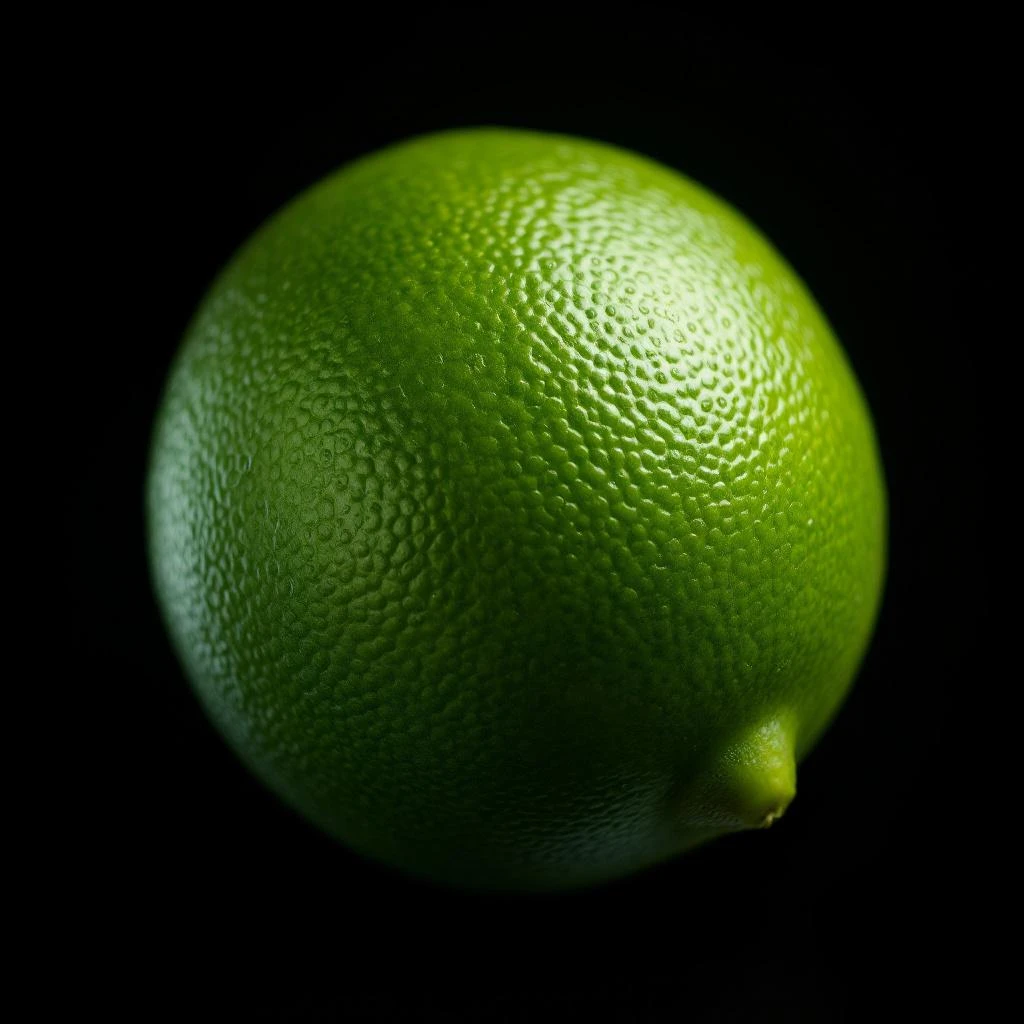
How it smells
Sharp, green, and intensely aromatic. True citrus character.
Despite its name, Key lime does not originate from the Florida Keys. The name derives from its use in Key lime pie, not its geographic roots.








Origin
Mexico
Key lime traces its origins to Mesoamerica, where indigenous peoples cultivated it centuries before European contact. Spanish and Portuguese colonizers spread the word "limon" (covering both limes and lemons), creating persistent confusion that lingers in official agricultural reports today.
French traders proved more precise, differentiating varieties as "limette" (Key lime) and "citron vert" (Persian lime). The fruit gained international fame through Key lime pie, a classic American dessert created in the Florida Keys, which cemented the variety's name in popular culture despite the fruit originating in Mexico and the West Indies rather than Florida.
Wears it best
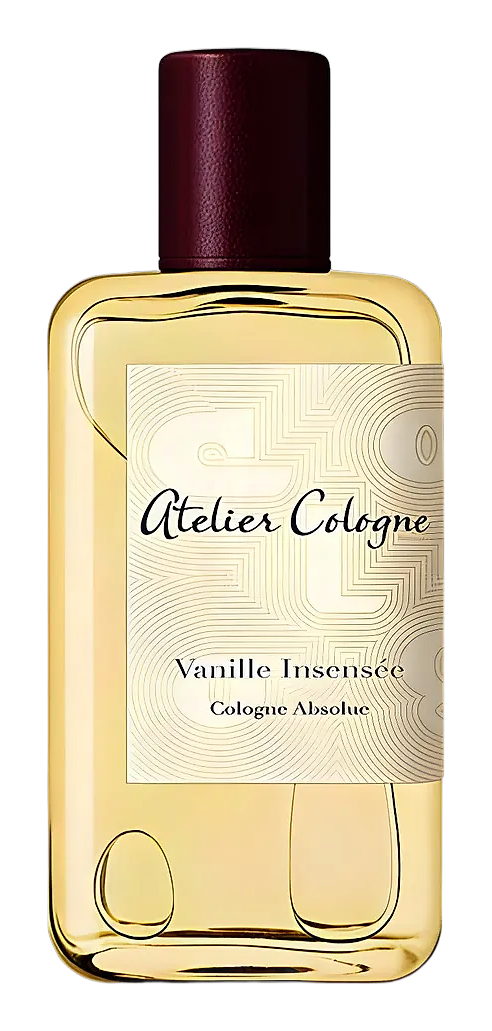
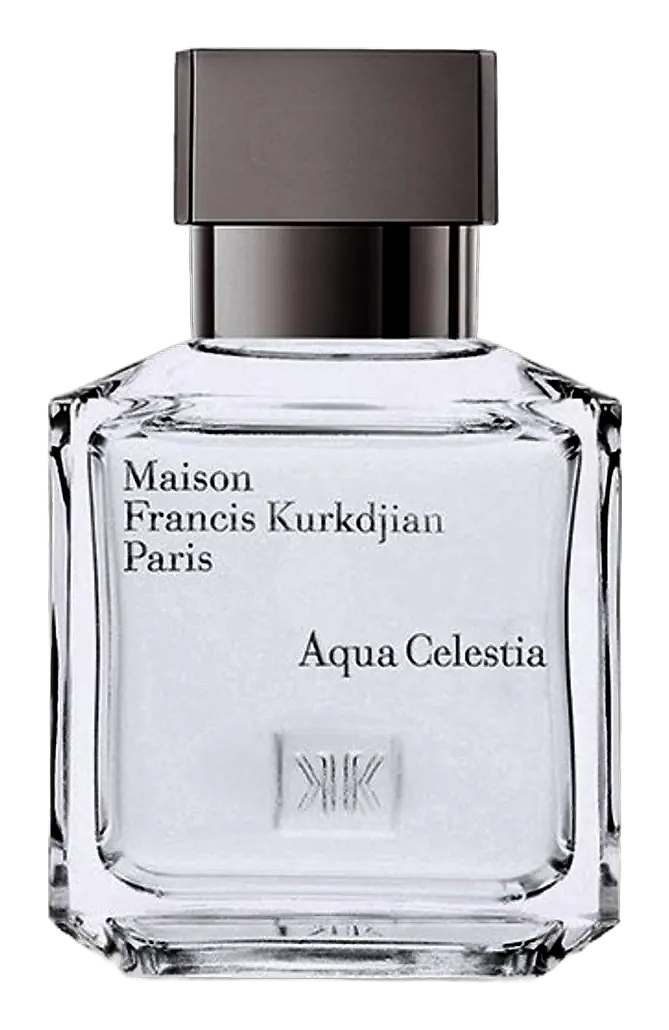
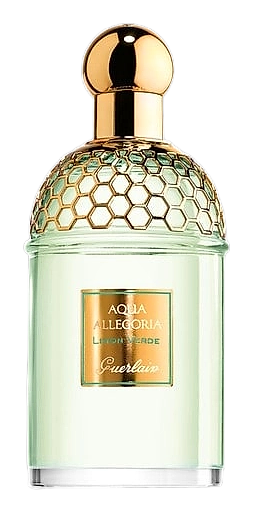
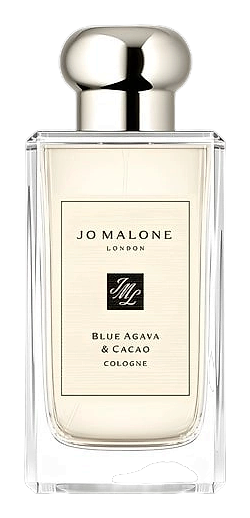
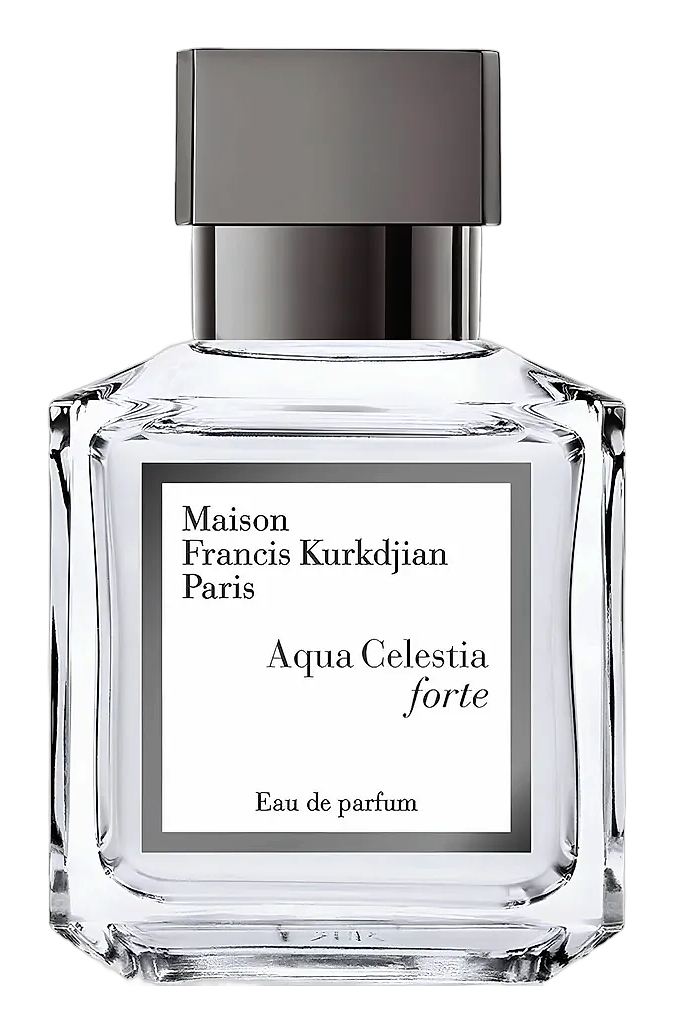
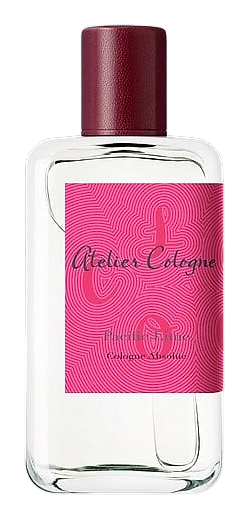
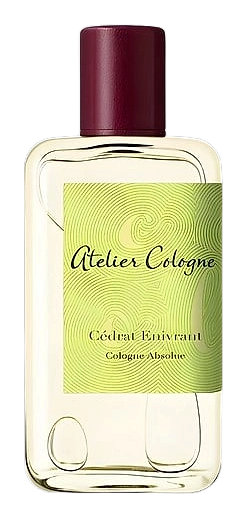
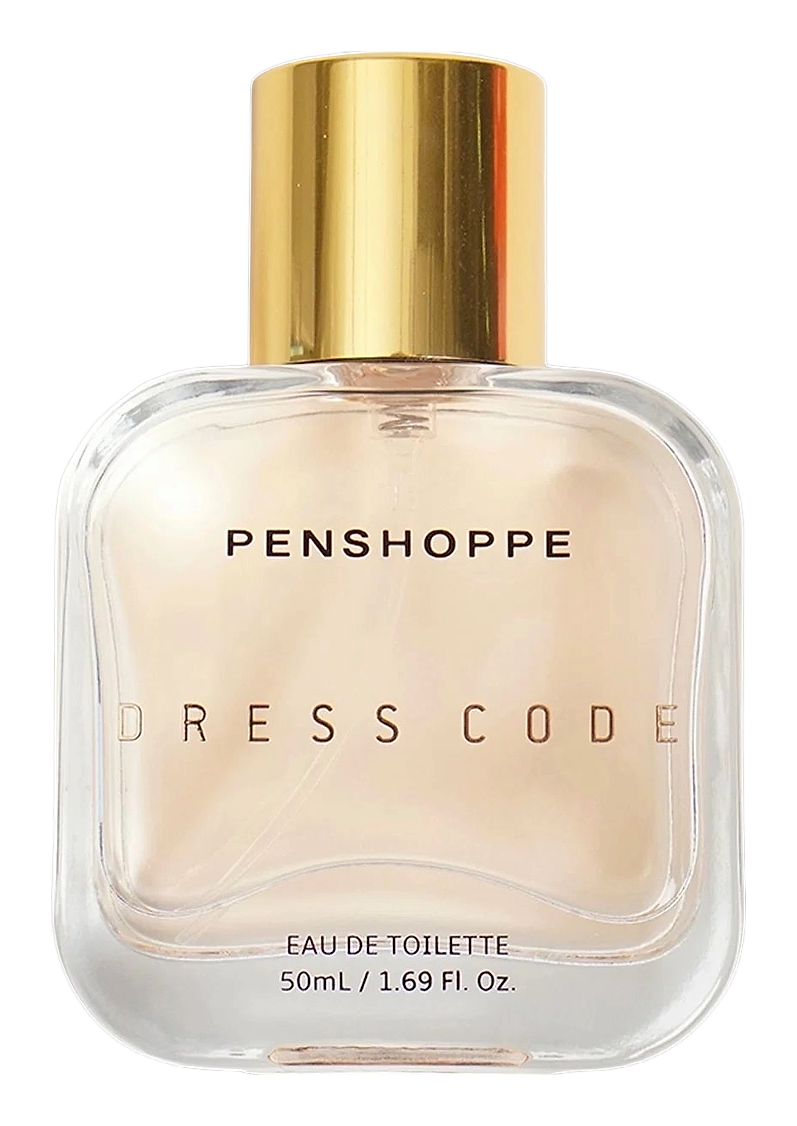
Fragrances featuring Key Lime

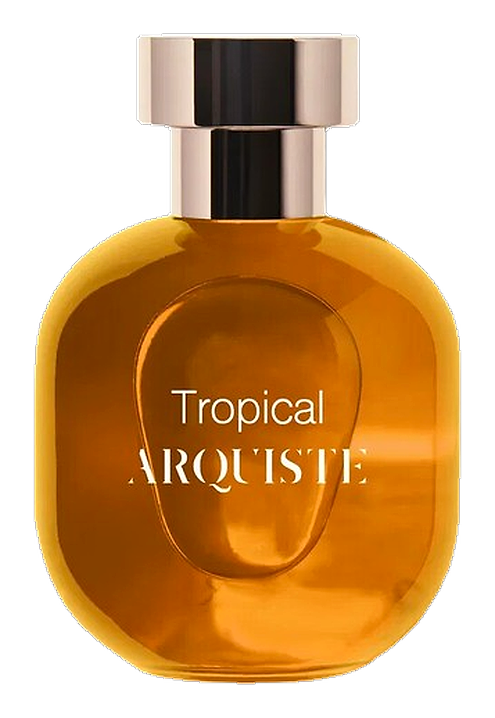
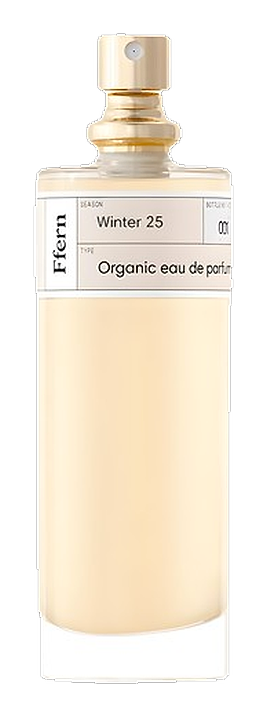
Brands
Brands known for Key Lime
Good to know
Questions, answered
The essentials on Key Lime in perfumery: how it smells, where it comes from, and how it behaves on skin.
What does Key lime smell like in perfumery?
Key lime delivers a sharp, green citrus character with intensely aromatic top notes. Unlike lemon, it carries a more complex, slightly bitter quality with authentic lime essence that reads as fresh, vibrant, and authentically citrusy.
How does Key lime oil differ from Persian lime oil?
Key lime contains higher levels of β-pinene (10-20%) and γ-terpinene (10-20%) compared to Persian lime. This gives Key lime a more complex, aromatic profile with stronger green and bitter notes. Persian lime oil is milder with higher limonene content.
What extraction method produces Key lime essential oil?
Steam distillation is the primary method for Key lime oil. The fruit is pressed to create a juice-oil emulsion, then heated in stills where steam carries the volatile oils away from the juice through distillation.
Does Key lime oil have character-impact compounds?
Yes. Citral, β-pinene, and γ-terpinene serve as key character-impact compounds. Trace sulfur compounds also contribute to the distinctive "lime" note that sets it apart from other citrus fruits.
Is cold-pressed or distilled Key lime oil better for perfumery?
Cold-pressed oil preserves fresher, greener top notes and is preferred for authentic lime character in fine perfumery. Steam-distilled oil develops a cooked, less fresh profile but offers a colorless product suitable for applications where appearance matters.
What is the chemical composition of Key lime oil?
D-limonene dominates at 40-50%, followed by β-pinene at 10-20% and γ-terpinene at 10-20%. Citral content runs 5-10%. These proportions create Key lime's distinctive aromatic signature.
What countries produce Key lime oil?
Mexico and Peru lead global production of distilled Key lime oil. Brazil produces expressed Tahiti lime oil as a juice-processing by-product, with annual volumes ranging from 15-50 tonnes depending on orange market conditions.
What makes Key lime different from regular lime in fragrance?
Key lime (Citrus aurantifolia) offers more aromatic complexity and a truer, sharper lime character than Persian lime. The small, round fruit harvested green delivers higher acidity and bitterness, translating to a more vibrant citrus note in finished fragrances.