Juniper Berries
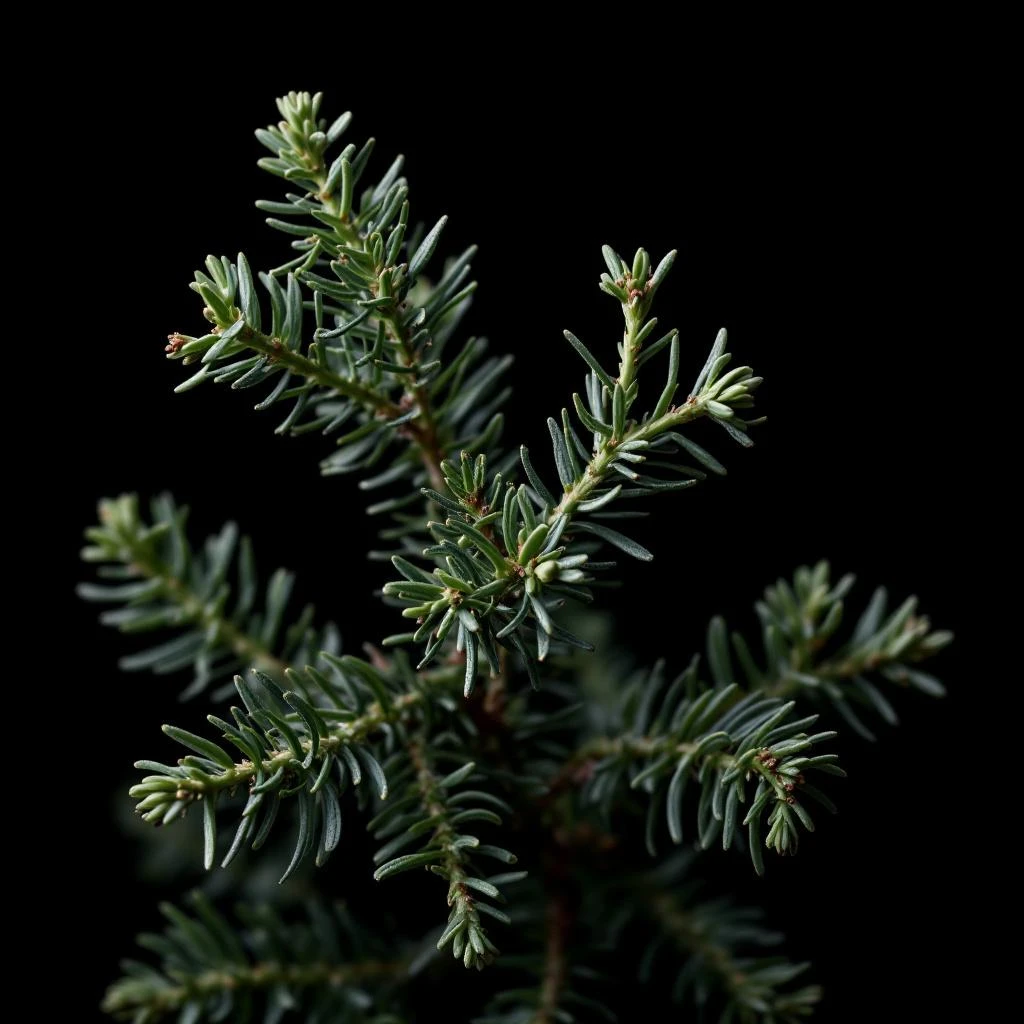
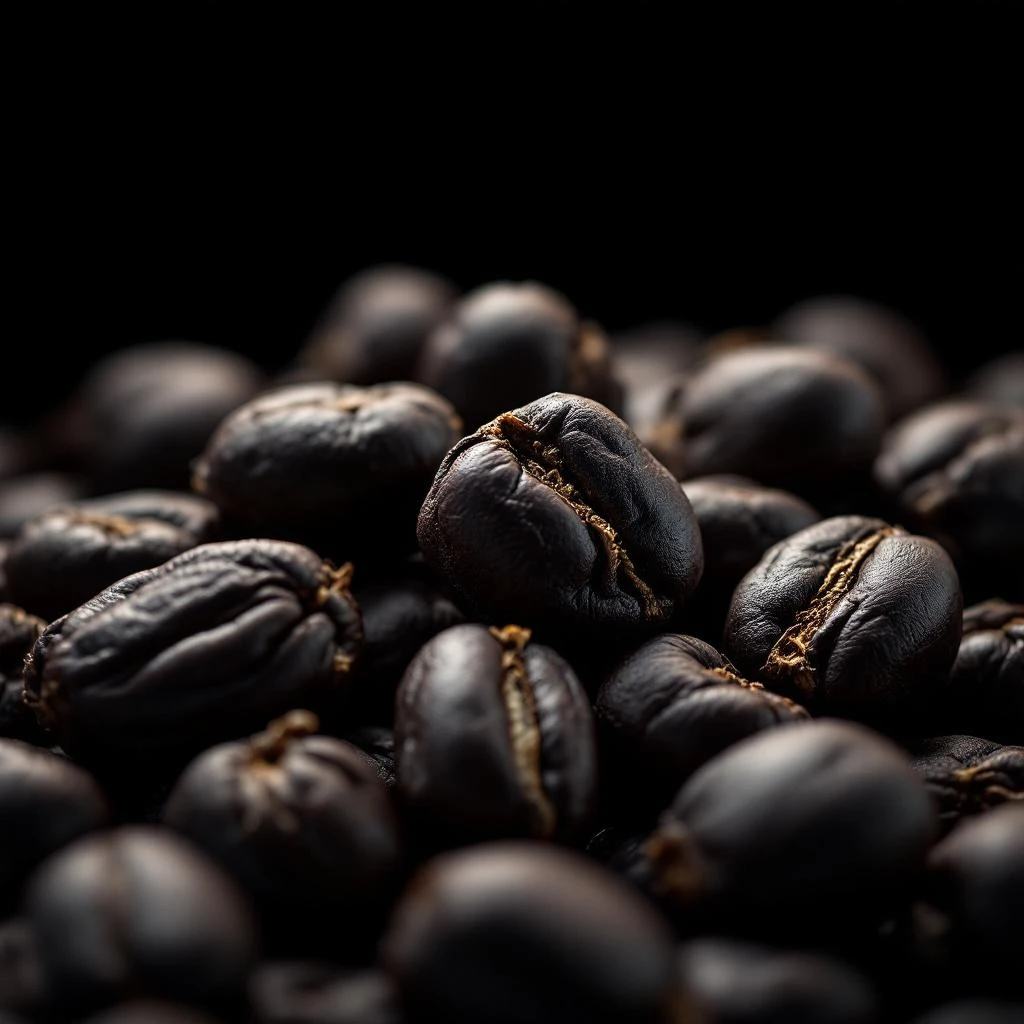
Juniper berries deliver a crisp, piney brightness with resinous depth and a faintly bitter, green-fruity edge. The note evokes mountain air, dry forest floors, and the clean snap of conifer needles crushed between fingers.
Character
How it smells
Crisp conifer with a bitter, resinous bite.
Juniper berry oil shares over 60 terpene compounds with gin; the spirit's signature flavor comes directly from these same distilled berries.







Origin
Bulgaria
Juniper carries one of the longest aromatic histories of any Western botanical. Ancient Egyptians used juniper berries in medicinal preparations, while Greek physicians burned the branches to purify sickrooms. Romans flavored sauces and stored the berries alongside meats; Pliny the Elder documented their use in wines.
During medieval Europe, bundles of dried juniper hung over doorways and stables, a practice rooted in the belief the strong, resinous smoke warded off contagion. Monasteries cultivated juniper hedges for both culinary and therapeutic purposes, distilling early versions of juniper-infused waters that predate gin by centuries.
The gin connection transformed juniper's commercial fortunes in the 17th century. When Dutch and British distillers standardized gin recipes around juniper berries, demand exploded. By the Victorian era, juniper oil appeared in British perfumery as a freshening top note in colognes and toilet waters, valued for its crispness before synthetic pine chemicals emerged.
In modern perfumery, the ingredient anchors aromatic, fougère, and outdoor-themed compositions. Harvesters still collect wild berries across Balkan mountainsides, a tradition stretching back generations.
Wears it best
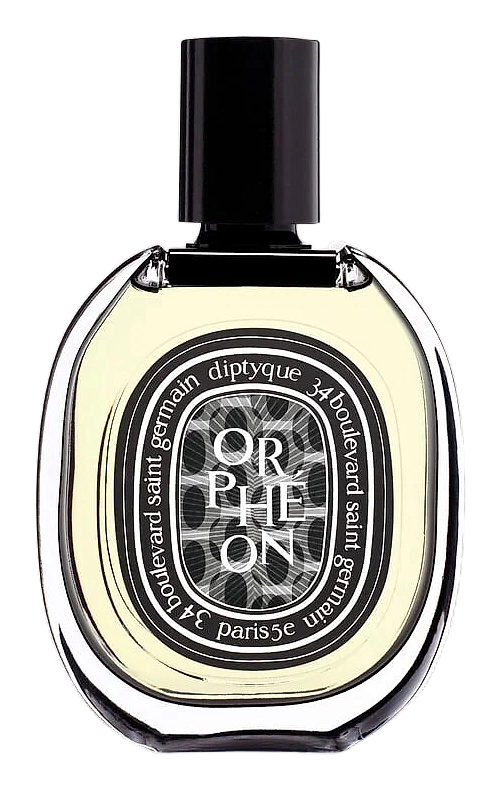
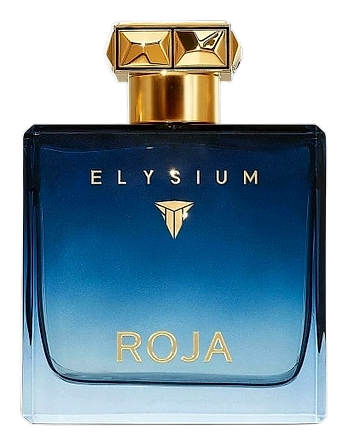
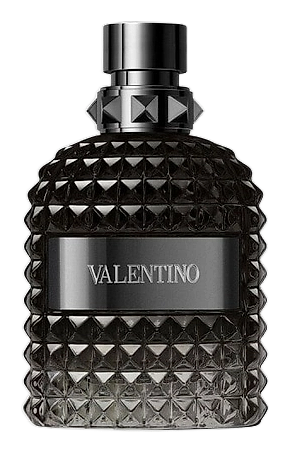
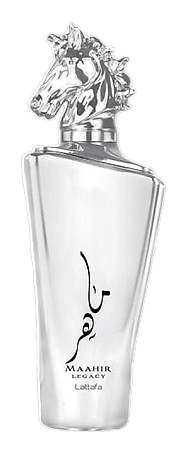
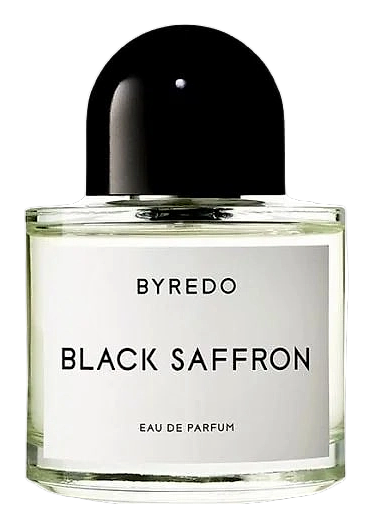
Fragrances featuring Juniper Berries







Brands
Brands known for Juniper Berries
Good to know
Questions, answered
The essentials on Juniper Berries in perfumery: how it smells, where it comes from, and how it behaves on skin.
What does juniper berry smell like in perfume?
Juniper berry gives a crisp, pine-like freshness with green bitterness and a resinous, slightly sweet undertone. It reads cleaner and more nuanced than generic pine needle notes, with a subtle fruitiness that adds lift to aromatic and fougère compositions.
Is juniper berry the same as gin?
Juniper berry is the defining botanical in gin, not the other way around. Distillers use the same essential oil perfumers rely on; gin simply combines juniper with coriander, citrus peel, and other spices in a neutral spirit base.
Where does juniper berry oil come from?
Most commercial juniper berry oil originates in the Balkans, particularly Bulgaria, Albania, and Bosnia-Herzegovina. Wild Juniperus communis shrubs grow across highland elevations, and harvesters collect mature berries by hand each autumn.
How is juniper berry oil extracted?
Steam distillation is the standard method: crushed berries are exposed to pressurized steam, which releases volatile compounds. Supercritical CO2 extraction offers a newer alternative, capturing a fuller terpene profile without heat damage.
Is juniper berry a top, heart, or base note?
Juniper berry functions almost exclusively as a top note. Its volatile terpenes evaporate quickly, creating an opening burst of freshness that fades within 15 to 30 minutes in most compositions.
Are juniper berries safe in fragrance?
Juniper berry essential oil is considered safe for topical use at standard perfumery concentrations. The IFRA sets limits to prevent skin sensitization, and most formulations use well below those thresholds.
What's the difference between juniper berry and pine in perfumery?
Pine notes tend toward sharp, resinous, and sometimes turpentine-like character. Juniper berry is cleaner, drier, and carries a faintly bitter, almost citrus-tinged edge that reads more sophisticated and less medicinal.
Can juniper berry oil go rancid?
Like most conifer-derived oils, juniper berry oil oxidizes gradually when exposed to air and light. Properly stored in amber glass away from heat, it maintains its character for roughly two to three years before noticeable degradation.