    Ingredient Profile

    Moroccan citron fragrance note

    Moroccan citron delivers a crisp, sun-kissed citrus note, its bright acidity balanced by subtle herbal undertones, making it a cornerstone f…More

    Morocco

    1

    Fragrances

    Fragrances featuring Moroccan citron

    Character

    The Story of Moroccan citron

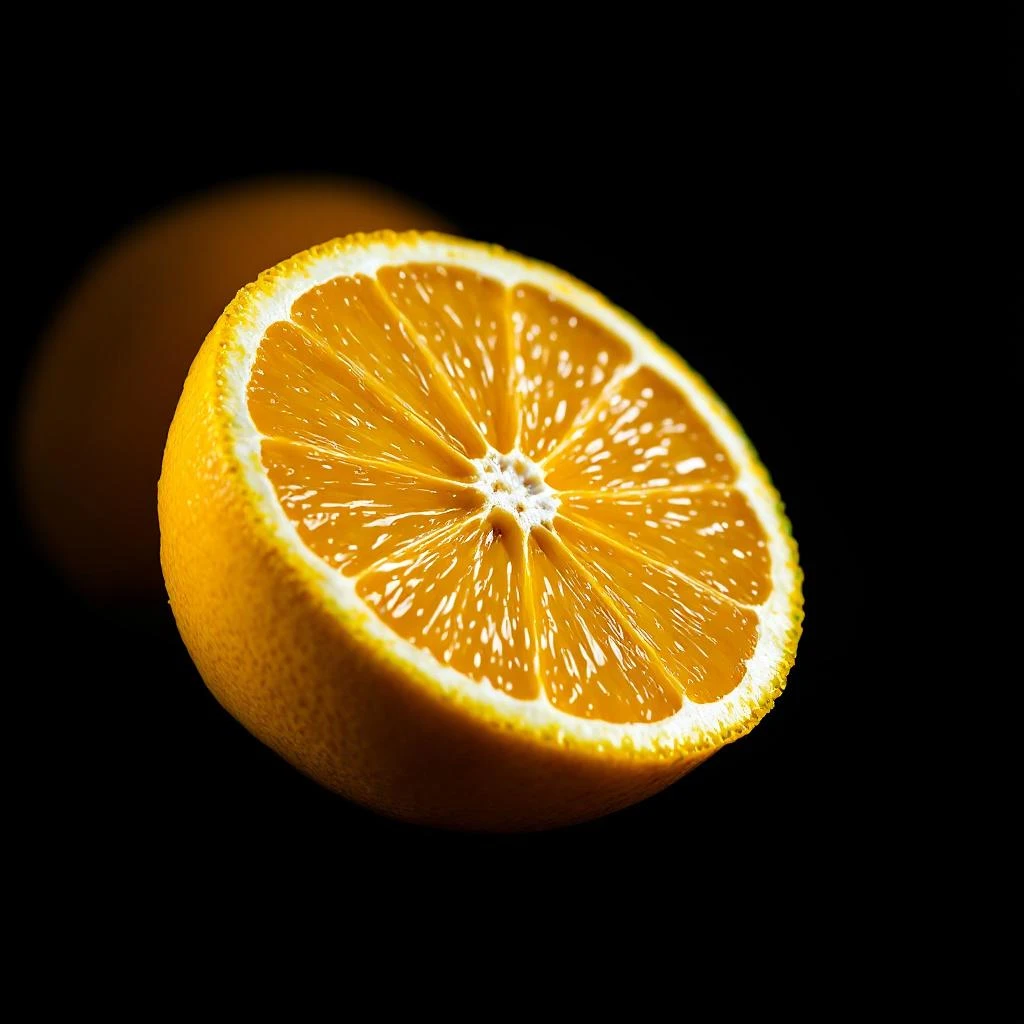
    Moroccan citron delivers a crisp, sun-kissed citrus note, its bright acidity balanced by subtle herbal undertones, making it a cornerstone for fresh-focused fragrances.

    Heritage

    Citron (Citrus medica) has been cultivated around the Mediterranean since antiquity, prized for its medicinal and aromatic properties. In Morocco, the fruit found a niche in coastal farms where the mild climate and salty breezes enhanced its aromatic profile. By the early 1900s French perfumers began importing Moroccan citron peel for its distinctive green edge, distinguishing it from the sweeter lemons of Europe. The 1920s saw the note featured in several classic French colognes, cementing its reputation as a premium citrus ingredient. During the post‑war era, Moroccan cooperatives organized collective pressing, ensuring a steady supply for both culinary and fragrance markets. Today, the ingredient remains a symbol of North African terroir, linking historic trade routes with modern niche perfume houses.

    At a Glance

    Fragrances

    1

    Feature this note

    Origin

    Morocco

    Primary source region

    Ingredient Details

    Extraction

    Cold press expression

    Used Parts

    Fruit peel

    Did You Know

    "Moroccan citron trees can live over a century, and their peels retain essential oils longer than most citrus, allowing harvests well into the dry season."

    Production

    How Moroccan citron Is Made

    Harvest begins in late autumn when the fruit reaches peak oil content. Workers hand‑pick ripe citrons, then wash them to remove dust and pesticide residues. The peels are sliced thin and fed into a cold‑press expeller, a machine that squeezes the oil without heat, preserving volatile terpenes. The pressed mash separates in a centrifuge, where the oil rises to the surface and is drawn off. The resulting essential oil is filtered through fine mesh to eliminate pulp particles, then stored in amber glass bottles at 12 °C to prevent oxidation. Quality labs run gas chromatography on each batch, confirming that limonene levels stay above 65% and that unwanted contaminants remain below 0.1%. The final product is a clear, pale yellow oil with a sharp, uplifting aroma, ready for blending in perfume formulations.

    Provenance

    Morocco

    Morocco31.6°N, 8.0°W

    About Moroccan citron