The Story
Why it exists.
The beginning
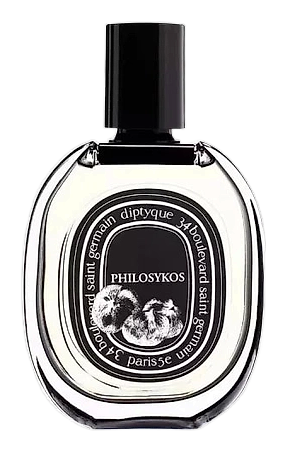
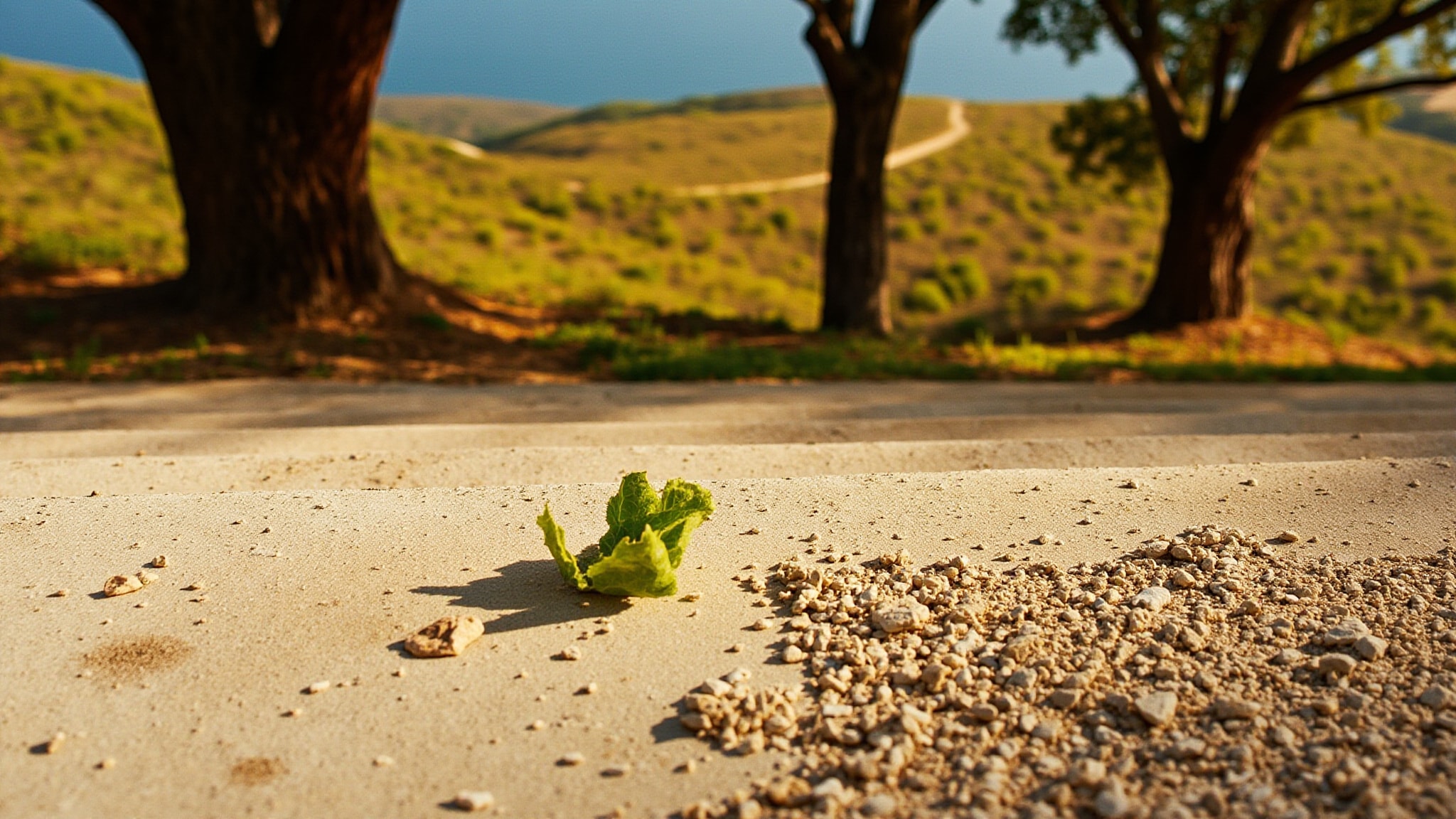
In 1996, Diptyque invited perfumer Olivia Giacobetti to translate a specific summer memory into scent form. The concept was deceptively simple: walking through a wild fig grove on Mount Pelion, approaching the sea, feeling sun-warmed bark under your fingers and breathing the green, slightly resinous air. Giacobetti's challenge was to capture not a single note but an entire landscape, translating the experience of place, temperature, and memory into liquid form.
Giacobetti approached fig not as a single note but as a complete sensory environment. The opening fig leaf and fig fruit capture the tree's aerial qualities, while the drydown fig tree and cedarwood ground the composition in its physical, arboreal reality. Coconut and green notes bridge these two planes, creating a seamless transition between the fresh and the warm, the green and the woody. The result is a fragrance that smells like approaching a tree, touching its bark, and finally sitting in its shade.
The evolution
The fragrance opens with the crisp, lactonic character of fig leaf and fig fruit, a green freshness that hits immediately like stepping under a tree. As time passes, green notes deepen while coconut introduces a humid, tropical softness, evoking the dense canopy of a fig grove in summer heat. The drydown brings fig tree bark, woody notes, and cedarwood, creating a warm, grounded finish that feels like pressing your palm against sun-warmed trunk. The arc moves from the air above to the earth below, from leaf to bark.
Cultural impact
Since its 1996 debut, Philosykos has become a reference point for fig‑centric fragrances, often cited by enthusiasts as the benchmark of green realism. Its ability to evoke a specific place has inspired countless niche houses to explore single‑ingredient narratives, cementing its status as a cult classic among both casual wearers and dedicated collectors.