
The Story
Why it exists.
The beginning
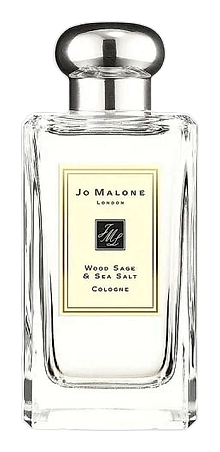
Christine Nagel created Wood Sage & Sea Salt in 2014. Her brief was simple on paper: capture the feeling of the British coast. But what she reached for was not turquoise water and pina coladas. It was the kind of shore where moors crash into sea, where wind does not ask permission, and where driftwood has been bleaching in the sun for decades. To achieve this, Nagel built the fragrance around sea salt and sage, two materials that carry the memory of harsh coastal environments rather than resort beaches. Grapefruit adds an aromatic bitterness that recalls the smell of salt-crusted skin rather than coconut sunscreen.
By building the fragrance around sea salt and sage rather than typical aquatic synthetics, Nagel created something that smells of weather rather than water. Sea salt brings mineral saltiness rather than sweetness. Sage contributes a dry, herbaceous quality that grounds the marine elements. Grapefruit adds aromatic bitterness that prevents the composition from becoming too clean or sterile. Ambrette, a natural musky material derived from musk mallow seeds, provides both sweetness and staying power without the heavy sillage of traditional musks. The result is a fragrance that works in layered combinations precisely because it lacks the aggressive projection of many oceanic scents.
The evolution
The fragrance opens immediately with its heart notes, meaning there is no separate top phase to ease you in. Grapefruit and sea salt arrive tog ether, the citrus sharp and aromatic against a mineral, oceanic backdrop. Sage then enters, its green, slightly bitter quality providing structure and preventing the composition from floating away entirely. Seaweed appears as a subtle undercurrent, adding earthiness to the salt and citrus. As the fragrance settles, the grapefruit softens and ambrette emerges, its soft, musky sweetness ensuring the drydown remains present rather than vanishing completely. The evolution is subtle rather than dramatic, moving from bright citrus and salt toward quieter herbal and musky territory without ever losing the coastal character that defines the composition.
Cultural impact
Wood Sage & Sea Salt is notable for a scent that refuses to perform. It smells like the sea without smelling like a beach. It's herbal without smelling like soap. It's warm without smelling like anything you'd call sweet. Those contradictions are exactly why people keep coming back to it, and why it tends to appear on lists of fragrances worth knowing. The way it manages to smell both fresh and deeply human at the same time is part of what makes it unusual. There's a rawness to it that feels intentional, as if the fragrance is less interested in projecting an image than in simply existing as itself. That quality has made it quietly enduring.
The House
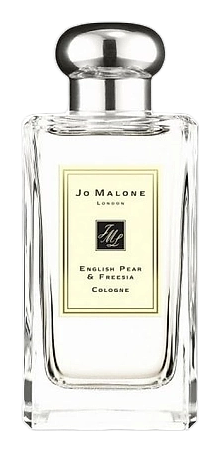
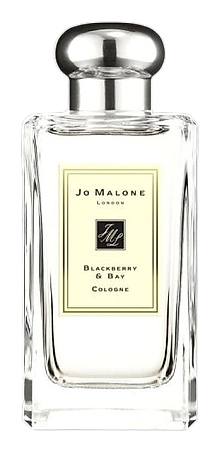
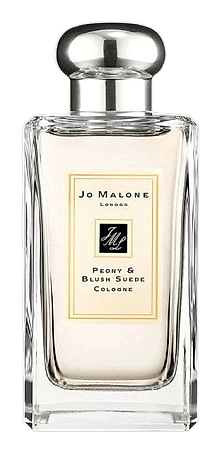
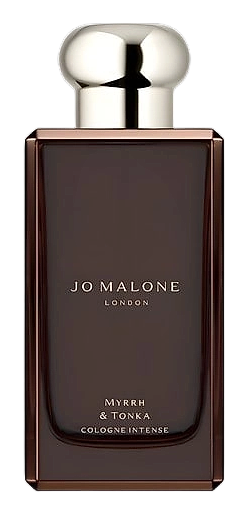
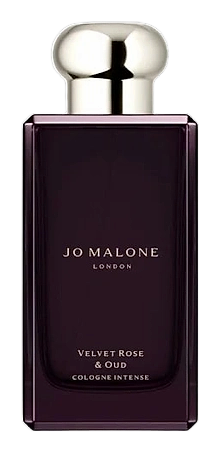
Jo Malone LondonJo Malone London is a British fragrance house founded by Jo Malone in 1990 and now owned by Estée Lauder Companies. The brand built its reputation on a signature layering concept that lets wearers combine colognes into personal signature scents. Each fragrance begins with a story, whether drawn from childhood memories, British traditions, or sensory moments. The collection spans delicate florals like Peony & Blush Suede alongside richer compositions such as Velvet Rose & Oud. Known for understated bottles finished with black script lettering and a colored ink matching each scent, the brand maintains a refined British aesthetic across over 30 countries. The house continues releasing new fragrances under Estée Lauder while preserving the creative philosophy Jo Malone established.
The Creator
Christine NagelNagel occupies a distinctive space in contemporary perfumery, favoring sensual, textured compositions over the clean minimalism that dominated for decades. Her fragrances often feature unexpected contrasts: mineral and floral, salty and sweet, cool and warm.