Seaweed
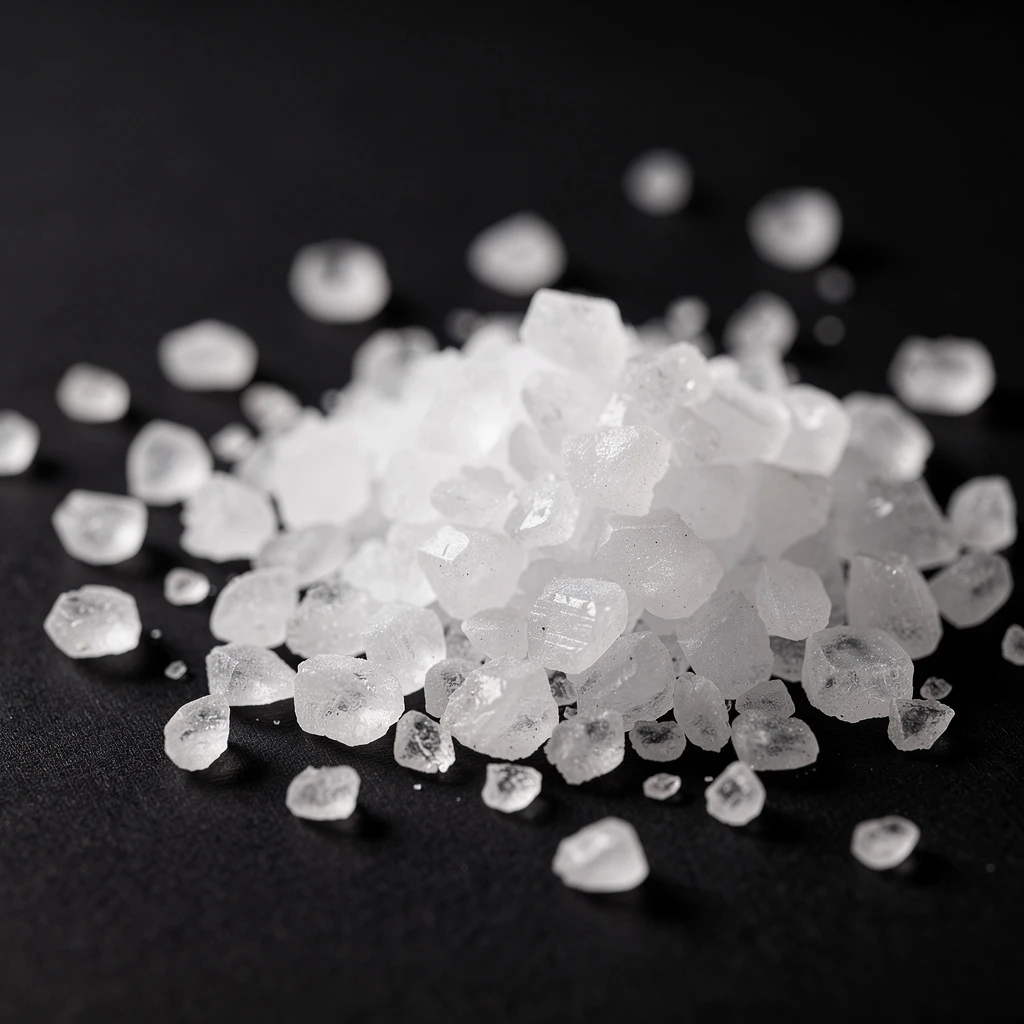
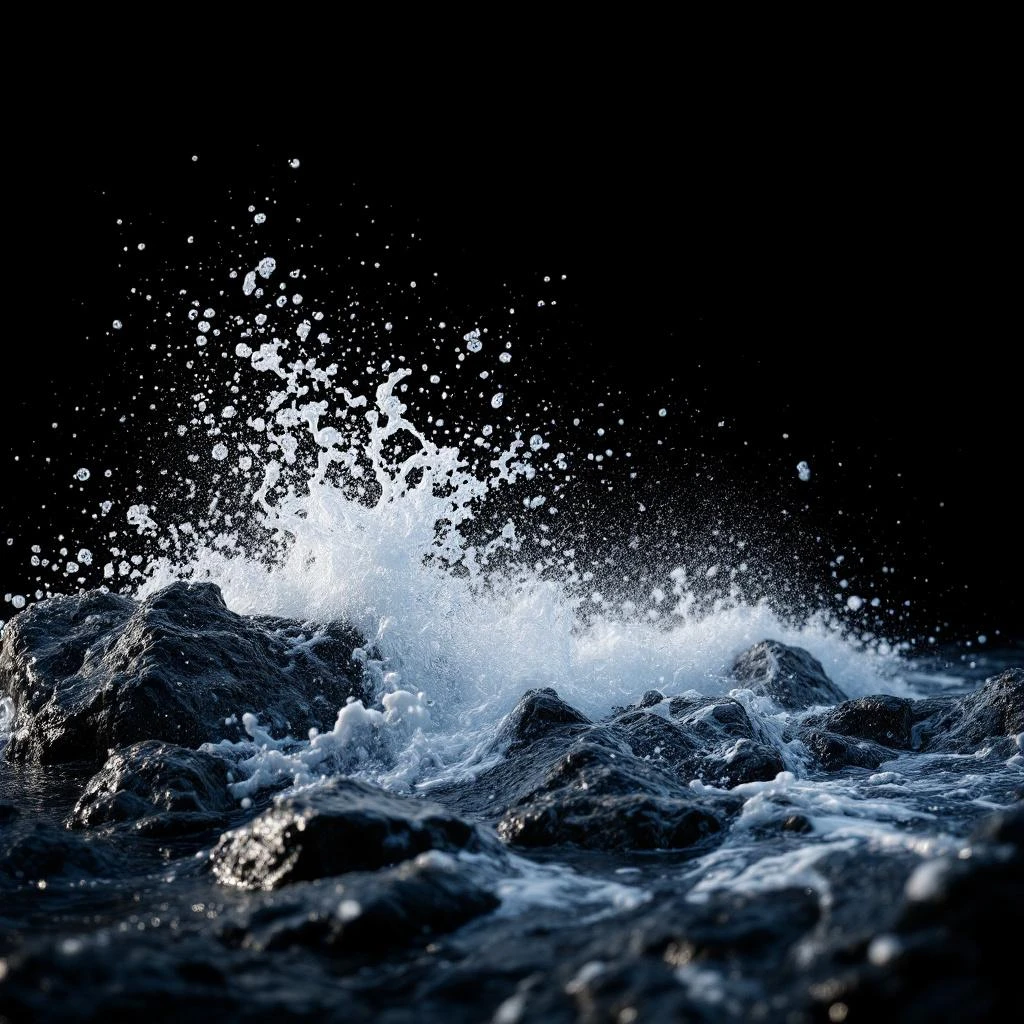
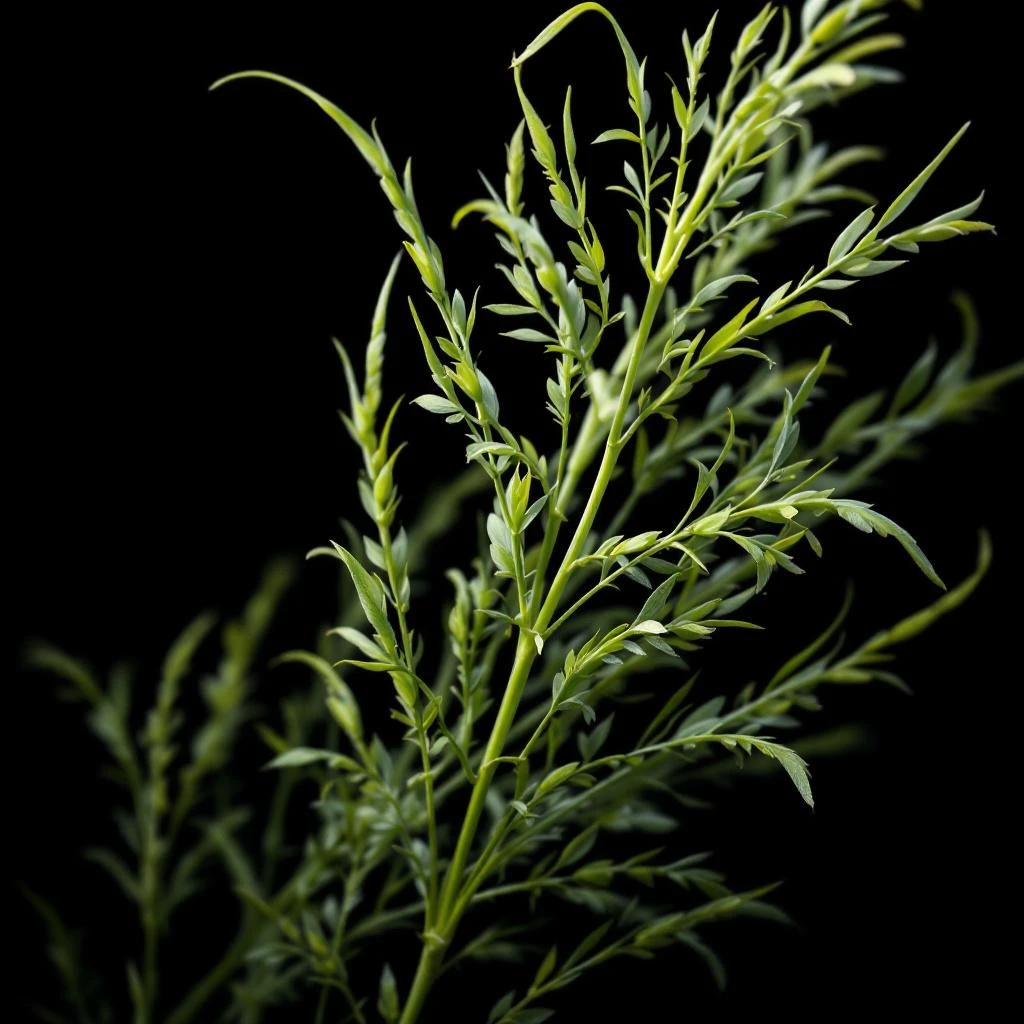
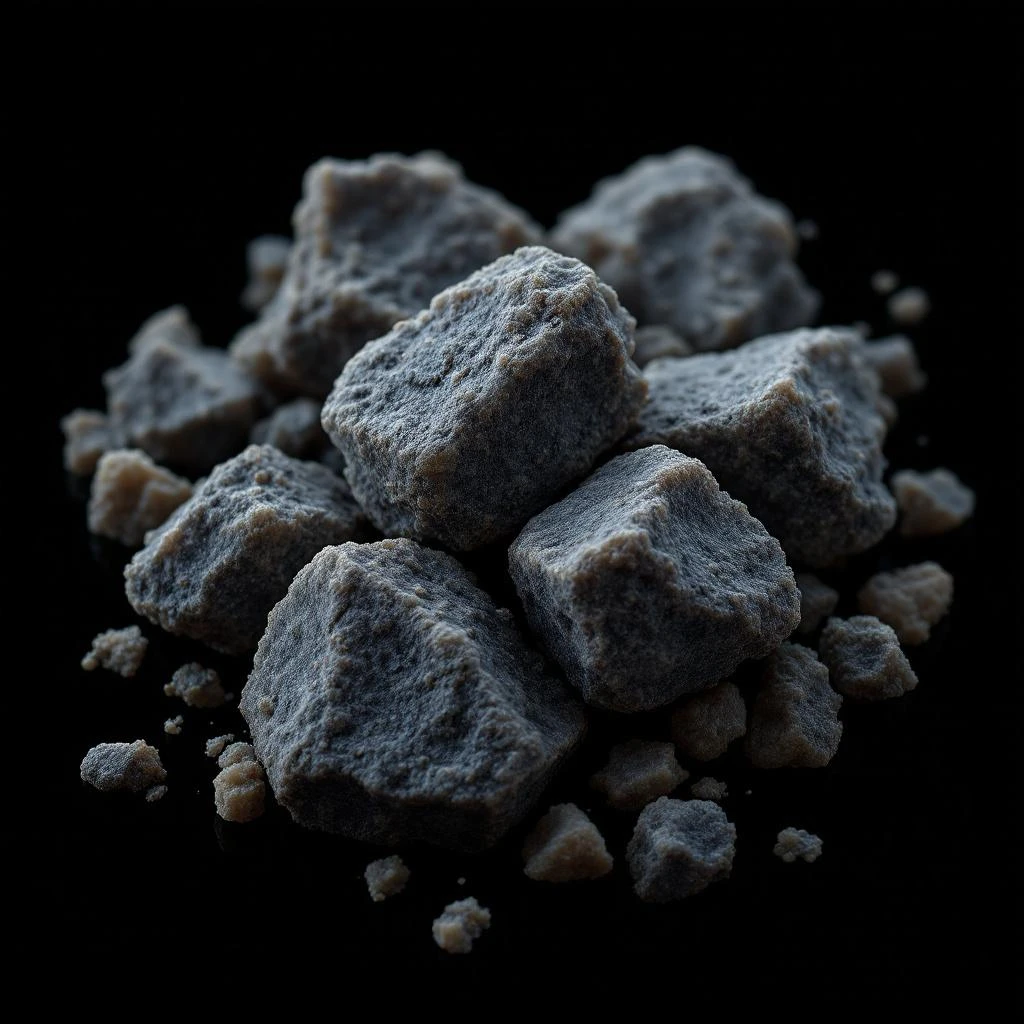
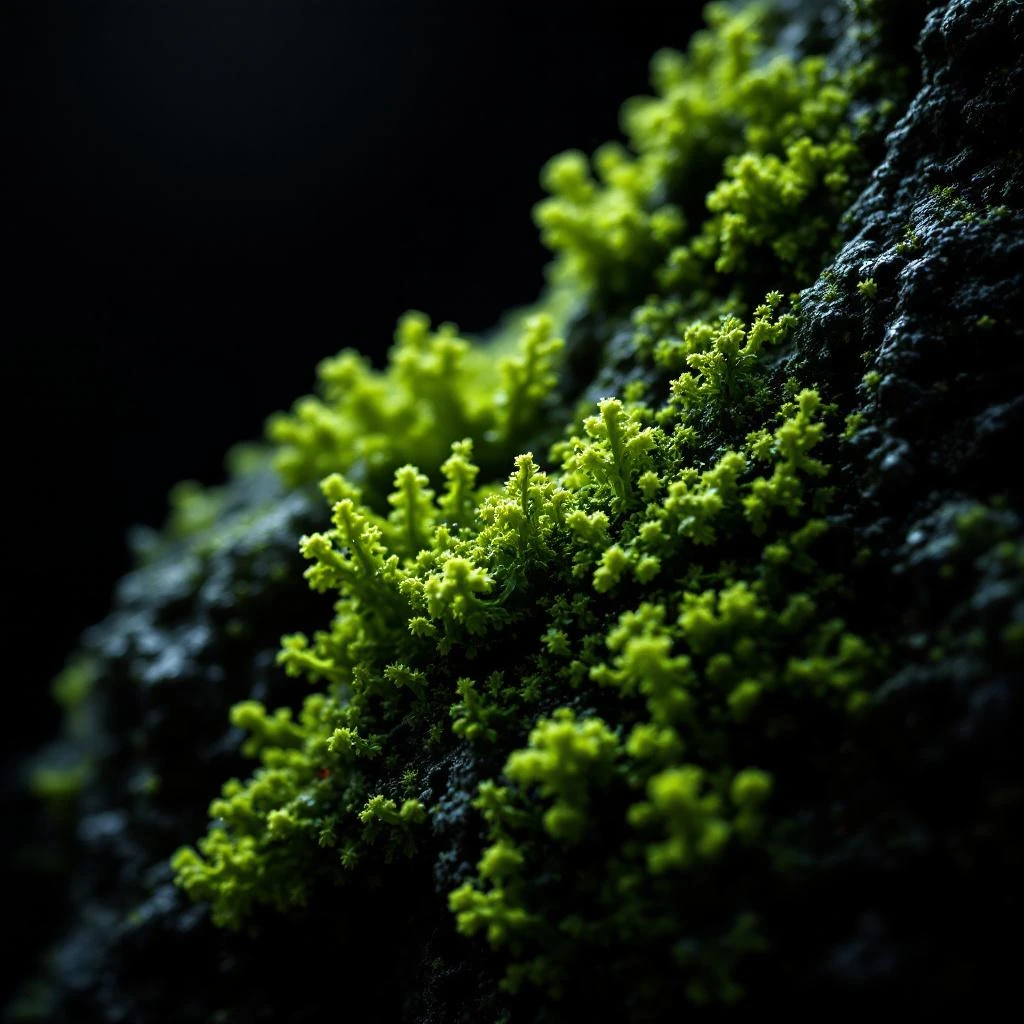
Briny, mineral-rich, and unexpectedly green. Seaweed brings the raw scent of tidal shores into fine fragrance, capturing ozone, salt, and kelp in a single accord.
Character
How it smells
The breath of cold coastlines
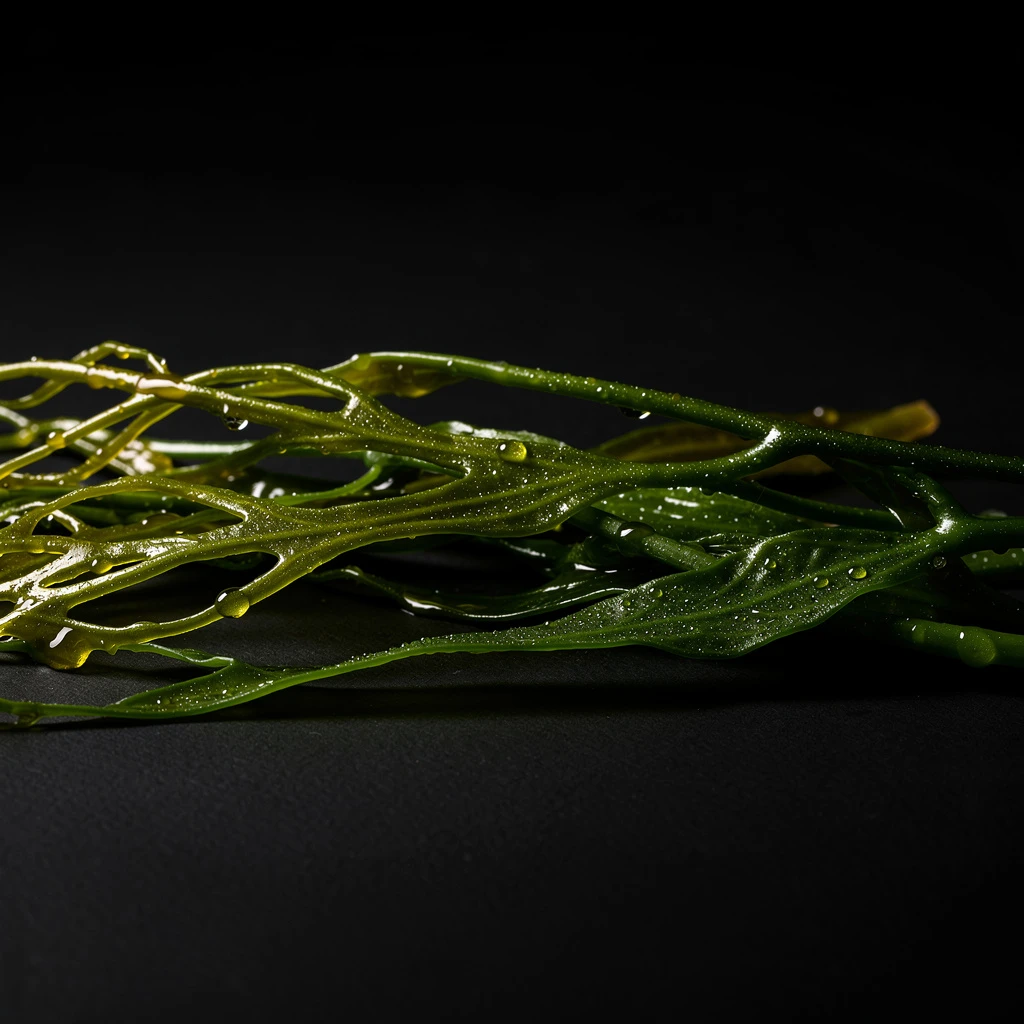
Seaweed contains over 10,000 species worldwide, yet perfumers typically use just a handful of brown algae to achieve that distinctive oceanic character.





Origin
France
Coastal communities in Japan, Ireland, and Scotland have long burned dried seaweed as incense and burned kelp for smoke rituals. In perfumery, seaweed entered Western composition during the late 20th century as designers sought to bottle the scent of sea air.
The 1991 launch of Davidoff Cool Water marked a turning point, popularizing marine accords across the industry. Earlier niche houses had explored ozonic themes, but mass-market demand pushed seaweed-derived and seaweed-inspired notes into mainstream fragrance.
Today, coastal perfumery draws on both traditional kelp extracts harvested by artisan gatherers and modern aroma chemicals engineered to replicate the mineral freshness of tide pools. The ingredient bridges ancient maritime tradition with contemporary molecular perfumery.
Wears it best
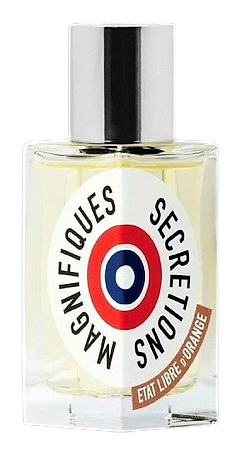
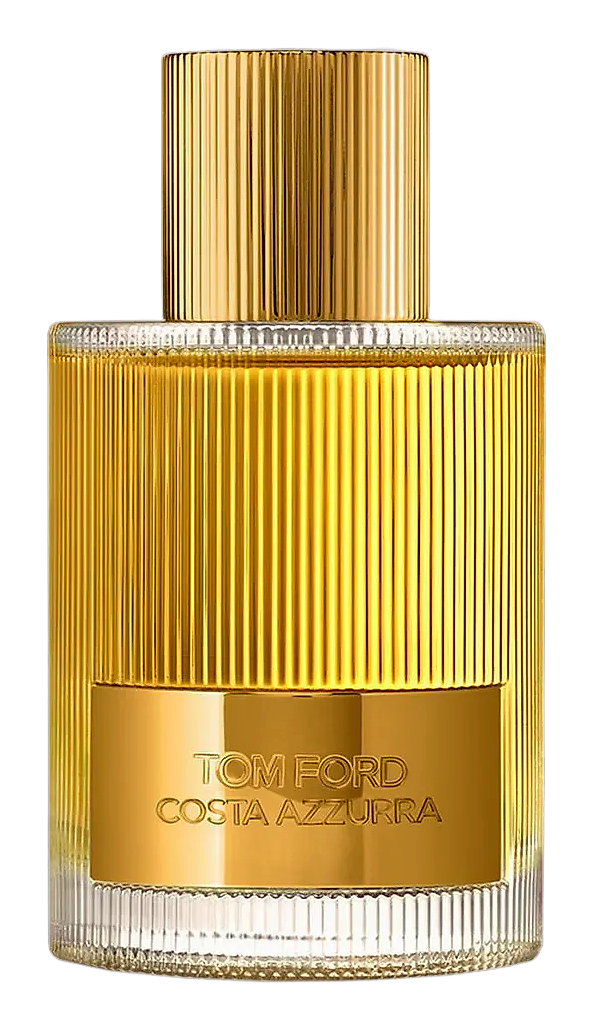
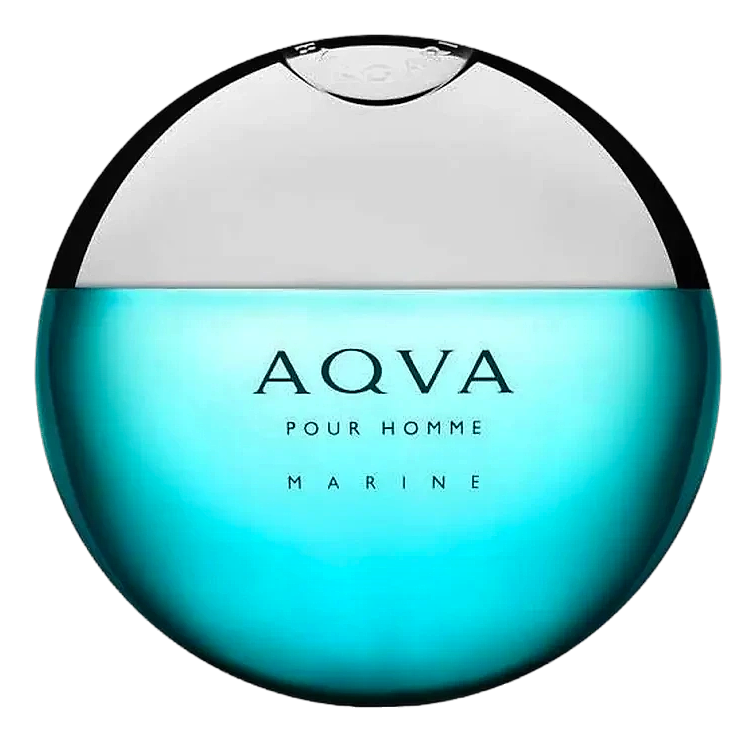
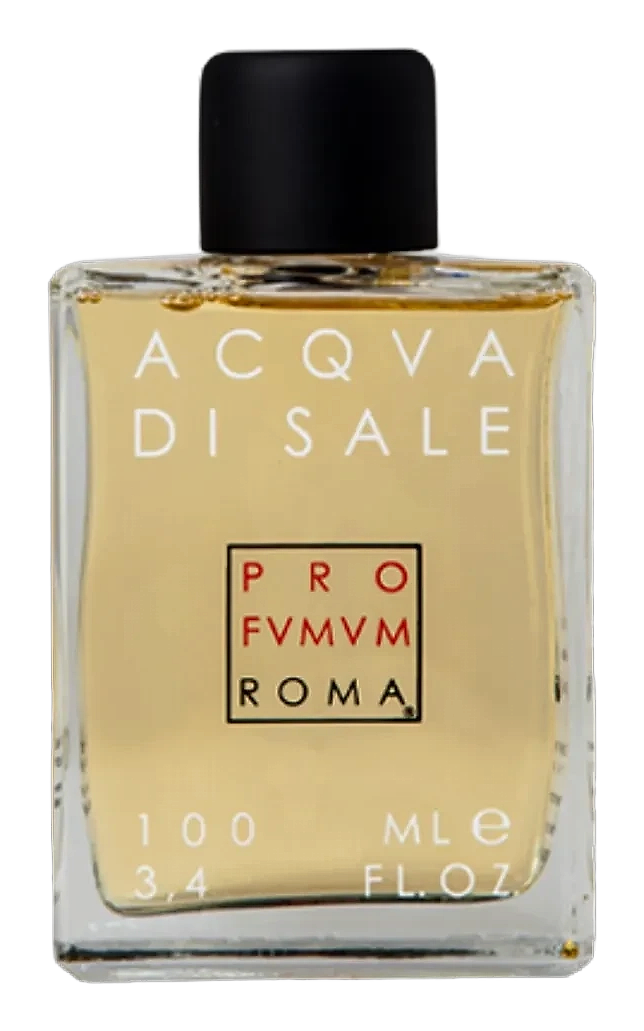
Fragrances featuring Seaweed
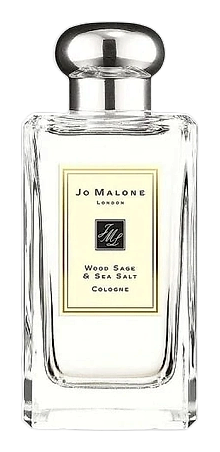
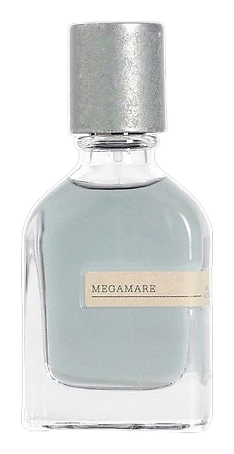
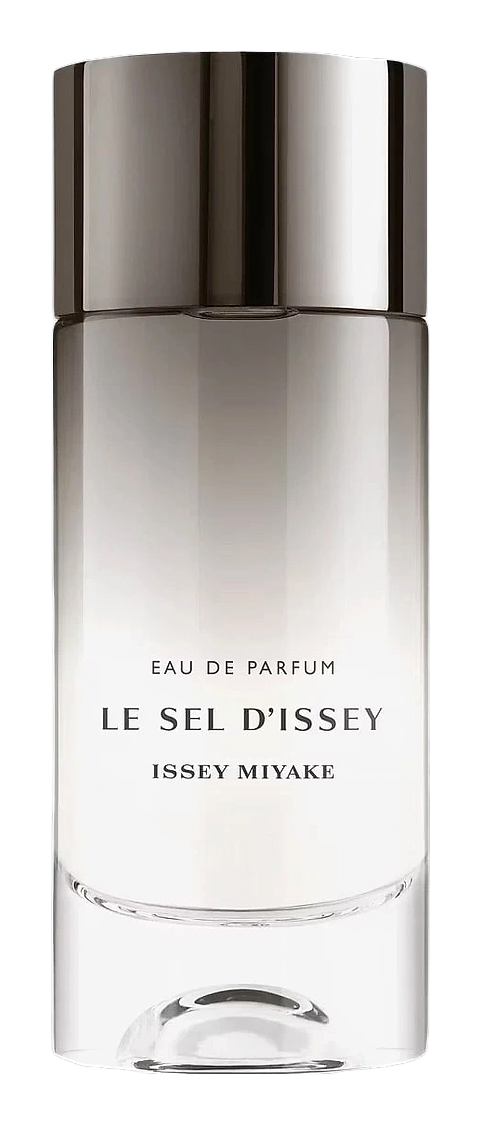
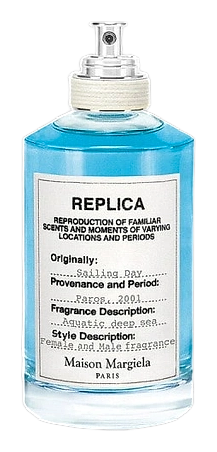
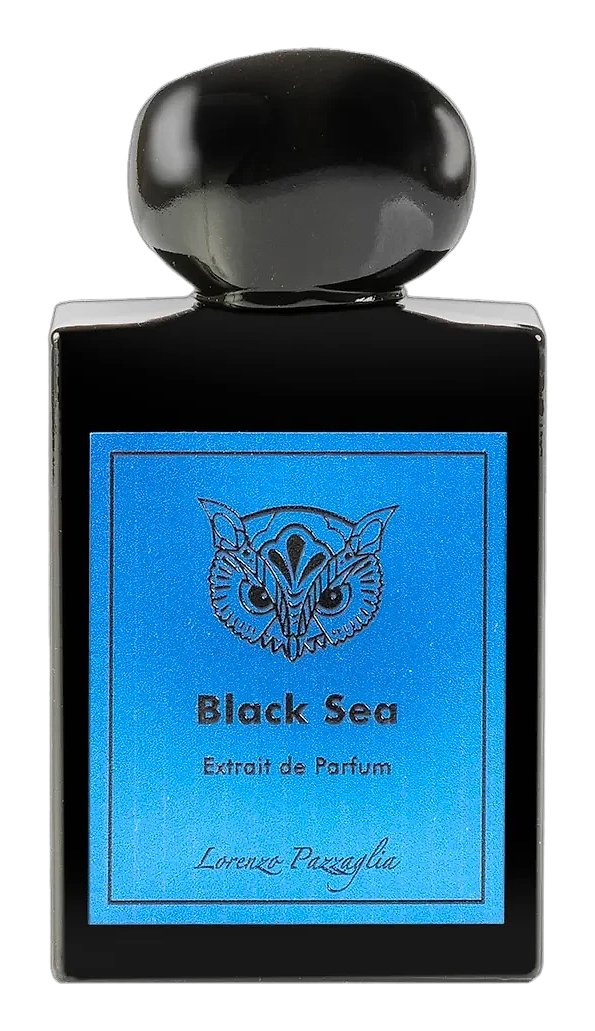
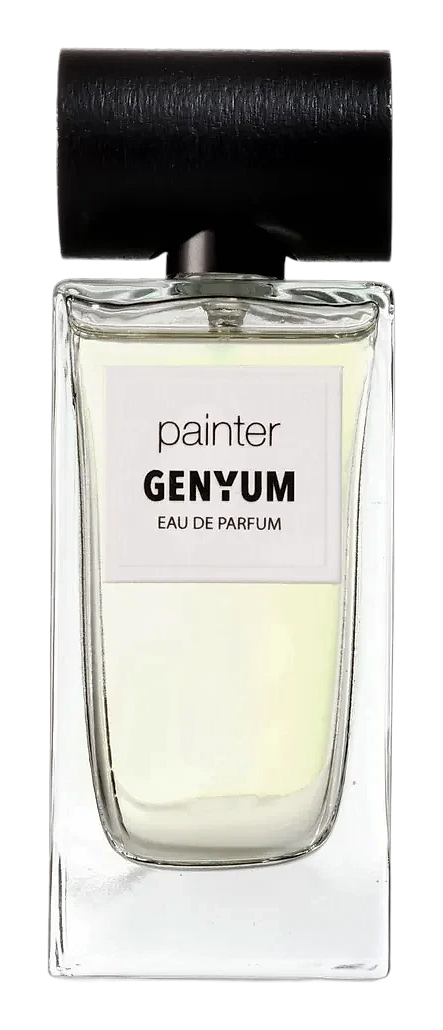
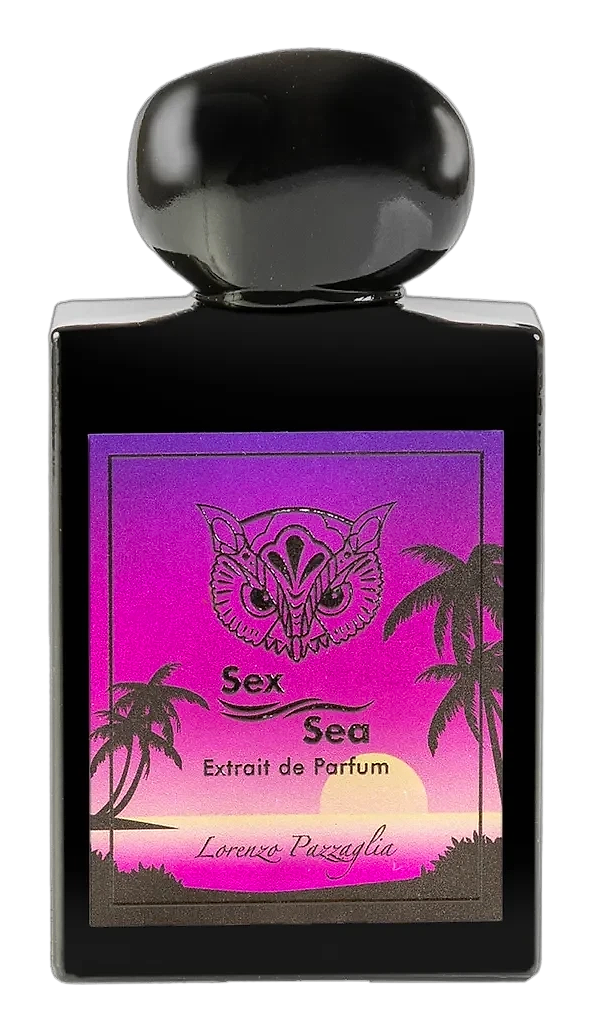
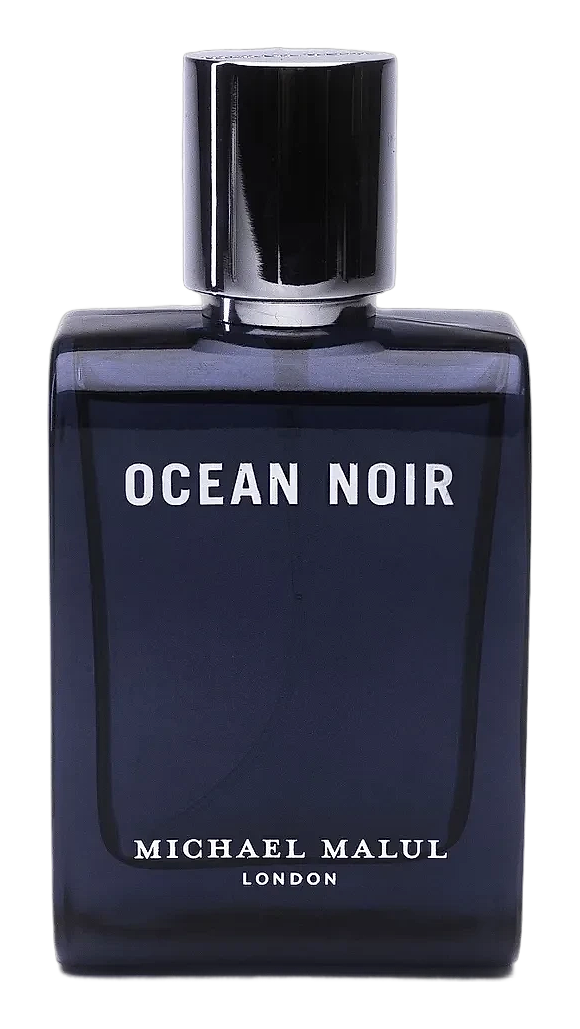
Brands
Brands known for Seaweed
Good to know
Questions, answered
The essentials on Seaweed in perfumery: how it smells, where it comes from, and how it behaves on skin.
What does seaweed smell like in perfume?
Seaweed delivers a briny, mineral scent with green and iodine-like facets that evoke tidal pools and rocky shores. Most marine fragrances blend seaweed absolute with synthetic molecules to capture the full oceanic spectrum.
Is seaweed a natural or synthetic perfume ingredient?
Both. Real kelp and bladderwrack are extracted via solvents for natural absolutes, while synthetics like Calone replicate aquatic notes at scale. Most commercial fragrances use a combination of the two.
Where is seaweed for perfume harvested?
Brown algae for perfumery comes mainly from Brittany in France, Ireland, and Scotland. These cold North Atlantic waters produce seaweed with concentrated mineral and iodine character.
When was seaweed first used in perfumery?
Seaweed gained prominence in mainstream perfumery with Davidoff Cool Water in 1991. Niche perfumers had explored marine themes earlier, but this launch pushed coastal notes into global fragrance culture.
Why do perfumers use seaweed in fragrances?
Seaweed adds depth and authenticity to aquatic accords that synthetic molecules alone cannot achieve. The natural absolute contributes green, salty, and umami facets that ground ozonic top notes.
Is seaweed perfume sustainable?
Sustainability varies by source. Hand-harvested kelp from regulated Atlantic coasts supports coastal livelihoods, though over-harvesting threatens ecosystems. Look for suppliers practicing rotational harvesting.
What other ingredients pair well with seaweed?
Seaweed pairs naturally with salt, driftwood, ambergris accords, and green notes like fig leaf. Floral ingredients such as jasmine and marine ozonic synthetics also complement its briny character.
Can seaweed cause skin reactions in perfume?
Seaweed absolutes contain trace iodine and can irritate sensitive skin in high concentrations. Most finished fragrances dilute the ingredient to safe levels, though patch testing remains wise.