Seagrass
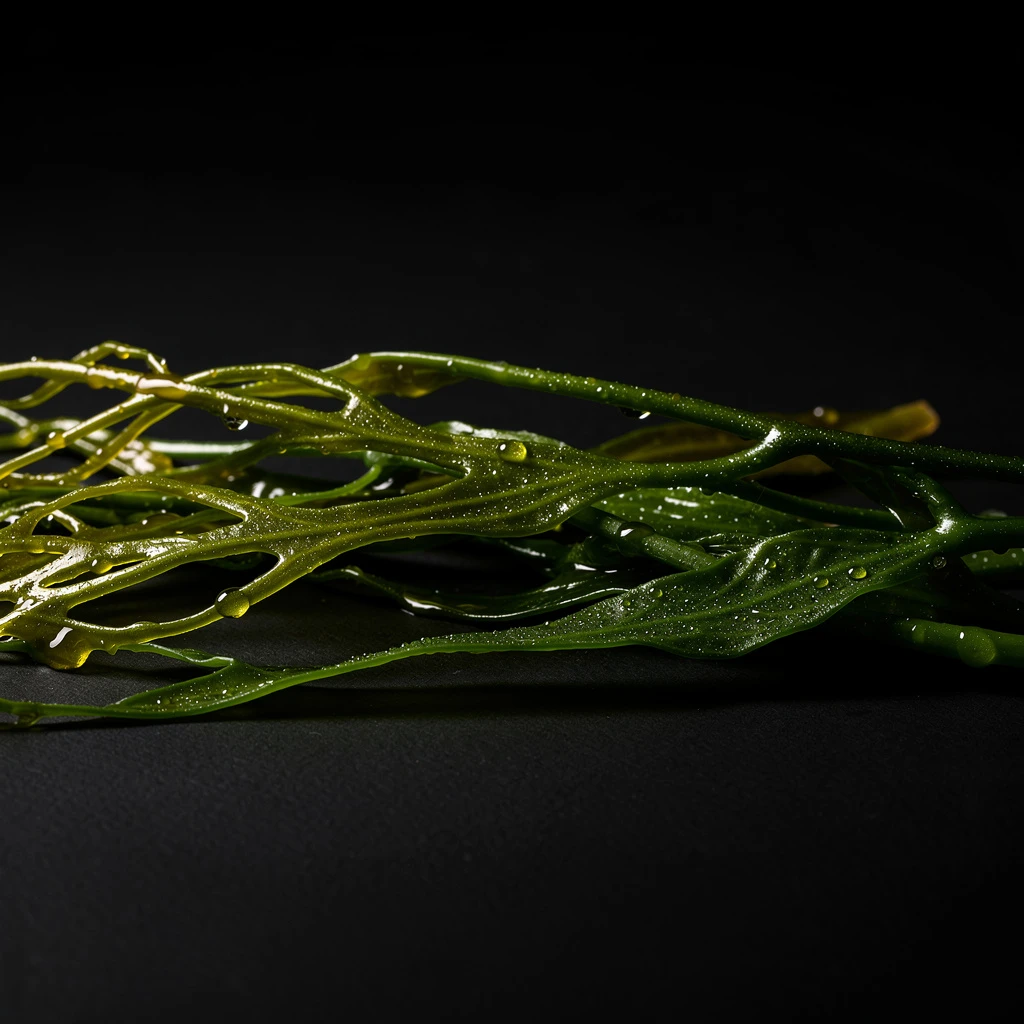
Seagrass is a marine botanical note that brings a crisp, saline-green character to modern fragrances. Unlike most perfumery ingredients, it grows submerged in shallow coastal waters worldwide, lending an oceanic freshness with vegetal depth.
Character
How it smells
The ocean's quiet green whisper
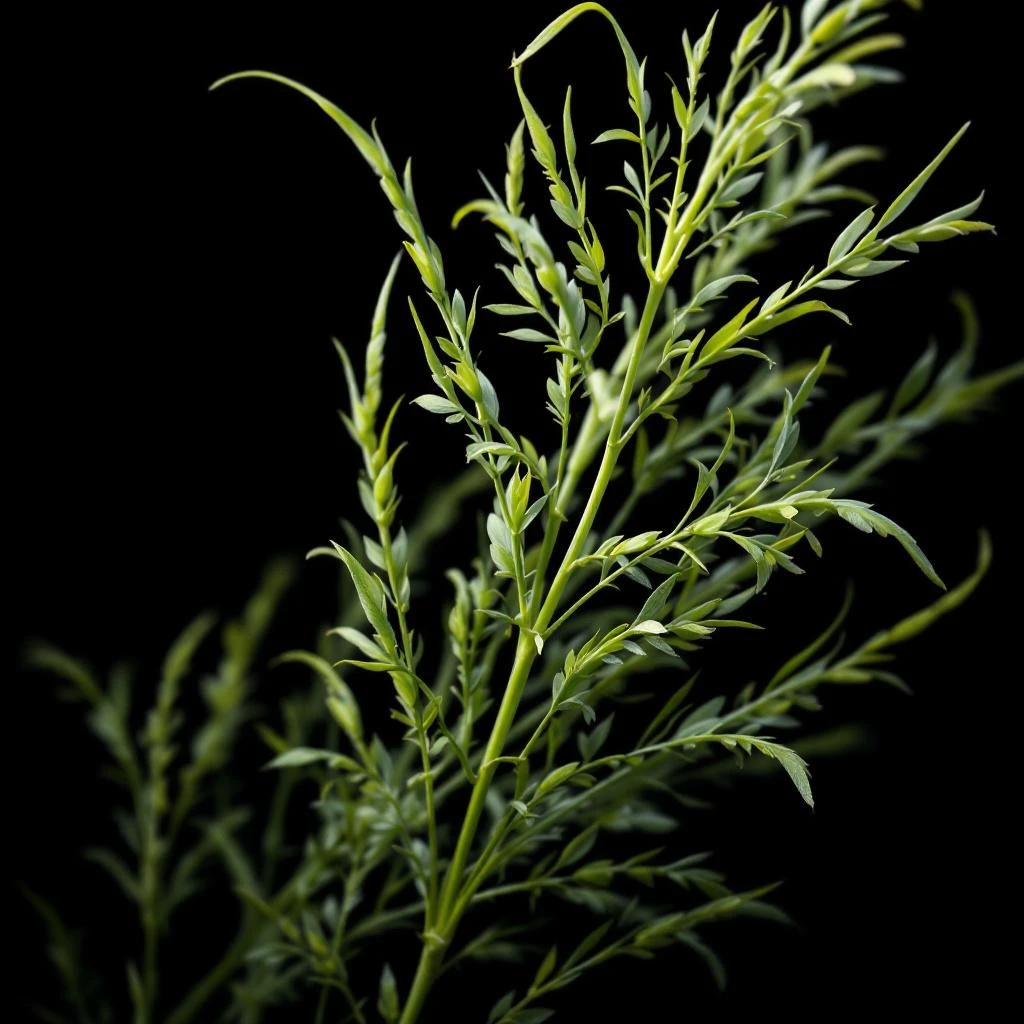
Seagrass is not actually a grass. It is a flowering marine plant that pollinates underwater, one of the only flowering plants to do so.






Origin
Global coastal regions
Marine ingredients entered perfumery gradually, with ambergris and seaweed among the earliest documented oceanic notes in classical formulations. Seagrass specifically gained recognition in the late 20th century as perfumers sought to expand beyond traditional aquatic accords built on synthetic calone and seaweed extracts.
Research published in 2021 documented seagrass among emerging marine botanical sources used in fragrance, alongside mangroves and coastal plants. The ingredient aligned with a broader trend toward nature-inspired compositions that captured specific environments, from tide pools to dune grasses. Coastal regions in the Mediterranean, Southeast Asia, and the Caribbean became primary reference points for sourcing.
Historically, coastal communities used dried seagrass for bedding and insulation, but its aromatic properties were rarely exploited until perfumers began experimenting with steam-distilled variants in the early 2000s. As sustainability concerns grew, brands turned to cultivated seagrass beds and synthetic replicas. Today, seagrass represents both a genuine botanical rarity and a symbol of perfumery's ongoing turn toward the sea as a source of inspiration and raw material.
Wears it best
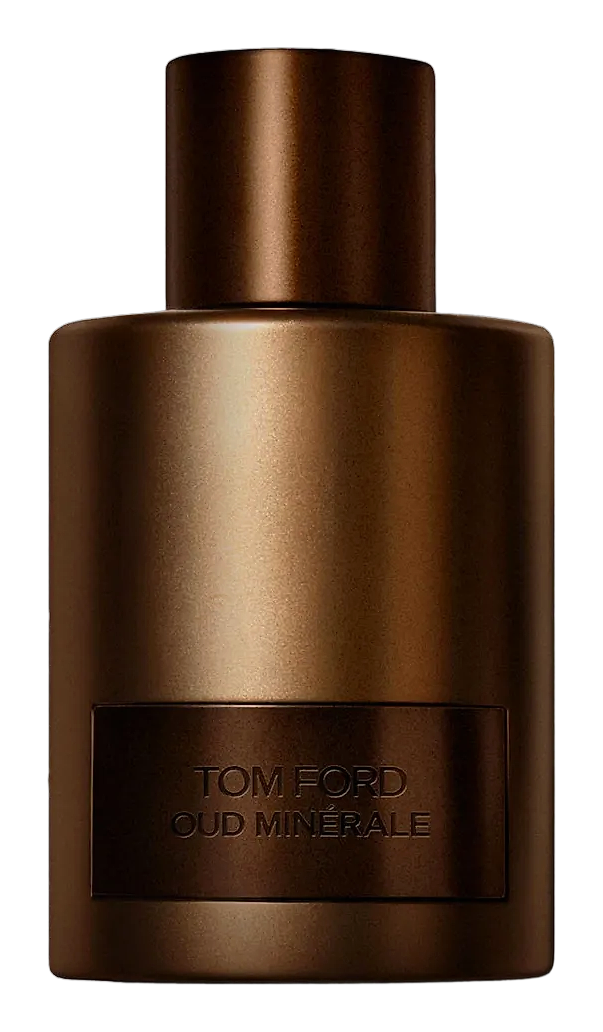
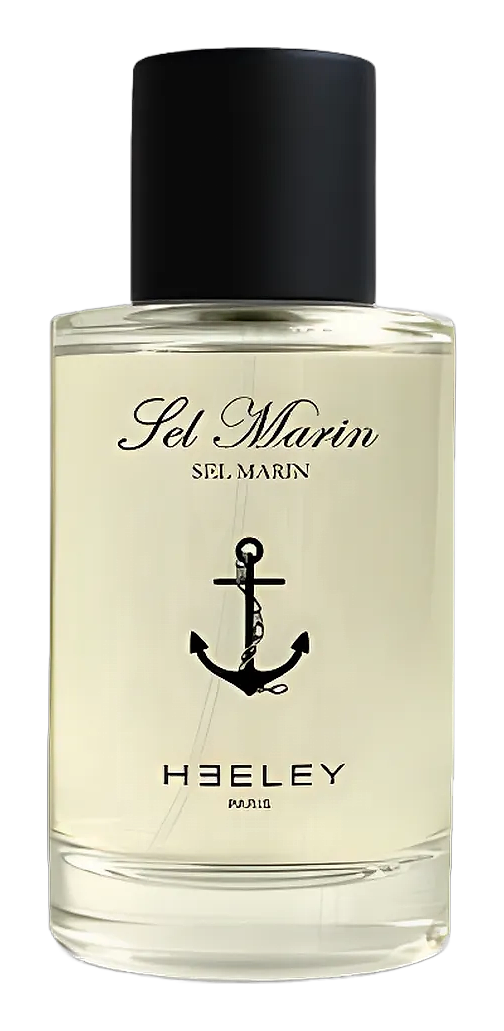
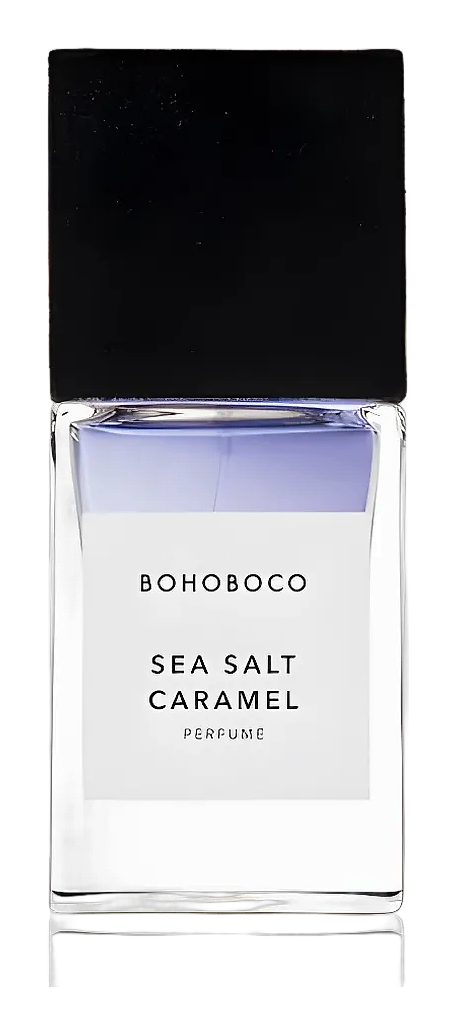
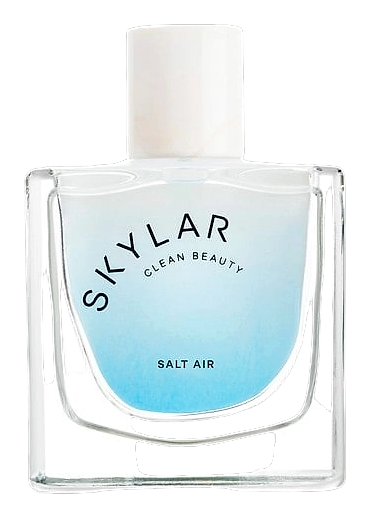
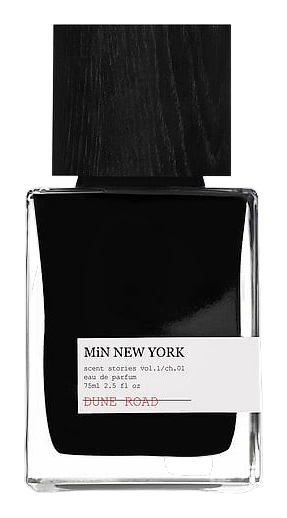
Fragrances featuring Seagrass

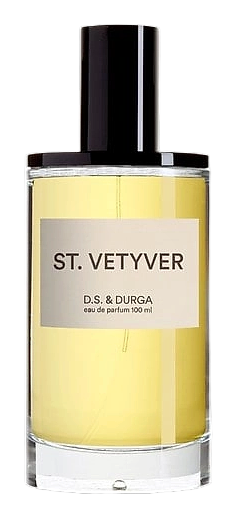
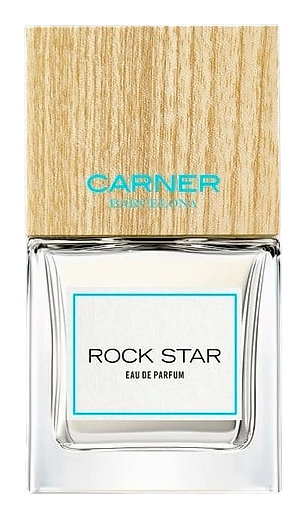
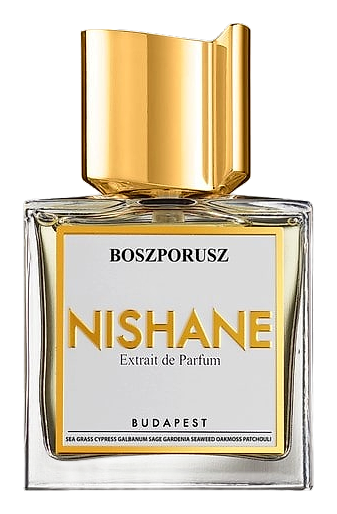
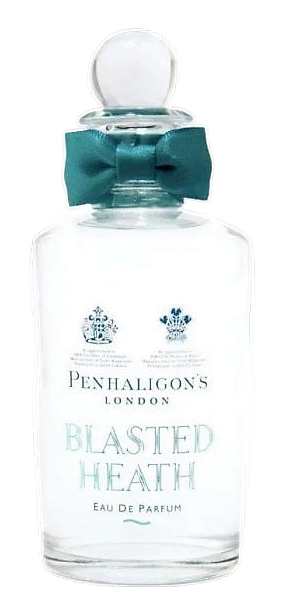
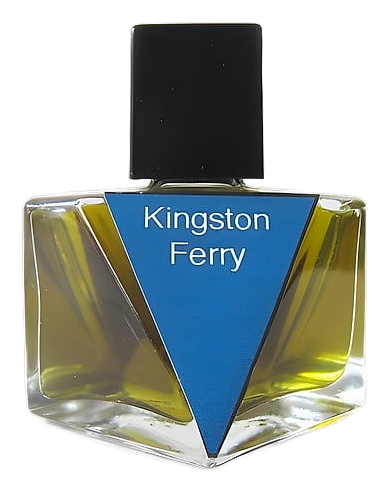
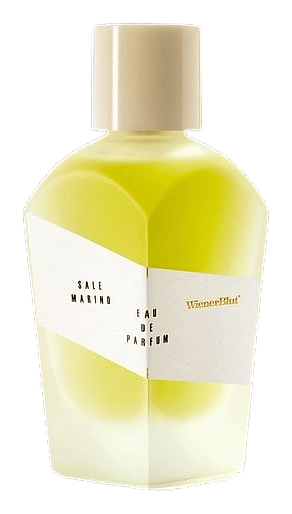
Brands
Brands known for Seagrass
Good to know
Questions, answered
The essentials on Seagrass in perfumery: how it smells, where it comes from, and how it behaves on skin.
What does seagrass smell like in perfume?
Seagrass offers a crisp, green aroma with saline and herbaceous facets. It smells like ocean air filtered through wet vegetation, cool and slightly mineral rather than sweet or floral. This makes it useful in aquatic and coastal fragrance compositions.
Is seagrass a natural or synthetic perfume ingredient?
Seagrass exists as both. Natural seagrass absolute comes from steam-distilled or solvent-extracted plant material, though yields are low. Many modern fragrances use synthetic replicas or headspace-captured accords to replicate the scent sustainably.
How is seagrass different from seaweed in perfumery?
Seaweed typically yields darker, iodine-rich marine notes, while seagrass reads greener and more herbaceous. Both belong to different botanical categories, with seagrass being a flowering plant that lives submerged in coastal meadows.
Where does seagrass used in perfume come from?
Seagrass grows in shallow coastal waters across the Mediterranean, Southeast Asia, and the Caribbean. Wild harvesting occurs in select regions, though cultivated beds and synthetic alternatives now supply most commercial fragrance production.
Why is seagrass rarely used in mainstream fragrances?
Low extraction yields and sustainable sourcing challenges make natural seagrass expensive. Most mass-market aquatic fragrances rely on synthetic molecules like calone instead, reserving true seagrass for niche and artisanal perfumery.
Can seagrass be harvested sustainably for perfume?
Yes, when sourced from managed meadows or cultivated beds. Seagrass ecosystems are ecologically vital, so responsible harvesters cut only mature blades and avoid disturbing root systems. Many perfumers now prefer synthetic or headspace-captured versions.
Does seagrass absolute contain salt?
No. Salt is removed during extraction through washing and drying processes. The saline impression in seagrass fragrances comes from aromatic compounds that mimic the sensation of sea air, not actual sodium chloride.
What fragrance families use seagrass?
Seagrass appears most often in aquatic, aromatic green, and coastal-inspired compositions. It pairs well with marine accords, white musks, and citrus notes, and occasionally surfaces in unisex fragrances aiming for a fresh, outdoorsy character.