The Story
Why it exists.
The beginning
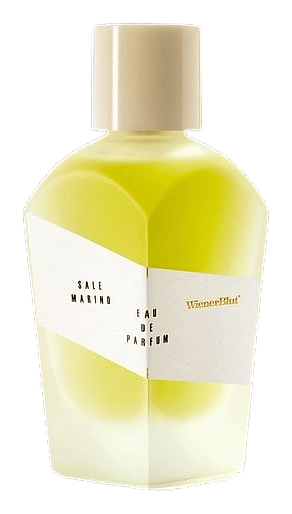
Sale Marino arrived in 2015 from perfumer Valerie Garnuch-Mentzel. The name references the Adriatic Coast of Laurels, the Bay of Quarnero along the Imperial Austrian shoreline. When the bora wind whips those black waters, it creates a specific kind of salt-heavy mist that the brand wanted to translate into liquid form. Garnuch-Mentzel didn't reach for the usual marine shortcuts. She built the composition around herbs, layering them against an absolute of seagrass and algae to anchor the formula in botanical realism rather than generic ocean tropes. The archival connection runs through WienerBlut's approach: finding a documented scent reference, a specific place with recorded olfactory associations, and working backward from that historical moment to a modern formula.
What makes Sale Marino work is the tension between freshness and depth. Most marine fragrances open bright and flatten out within an hour. The algae absolute here is unusual, it's not the clean, synthetic 'aquatic' note found in mainstream fragrances. It carries a green, slightly iodic character that smells genuinely marine rather than artificially so. The bay leaf and clary sage add an herbal dimension that keeps the salt from becoming one-note. The pistachio appearing in the heart is an unexpected choice. It brings a faint nuttiness that rounds the edges without sweetening the composition.
The evolution
The opening hits fast, within seconds salt and wet seagrass arrive together. There's an immediate coolness, like walking into a sea cave where the air hasn't warmed since dawn. The bay leaf appears within the first minutes, herbal and slightly sharp, keeping the marine notes from becoming sweet. Around the thirty-minute mark, the composition shifts. The saltiness remains, but the herbal layer deepens. Clary sage brings a sage-like warmth. The juniper, present from the start, becomes more obvious, a clean, piney quality that reads as aromatic rather than aquatic. This is the fragrance's most distinctive phase: still clearly marine, but no longer relying solely on salt to prove it. By the second hour, the cedar takes over. The marine notes recede but don't disappear entirely, they linger at the edges, like the memory of the ocean after you've come inside.
Cultural impact
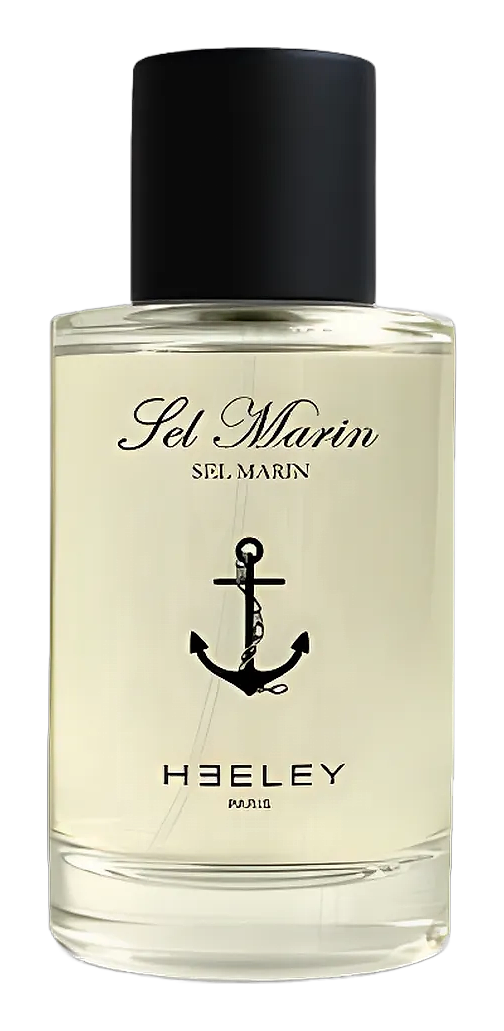
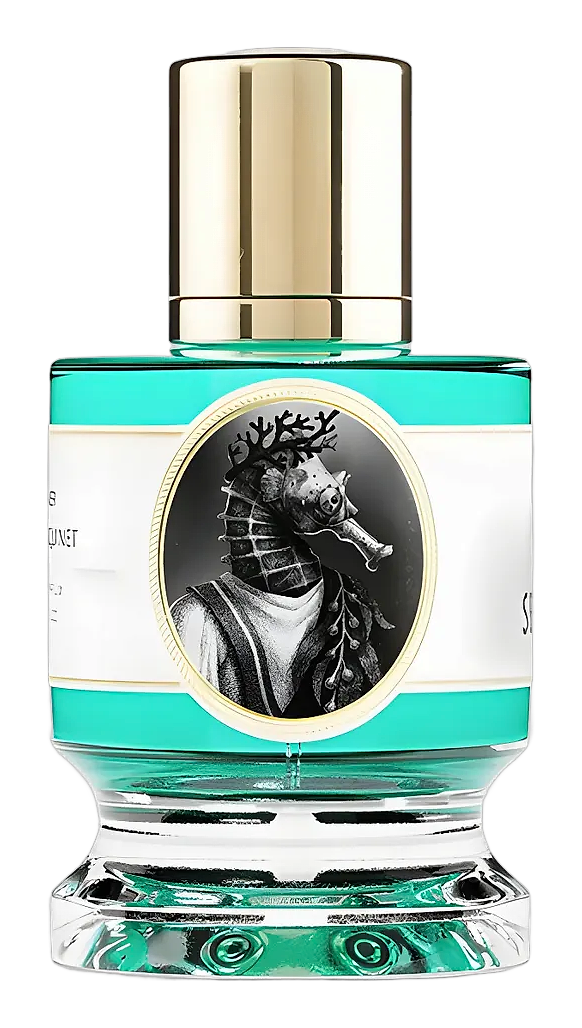
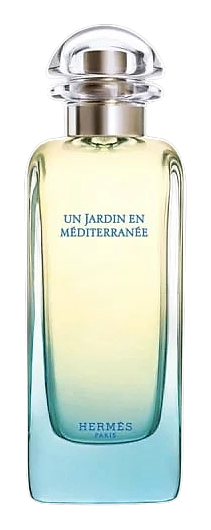
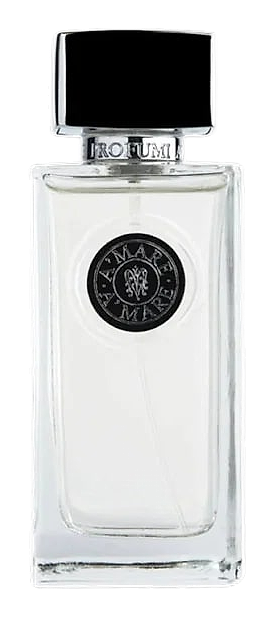
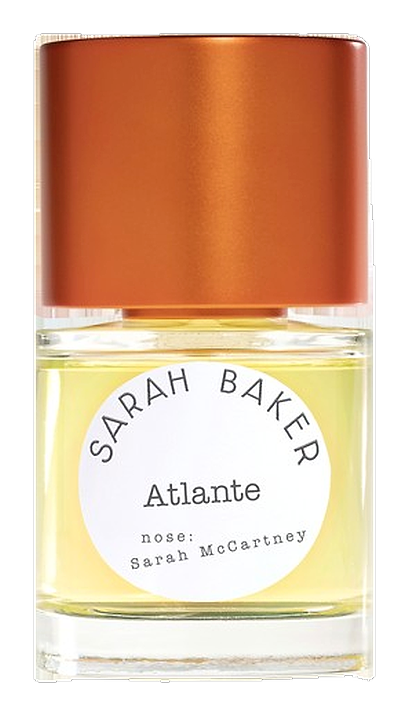
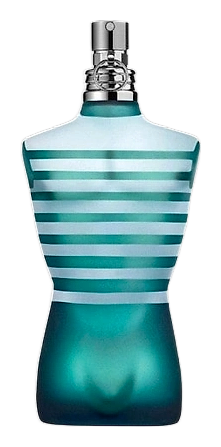
Sale Marino occupies a specific corner of the marine fragrance landscape, a composition that rewards attention rather than simply announcing itself. It sits comfortably alongside fragrances like Heeley's Sel Marin and Zoologist's Seahorse in the category of marine compositions that offer genuine complexity. The herbaceous undertones distinguish it from mainstream aquatics, giving it depth alongside its marine freshness. Rather than leaning on expected oceanic tropes, the fragrance builds its marine character through botanical realism, creating something that feels like documented place rather than generic beach.