The Story
Why it exists.
The beginning
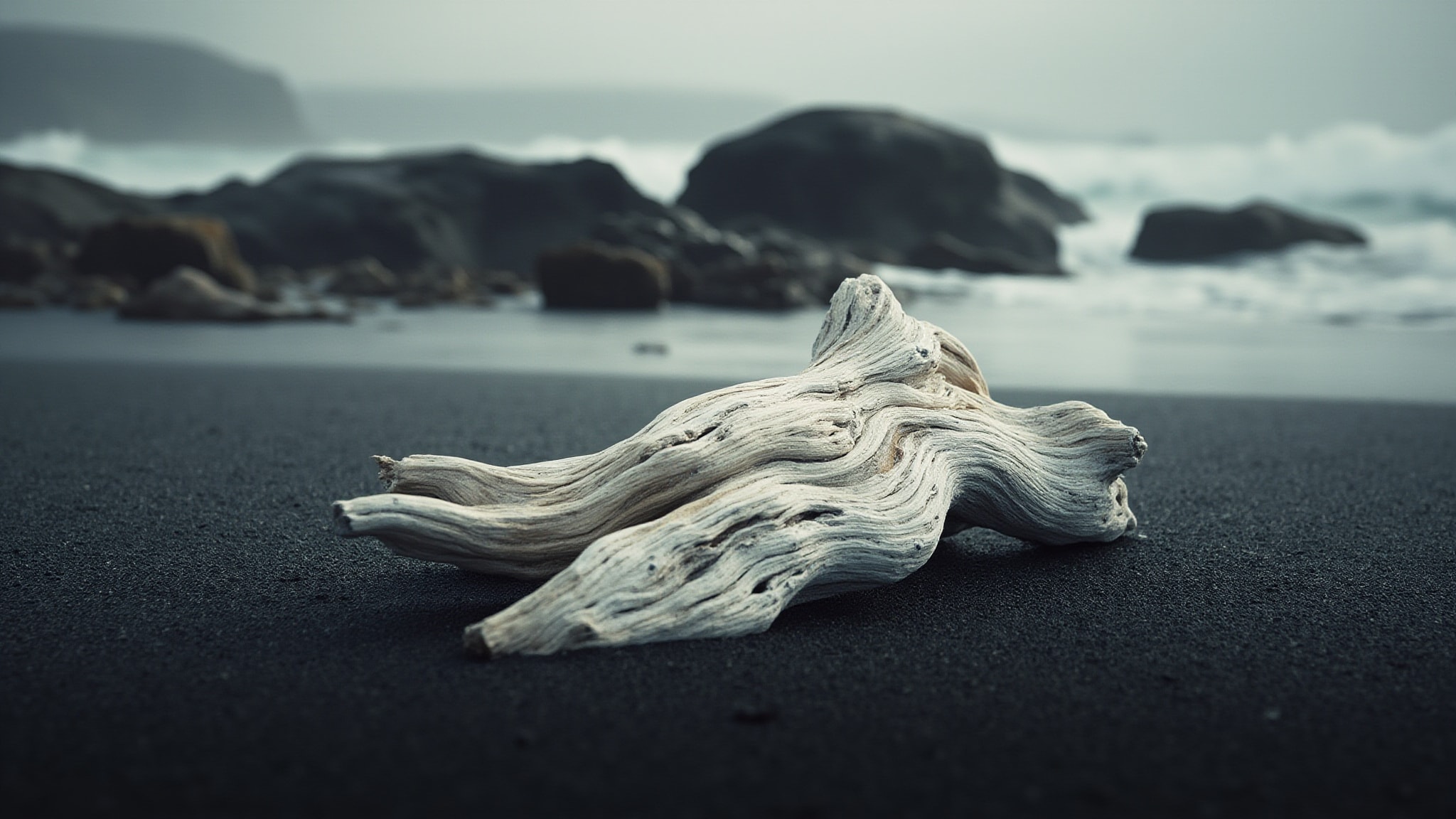
Juliette Karagueuzoglou created Un Air de Bretagne as part of L'Artisan Parfumeur's Les Paysages collection, a line dedicated to translating specific French landscapes into olfactory form. For Brittany, the brief was clear: capture a coastline that is windswept, mineral, and only incidentally picturesque. Karagueuzoglou reached for ingredients that do not smell conventionally pleasant. Seaweed is not a comfortable note. Ambergris reads as strange to many noses. Calone can polarize. But these are the precise materials that make Brittany feel like Brittany rather than a generic Mediterranean beach. L'Artisan Parfumeur's broader philosophy underpins this approach: perfume should surprise, even at the cost of immediate likability.
The note philosophy here is one of uncompromising specificity. Bergamot and citrus were chosen not for their freshness alone but for the particular brightness they lend to Atlantic light, which is cooler and less golden than Mediterranean sun. Calone and neroli represent marine and floral simultaneously, acknowledging that Breton coasts do have flowers growing among the rocks. The drydown leans into salt and bark because that is what remains on the skin after a long walk along the waterline. No single note is decorative. Each serves the landscape that inspired the composition.
The evolution
The evolution of Un Air de Bretagne follows a clear arc from brightness to depth. It opens with bergamot and citruses, bright and almost astringent, the olfactory equivalent of salt spray catching afternoon light. Within minutes, Calone shifts the register entirely, bringing a marine ozone quality that neroli softens with its quiet floral presence. The heart feels like sea air with a hint of blossom, a contradiction that works because both elements are presented without apology. As the fragrance moves into its drydown, seaweed emerges as the dominant force, bringing mineral salt and an almost bitter greenness that distinguishes this from any standard aquatic. Cypress and cedarwood provide structure and dry down, while ambergris adds the faintest animalic warmth that prevents the finish from feeling purely mineral.
Cultural impact
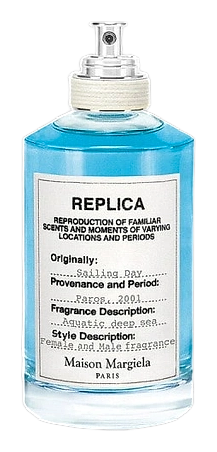
Un Air de Bretagne occupies a specific corner of the aquatic category. Its moderate sillage and grounded drydown make it a quiet alternative to louder coastal scents. The use of seaweed absolute and ambergris gives it a base that differs from more conventional marine fragrances. Similar fragrances in this space include Maison Margiela's Sailing Day and Carthusia's A'mmare. The composition offers something for wearers who appreciate coastal themes but want something less predictable than typical marine fragrances. Its balance of marine and landward notes creates a distinctive character that stands apart from straightforward aquatic launches.