
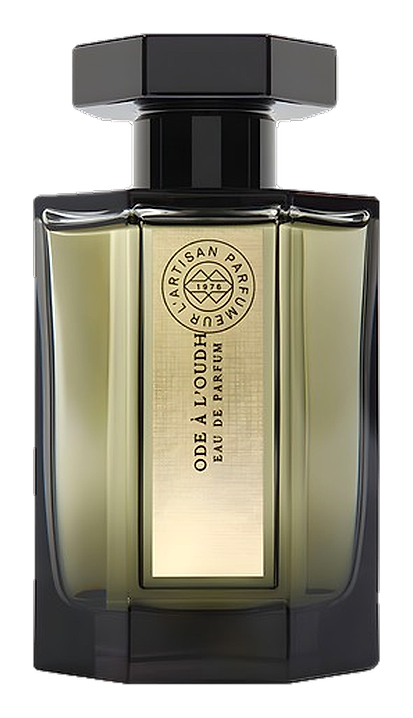
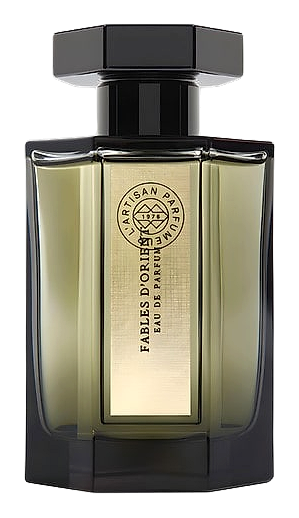
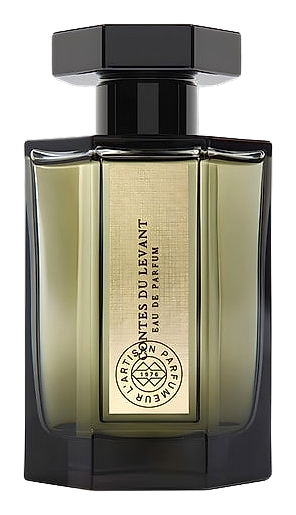
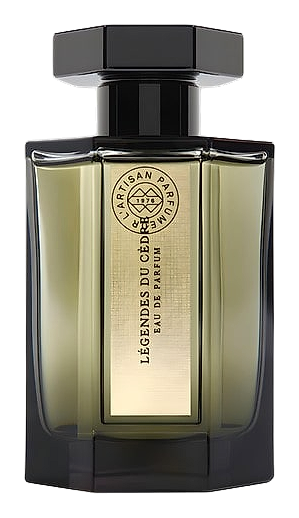
The Heritage
The Story of L'Artisan Parfumeur
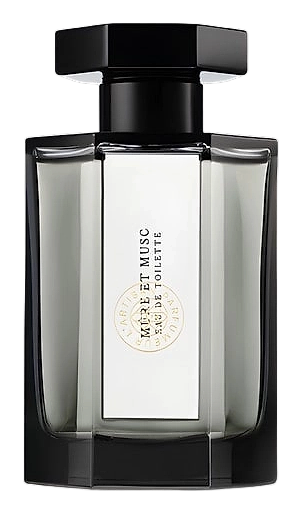
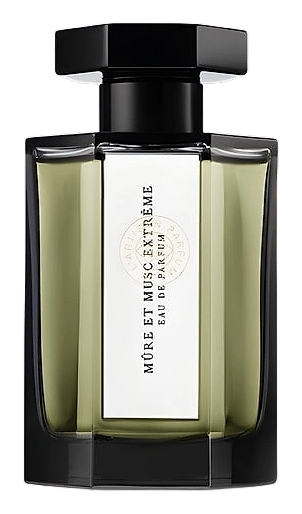
L'Artisan Parfumeur arrived in 1976 with a quietly radical idea: perfume should feel personal, not mass-produced. Founded by chemist Jean Laporte in Paris, the house became one of the first true niche fragrance houses, championing natural ingredients and artisanal craft at a time when blockbuster launches dominated the market. Its Mûre et Musc, launched in 1978, paired blackberry and musk in a way no one had attempted before, and it became a sensation. Over nearly five decades, the house has continued to create unusual fragrances with distinguished noses, never following trends but trusting instead in beautiful materials and imaginative composition.
Heritage
Jean Laporte founded L'Artisan Parfumeur in 1976, trained as both chemist and perfumer in the perfume capital of Grasse. His goal was to bring the intimacy and personal touch of an artisan perfumer to Paris, rather than chase the blockbuster formulas dominating the market. He opened his first boutique on Rue de Grenelle in 1979, creating a space where fragrance became a personal encounter. The house's first landmark fragrance came in 1978 with Mûre et Musc, a blackberry and musk scent so original it redefined what a niche fragrance could be. It became a bestseller and remains in the collection today. Laporte departed in 1982 and went on to found rival house Maître Parfumeur et Gantier, but L'Artisan continued its creative trajectory. Subsequent releases cemented the house's reputation for innovation. Premier Figuier in 1994 was the first fragrance built around the entire fig tree, from green branches to ripe fruit. Passage d'Enfer in 1999 captured the atmosphere of a Parisian church. Timbuktu in 2004 explored African-inspired territory. In 2012, Séville à l'aube emerged from a collaboration between perfumer Bertrand Duchaufour and fragrance writer Denyse Beaulieu, whose memoir The Perfume Lover documented their process of more than 100 formula revisions. In 2015, Spanish fragrance group Puig acquired L'Artisan Parfumeur alongside British house Penhaligon's. The house has maintained its creative direction while expanding globally.
Craftsmanship
L'Artisan Parfumeur builds its fragrances from high-quality natural ingredients combined with precision in fragrance chemistry. The house believes good perfumers instinctively understand harmony, choosing the right notes to create subtle shifts and flow through a composition. Each scent interacts with individual skin chemistry, producing a unique result as fragrance meets warmth and the wearer's specific chemistry. The perfumers the house works with are recognized masters: Olivia Giacobetti (Premier Figuier), Bertrand Duchaufour (Séville à l'aube), Anne Flipo, Jean-Claude Ellena, Michel Almairac, and others. These noses bring different backgrounds and aesthetics but share a commitment to original, well-executed work. L'Artisan has also shown willingness to work with newer talents alongside established figures. For home fragrance, the house introduced its hand-poured Amber Ball in 1976, still handmade by artisan makers in France's Oise region. Each ball contains exotic amber crystals and provides fragrance for approximately two years, with refill options available. The attention given to this product, treating home scent with the same seriousness as wearable fragrance, reflects the house's broader commitment to craft across every category.
Design Language
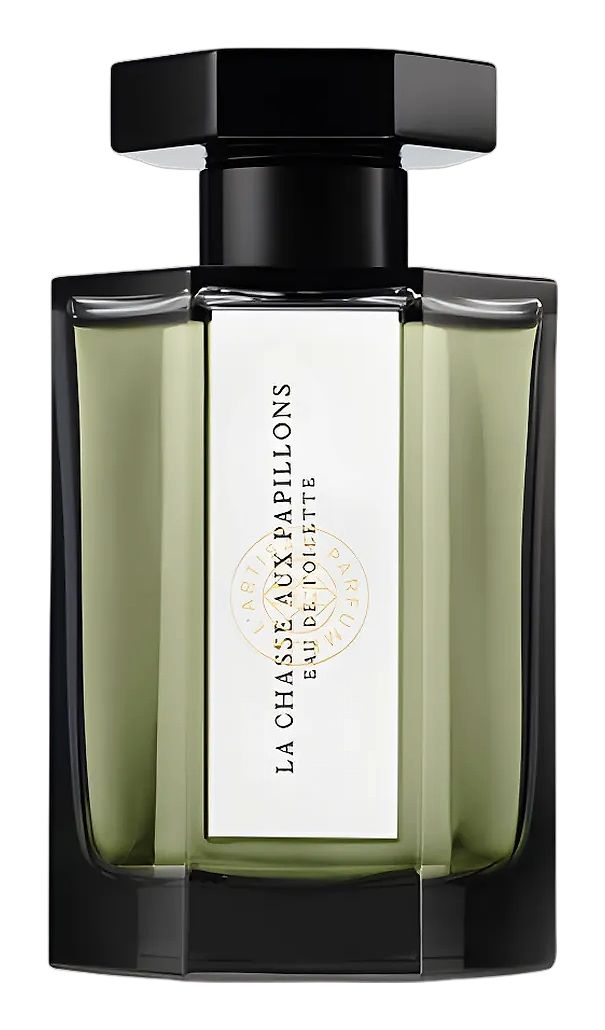
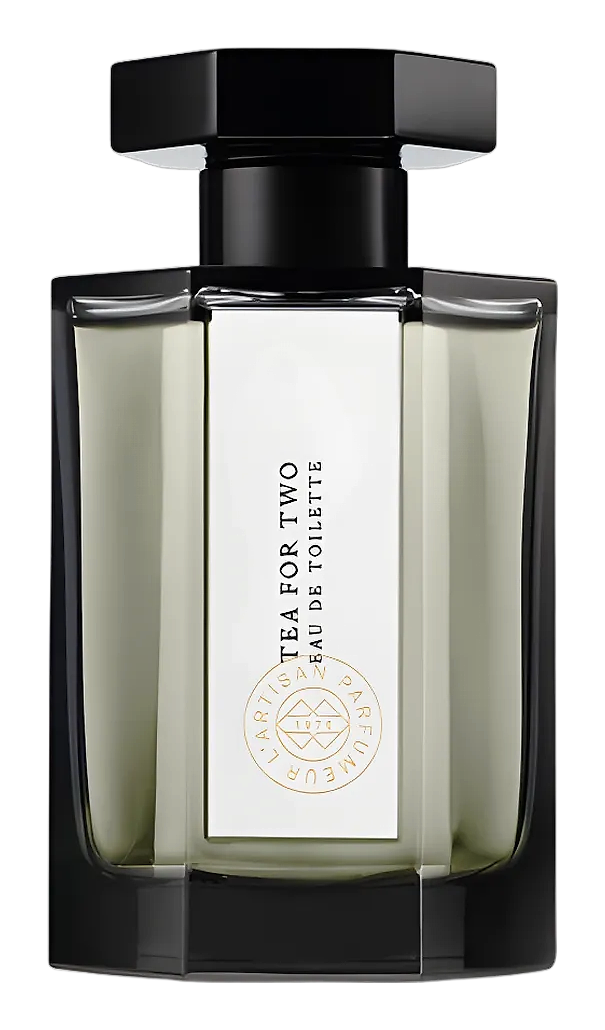
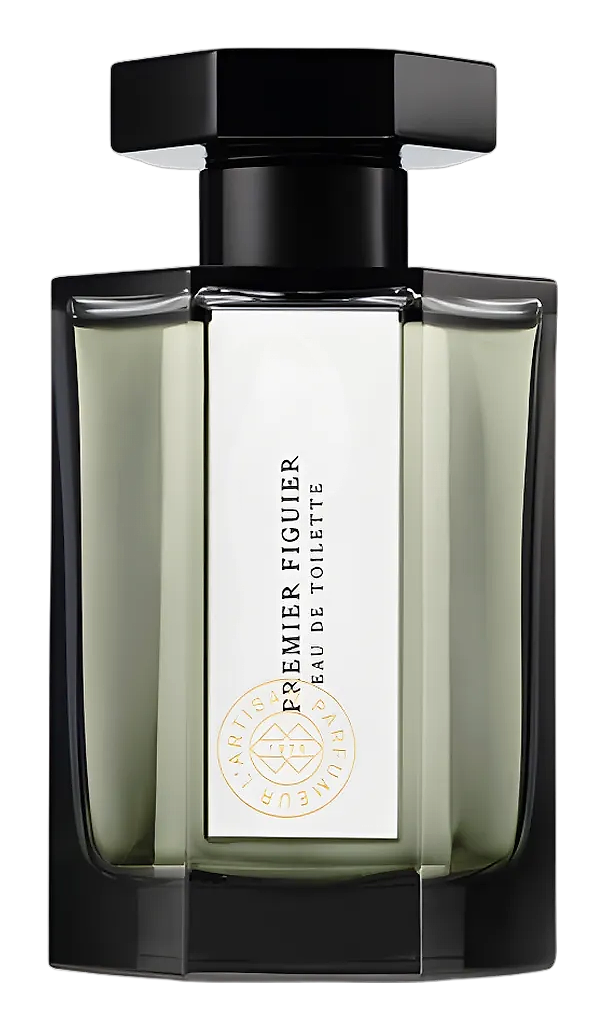
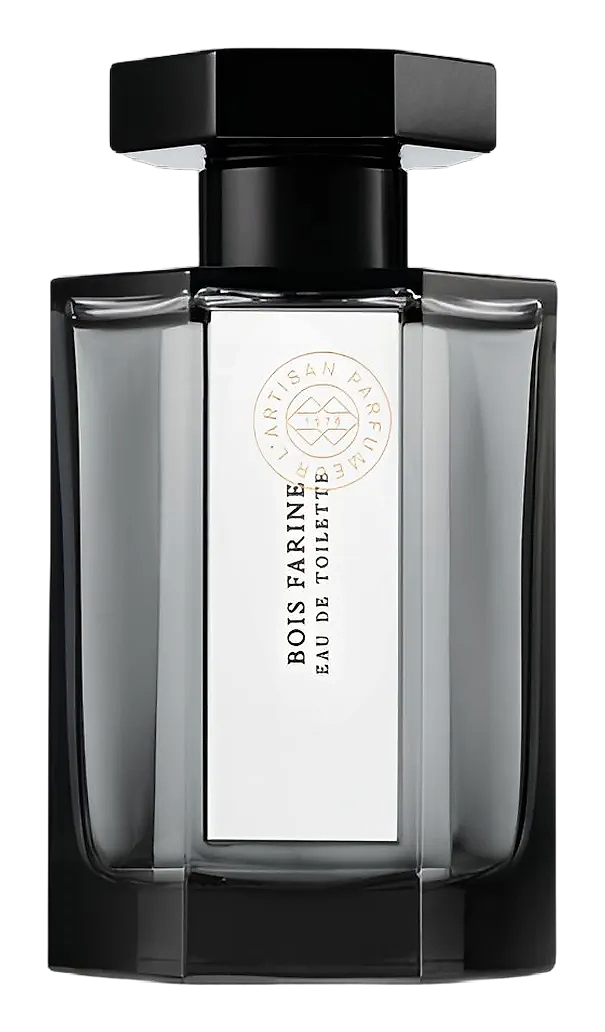
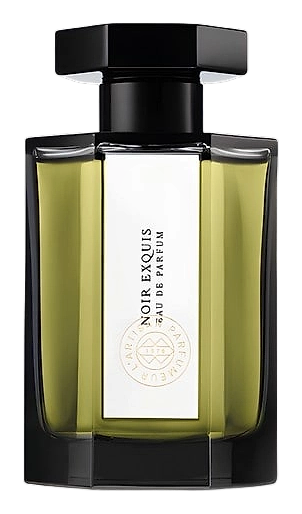
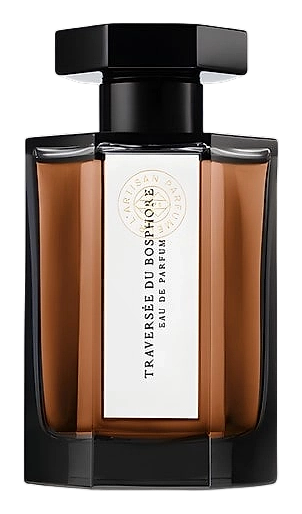
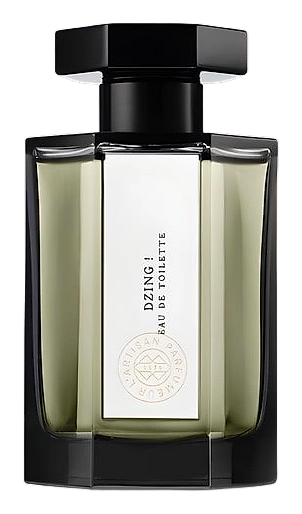
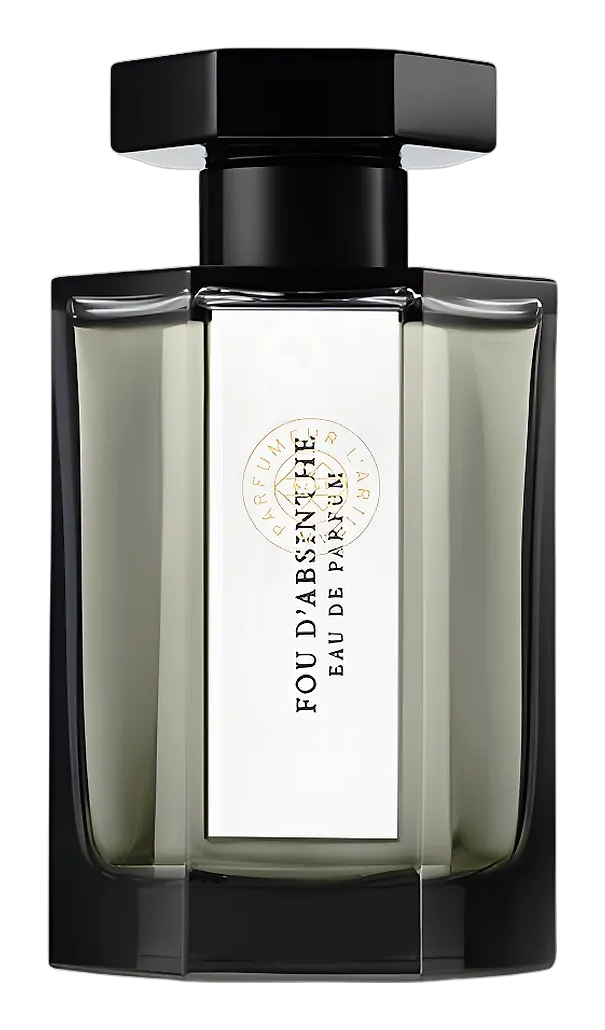
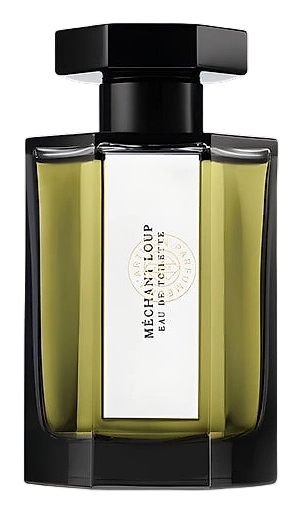
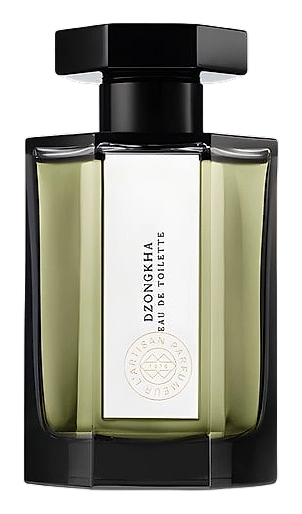
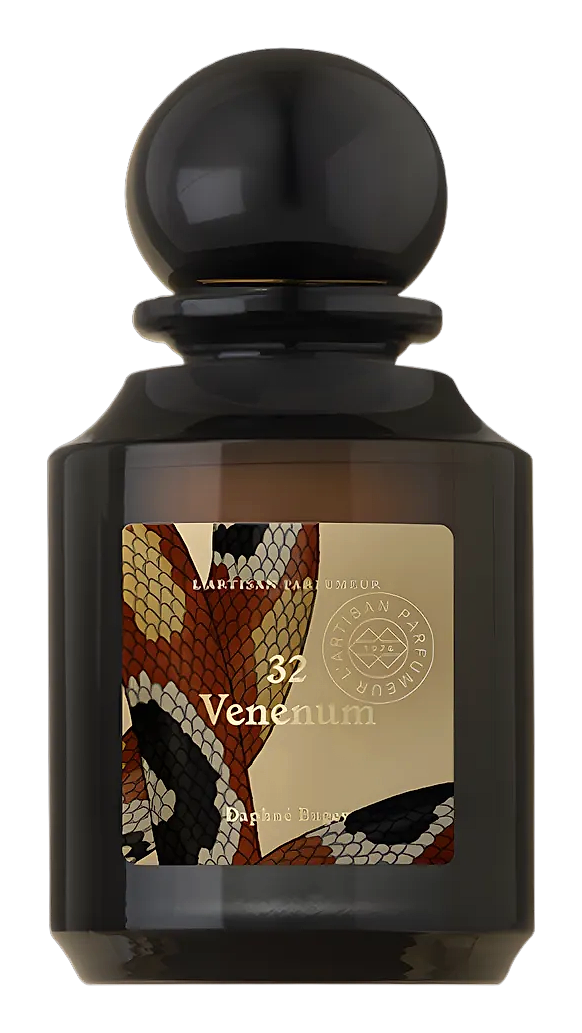
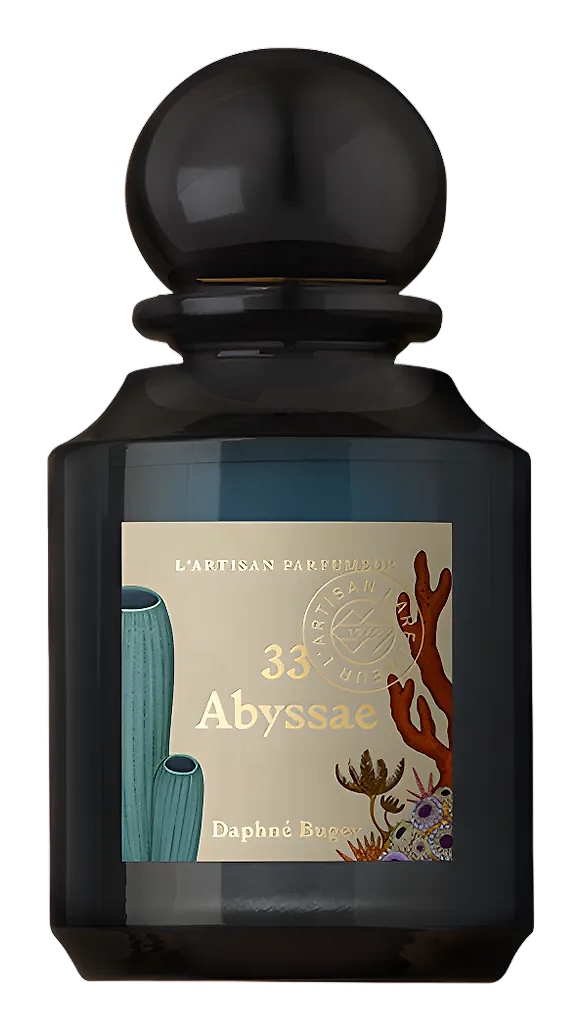
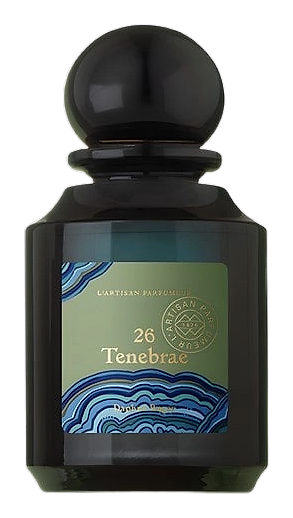
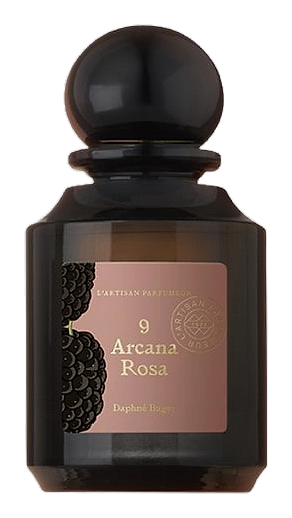
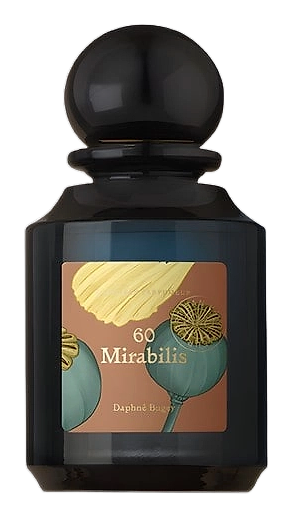
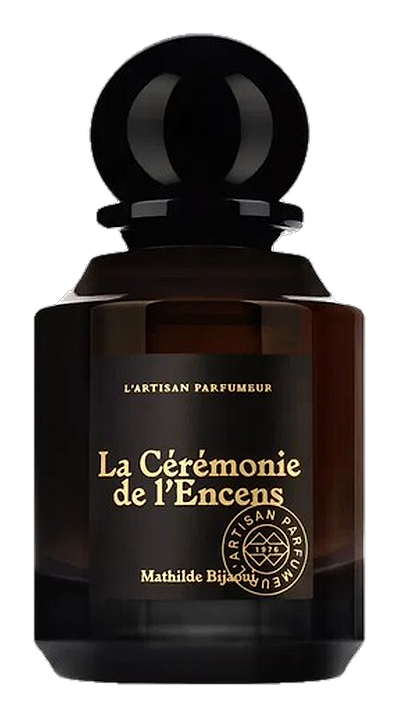
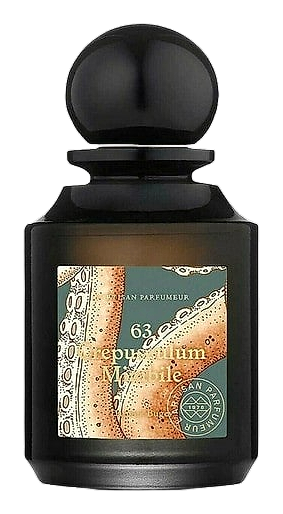
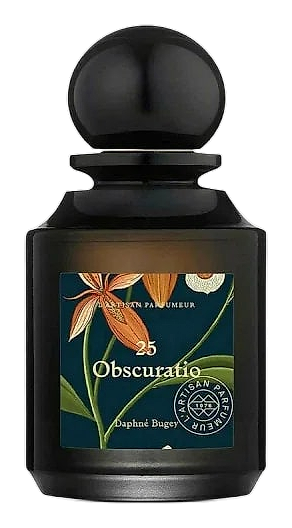
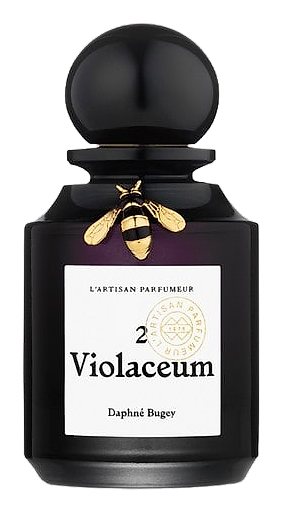
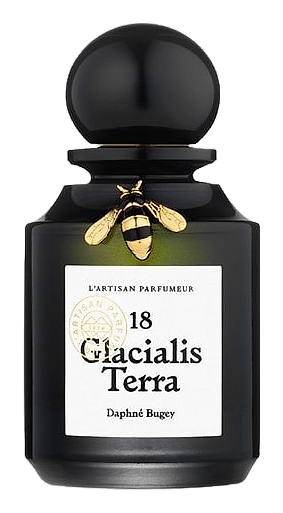
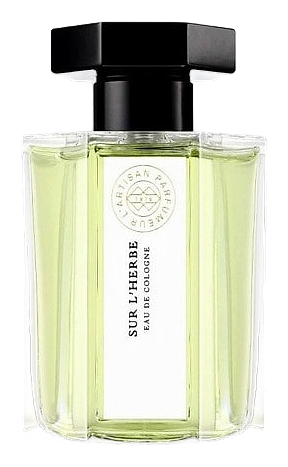
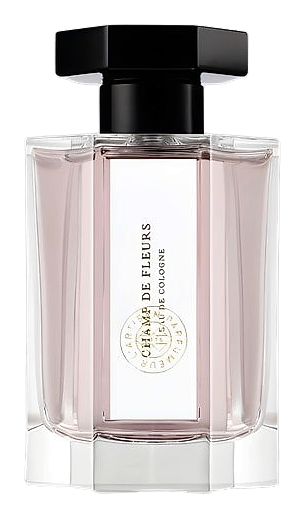
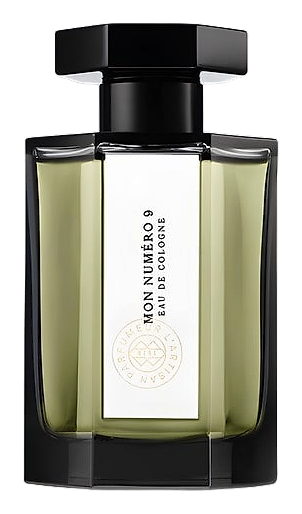
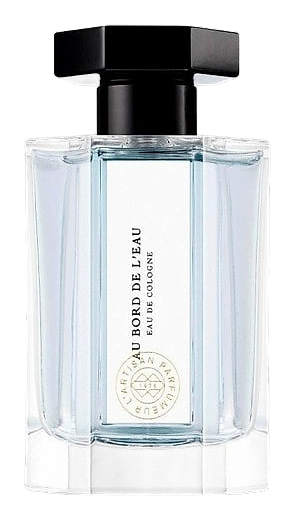
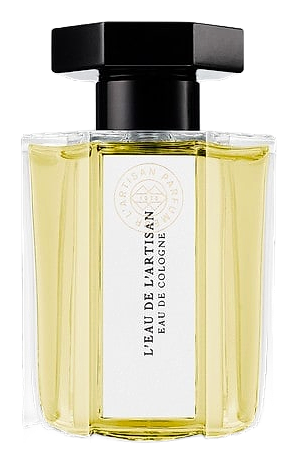
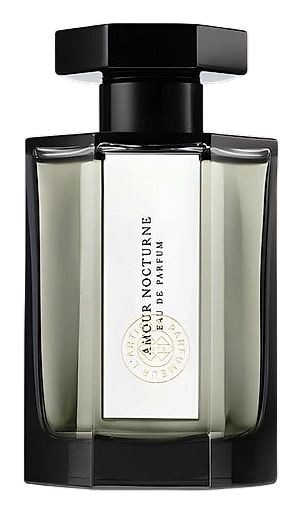
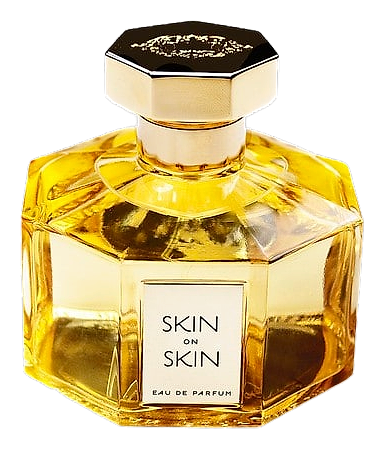
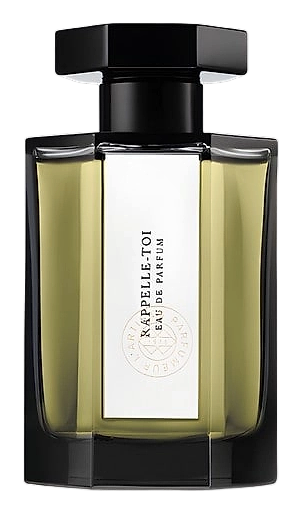
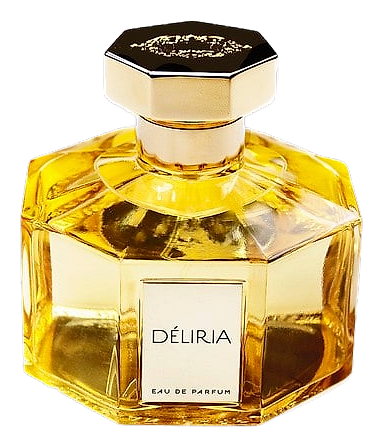
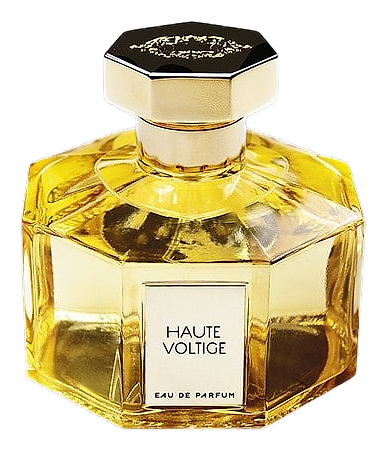
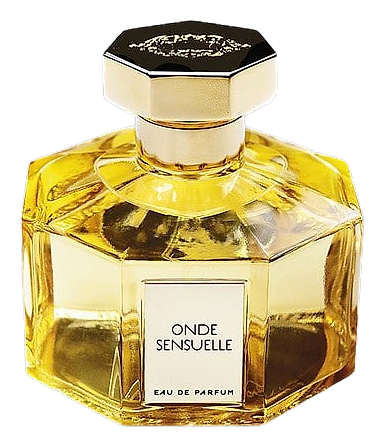
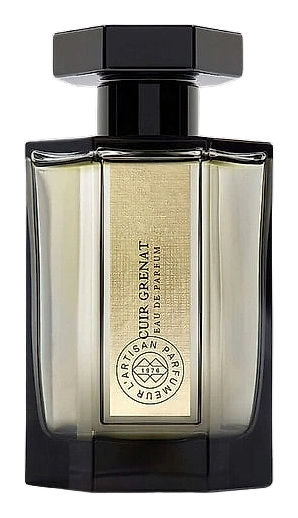
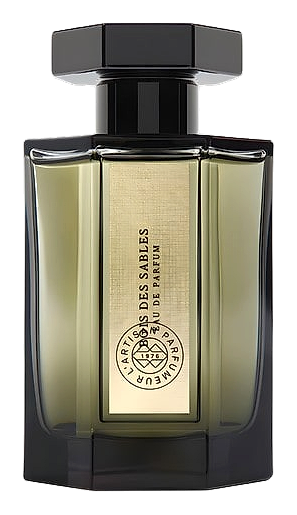
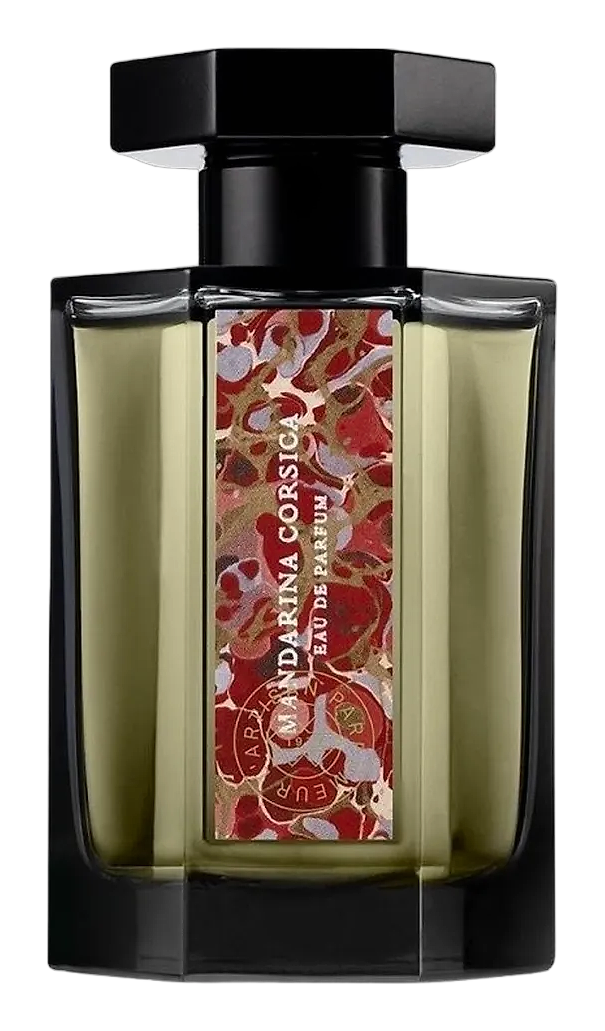
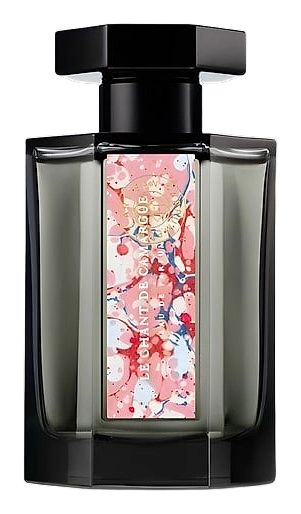
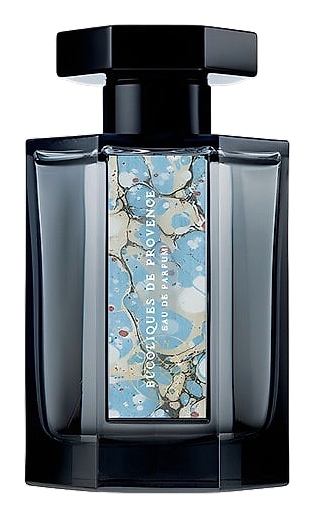
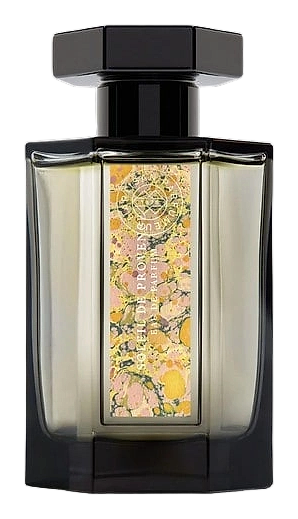
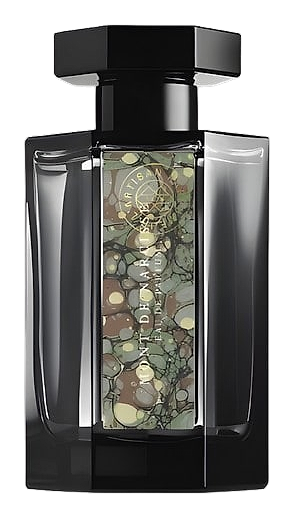
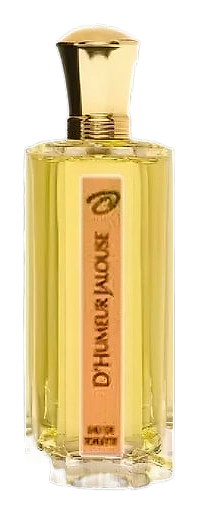
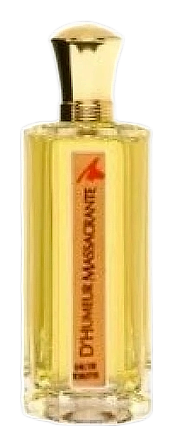
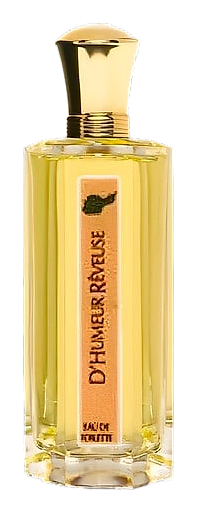
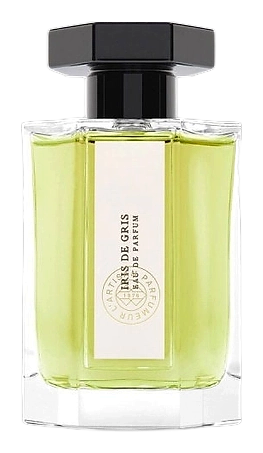
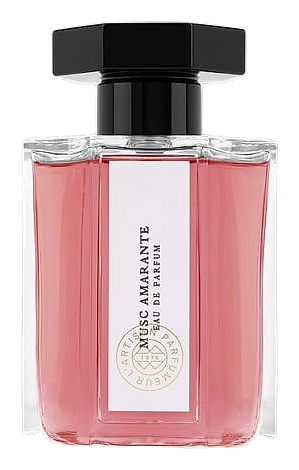
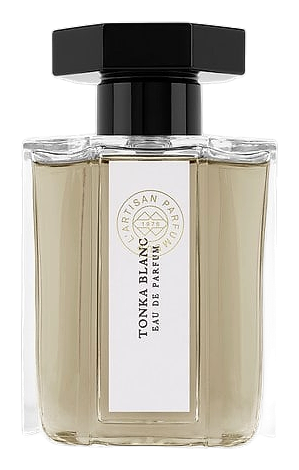
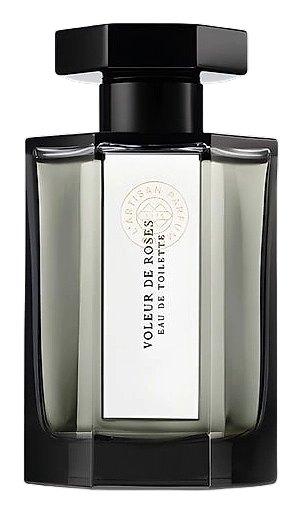
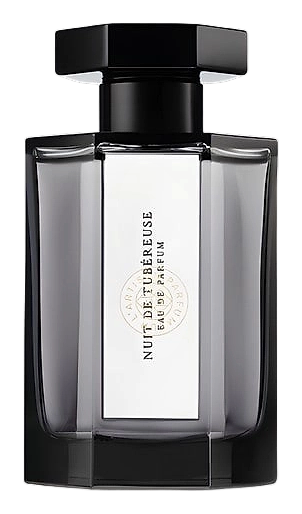
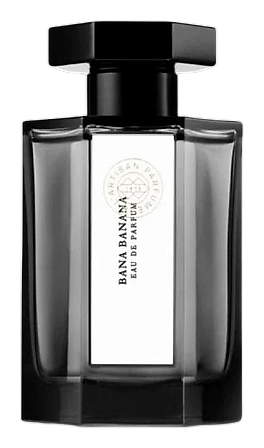
The brand's visual identity reflects its philosophy: fragrance as object, as art. After forty years, the collection received a contemporary redesign in 2016, introducing seven-sided smoked glass bottles that echo the geometry and intentionality of contemporary sculpture. The bottles are designed to be distinctive and holdable, objects that reward attention. The brand's editorial voice is poetic without being pretentious. Fragrance names suggest stories: Passage d'Enfer, Timbuktu, Séville à l'aube, Premier Figuier. The house describes its perfumes as experiences rather than products, something that can be disconcerting and amazing in equal measure. The flagship Grande Boutique sits near the Louvre, and the brand maintains a curated global presence with boutiques and stockists across Europe, Asia, and North America. Everything the house produces, from its perfumes to its candles and home fragrances, carries this sense of considered design and artistic intent.
Philosophy
L'Artisan Parfumeur specializes in unusual fragrances that draw from nature and resist easy categorization. The house works with master perfumers who bring distinct creative personalities to each brief: Jean-Claude Ellena, Olivia Giacobetti, Anne Flipo, Bertrand Duchaufour, Michel Almairac, and others have shaped the collection over the years. Rather than chasing trends, the house follows its instinct for ingredients it finds genuinely beautiful. The philosophy treats each fragrance as an olfactory narrative, something that rewards patient acquaintance rather than instant judgment. Giacobetti's Premier Figuier, for instance, decomposed the entire fig tree into scent: green branches, sun-warmed leaves, ripe fruit. The brand describes its approach as creating perfumes that can both delight and surprise, likening the experience of smelling one of their creations to standing before a piece of contemporary sculpture.
Key Milestones
1976
Jean Laporte founds L'Artisan Parfumeur in Paris
1978
Mûre et Musc launches, becoming an instant bestseller
1979
First boutique opens on Rue de Grenelle, Paris
1994
Premier Figuier by Olivia Giacobetti launches, pioneering the fig fragrance category
2012
Séville à l'aube created with Bertrand Duchaufour; Denyse Beaulieu's memoir The Perfume Lover documents the collaboration
2015
Puig acquires L'Artisan Parfumeur from Fox Paine & Company
At a Glance
Brand profile snapshot
Origin
France
Founded
1976
Heritage
50
Years active
Collection
8
Fragrances released
Avg Rating
3.9
Community sentiment
Release Rhythm


