The Story
Why it exists.
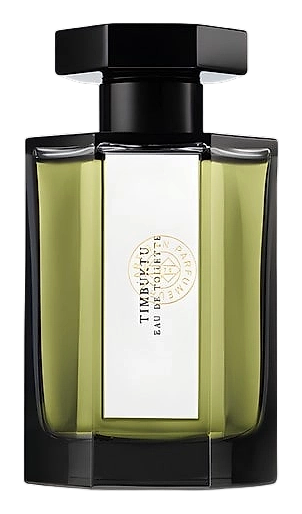
Traveling to the historic city of Timbuktu, perfumer Bertrand Duchaufour immersed himself in the ancient Malian ritual known as Wusulan, where women scent their hair and skin with fragrant herbs. The experience inspired L'Artisan Parfumeur’s second entry in its travel‑inspired collection, aiming to capture the mystery of desert caravans and the magnetic pull of distant horizons. Launched in 2004, the fragrance translates the scent of sun‑baked markets, spice‑laden breezes and the quiet reverence of a place where time seems to pause.
If this were a song
Community picks
Desert Rose
Sting
The Beginning
Traveling to the historic city of Timbuktu, perfumer Bertrand Duchaufour immersed himself in the ancient Malian ritual known as Wusulan, where women scent their hair and skin with fragrant herbs. The experience inspired L'Artisan Parfumeur’s second entry in its travel‑inspired collection, aiming to capture the mystery of desert caravans and the magnetic pull of distant horizons. Launched in 2004, the fragrance translates the scent of sun‑baked markets, spice‑laden breezes and the quiet reverence of a place where time seems to pause.
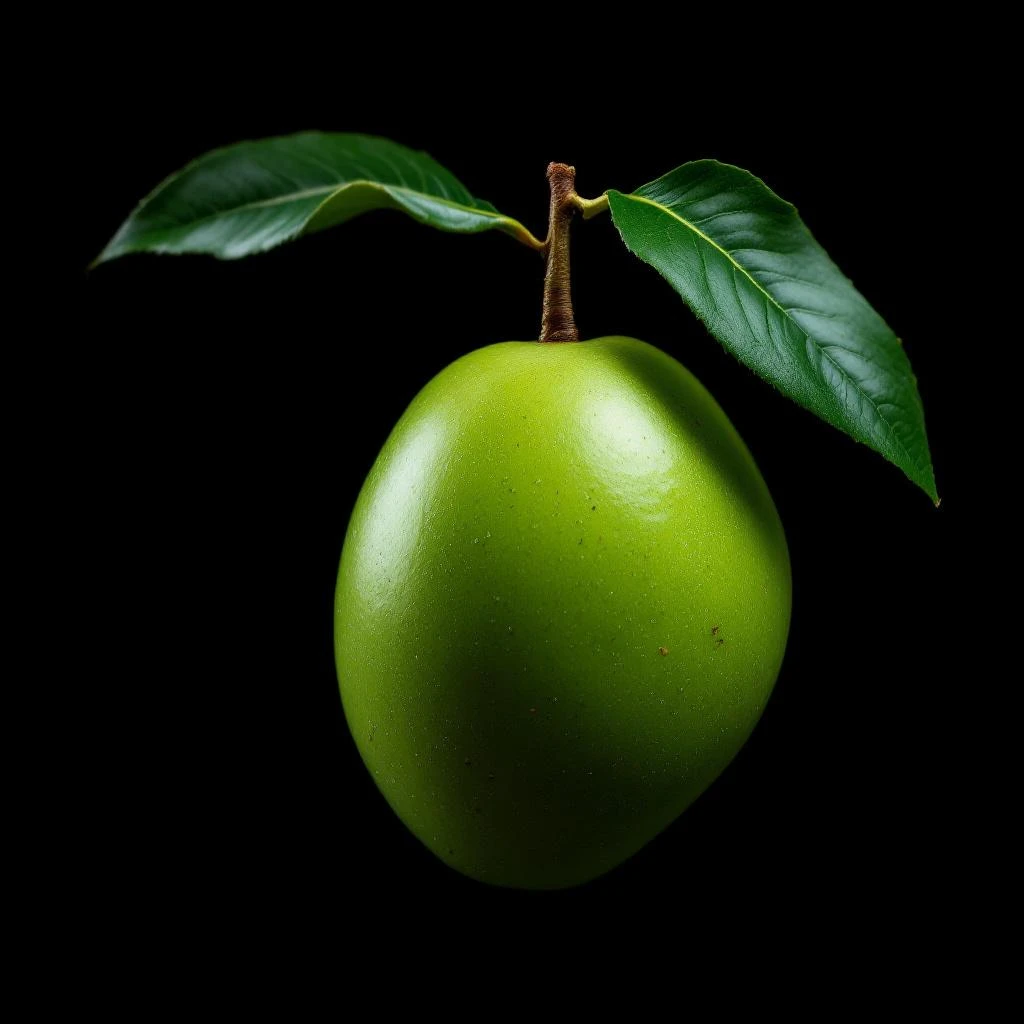
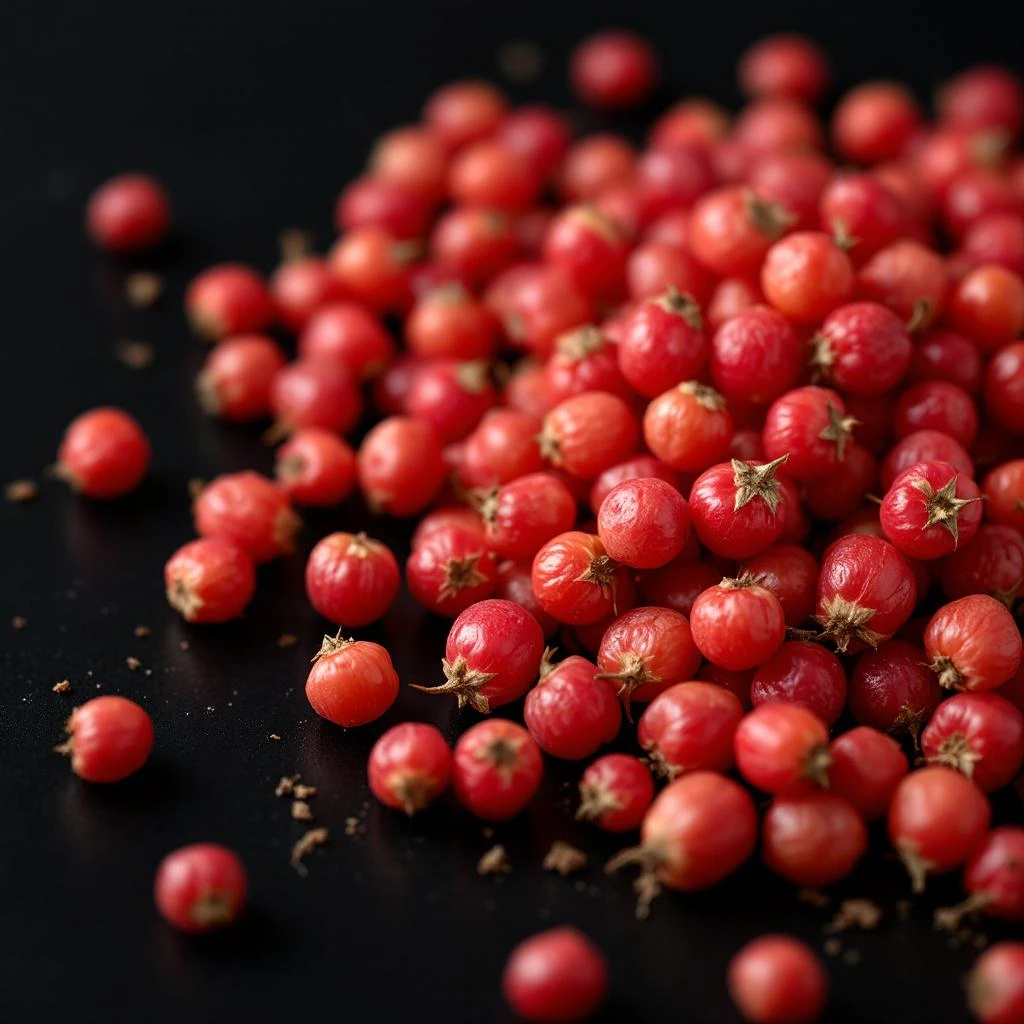
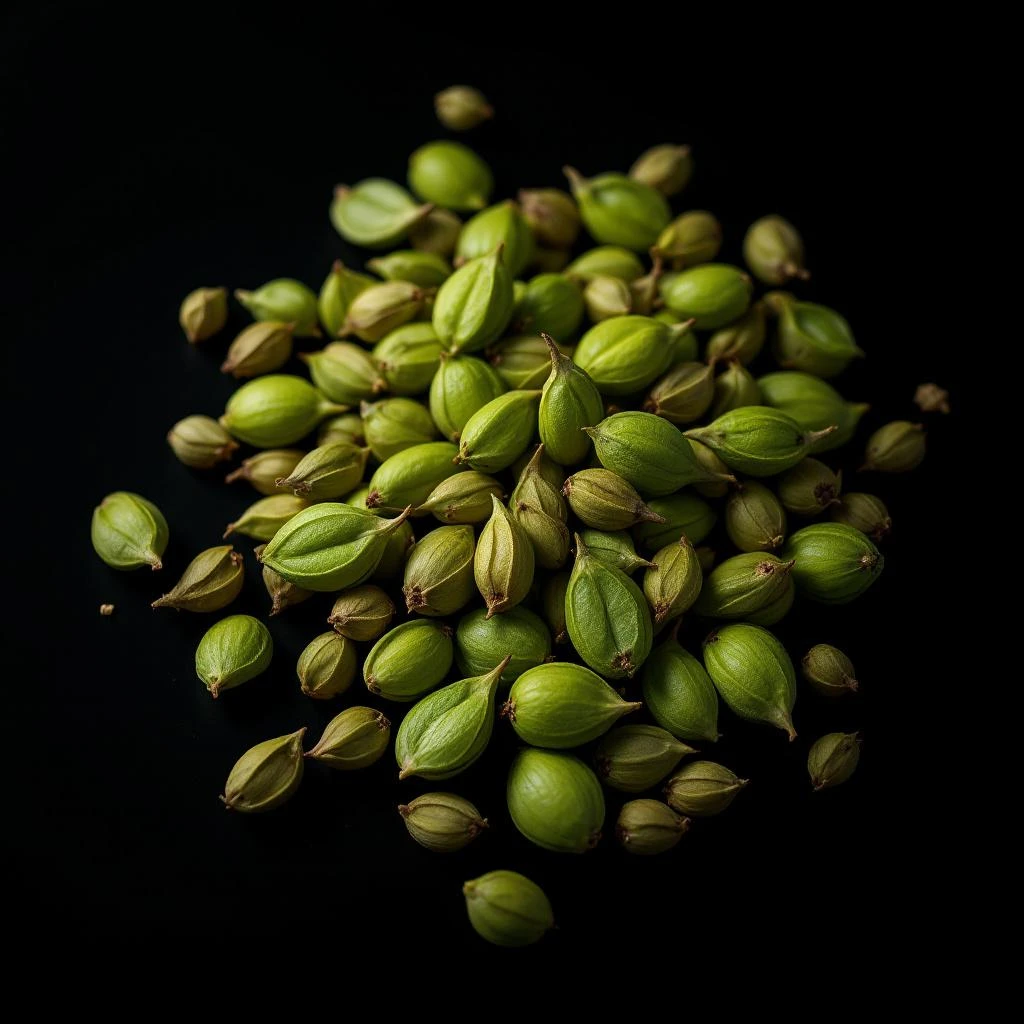
At the heart of the composition, green mango delivers a sharp, juicy burst that evokes ripe fruit hanging on a caravan’s wooden crate, while pink pepper injects a crisp, peppery sting reminiscent of market stalls. Cardamom adds a cool, herbal edge, grounding the opening before the smoky incense and papyrus take over, creating a bridge between vibrant daylight and the lingering dusk of the Sahara.
The Evolution
On the skin, the opening erupts with a flash of green mango that feels like a sunrise over sand dunes, instantly bright and juicy. Pink pepper follows, snapping like a distant drum, and cardamom weaves a subtle, aromatic coolness that tempers the fruit. Within minutes, the heart unfurls: frankincense and papyrus mingle, producing a dry, resinous smoke that recalls a campfire at dusk, while the rare African blossom Karo Karounde adds a fleeting floral whisper. As the composition settles, the base emerges, vetiver’s earthy green, myrrh’s warm resin, patchouli’s deep woody richness, and benzoin’s sweet balsamic glow. These notes meld into a soft, suede‑like veil that clings to the skin long after the initial sparkle fades, delivering a moderate sillage that stays intimate yet perceptible for up to eight hours.
Cultural Impact
Timbuktu quickly became a reference point for niche travelers seeking an olfactory map of Africa. Its exotic blend of mango and incense set it apart in the early‑2000s, earning a loyal following among collectors who appreciate Duchaufour’s ability to turn distant rituals into wearable art. The fragrance is often cited alongside other L'Artisan travel scents as a benchmark for authentic, place‑driven storytelling.
The House
France · Est. 1976
L'Artisan Parfumeur arrived in 1976 with a quietly radical idea: perfume should feel personal, not mass-produced. Founded by chemist Jean Laporte in Paris, the house became one of the first true niche fragrance houses, championing natural ingredients and artisanal craft at a time when blockbuster launches dominated the market. Its Mûre et Musc, launched in 1978, paired blackberry and musk in a way no one had attempted before, and it became a sensation. Over nearly five decades, the house has continued to create unusual fragrances with distinguished noses, never following trends but trusting instead in beautiful materials and imaginative composition.
If this were a song
Community picks
The scent feels like a desert night under a starry sky, warm, smoky, with a bright spark of fruit. The primary track “Desert Rose” by Sting mirrors the exotic, lingering journey.
Desert Rose
Sting