Caraway
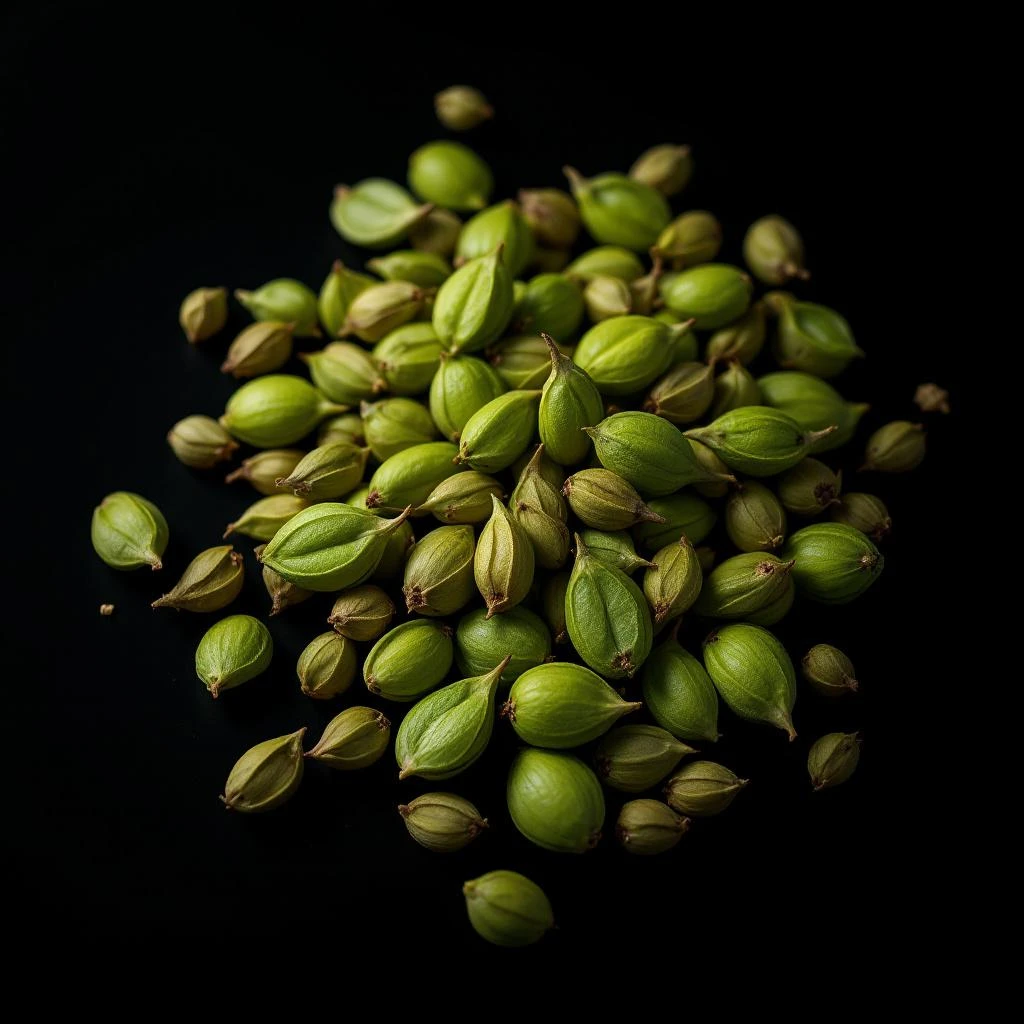
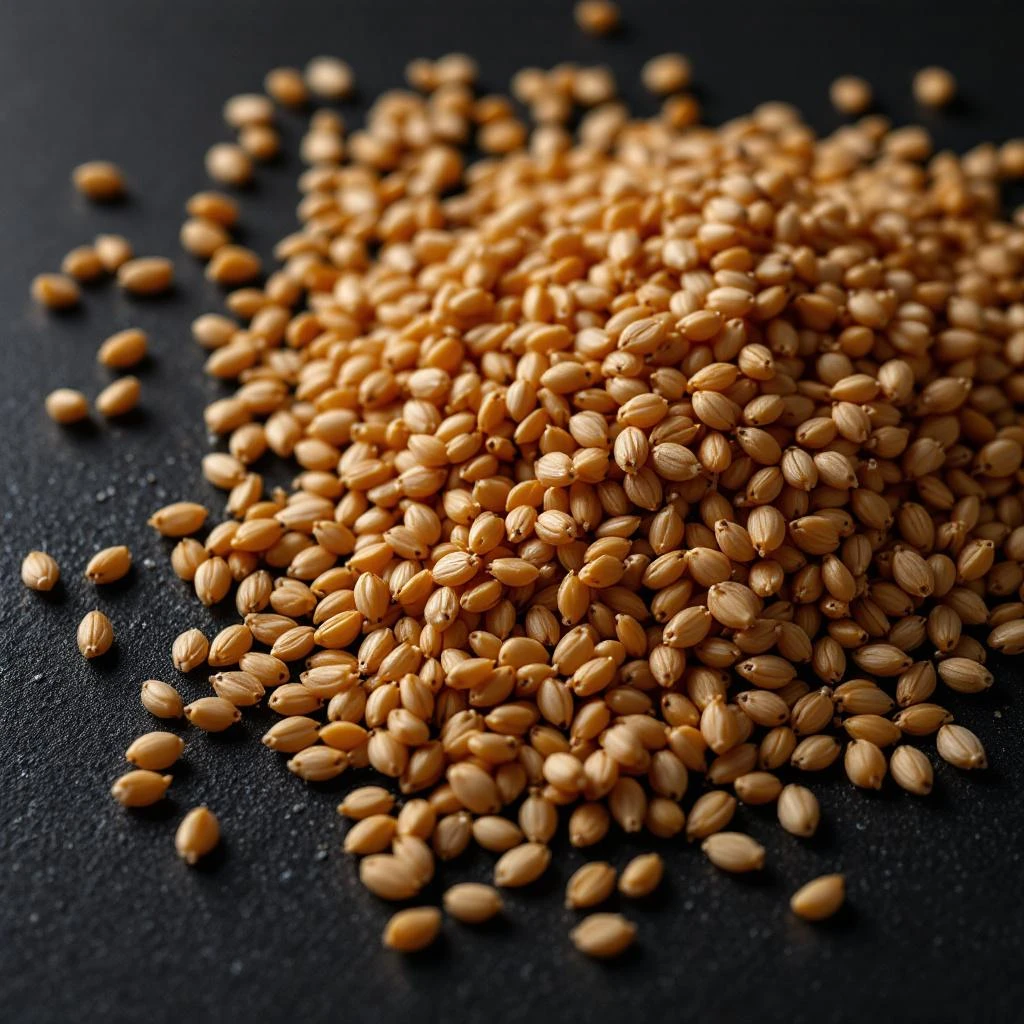
Caraway delivers a warm, spicy aroma with bread-like depth and a citrus undertone. The dried fruit of Carum carvi has flavored spirits, breads, and medicines for millennia, now lending its distinctive character to perfumery.
Character
How it smells
Spicy, warm, bread-like. A kitchen herb turned perfumery gem.
Caraway seeds were found in Tutankhamun's tomb, placed there nearly 3,300 years ago.









Origin
Iran
Caraway ranks among the oldest cultivated spices in European history. Ancient Egyptians tucked caraway seeds into pharaohs' tombs, evidence of their value in daily life and the afterlife. Roman cookbooks mention caraway freely, often coating breads and cakes with the ground seeds.
Medieval Europeans carried caraway in pouches as protective talismans and chewed the seeds to settle upset stomachs. The herb traveled with migrating peoples across continents, establishing itself in North African and Asian kitchens alongside European ones. Its botanical name Carum carvi derives from Caria, an ancient region of Asia Minor, though the plant naturalized throughout temperate zones centuries ago.
Aquavit, the Scandinavian spirit, owes its distinctive flavor almost entirely to caraway, a tradition dating to the 1400s.
Wears it best
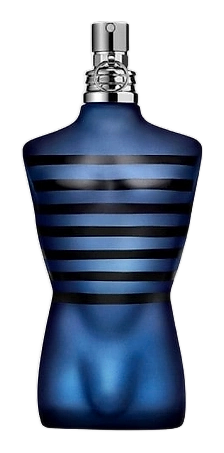
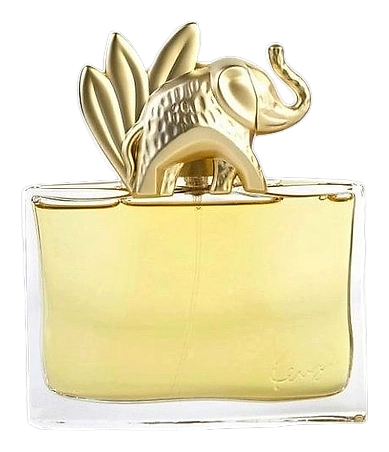
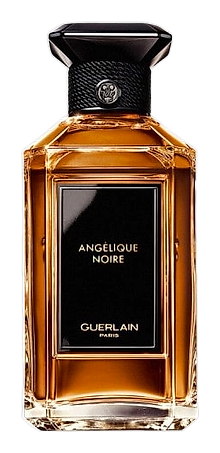
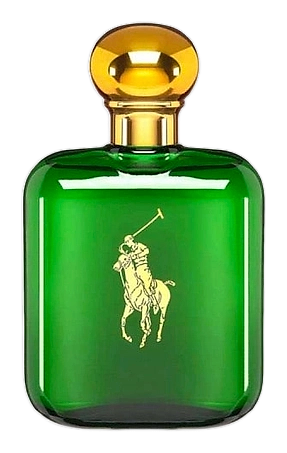
Fragrances featuring Caraway




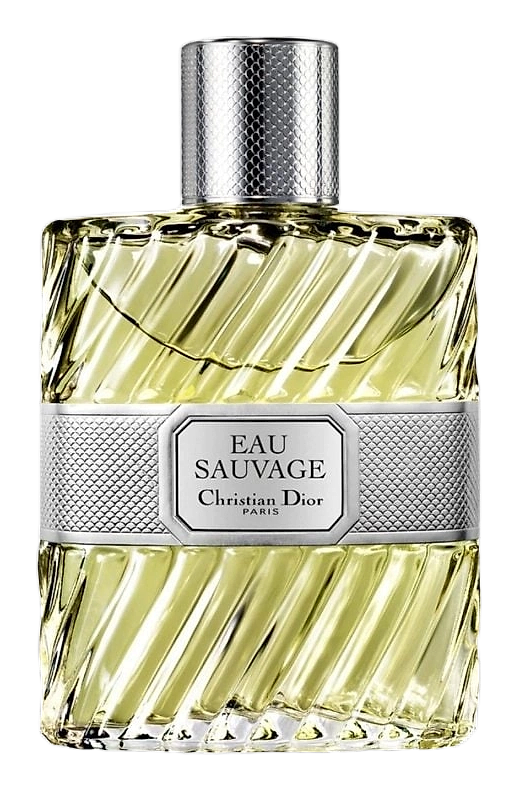
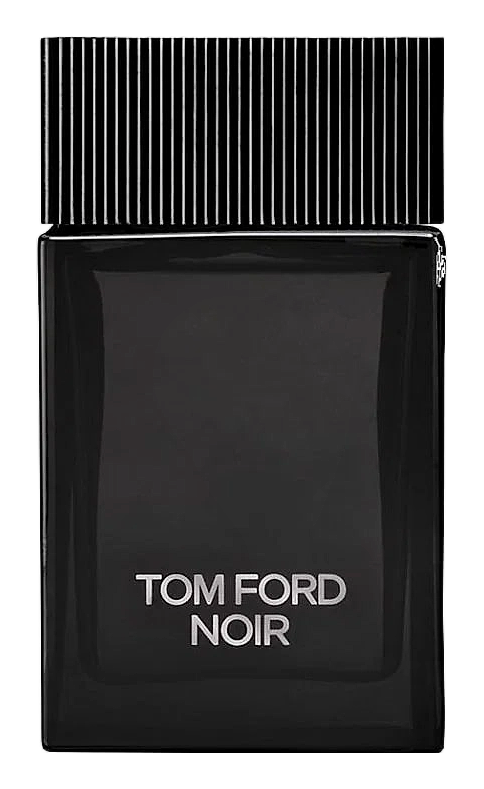

Brands
Brands known for Caraway
Good to know
Questions, answered
The essentials on Caraway in perfumery: how it smells, where it comes from, and how it behaves on skin.
What does caraway smell like in perfume?
Caraway has a warm, spicy aroma with bread-like depth and subtle citrus notes. It adds an herbal, slightly sweet character that works well in oriental and masculine fragrances.
How is caraway oil produced?
Steam distillation extracts caraway oil from dried, crushed ripe fruits of Carum carvi. The process yields 2 to 7 percent oil by weight, producing a pale yellow liquid with carvone as its primary aromatic compound.
Is caraway related to cumin or fennel?
Caraway shares a family with cumin and fennel, but its flavor is sweeter and less aggressive than cumin. Unlike fennel, caraway lacks the pronounced anise character.
What type of fragrance note is caraway?
Caraway functions as a top to middle note in perfumery. It provides an immediate spicy lift that blends well with herbs and gives depth to warm fragrance compositions.
Where does caraway originate?
Carum carvi originated in temperate Asia, Europe, and North Africa. Ancient Egyptians used it, and Romans spread it throughout their empire, where it naturalized widely.
What complementary ingredients pair well with caraway?
Caraway pairs naturally with other spices like cardamom and coriander. In perfumery, it combines well with geranium, oakmoss, and warm resinous materials.
When is caraway harvested?
Distillers harvest caraway fruits in late summer when they turn brown. The seeds must be fully ripe to develop the aromatic compounds that perfumers seek.
Are synthetic caraway alternatives available?
Carvone, the primary component, can be synthesized, but natural caraway oil remains preferred for its complexity. The whole oil contains minor compounds that pure carvone lacks.