Green Mango
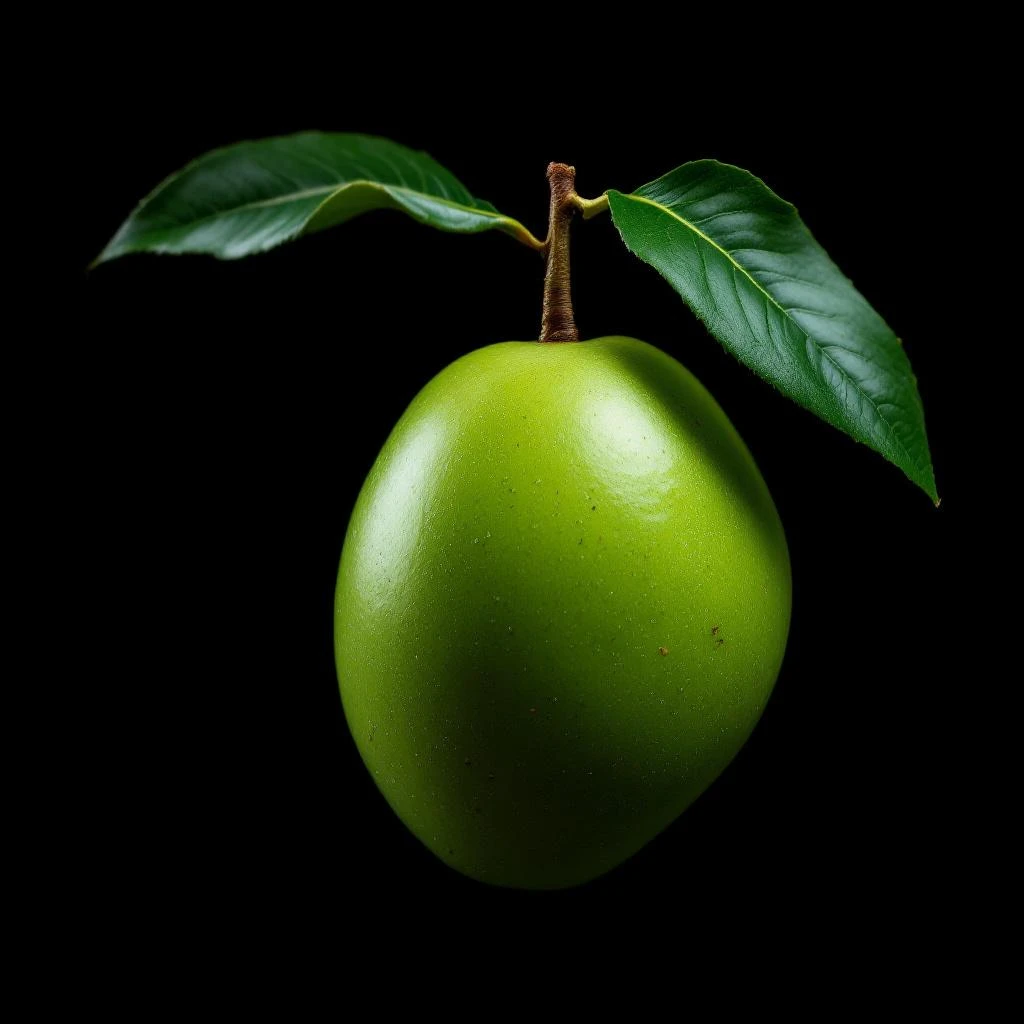
Green Mango captures the vivid, vegetal scent of unripe mango latex, where the fruit's crisp green character emerges before sweetness takes over. This ingredient brings a sharp, tropical freshness that invigorates fragrance compositions with its distinctive herbal lift.
Character
How it smells
The unripe fruit's crisp, vegetal pulse before sweetness arrives.
The green aroma in raw mango comes primarily from cis-ocimene and beta-myrcene, compounds found in the fruit's latex during early development. These same terpenes appear in basil, lavender, and hops, creating an unexpected botanical kinship across plant families.






Origin
India
Mango cultivation stretches back over 4,000 years in South Asia, where ancient texts referenced its prized flavor. The distinction between ripe and unripe mango notes emerged naturally in traditional use, where cooks and healers specifically prized the green fruit for its sharp, cleansing properties.
Trade routes carried mango knowledge across Southeast Asia and eventually to East Africa and the Americas. The scientific isolation of green mango compounds in the 1970s finally revealed why perfumers had long sought this material, confirming through chromatography what nose and memory had long recognized as a distinct olfactory experience.
Wears it best
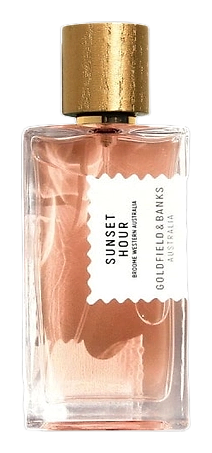
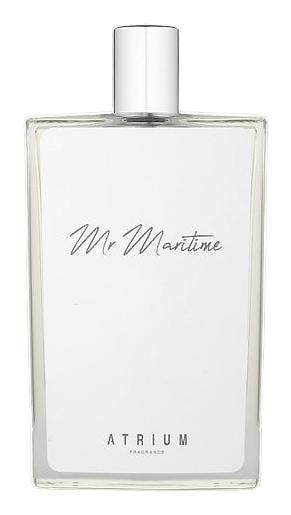
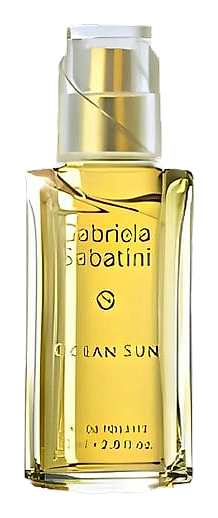
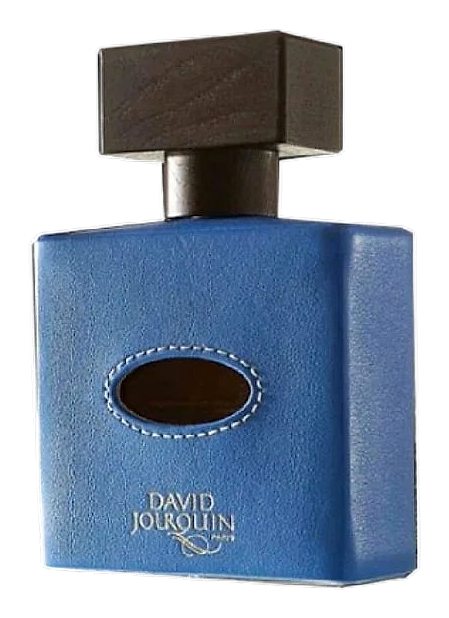
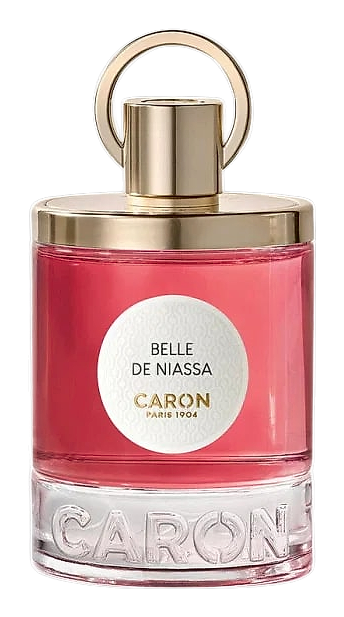
Fragrances featuring Green Mango

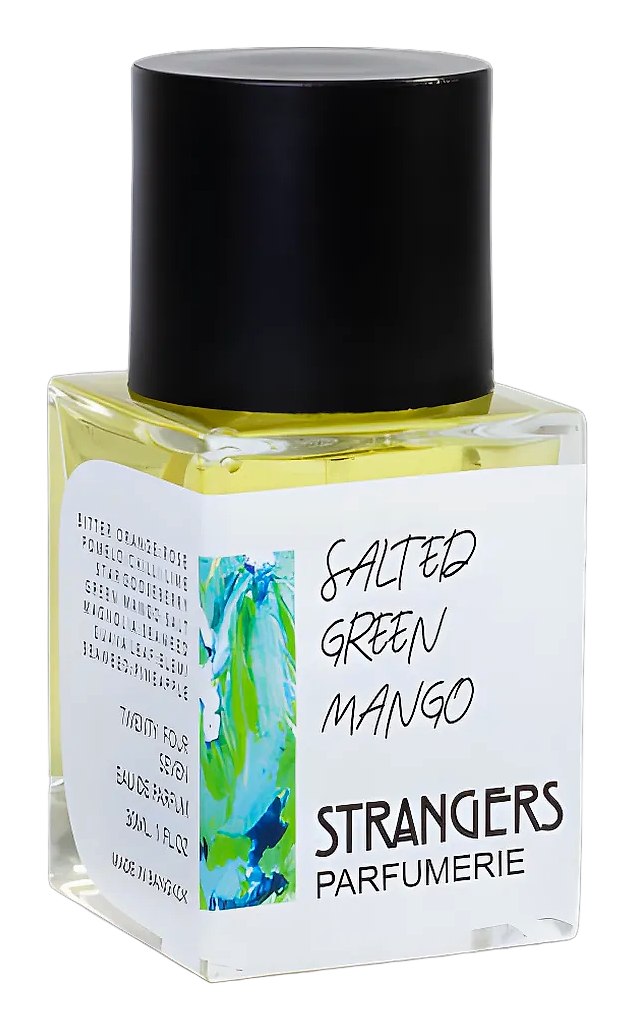
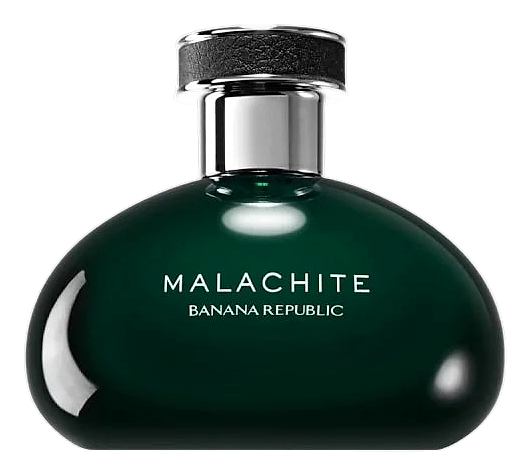

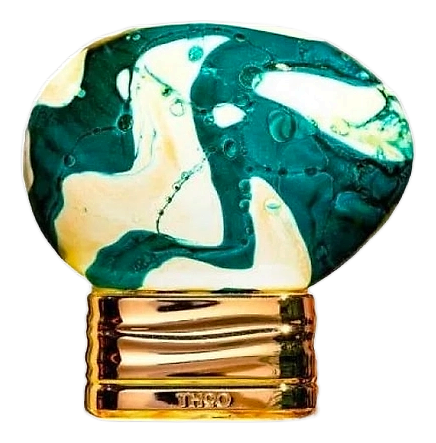
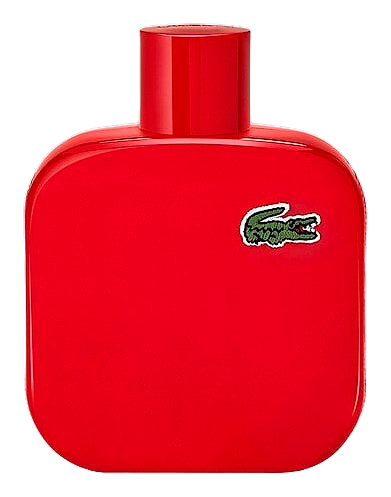
Brands
Brands known for Green Mango
Good to know
Questions, answered
The essentials on Green Mango in perfumery: how it smells, where it comes from, and how it behaves on skin.
What does Green Mango smell like in perfumery?
Green Mango delivers a crisp, vegetal scent reminiscent of freshly cut unripe mango and its milky latex. The aroma combines herbal freshness with tropical character, featuring sharp myrcene notes that evoke basil and hay. This creates an energizing, slightly bitter green signature that differs sharply from the sweet ripe fruit, adding lift and brightness to fragrance top notes.
How is Green Mango used in fragrance creation?
Green Mango functions as a top-note modifier that imparts freshness and tropical green character. Perfumers deploy it at low concentrations (typically 0.5-3%) to add an energetic opening without overwhelming the heart composition. It pairs well with citrus, aquatic, and other tropical ingredients, providing a natural bridge between sharp green and sweet fruit elements.
Is Green Mango a natural or synthetic ingredient?
Green Mango is primarily available as a synthetic accord, reproducing the natural compounds cis-ocimene and beta-myrcene. Natural extraction from raw mango latex exists but remains rare due to low yield and processing complexity. Both versions achieve the characteristic green, slightly milky aroma that defines unripe mango, though synthetics offer consistency and sustainability.
What compounds create the green mango aroma?
The green aroma originates from two monoterpenes: cis-ocimene and beta-myrcene. Cis-ocimene contributes a warm, herbal-green character, while beta-myrcene adds woody, vegetative notes with subtle balsamic undertones. Scientific analysis identified these compounds in 1977 as the primary constituents responsible for the characteristic smell of raw, unripe mango latex.
How does Green Mango differ from ripe mango in fragrance?
Green Mango emphasizes sharp, vegetal qualities (the unripe fruit), while ripe mango accords highlight sweet, tropical, lactonic characteristics. Green Mango provides freshness and lift; ripe mango delivers warmth and richness. A perfumer might use Green Mango in top notes for energy, reserving ripe mango for heart notes where its sweetness can develop fully.
Which fragrance families commonly use Green Mango?
Green Mango appears frequently in tropical, citrus, and green fragrance families. Designers employ it in fresh colognes, summer florals, and aquatic compositions where its crisp character enhances the feeling of lightness. It also serves as an effective modifier in fruity compositions, preventing excessive sweetness while maintaining tropical identity.
What origin does Green Mango have in perfumery?
The ingredient traces its olfactory origins to India, the ancestral home of Mangifera indica. Scientific characterization of green mango aroma occurred at India's Bhabha Atomic Research Centre in 1977. Modern perfumery developed synthetic versions based on this research, enabling global access to the green mango character for fragrance formulations worldwide.
Does Green Mango have any safety considerations in perfumery?
Green Mango accord materials require standard IFRA compliance for cosmetic use. When properly formulated within recommended concentration limits (typically under 5% in fine fragrance), the ingredient presents no unusual hazards. Professional perfumers assess individual compound safety data, including IFRA guidelines for beta-myrcene, when creating final formulations.