The Story
Why it exists.
The beginning
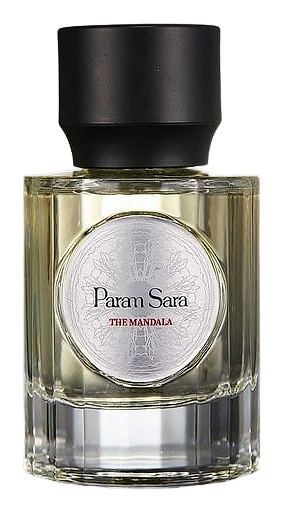
The Mandala takes its name from the geometric meditation tool found in meditative practices worldwide, concentric circles radiating outward from a center point, each ring a different aspect of the same whole. Param Sara's 2024 release translates that structure into scent: outer rings representing life's energy, the center embodying stillness and self-discovery. The fragrance opens with bright, lively green mango, the energy of living. As it develops, the wearer is drawn toward a center of calm and serenity, where marigold and osmanthus invite reflection on one's own path through life. The mandala doesn't resolve until you reach its heart.
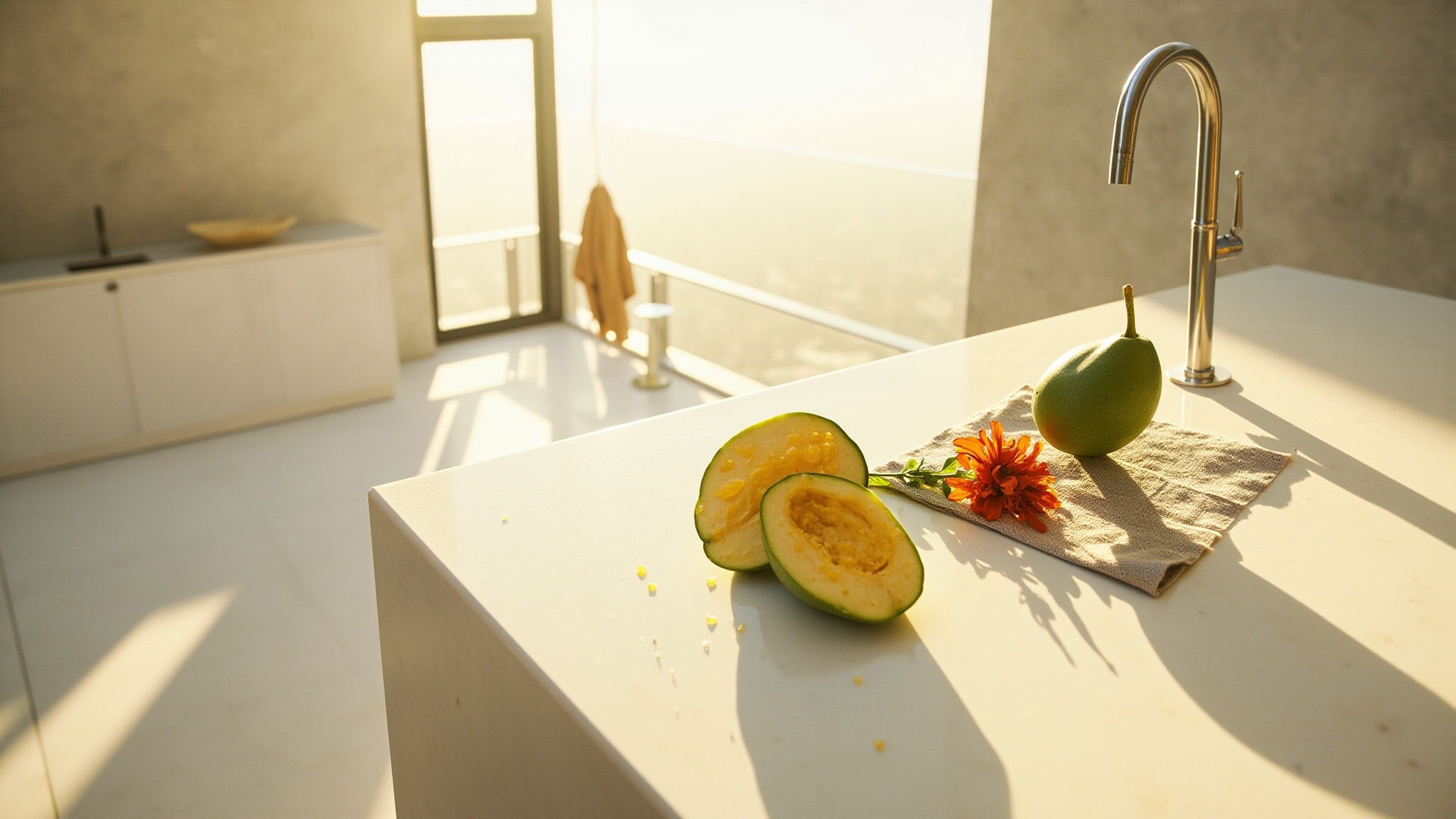
What makes The Mandala's note structure interesting is the pairing of green mango with pot marigold. Green mango is tart, almost vegetable, closer to unripe fruit than the ripe mango typically used in perfumery. Pot marigold (calendula) carries a different character than the absolute: warmer, more herbal, with a slight medicinal edge that gives it presence without loudness. Osmanthus absolute softens the marigold's herbal quality and makes the tropical fruit feel intentional rather than decorative.
The evolution
The opening is green mango and bergamot, bright, tart, immediately tropical. The bergamot adds a citrus edge that keeps it from becoming sweet. This phase lasts about 20 minutes before the heart notes arrive. Marigold announces itself next. Not the loudest floral, but present, warm, slightly herbal, with an undertone that someone once described as honey and hay. Osmanthus slides in alongside it, adding creaminess and a quiet apricot sweetness. The two florals blend in a way that feels intentional rather than accidental, like they were composed together from the start. The drydown belongs to patchouli and vetiver. They arrive quietly, take over, and stay. Vetiver gives it an earthy, slightly smoky finish that prevents the tropical-floral opening from ever reading as lightweight.
Cultural impact
The Mandala occupies a specific space in contemporary perfumery: fruity-floral with enough herbal and earthy structure to reward attention. The mango-marigold pairing offers something distinctive, moving beyond straightforward tropical sweetness into territory that feels both grounded and luminous. It asks something of you rather than simply announcing itself, rewarding those who take the time to explore its layered composition. The fragrance invites engagement on its own terms, unfolding gradually across the wear.
The House
Param SaraParam Sara is an independent niche fragrance house founded by Ankita Gill, rooted in Indian heritage and shaped by lived experience across Asia. Based in India with creative ties to Shanghai, the house crafts eau de parfum compositions and scented candles that draw from Eastern olfactory traditions. Working with perfumer Alexander Lee, Param Sara translates Sanskrit-inspired concepts into wearable scent narratives, positioning itself as one of the few Indian-owned brands telling Indian and Asian fragrance stories from within those cultures.
The Creator
Alexander LeeAlex Lee favors compositions that feel considered and evocative rather than loud. His work tends to explore the space between modern and classical, often building around nuanced contrasts that reveal themselves slowly on the skin.