The Story
Why it exists.
The beginning
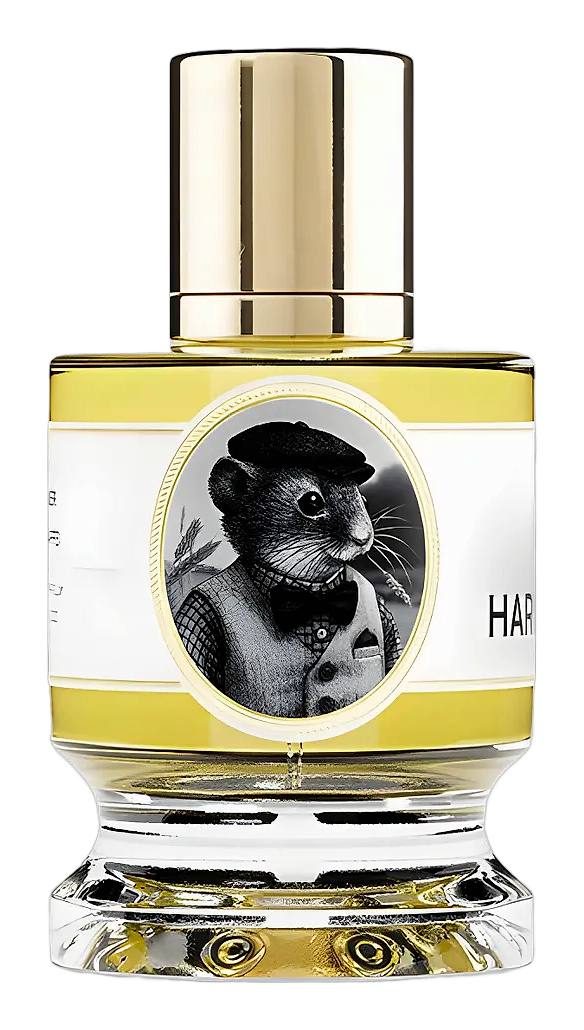
Zoologist's concept brief was deceptively simple: translate a rabbit's world into scent. But the execution made it something harder to pin down. The meadow became the material, clover underfoot, hay in the air, violets scattered like small purple accidents. The green wasn't a note so much as a climate, a condition of being. Victor Wong and perfumer Fanny Bal worked toward something that captured the animal's perspective rather than simply naming the animal. A rabbit doesn't perceive its world in the abstract terms of perfumery; it experiences warmth, safety, the texture of ground beneath it, the sweet clover that forms its primary food source. The opening cinnamon and bergamot evoke the sharp alertness of early morning in tall grass. The heart brings the intimacy of the burrow's edge, where light filters through and flowers grow sideways.
The note philosophy behind Rabbit reflects a particular understanding of how natural materials behave in combination. Clover, often overlooked in perfumery, serves as a bridge between green freshness and sweet comfort. Carrot seed provides the earthy counterweight that prevents the composition from floating entirely into gourmand territory. The choice of biscuit over heavier pastry notes keeps the drydown wearable rather than cloying. Hay and patchouli tog ether create a foundation that reads as both natural and slightly mysterious, suggesting the hidden world beneath the visible meadow. Jasmine and violet contribute to the floral character without overwhelming the green and edible elements.
The evolution
The opening chapter of Rabbit is surprisingly bold for a fragrance named after such a delicate creature. Cinnamon arrives first, commanding attention with its spicy warmth, immediately joined by bergamot's citrus brightness and apple's juicy sweetness. The green notes exist in the background, waiting. Within fifteen minutes, the composition begins its shift. The heart introduces carrot seed as a surprise element, bringing an earthy, vegetable quality that grounds the sweetness of the opening. Clover becomes dominant, that soft low-growing sweetness that rabbits actually eat, layered with violet's powdery floral note and jasmine's creamier presence. The jasmine prevents the heart from becoming too austere or root-like. Then comes the long settling, the gradual transformation from green meadow to warm hearth. Biscuit and vanilla emerge as the primary comfort notes, creating an edible sweetness that feels almost like a reward. Hay provides dry structure, that golden sound of dried grasses rustling.
Cultural impact
Rabbit landed in a curious position: sweet enough to attract, green enough to intrigue. The meadow concept could have read as literal or childish. Instead, the combination of clover, violet, and warm gourmand base made it feel like something specific, a moment rather than a mood. Wearers describe it as the fragrance of a garden at dusk, or the feeling of something soft held close. The scent has shown strong longevity, which elevates it from novelty to reliable companion. Rabbit takes an obvious concept, a rabbit in a meadow, and makes it smell like something worth returning to.