Biscuit
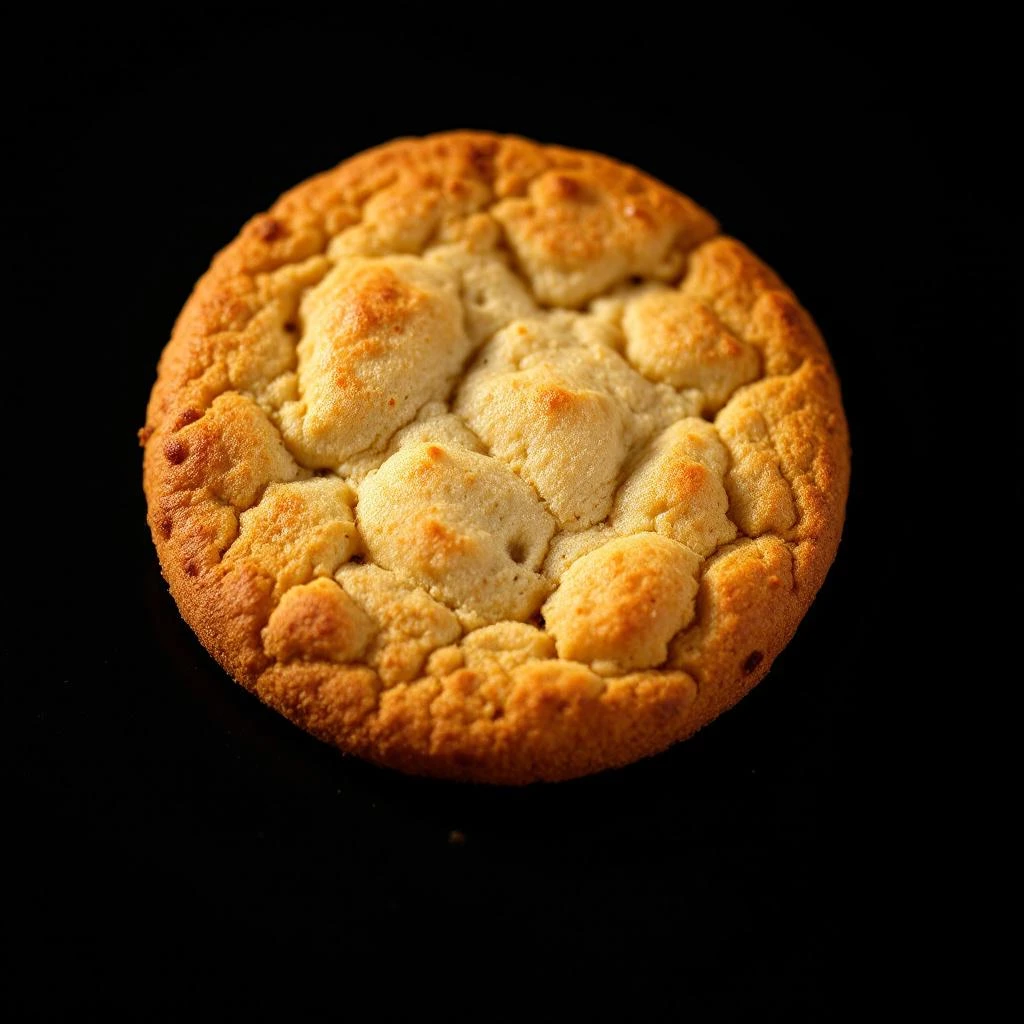
A warm, edible note that captures the essence of freshly baked shortbread and buttery wafers. This gourmand ingredient brings cozy comfort to fragrances, evoking the aroma of home-baked treats with its sweet, round, and softly caramelized character.
Character
How it smells
Warm baked comfort in a bottle
The gourmand fragrance revolution began in 1992 with Thierry Mugler Angel, which featured a chocolate-caramel biscuit heart that changed modern perfumery forever.


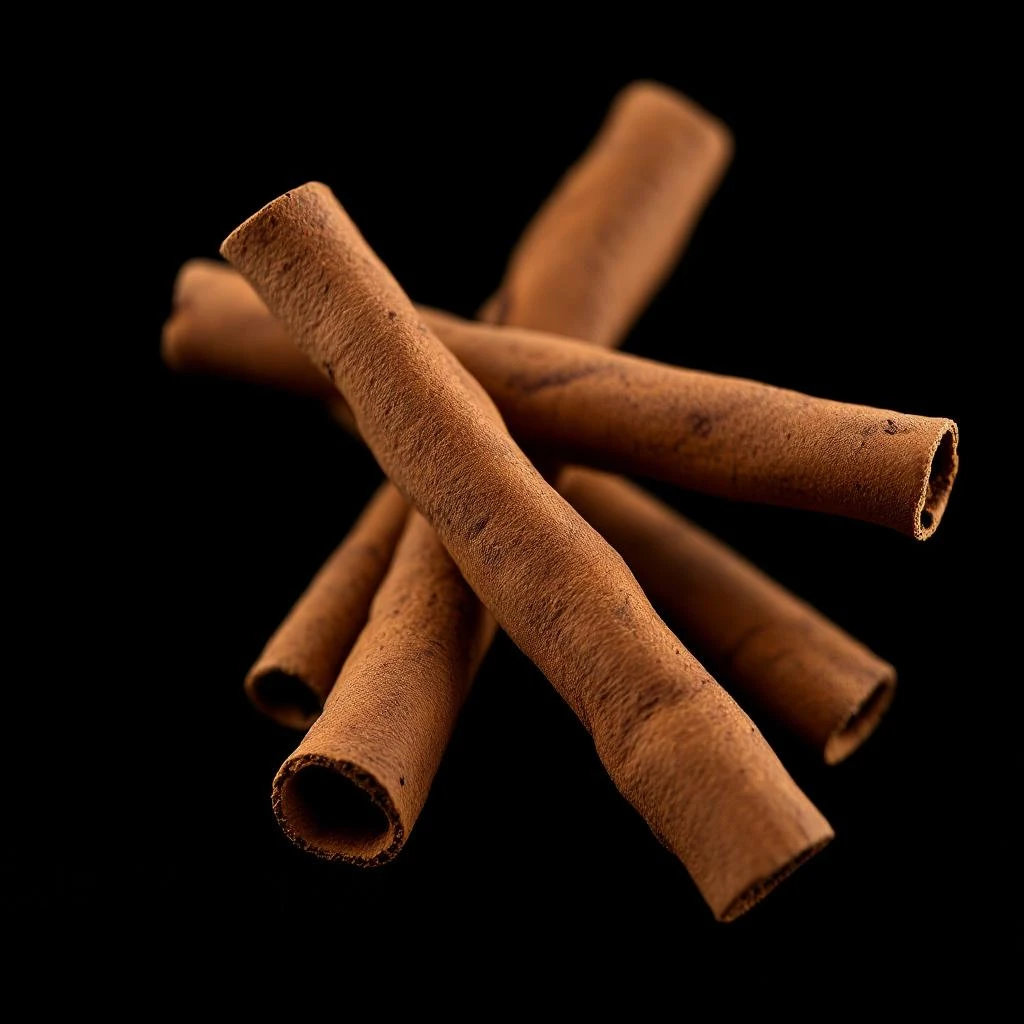

Origin
France
Biscuit as a perfumery note emerged from the modern gourmand movement of the late 20th century. Before this period, fragrances rarely aimed to smell literally edible.
The concept of capturing fresh-baked warmth took hold in the 1980s when perfumers began exploring food-inspired accords. Thierry Mugler Angel in 1992 marked a turning point, featuring an edible quality that shocked and delighted the industry.
This launched countless interpretations of biscuit, vanilla, and caramel across fragrance families. Today, biscuit accords appear in masculine, feminine, and unisex compositions as a bridge between sweetness and sophistication, bringing universal comfort to perfume wearers.
Wears it best
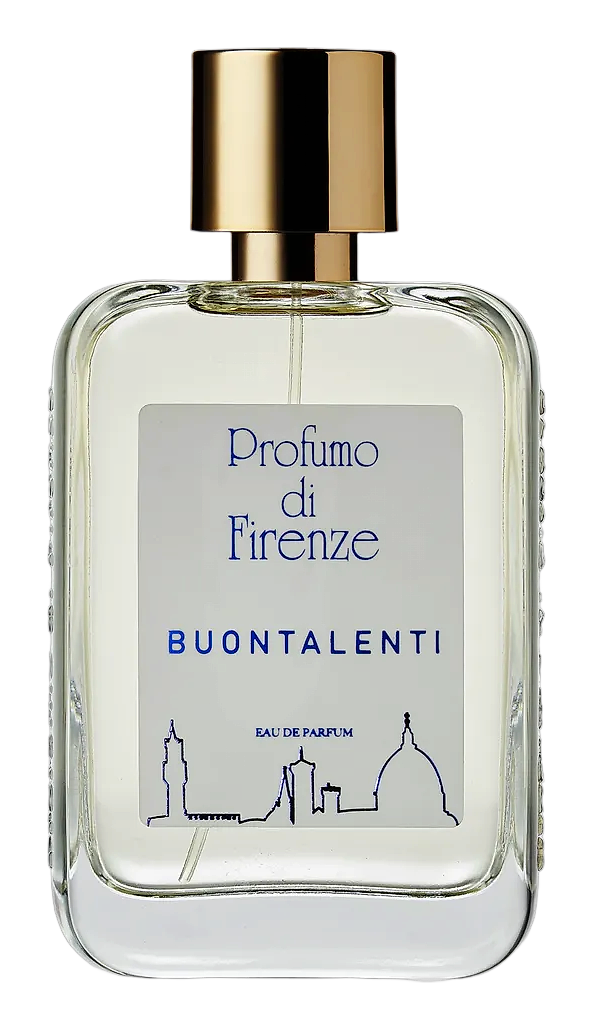
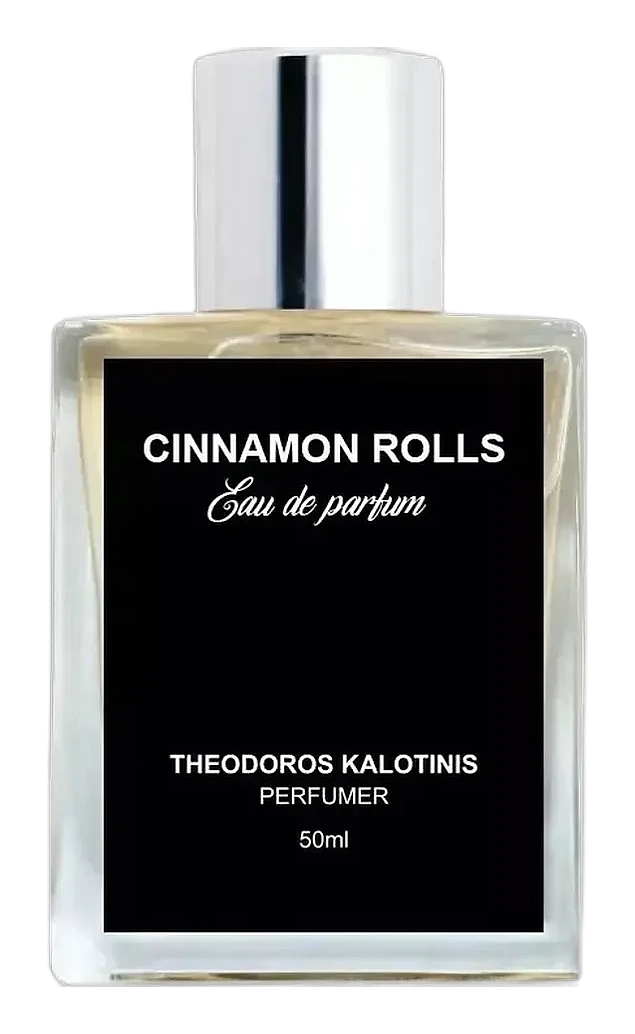
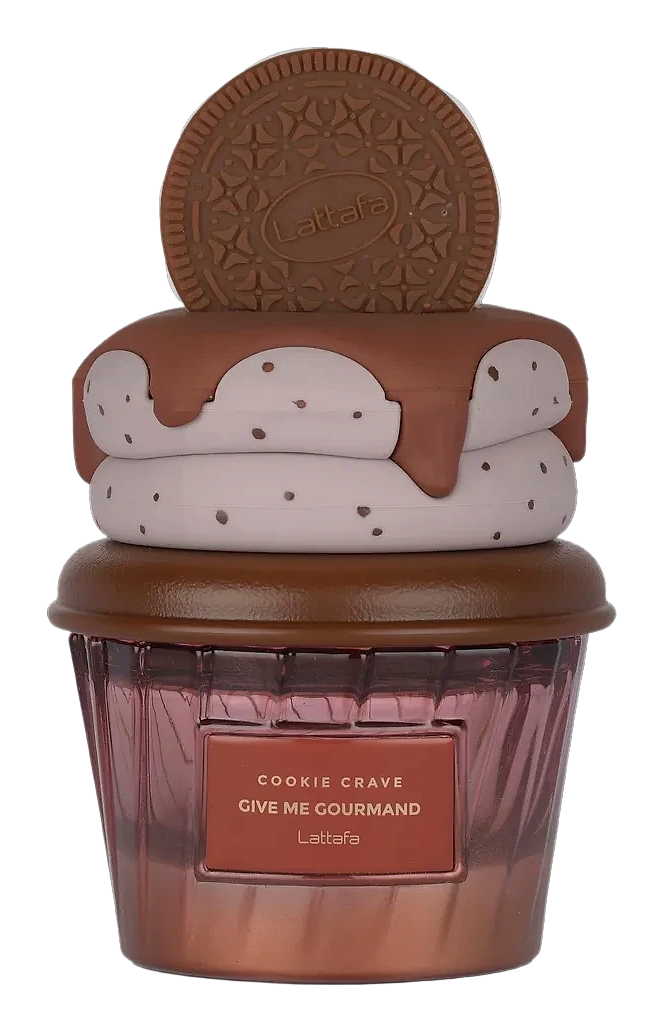
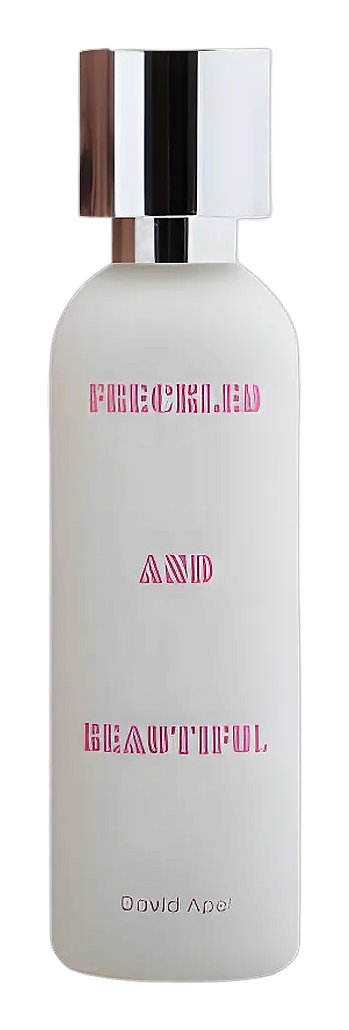
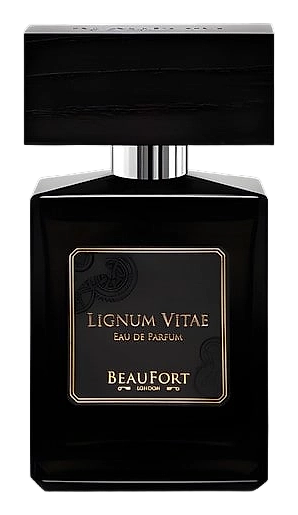
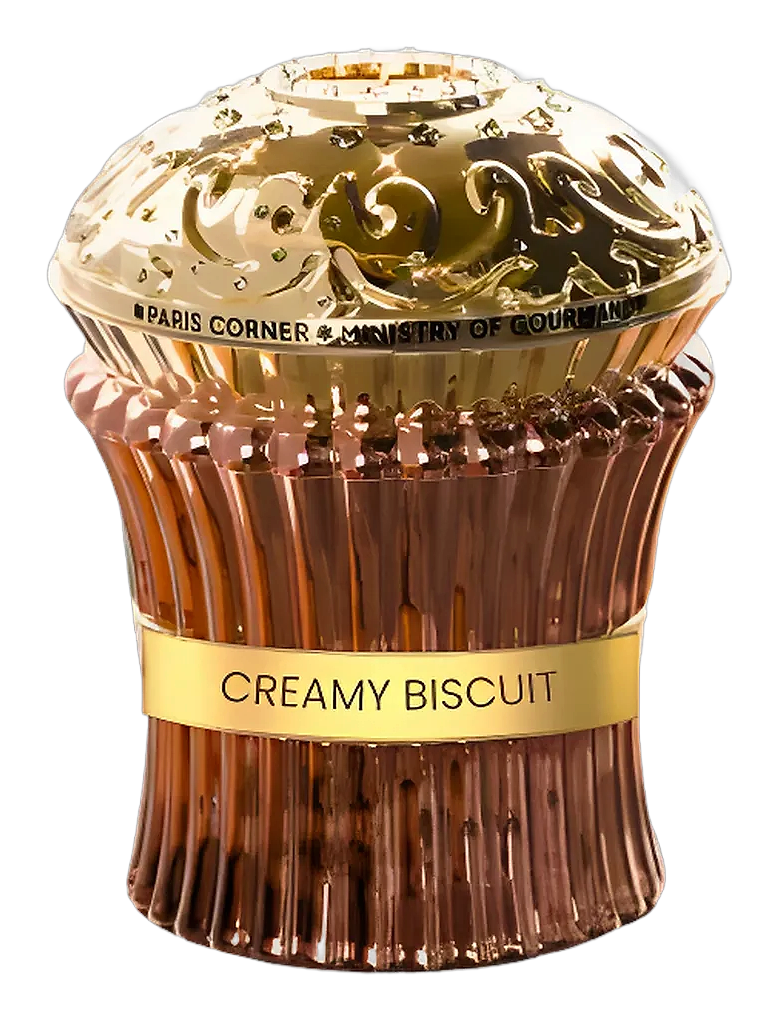
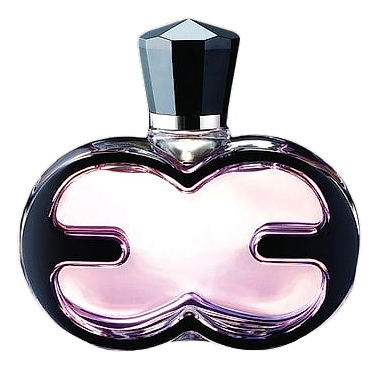
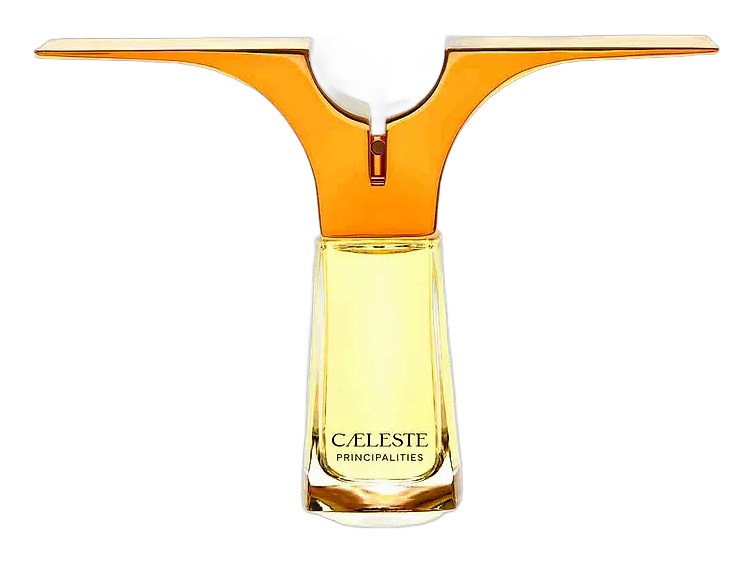
Fragrances featuring Biscuit

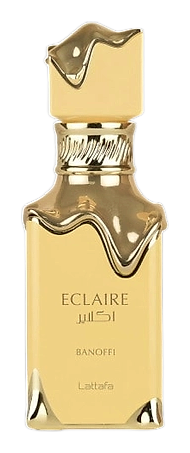
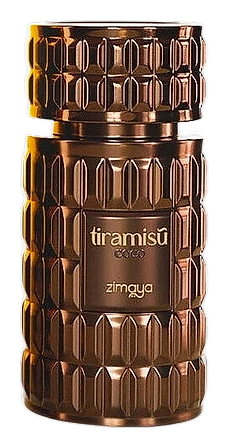
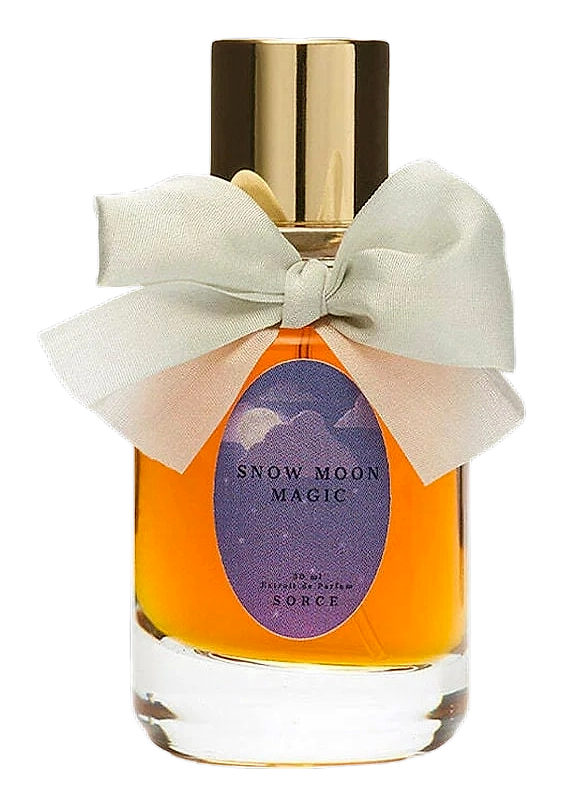
Brands
Brands known for Biscuit
Good to know
Questions, answered
The essentials on Biscuit in perfumery: how it smells, where it comes from, and how it behaves on skin.
What does biscuit smell like in perfume?
Biscuit in perfume smells like warm, freshly baked shortbread or butter cookies. It has a soft, sweet, edible quality with creamy lactonic notes and a gentle warmth that rounds out fragrance compositions.
Is biscuit a natural or synthetic fragrance ingredient?
Biscuit is primarily synthetic, constructed by perfumers combining aroma chemicals like ethyl maltol, coumarin, and gamma decalactone. Tonka bean absolute may contribute natural coumarin and vanillin compounds to the accord.
Which famous fragrances feature biscuit notes?
Thierry Mugler Angel pioneered the gourmand trend with its chocolate-caramel biscuit heart. Other notable fragrances include Dolce Gabbana The One, Guerlain Mon Guerlain, and YSL Black Opium, which all incorporate warm biscuit-like sweetness.
What family of fragrances uses biscuit notes?
Biscuit belongs to the gourmand family, which captures edible, food-like aromas. However, it also appears in oriental, vanilla, and warm spicy compositions where its rounded sweetness complements amber, woods, and spices.
How do perfumers create a biscuit accord?
Perfumers blend multiple aroma chemicals to build a biscuit accord. Ethyl maltol provides candy-sweetness, gamma decalactone adds creamy buttery depth, and coumarin contributes the warm, hay-like notes found at cookie edges.
What emotions does biscuit scent evoke?
Biscuit evokes comfort, warmth, and nostalgia. The scent of freshly baked goods triggers universal memories of home and safety, making fragrances featuring this note feel approachable and cozy.
Does biscuit work well with other fragrance ingredients?
Biscuit pairs exceptionally well with vanilla, amber, tonka bean, caramel, and warm woods like sandalwood. It also softens sharp edges in citrus and spicy compositions, making them more rounded and inviting.
Are there natural alternatives to synthetic biscuit notes?
Tonka bean absolute contains natural coumarin and vanillin that contribute biscuit-like warmth. Vanilla absolute adds sweet, creamy depth. However, no single natural ingredient fully captures the complete biscuit accord.