Clover
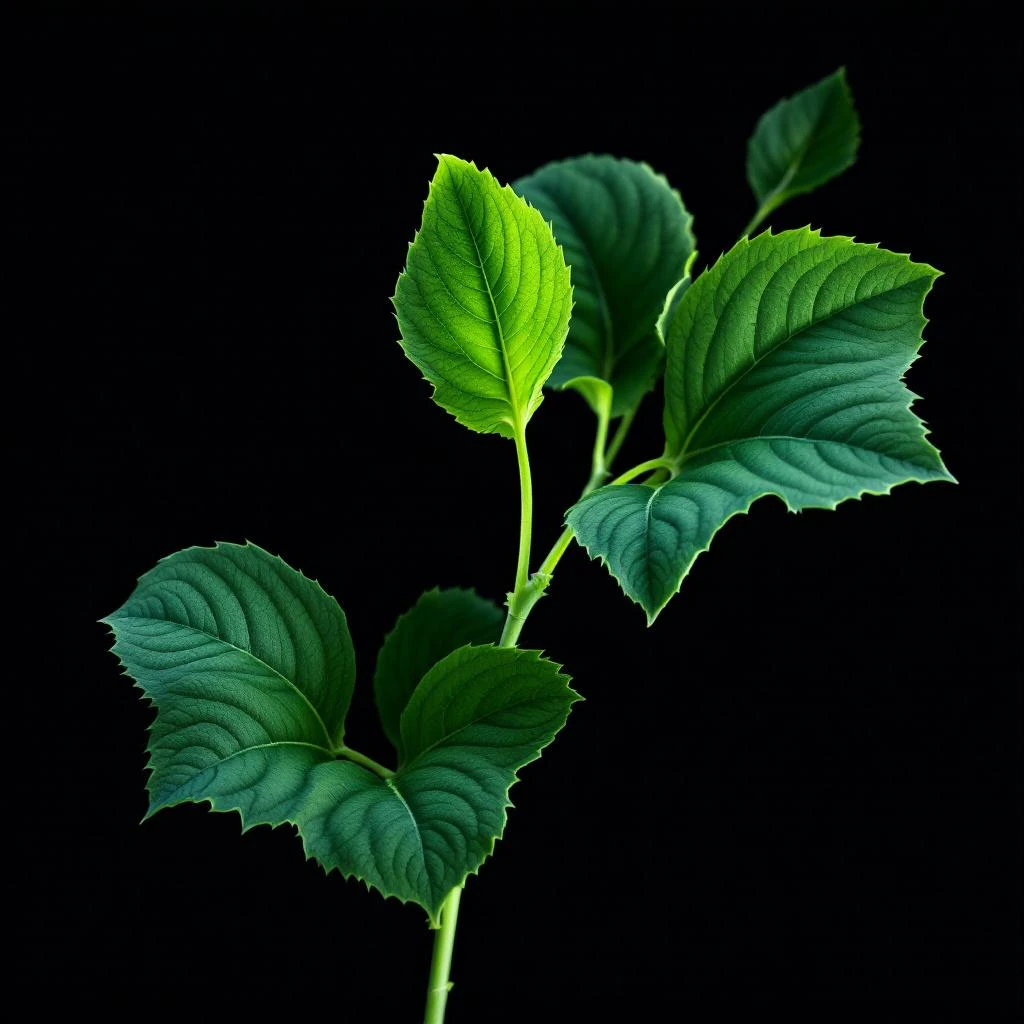
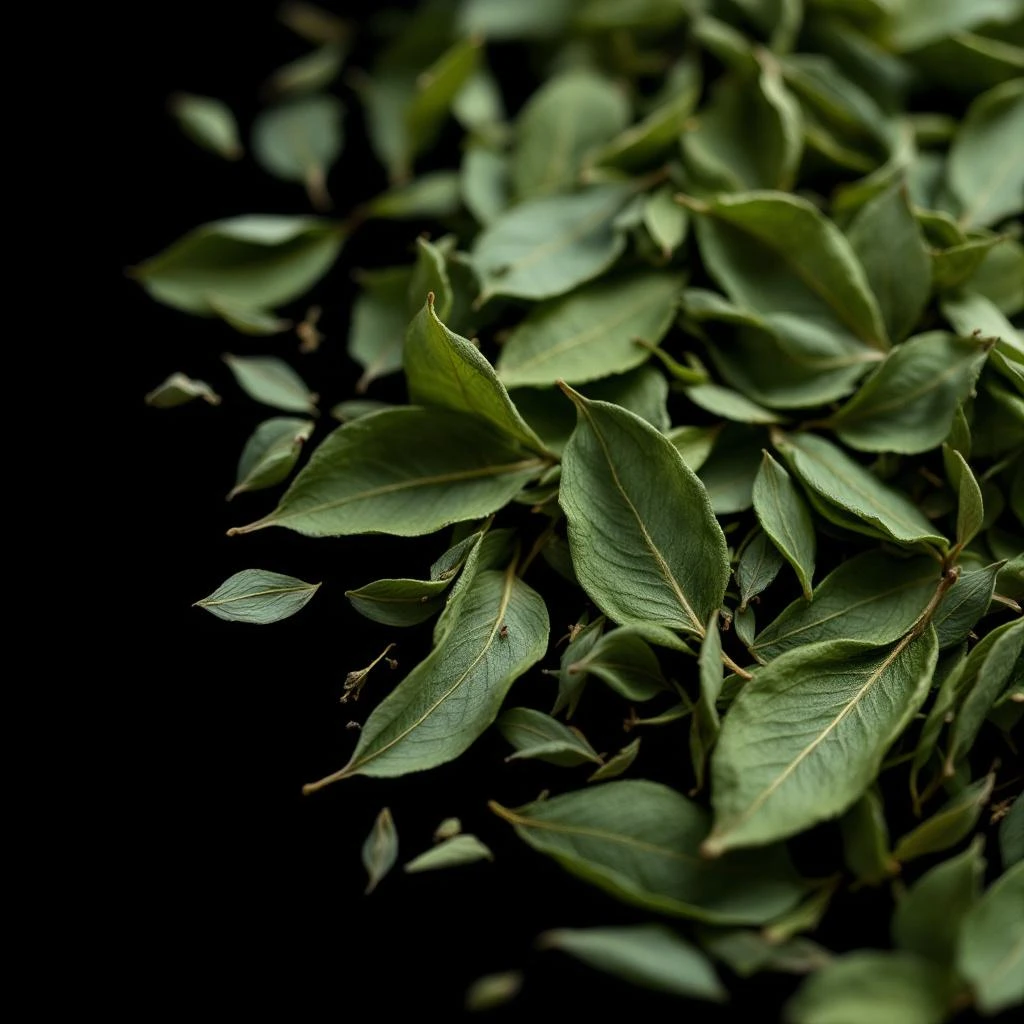
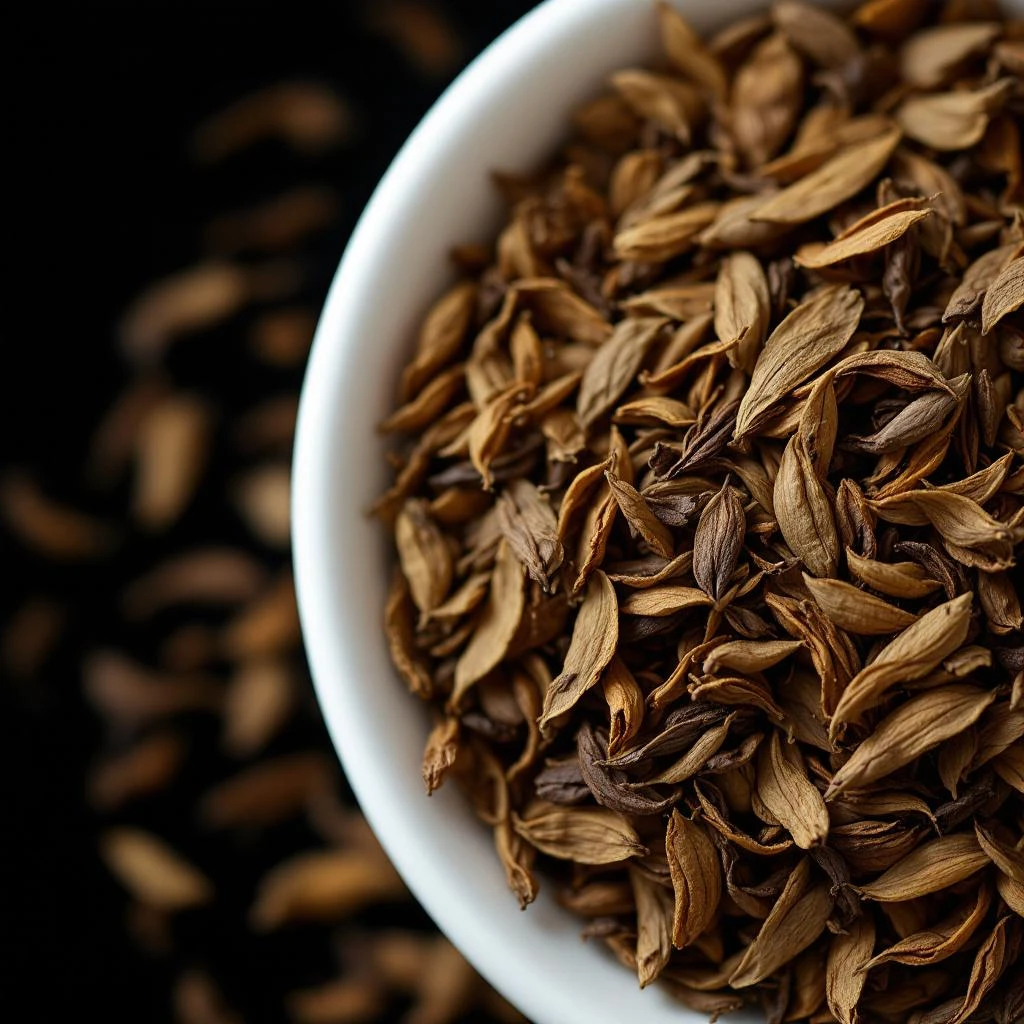
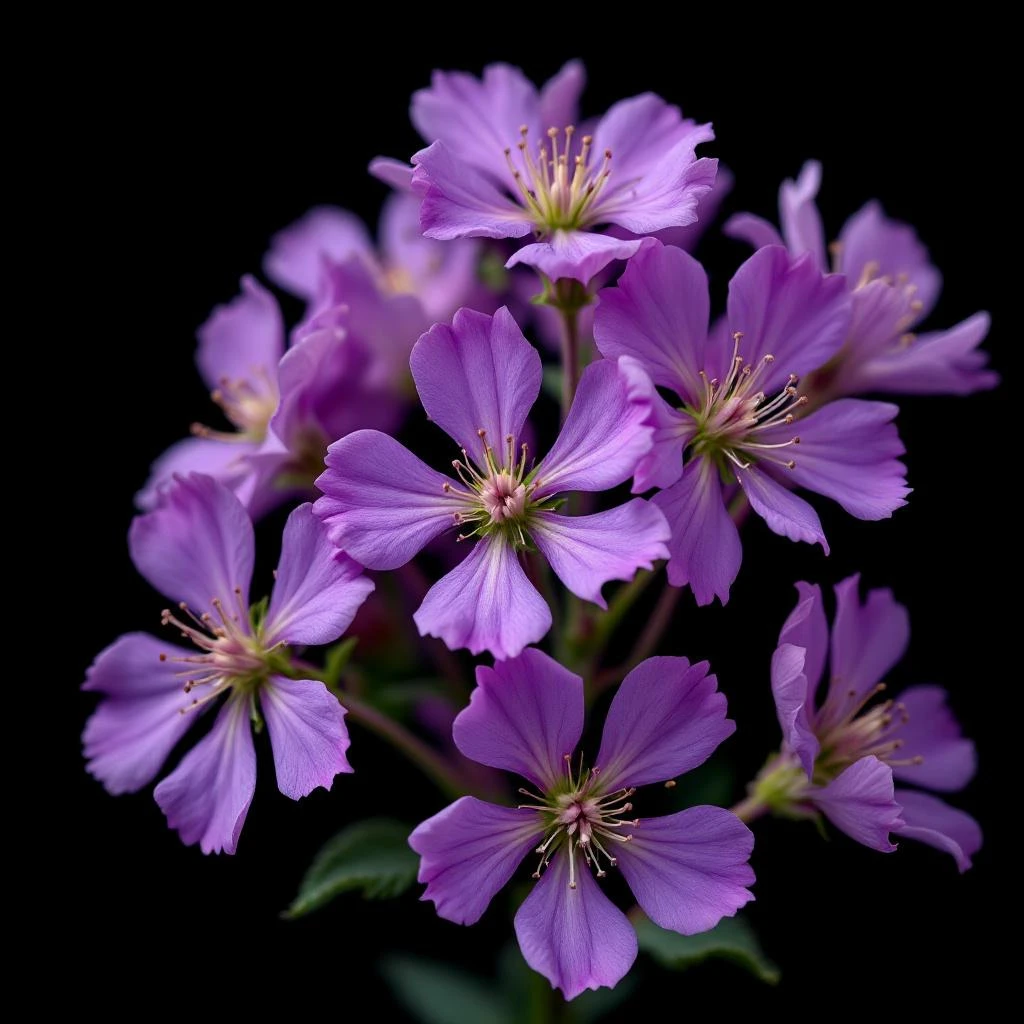
Clover absolute captures the quiet sweetness of hay and spring meadows. Extracted from the flowering herb of sweet clover, it brings a soft, coumarin-rich warmth that sits between green and floral in the fragrance composition — understated, grassy, and gently sweet.
Character
How it smells
Meadow-dried sweetness distilled into scent.
Coumarin was first isolated from sweet clover in 1820s France, giving the molecule its name from the French word for the plant.









Origin
Northern Hemisphere
Sweet clover (Melilotus officinalis) grew abundantly across European meadows and was valued in folk medicine long before it entered perfumery. The plant's distinctive sweet scent develops as it cures — a process that releases coumarin through enzymatic reaction. In 1823, French pharmacist Auguste Vogel isolated coumarin from sweet clover seeds, marking the first identification of this now-iconic fragrance molecule.
This discovery shaped the trajectory of 19th-century perfumery: once chemists understood coumarin's source, they could eventually synthesise it in 1868, enabling its widespread use in products from toiletries to tobacco. Today, while natural clover absolute appears in fine fragrances as a niche ingredient, coumarin itself — whether from tonka, clover, or laboratory synthesis — remains one of the most encountered aroma molecules in the industry.
Wears it best
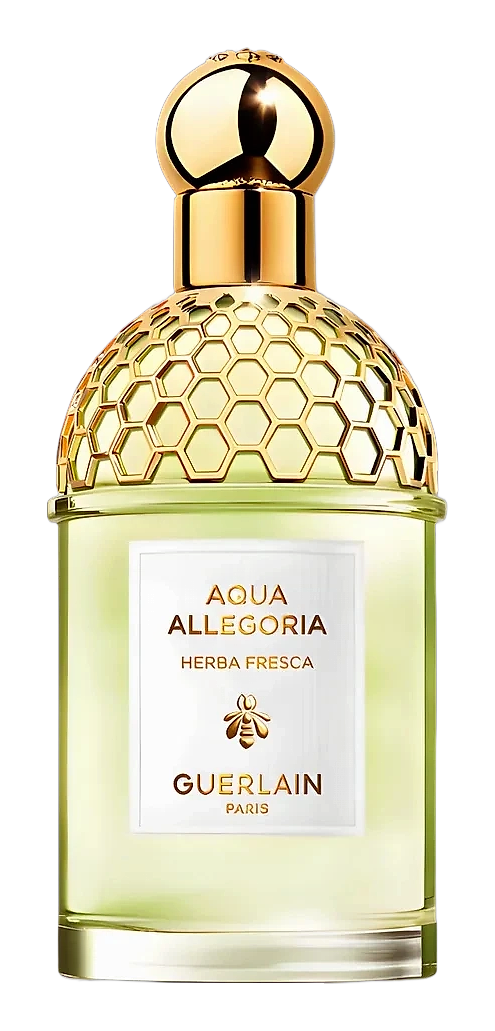
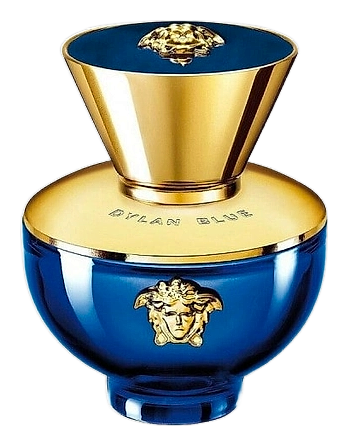
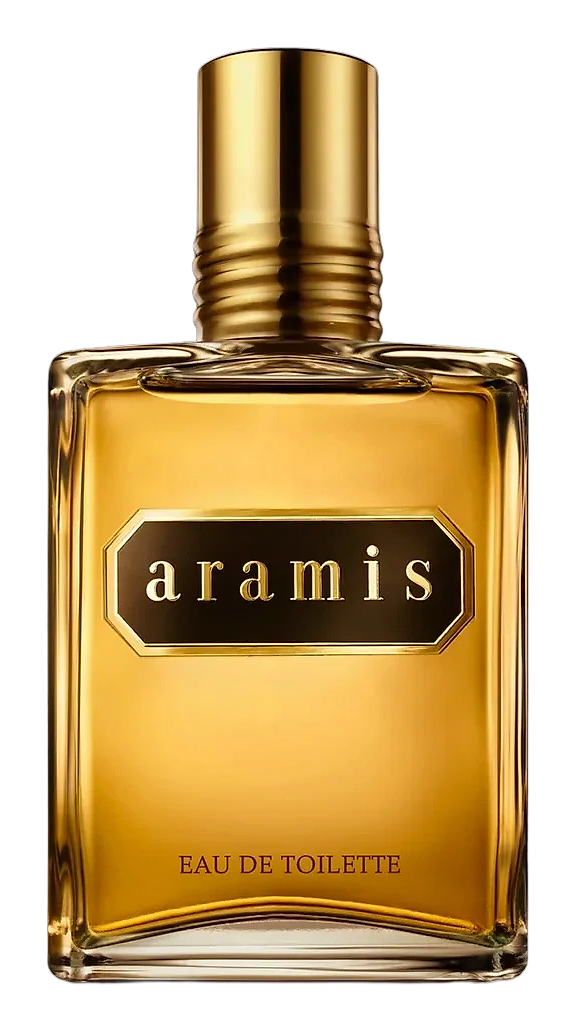
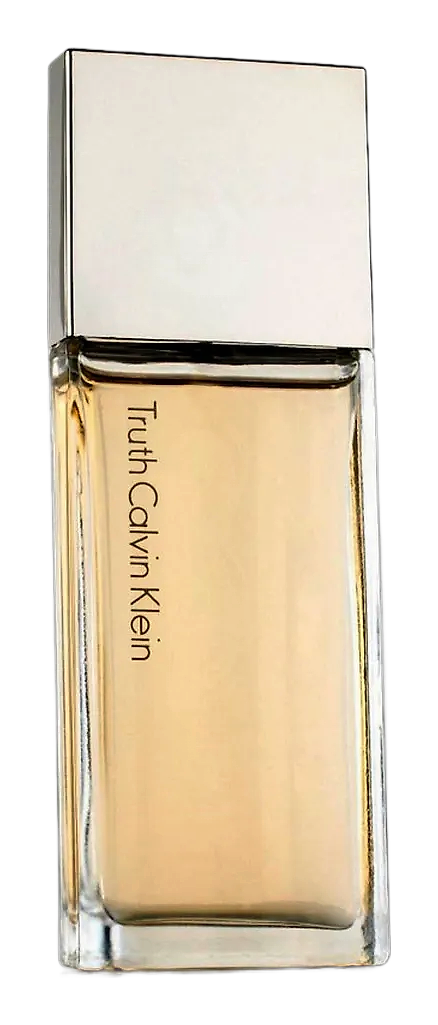
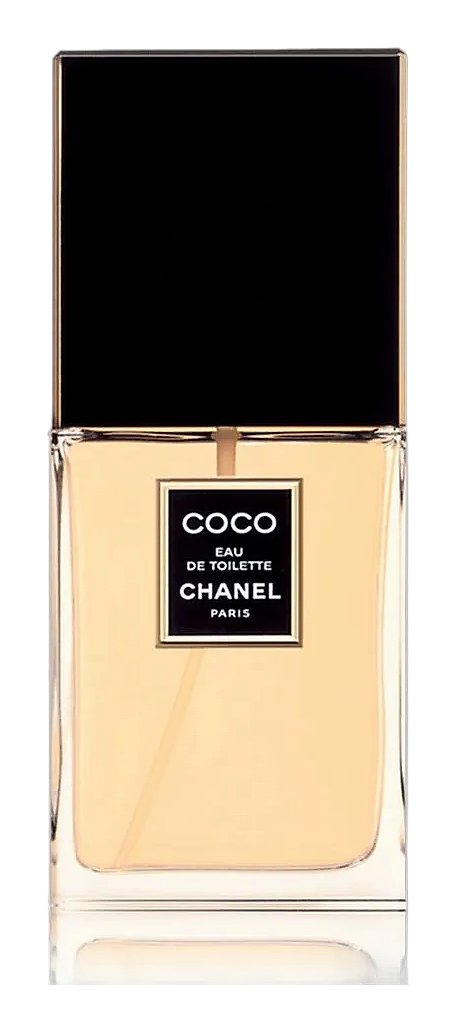
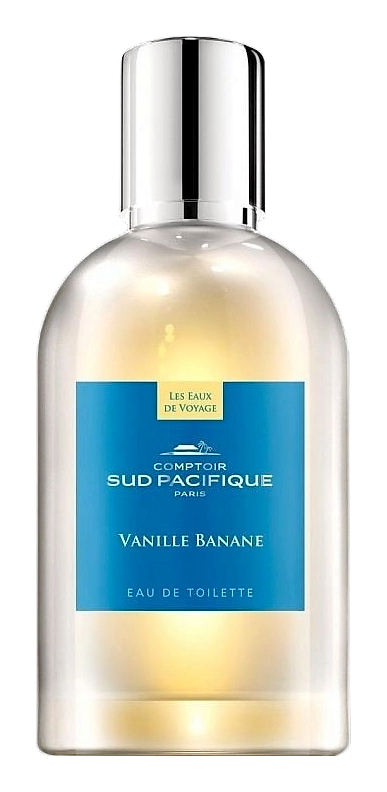
Fragrances featuring Clover




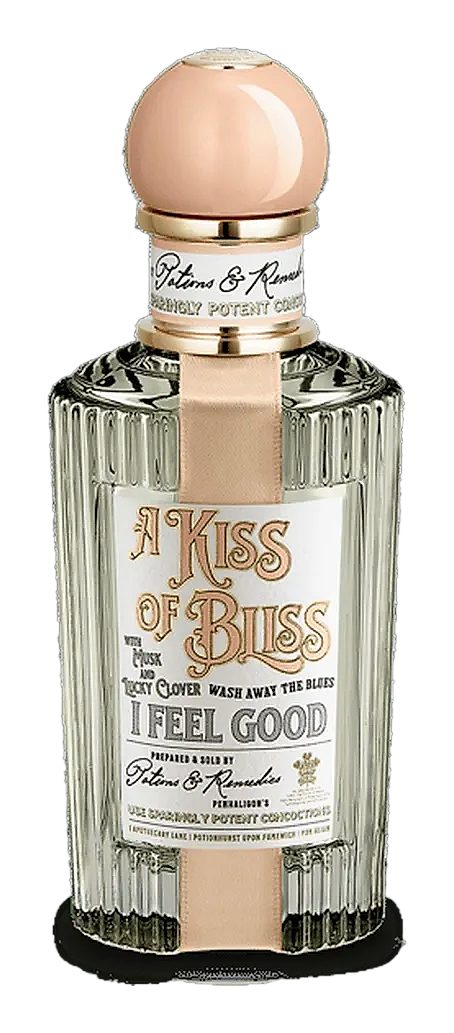
Brands
Brands known for Clover
Good to know
Questions, answered
The essentials on Clover in perfumery: how it smells, where it comes from, and how it behaves on skin.
What does clover absolute smell like?
Clover absolute carries a warm, hay-like sweetness with herbaceous and slightly floral undertones. The coumarin content gives it that characteristic scent of meadows drying in late summer. It reads as green, soft, and comforting rather than sharp or piercing.
Is clover absolute high in coumarin?
Yes. The coumarin content in clover absolute is significant — it is largely what gives this ingredient its signature sweetness. Natural coumarin levels vary depending on growing conditions and the specific species used, but the molecule is present in notable concentrations.
How does natural clover absolute differ from synthetic coumarin?
Natural clover absolute contains coumarin alongside dozens of co-extracted compounds — fatty acids, waxes, and other aromatics that give it complexity and depth. Synthetic coumarin, first produced commercially in 1868, replicates the primary aroma but lacks these subtle natural companions.
Did clover inspire the discovery of coumarin?
Absolutely. In 1823, French pharmacist Auguste Vogel isolated coumarin from sweet clover (Melilotus officinalis) seeds. This pioneering identification gave coumarin its name and opened the door to understanding one of perfumery's most enduring aroma molecules.
What role does clover play in fragrance composition?
Clover functions as a bridging note between green and sweet florals. Its grassy coumarin character connects top citrus or herbal notes to deeper oriental or fougère base materials. It works particularly well in compositions seeking a natural, pastoral quality.
Is coumarin safe to use in modern perfumery?
Coumarin carries restrictions in some regions, including a maximum concentration in consumer products set by IFRA. At typical usage levels in fine fragrances, it remains a well-studied and widely deployed material — present in low concentrations across many popular scents.
What fragrances feature clover absolute?
Clover absolute appears most often in heritage fougère and chypre structures from European houses, where it contributes to the characteristic hay and coumarin drydown. Its use in contemporary niche perfumery tends toward green and aromatic compositions seeking a natural meadow quality.
Why is clover not more commonly discussed as a perfume note?
Clover's role is largely supportive rather than starring — it rarely dominates a fragrance pyramid, instead functioning as a bridging or enriching element. Many consumers encounter clover indirectly through coumarin-driven fragrances without knowing the specific source.