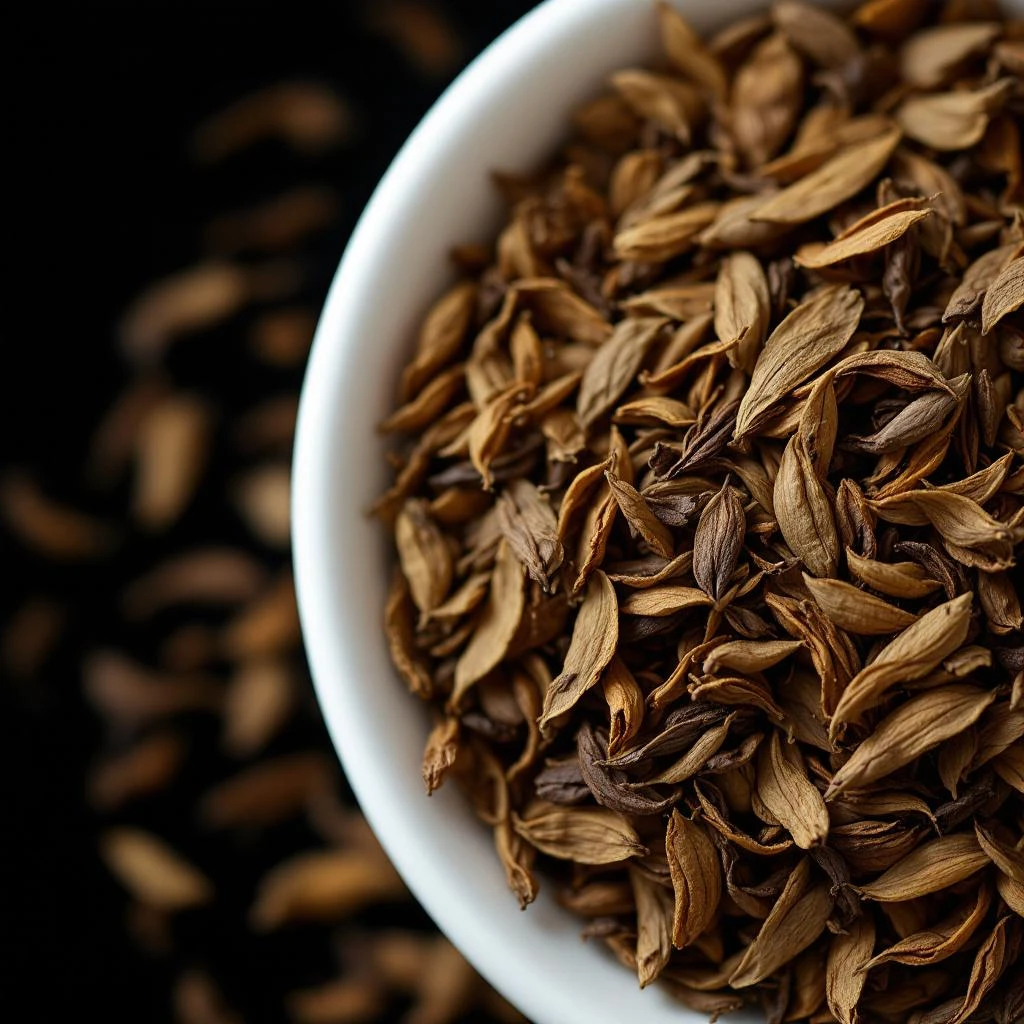
Hay
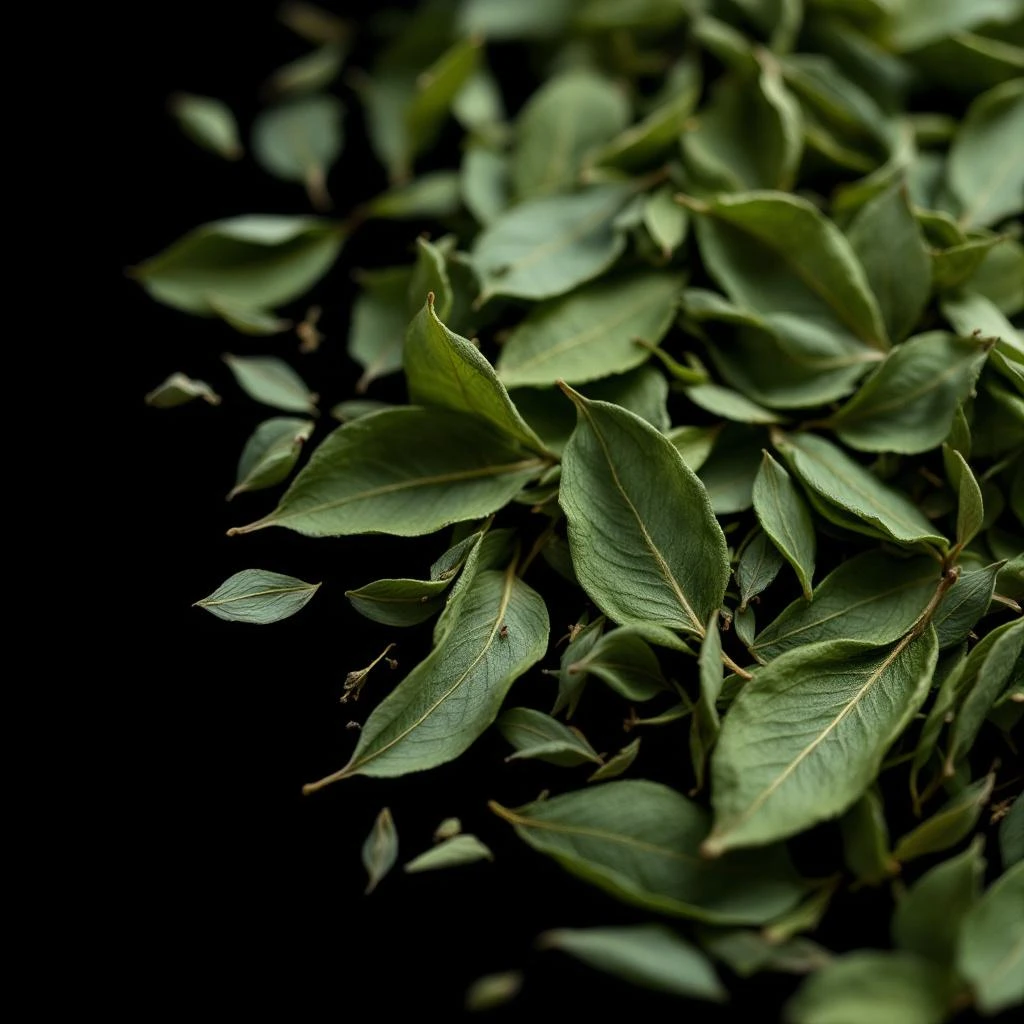
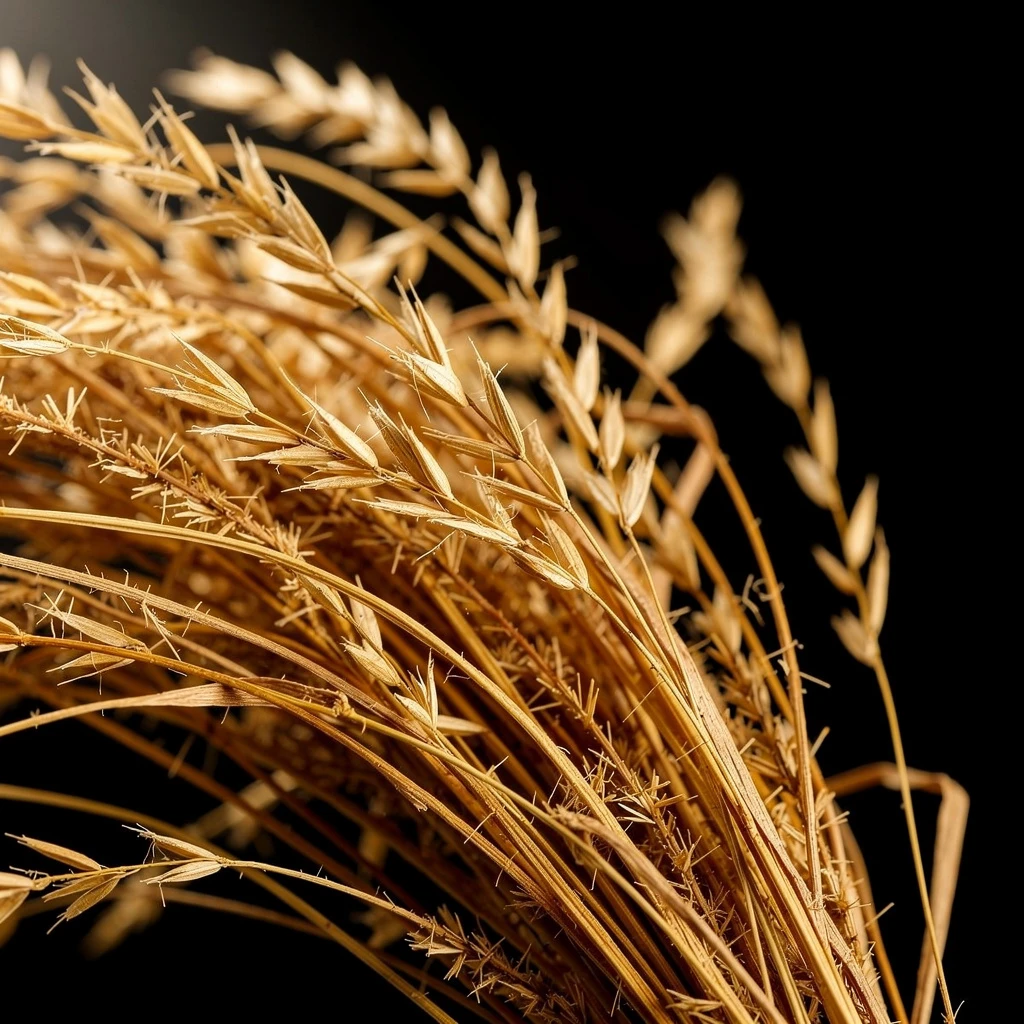
Hay captures the golden warmth of sun-drenched fields at harvest time. In modern perfumery, it serves as a bridge between green freshness and warm sweetness, adding rustic depth and a natural sophistication that elevates fragrance compositions.
Character
How it smells
The sun-warmed scent of harvest fields distilled into scent.
Real hay absolute exists but remains extremely rare. Most perfumers use reconstructed aromatic blends to achieve its characteristic warm, slightly sweet scent profile.






Origin
France
Hay occupies a surprisingly ancient place in fragrance history. Ancient Mesopotamian perfumers first encountered hay's aromatic potential when drying botanicals for their oil infusions. The scent of harvested grasses likely appeared in early ceremonial preparations, though documentation from that era remains fragmentary.
The material's modern prominence emerged alongside Romantic-era landscape painting, when poets and painters began celebrating rural life with new enthusiasm. By the late nineteenth century, European perfumers sought to bottle pastoral nostalgia. The development of synthetic aromatic compounds finally gave them the tools to render hay's ephemeral warmth with precision. Today it appears most prominently in designers seeking to evoke harvest seasons, meadow walks, or natural countryside settings.
Wears it best
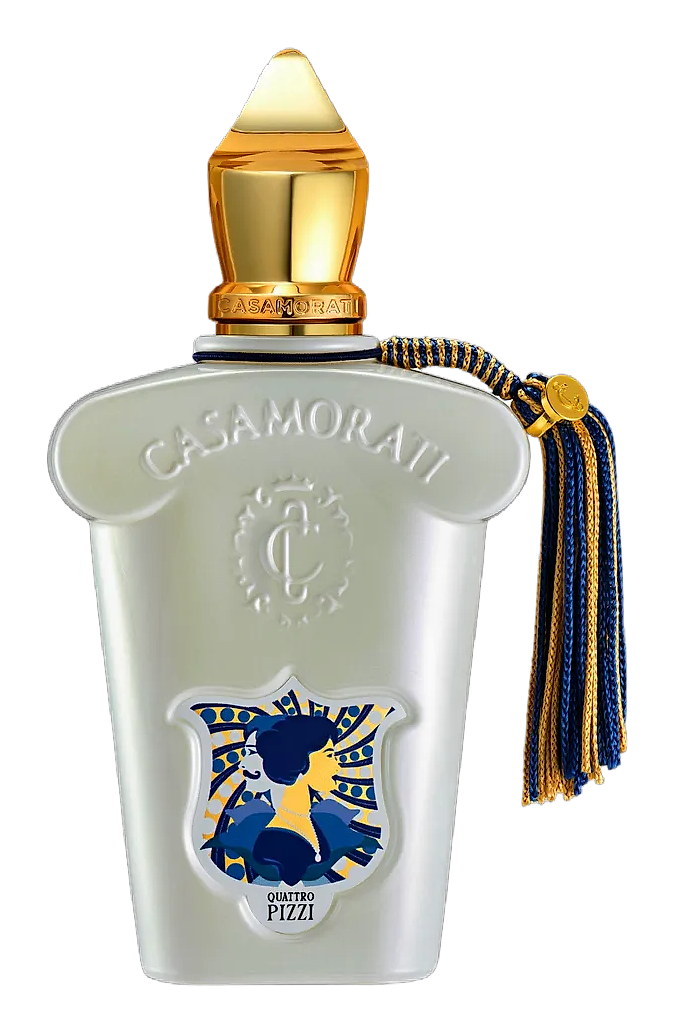
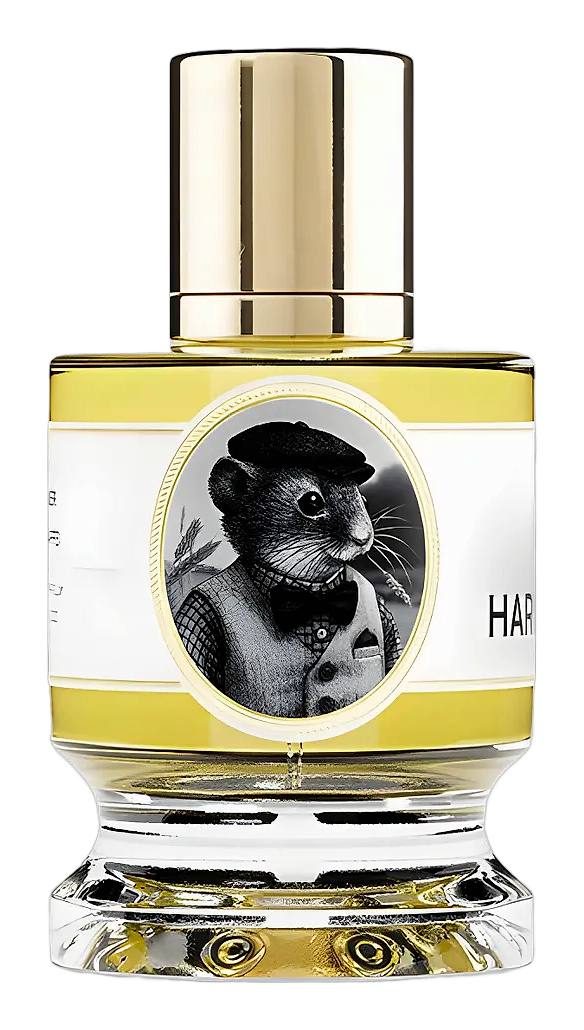
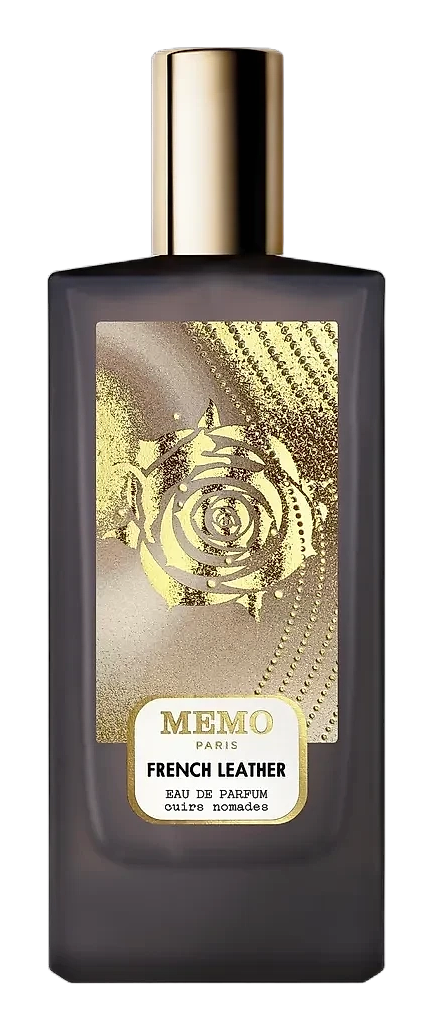
Fragrances featuring Hay



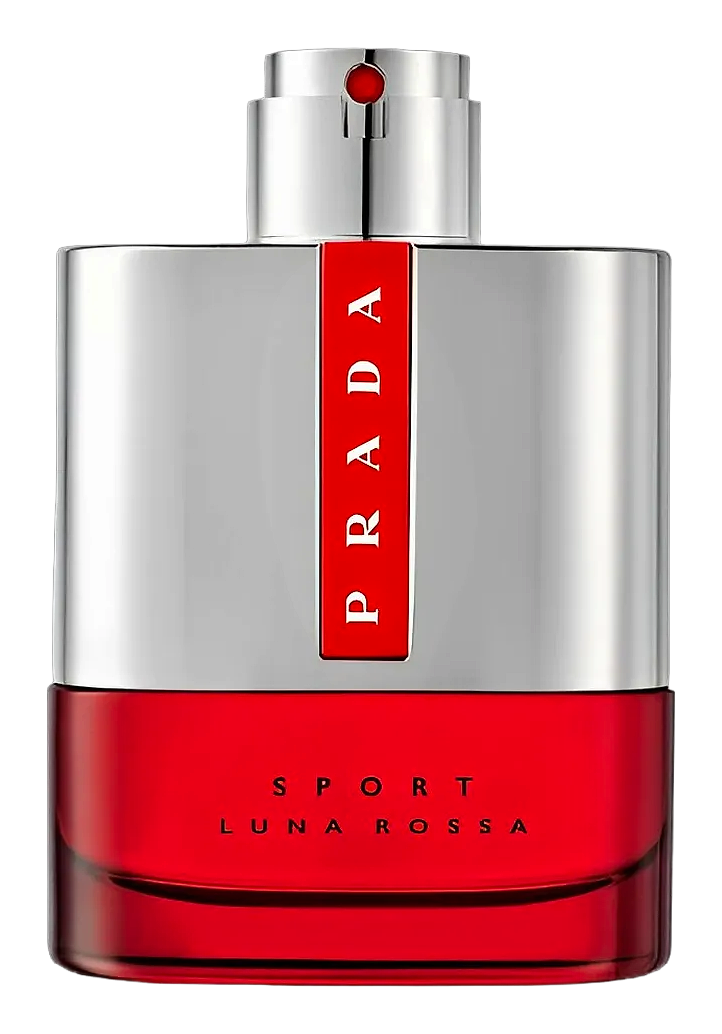
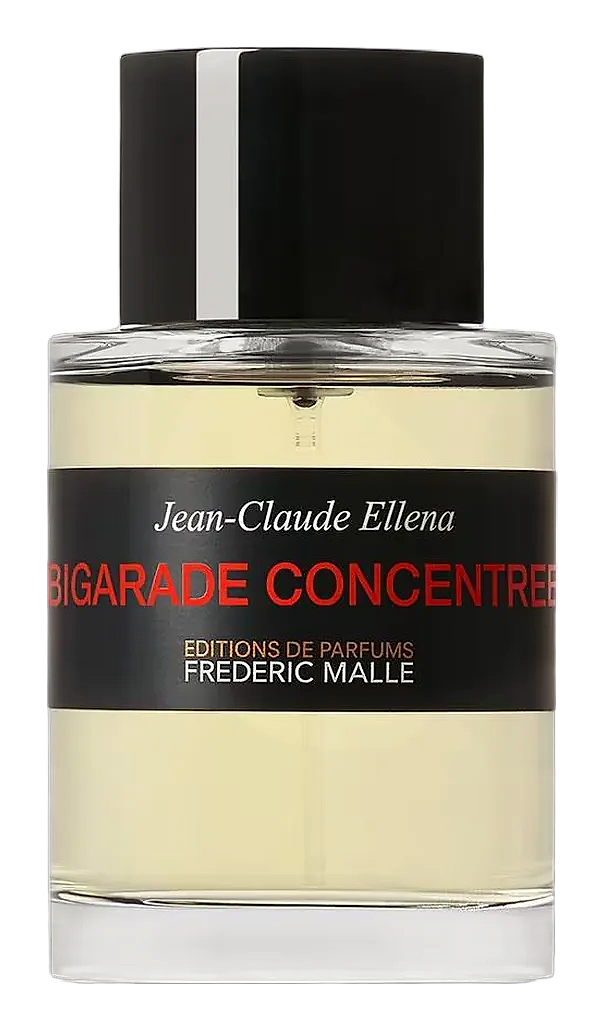

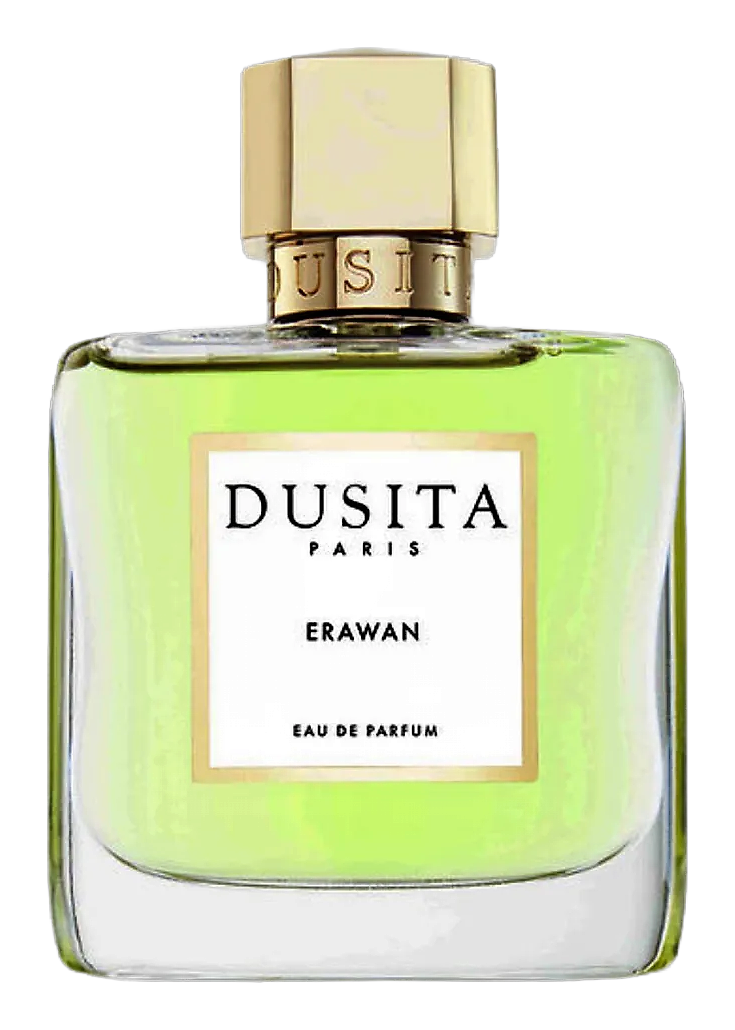
Good to know
Questions, answered
The essentials on Hay in perfumery: how it smells, where it comes from, and how it behaves on skin.
Is natural hay absolute actually used in perfumes?
Natural hay absolute exists but sees limited commercial use due to production challenges. Most fragrances feature reconstructed hay notes built from aromatic molecules that together create the characteristic warm, dry scent of dried grasses.
What aromatic molecules create the smell of hay?
Hay reconstructions typically combine coumarin derivatives, green aldehydes, and melon grass compounds. These molecules together produce the warm, slightly sweet, dusty character that defines hay's scent profile in perfumery.
What fragrance families most commonly feature hay notes?
Hay appears most frequently in chypre, fougere, and oriental fragrance families. It adds pastoral warmth to masculine bases and provides unexpected green depth to sweet oriental compositions.
Does hay smell different in summer versus autumn fragrances?
Yes. Summer hay notes emphasize fresh grass and warm grain, while autumn interpretations include more dried, dusty, and slightly phenolic characteristics that reflect the later harvest season.
Can I find hay as a dominant note in any famous fragrances?
Several fragrances feature hay prominently, particularly those seeking pastoral or countryside atmospheres. The note works particularly well in masculine fragrances and country-style feminine perfumes.
Is hay considered a top, middle, or base note?
Hay functions primarily as a heart-to-base note material. Its warm, persistent character develops after the initial burst of top notes and provides lasting depth to the fragrance dry-down.
How does hay interact with other fragrance ingredients?
Hay pairs naturally with herbal notes like lavender and clary sage, complements warm woods and resins, and bridges green and sweet fragrance directions. It softens sharp edges in masculine compositions.
What should I look for when searching for a hay-scented fragrance?
Check the mid and base notes for hay, tonka bean, or coumarin if you want that warm grass character. These ingredients together create a convincing pastoral effect.