
The Story
Why it exists.
The beginning
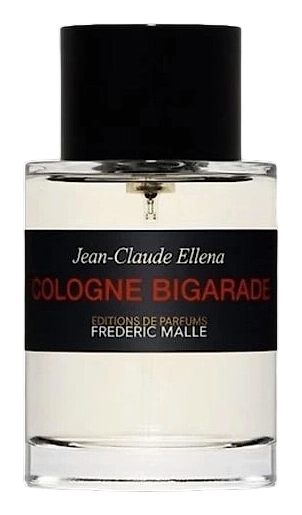
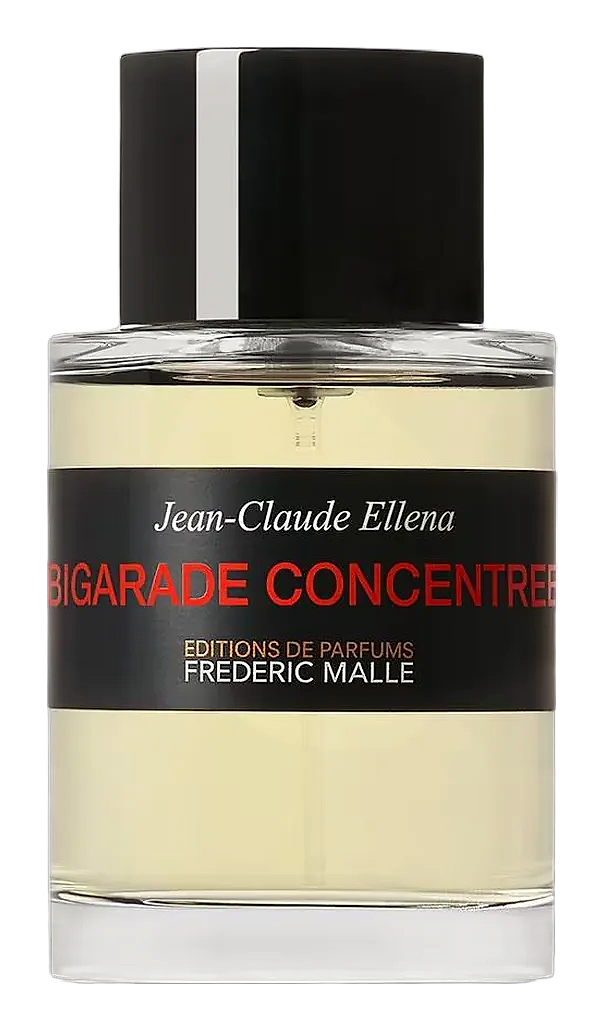
Jean-Claude Ellena is a perfumer who believes in less. Not minimalism as an aesthetic trend, less as a philosophical position. When Editions de Parfums gave him total creative freedom in 2002, he didn't reach for complexity. He reached for the door. The brief was simple: take bitter orange and do nothing to it. No softening agents. No sweetening. No compromise. Bigarade Concentree is what happens when a reductionist gets his way. Molecular distillation isolates the purest bitter orange essence possible, removing everything extraneous until only the cold, vibrant core remains. It's a cologne with nothing to hide behind. The name says it all, concentrated, not constructed.
Bitter orange sits in an uncomfortable space. Too sharp for those who want sunshine citrus. Too bitter for those who want sweet. But Ellena saw something else in it: honesty. Molecular distillation strips the essence down further than traditional extraction, removing the waxy, heavy molecules that dull the scent. What's left is cold. Crystalline. Almost mineral in its clarity. That's what the concentrated label means, not stronger in the blunt sense, but purer. More precise. The grapefruit and mandarin in the top accord don't sweeten the bitter orange. They sharpen it further, creating an opening that reads more like a scent experiment than a commercial fragrance.
The evolution
The opening hits clean. Bitter orange, grapefruit, a faint suggestion of blackcurrant, then the pink pepper and cardamom arrive to add a clean, green heat that prevents anything from smelling soft. Within twenty minutes, the citrus begins to recede. The honeysuckle and neroli appear, not sweet exactly, but present, a quiet floral hum beneath the citrus that gives the composition some dimension. The rose is subtle, almost dusty, doing quiet work rather than announcing itself. Then, around the two-hour mark, the base takes over. Cedar. Hay. Grass. A whisper of musk that stays close to the skin. The tonka bean appears as a softness at the very end, barely detectable, just enough to keep the drydown from reading as austere. By hour four, you're left with a clean, dry woodiness. Intimate. Close. The kind of skin-scent that only the wearer notices.
Cultural impact
Ellena's reductionist approach has divided opinion since 2002. For some, Bigarade Concentree is the purest expression of citrus they've encountered, a hyper-realistic bitter orange that reads more like an ingredient study than a commercial fragrance. For others, the transparency is the problem. The fragrance doesn't announce itself. It requires a wearer who's comfortable being noticed only when they're close. The lack of sillage frustrates those who want projection. But for those who understand what Ellena was going for, that restraint is the point. This is cologne for someone who doesn't need the room to know they've arrived.