
The Story
Why it exists.
The beginning
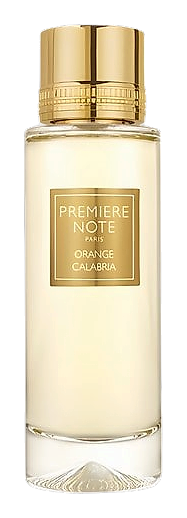
Mélanie Leroux created Orange Calabria in 2014 as an expression of single-ingredient transparency, the brand's stated philosophy of tying each fragrance to one essential material and its geographic home. Calabria, the Italian peninsula that dangles into the Mediterranean, has long been celebrated for its blood oranges, the variety that develops deep red pigment from anthocyanins in the cool nights of that southern latitude. Leroux reached for two varieties of that same Calabrian citrus heritage, building the fragrance around their contrast rather than burying it under layers of complexity. The naming convention was direct: the ingredient, then its origin. Nothing hidden, nothing added.
What makes Orange Calabria distinctive is the mint that takes over the drydown. Citrus fragrances typically resolve into woods and florals, orange usually softens into something warm and sweet. Here, the mentholated coolness arrives instead, pushing the scent in an unexpected direction that feels genuinely refreshing rather than just pleasant. The two orange varieties, bitter and sweet, are already in tension from the opening, one providing the pith and astringency, the other delivering juicy ripeness. The petitgrain bridges them with its green, slightly bitter, herb-like quality. It's a citrus composition built for people who find most orange fragrances too predictable.
The evolution
The opening hits hard and fast. Bitter orange and petitgrain arrive simultaneously, the astringent quality sharp enough to catch at the back of the throat. This is not a gentle introduction. Around 15 minutes in, the harshness softens as orange blossom takes over, but mint asserts itself as the true heart note, cool, clean, mentholated without ever becoming dental. Jasmine adds a touch of warmth beneath, just enough to keep the florals from disappearing entirely. For the next 4 to 6 hours, the drydown settles into sandalwood and heliotrope, creating a warm, slightly powdery base. The evolution is linear, nothing dramatically transformative, but the mint element prevents it from feeling like a typical citrus-fades-to-woods scenario. The sillage drops to close, intimate, skin-warm. On fabric, a ghost of white musk lingers into the next morning.
Cultural impact
Citrus fragrances occupy a crowded space, but the mint-forward drydown of Orange Calabria sets it apart from most orange compositions, which tend toward warm, sweet resolutions. The ingredient-focused philosophy, naming the fragrance after its core material and origin, positions it among like-minded niche houses that appeal to wearers who want transparency about what they're smelling. The sillage stays intimate, the longevity moderate: a fragrance that asks to be discovered rather than announced. It occupies the space between casual citrus and serious perfumery, with enough complexity to reward attention.