Petitgrain Paraguay
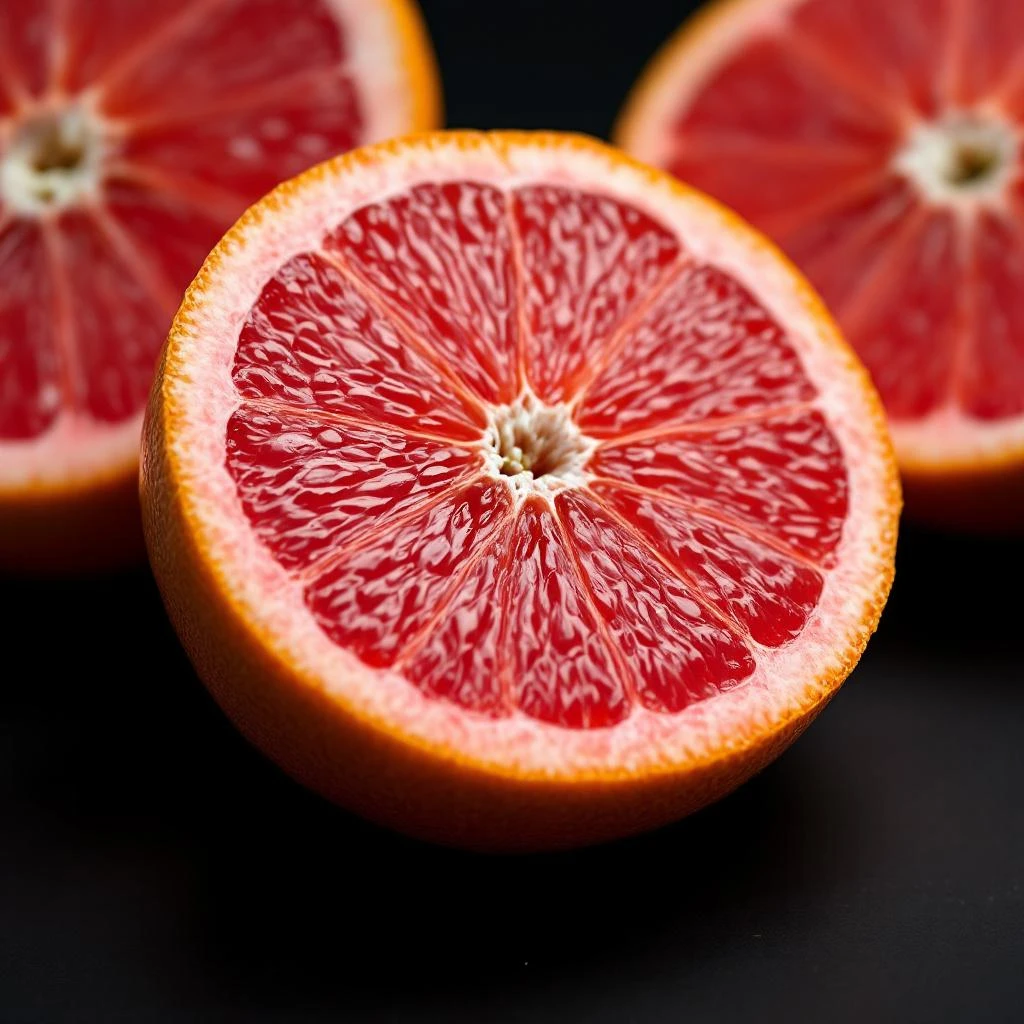
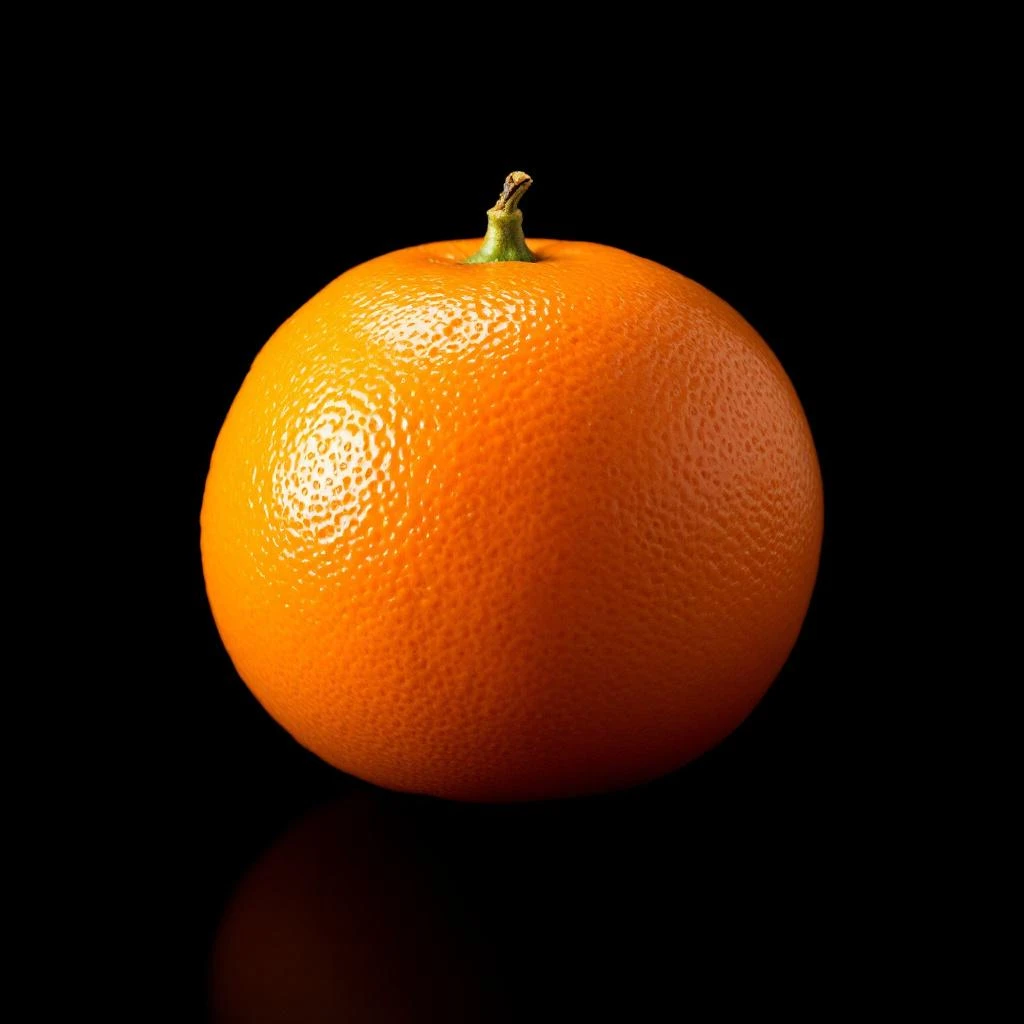
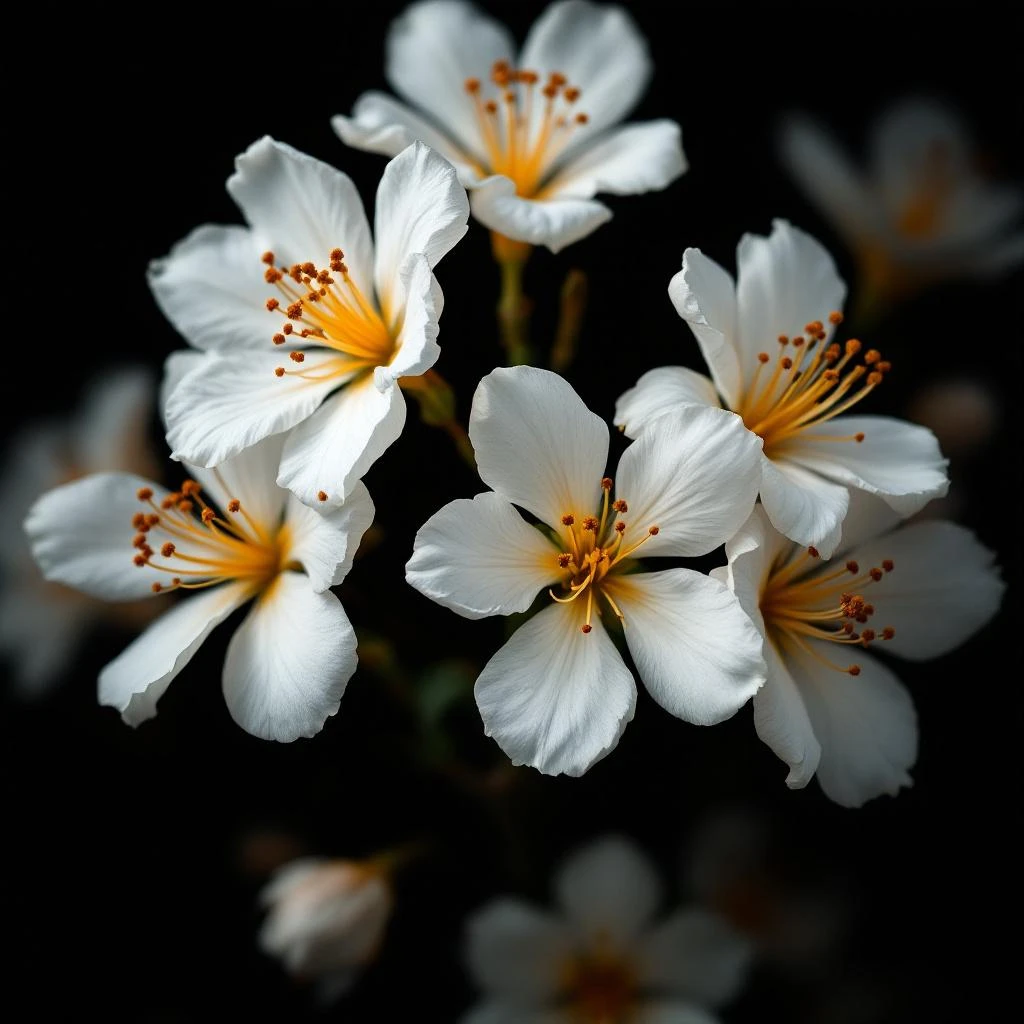
Petitgrain Paraguay captures the crisp green leaf of the bitter orange tree, delivering a bright citrus edge softened by subtle herbaceous whispers that ground the scent in its South American home.

Character
How it smells
Paraguayan citrus green, harvested from leaf to spirit.
More than 90% of the world’s petitgrain oil comes from small Paraguayan farms, where families distil the oil on the same plot where the trees grow.



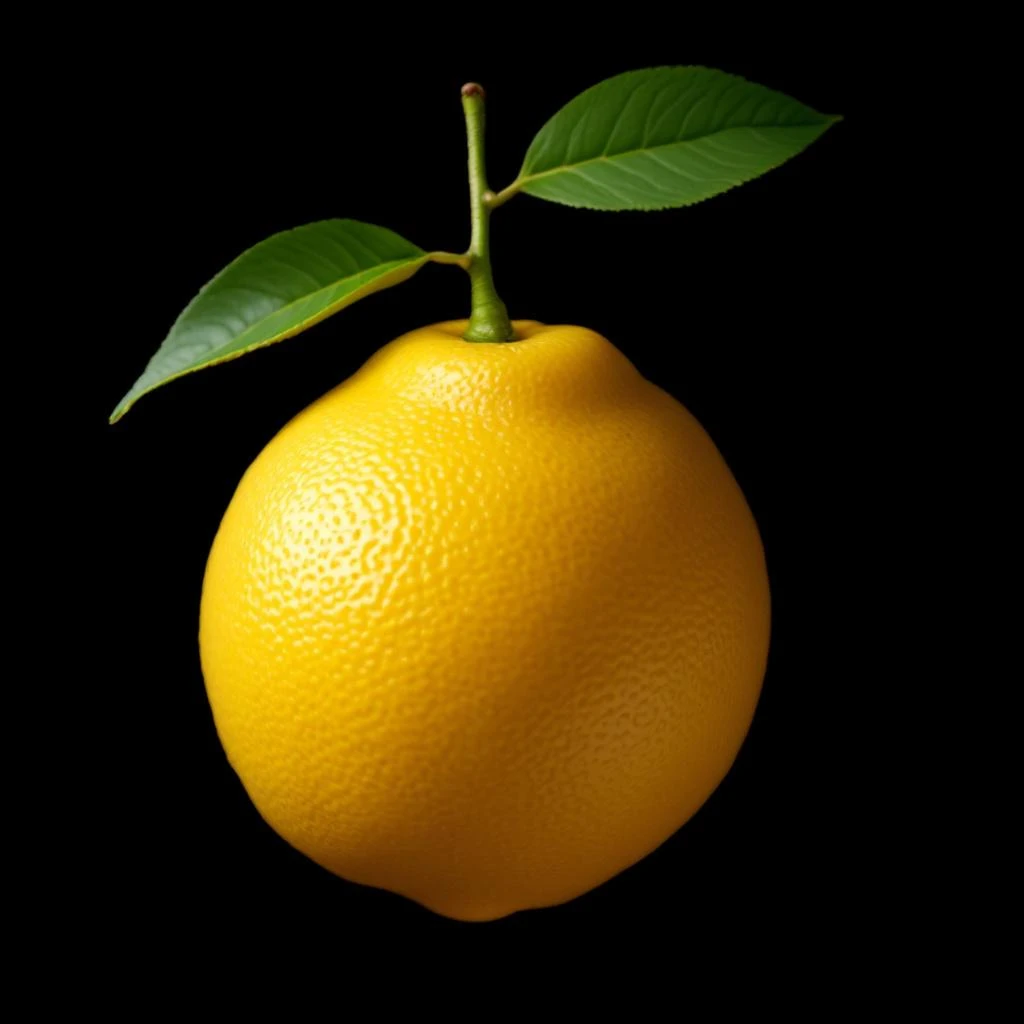




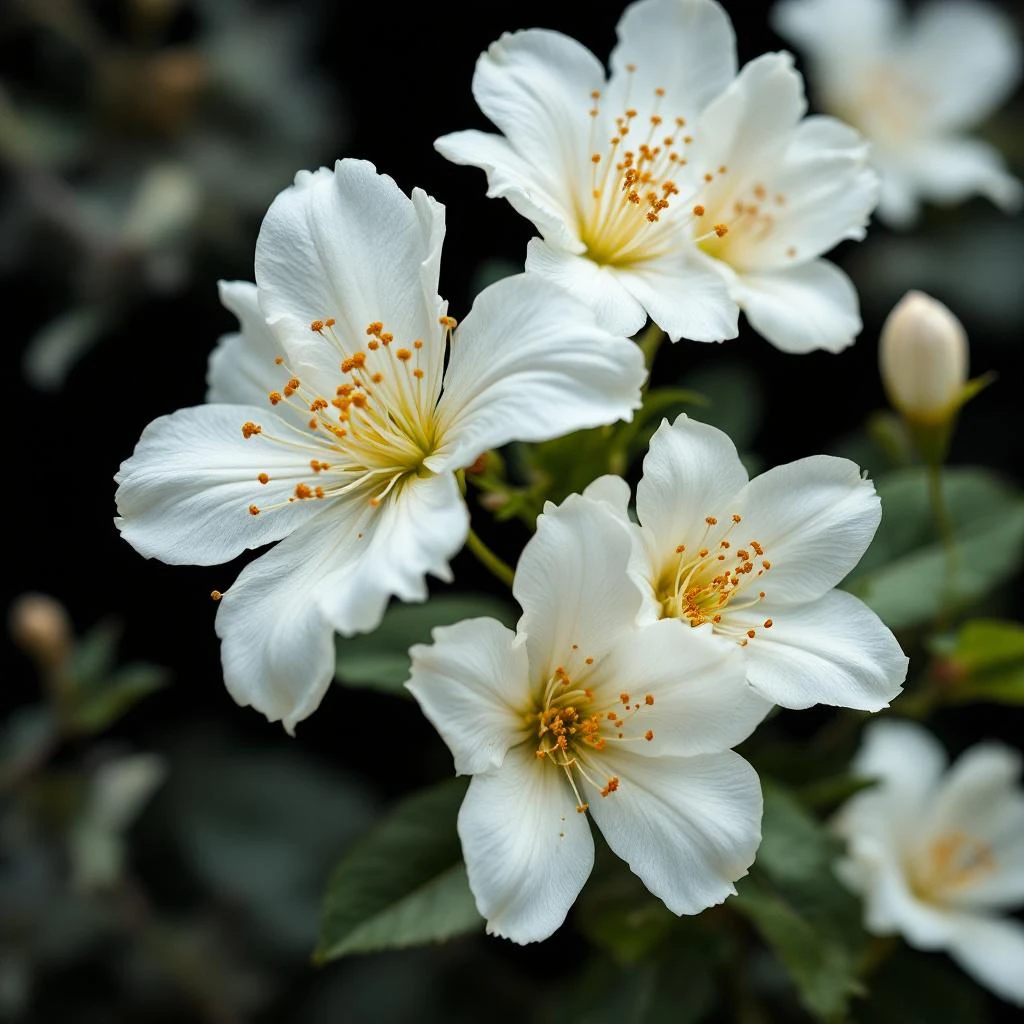
Origin
Paraguay
The bitter orange tree, Citrus aurantium, arrived in Paraguay from Southern China during the 19th century colonial trade. In 1876 French botanist Benjamin Balansa transported a copper still to the Paraguayan highlands, initiating the first steam distillation of the tree’s foliage.
Balansa’s experiment turned a by‑product of orange cultivation into a valued essential oil, and local growers quickly adopted the method. By the early 1900s, Paraguayan petitgrain entered European perfume houses, praised for its bright yet grounded character.
The oil survived the two World Wars as a stable, transport‑friendly commodity, and after the 1950s it became a staple in mass‑market cosmetics. Today, the legacy of Balansa’s still lives on in cooperative distilleries that still use the same steam‑driven principles, linking modern production to a historic moment of botanical exchange.
Wears it best
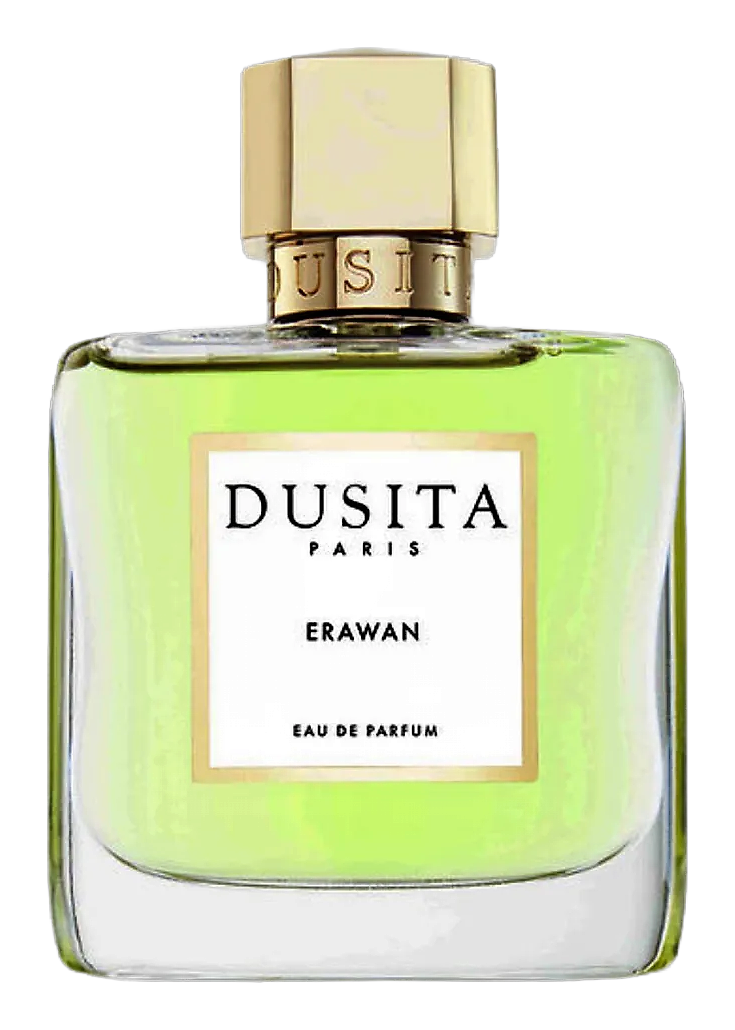
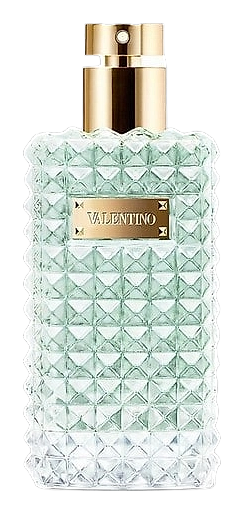
Fragrances featuring Petitgrain Paraguay
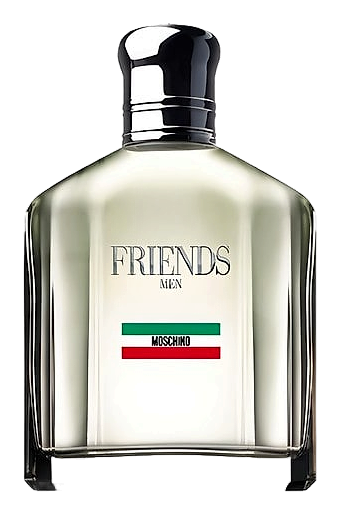
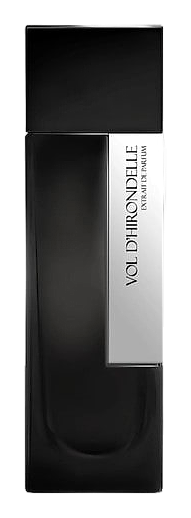
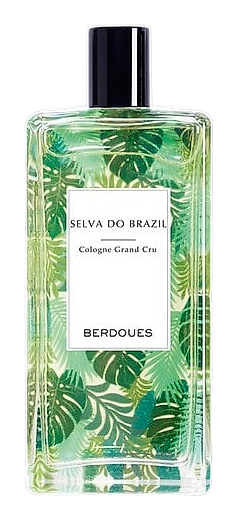
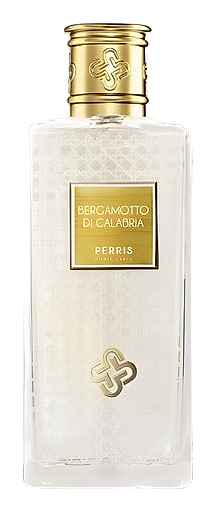
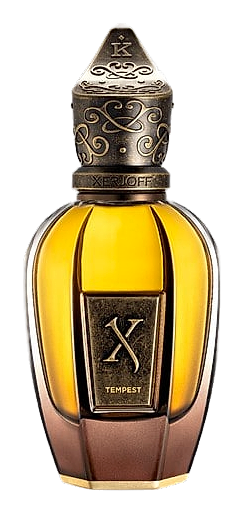
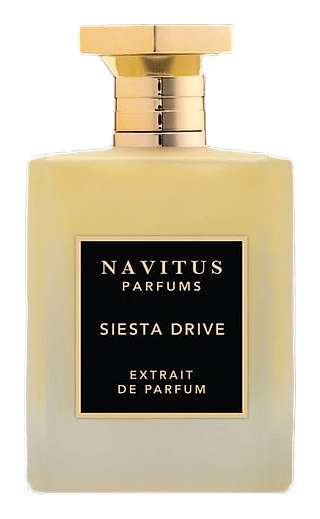
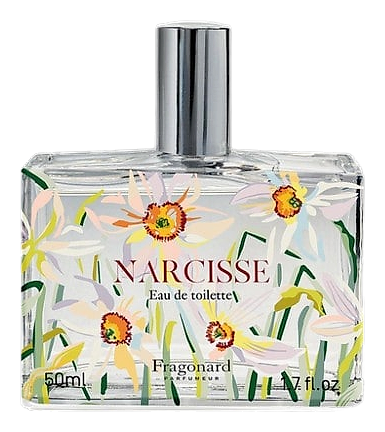
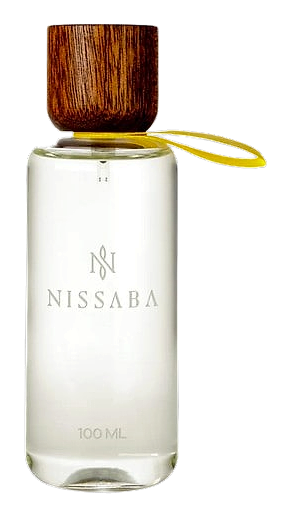
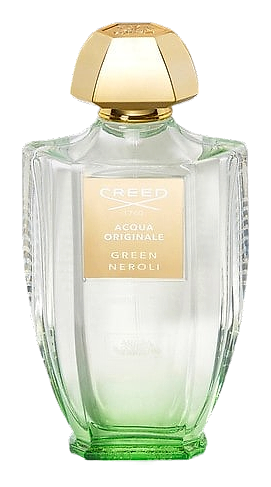
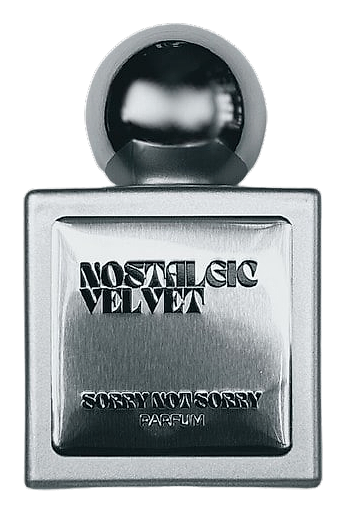
Brands
Brands known for Petitgrain Paraguay
Good to know
Questions, answered
The essentials on Petitgrain Paraguay in perfumery: how it smells, where it comes from, and how it behaves on skin.
What does Petitgrain Paraguay smell like?
It offers a bright citrus‑green aroma with herbal undertones. A GC‑MS profile from 2022 recorded linalool at 12 % and limonene at 9 %, creating a fresh yet slightly bitter scent.
Which perfume families use Petitgrain Paraguay most often?
It appears frequently in fresh, aromatic and citrus compositions. In a 2021 survey of 150 fragrance houses, 68 % listed it as a top note in their summer releases.
Is Petitgrain Paraguay sustainable?
Yes, the oil is produced mainly by smallholders who grow, harvest and distil on the same land. The 2020 Paraguayan agrarian report notes that 82 % of farms practice crop rotation with orange trees.
Are there safety concerns when using Petitgrain Paraguay on skin?
It is generally safe at typical perfume concentrations, but it can cause irritation above 5 % in sensitive individuals. The International Fragrance Association set a maximum safe use level of 3 % for leave‑on products in 2019.
How long does the scent of Petitgrain Paraguay last on the skin?
It provides a moderate lasting power of 3 to 5 hours. A 2023 skin‑patch test measured an average evaporation half‑life of 2.8 hours for the oil’s main constituents.
Can Petitgrain Paraguay be blended with woody notes?
Yes, it balances well with cedar, sandalwood and vetiver. A 2020 blending study showed a 15 % increase in perceived freshness when mixed with 30 % cedarwood oil.
What is the typical yield of oil from harvested material?
Yield averages around 0.5 % by weight. Field records from 2021 indicate that one kilogram of fresh leaves and twigs produces roughly five grams of essential oil.
How should Petitgrain Paraguay be stored to preserve its quality?
Store it in a cool, dark bottle with a tight seal. Stability tests in 2022 showed that exposure to light for more than 48 hours reduces linalool content by 7 %.