The Story
Why it exists.
The beginning
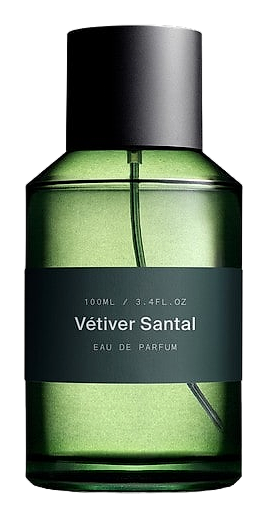
Vétiver Santal arrived in 2020 from Marie Jeanne, the Grasse house. Sidonie Lancesseur selected specific origins and extraction methods for each botanical used in the composition. With this fragrance, she explored the interplay between vetiver's rustic, hazelnut-like earthiness and sandalwood's smooth, creamy warmth. Two materials, one named in the title. The rest of the composition builds around them, creating a study in contrast and restraint. The pairing creates something greater than either ingredient alone, where each wood supports the other without overwhelming it. The vetiver brings its dry, grounded quality while the sandalwood offers a softer counterpoint, and together they form the backbone of a fragrance that rewards close attention.
What makes this composition work is its structural logic. The citrus opening isn't incidental, it lifts the vetiver, preventing it from reading too heavy or agricultural. The sandalwood doesn't overpower the vetiver either; it softens without diluting. New Caledonian sandalwood carries a creaminess that Haitian vetiver's earthiness needs to feel refined rather than raw. The cypress adds a green, slightly pine-like freshness that gives the heart an aromatic complexity. In the base, Siam benzoin introduces a sweet, slightly vanillic resin that tempers patchouli's earthy bite.
The evolution
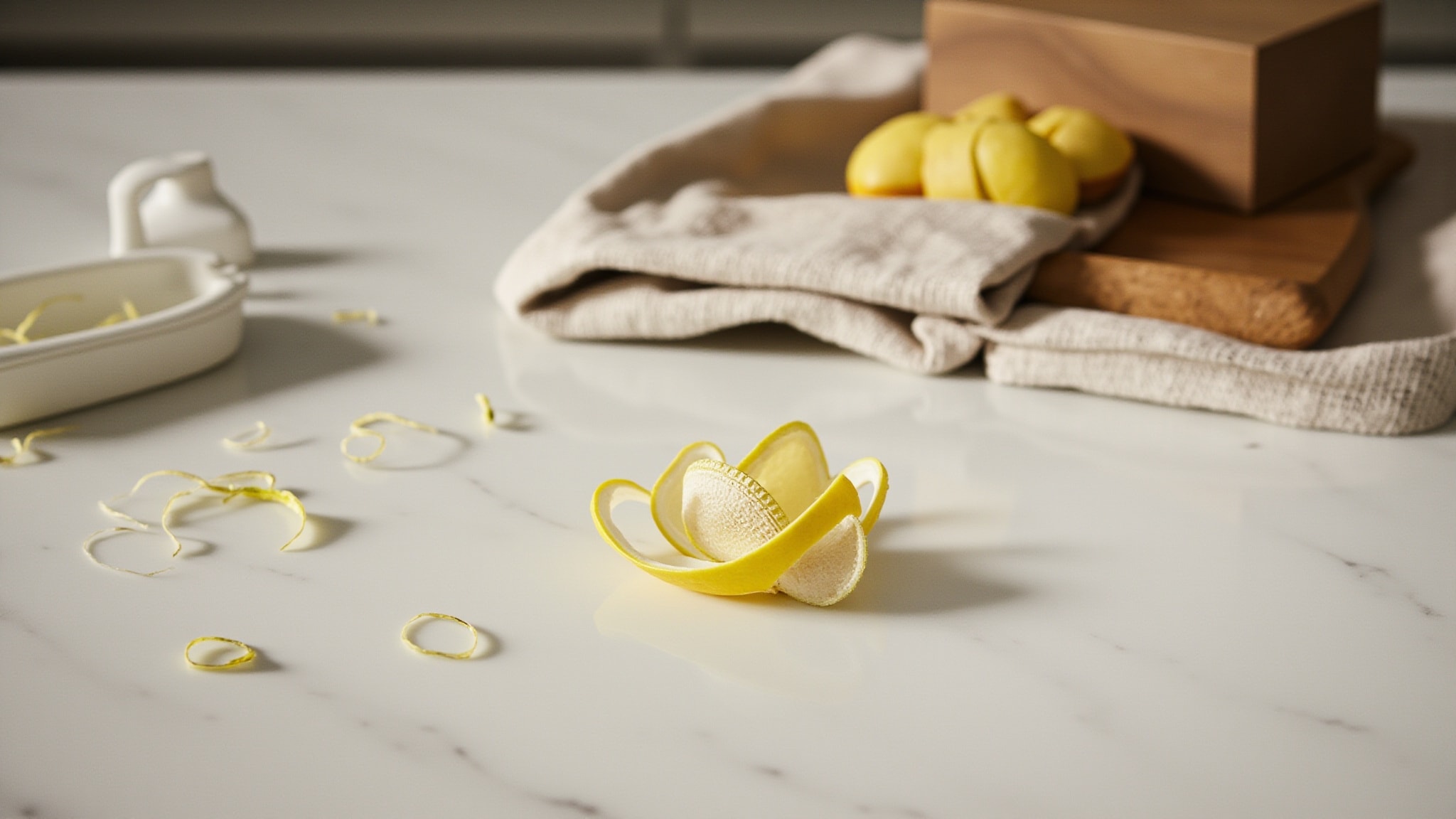
The opening hits bright and tart, lemon and bergamot cutting through, with petitgrain's bitter-green edge keeping the citrus honest. No sweetness here. Just the smell of a cut peel beside a sandalwood box. Within minutes, the vetiver arrives. Earthy, dry, with that unmistakable hazelnut quality. The citrus doesn't disappear, it recedes, becoming a background warmth. Sandalwood slides in soft and creamy, almost milky, its texture the counterpoint to vetiver's dryness. Cypress brings a green lift, a breath of something aromatic that keeps the heart from becoming heavy. This middle phase is where the fragrance earns its name. Neither ingredient dominates. They negotiate. The drydown settles into warmth, benzoin's resinous sweetness, patchouli's earthy depth, white musk keeping everything close to the skin.
Cultural impact
Vétiver Santal occupies a specific corner of the fragrance landscape. It belongs to a tradition of woody compositions that ask for patience. The kind of scent that rewards wearers who appreciate subtlety over projection. Its audience finds it through word of mouth, passed between people who understand that restraint is its own form of confidence. The fragrance doesn't announce itself loudly, instead offering something more nuanced for those willing to engage with it on its own terms.
The House
Marie JeanneMarie Jeanne is a French niche fragrance house established in 2014 in Grasse, the historic center of French perfumery. The brand was founded by Georges Maubert, who represents the fifth generation of his family within Robertet, a Grasse-based supplier of natural fragrance ingredients. This lineage provides Marie Jeanne with direct access to high-quality botanical extracts and allows the house to maintain close oversight of ingredient sourcing and quality. The brand creates perfumes that draw on this heritage, translating generational expertise into contemporary scent compositions. Marie Jeanne operates independently while benefiting from the family's established infrastructure in natural raw materials, giving the house a distinctive position in the niche fragrance landscape where provenance and transparency inform each creation.
The Creator
Sidonie LancesseurLancesseur's signature leans toward warm, woody compositions with spicy and amber accents. She frequently incorporates cedarwood, musk, rose, pink pepper, cardamom and patchouli, building fragrances that feel both grounded and sophisticated.