
The Story
Why it exists.
The beginning
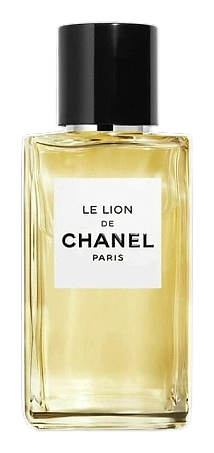
In 2020, Olivier Polge reached for the emblem, not the animal. The lion that anchors Chanel's visual identity, Coco Chanel's own celestial sign, became the conceptual spine of Le Lion. Not a roaring beast. The symbol. The authority. The weight of an icon that doesn't need to prove itself. Polge translated this philosophy into materials, building from citrus brightness through resinous warmth to create a fragrance that commands attention through refinement rather than force.
The notes were chosen to reflect both power and restraint. Bergamot and lemon open with clarity rather than aggression, setting expectations for something refined. Labdanum and amber form the warmth at the heart, creating an amber presence that feels substantial without heaviness. The drydown of patchouli, vanilla, musk, and sandalwood completes the picture: earthy patchouli grounded by creamy sandalwood, softened by vanilla, and made Intimate by musk. This is a fragrance for those who understand that authority comes through composure, not volume. The notes work tog ether to create something that projects confidently but never overwhelms, lasting for hours while maintaining its refined character.
The evolution
The opening with bergamot and lemon establishes immediate authority through clarity and brightness. These citrus notes don't rely on sweetness or sharpness; they communicate presence through precision. As the fragrance moves into its heart phase, labdanum and amber emerge, introducing the warmth and resinous depth that separates Le Lion from lighter compositions. The amber adds a golden quality while labdanum brings complexity. The final evolution brings patchouli, vanilla, musk, and sandalwood tog ether, creating a drydown that feels both grounded and enveloping. This is where the lion metaphor becomes complete: the power that settles, that remains, that doesn't need to announce itself because it speaks quietly through sustained presence.
Cultural impact
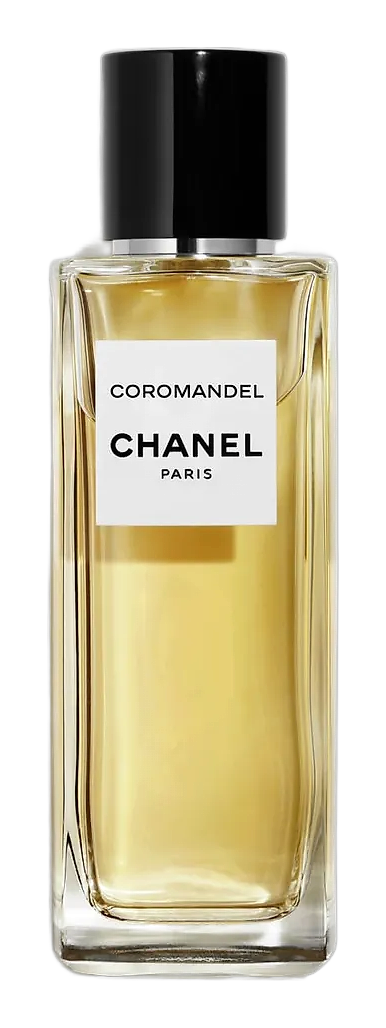
Le Lion de Chanel, released in 2020, entered the fragrance world at a moment when amber compositions were experiencing renewed interest among collectors. The fragrance arrived as part of Chanel's Les Exclusifs line, a collection that has long operated as the house's laboratory for artistic statements outside mainstream commercial offerings. The lion emblem connects to Chanel's personal symbolism, chosen by Gabrielle Chanel herself as a celestial marker tied to her zodiac sign and sense of self. This biographical connection gives the fragrance cultural weight beyond its olfactory merits, positioning it as a wearable artifact of Chanel house mythology.
The House
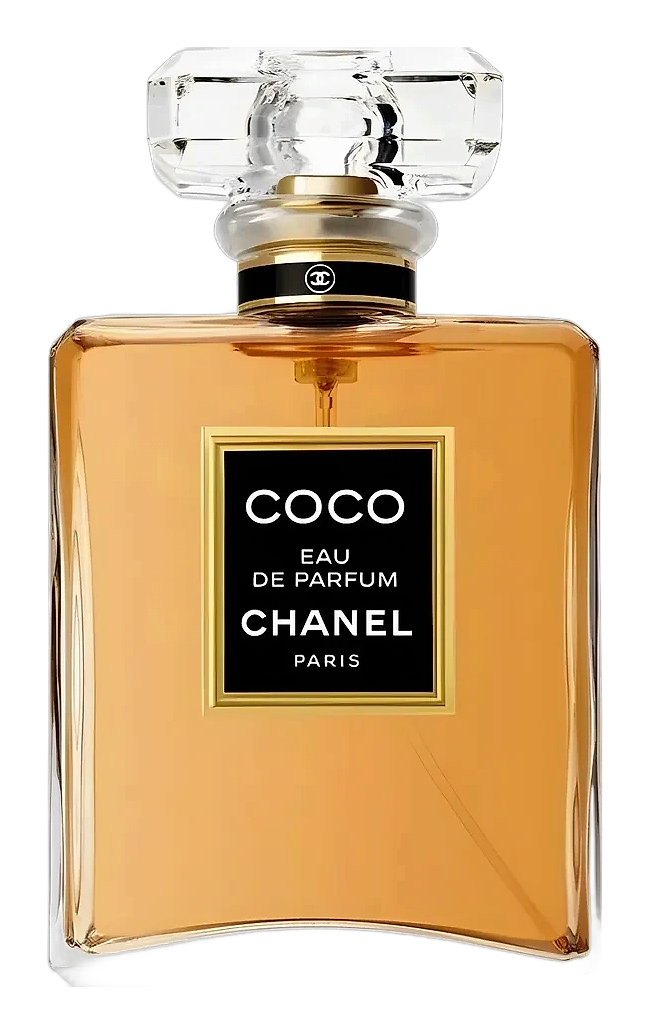
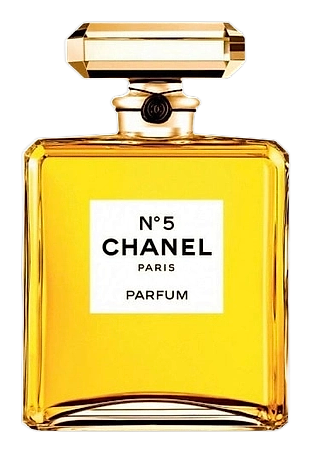
ChanelThe house that gave the world N°5 remains the definitive name in luxury fragrance. Founded by Gabrielle "Coco" Chanel, its perfume division pioneered the use of aldehydes and abstract composition, forever separating modern perfumery from the purely floral tradition. From Les Exclusifs to the iconic numbered line, Chanel represents the intersection of haute couture and olfactory art.
The Creator
Olivier PolgeWhile Olivier Polge's style is adaptable to the needs of diverse brands, certain tendencies emerge. He often favors clean, elegant compositions with a focus on natural ingredients.