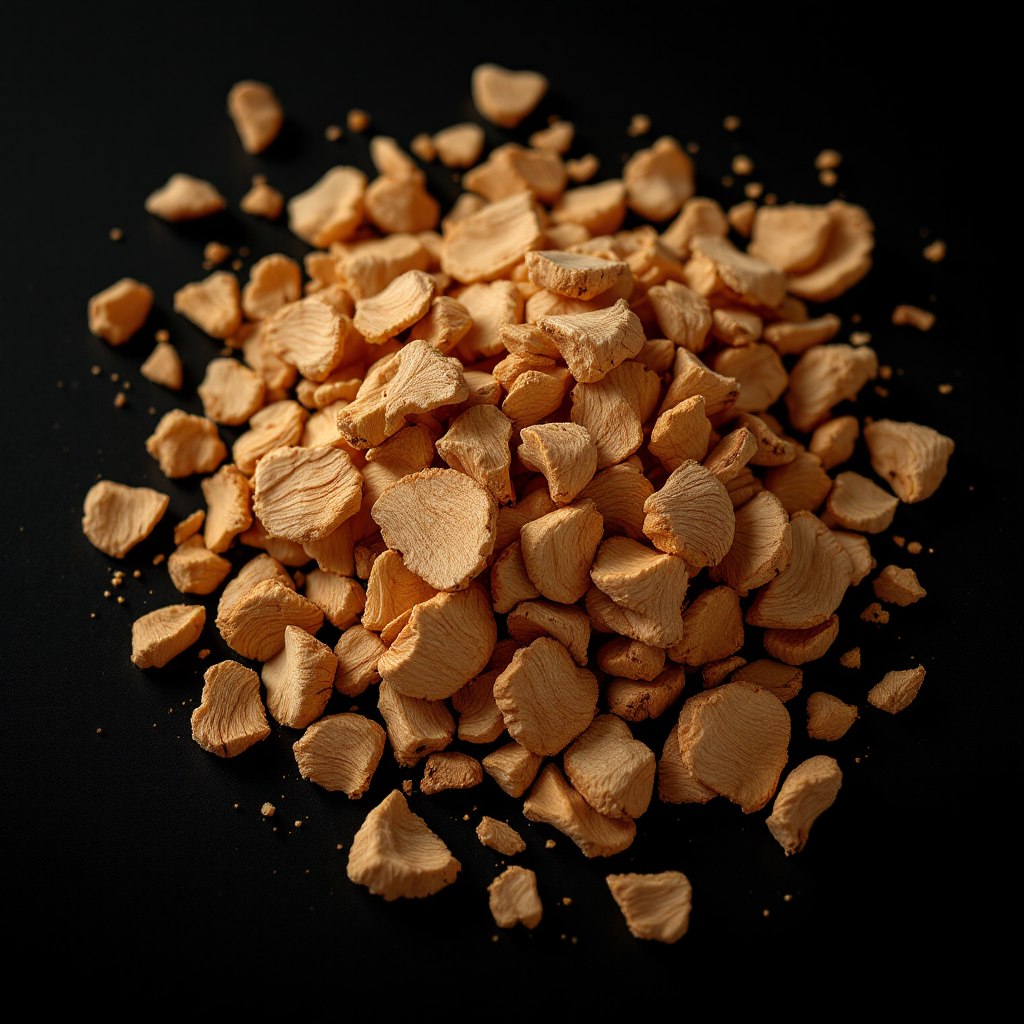
Patchouli Leaf
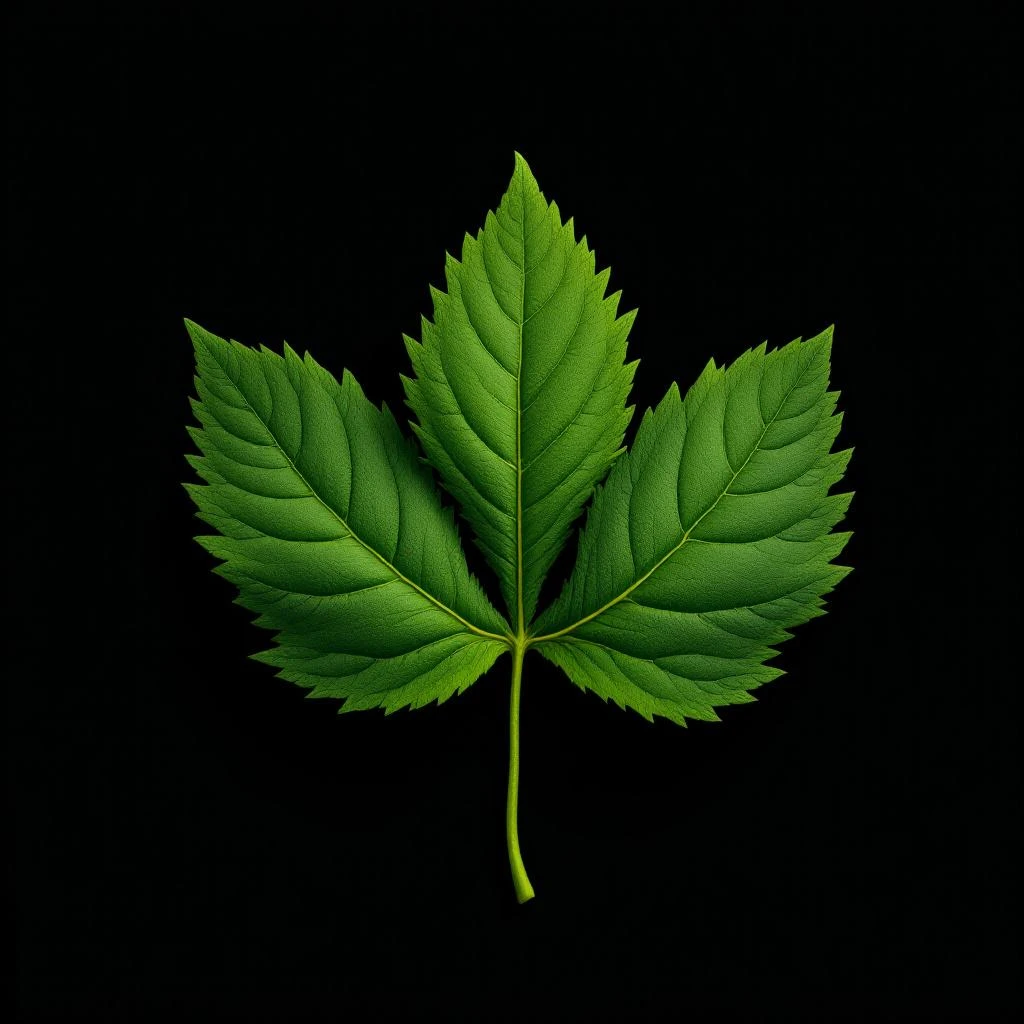
Patchouli leaf delivers the iconic woody, earthy depth found in orientals and chypres. Its fixative power makes it indispensable—and its story begins with a paradox: the fresh leaf has no smell at all.
Character
How it smells
From damp earth to olfactory legend
Fresh patchouli leaves are virtually odorless. The characteristic aroma only develops after 5-6 days of shaded drying, which concentrates patchoulol.









Origin
Indonesia
Patchouli originates from Southeast Asia, where Tamil speakers called it paccu (green) + ilai (leaf). During the 19th century, European traders encountered it scenting cashmere shawls imported from India. These leaves served as moth repellent during long Silk Road journeys, inadvertently marking luxury goods with their distinctive fragrance.
Patchouli symbolized exotic refinement for decades. The 1970s reversed that image when hippie culture embraced pure patchouli oil as a symbol of freedom and rebellion. Overuse bred association with musty, overpowering scents.
Modern perfumery reclaimed patchouli, elevating it from counterculture icon to luxury staple. Today it anchors classics like Chanel's Coco Mademoiselle, Frédéric Malle's Portrait of a Lady, and even gourmand orientals like Mugler's Angel. Its journey from Indian shawls to haute couture represents one of perfumery's most dramatic ingredient rehabilitations.
Wears it best
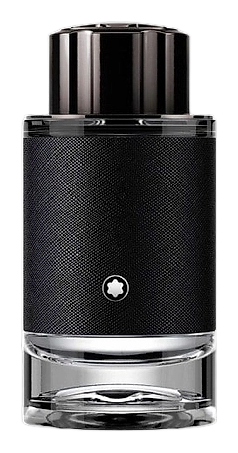
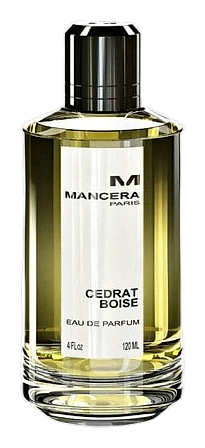
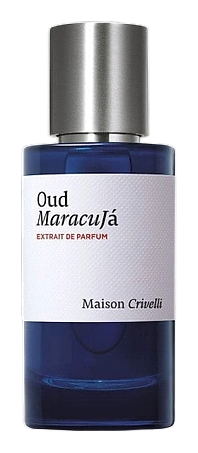
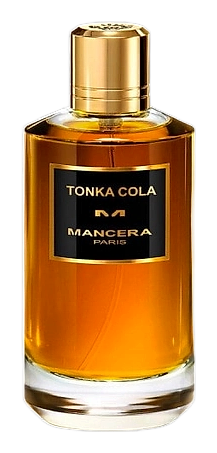
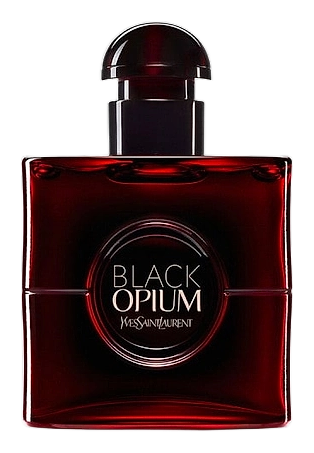
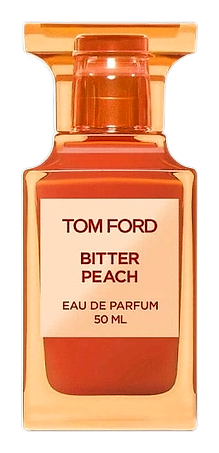
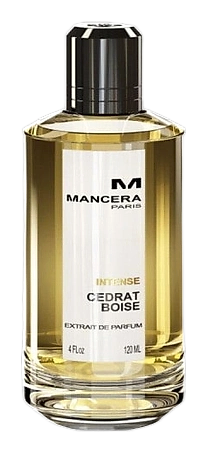
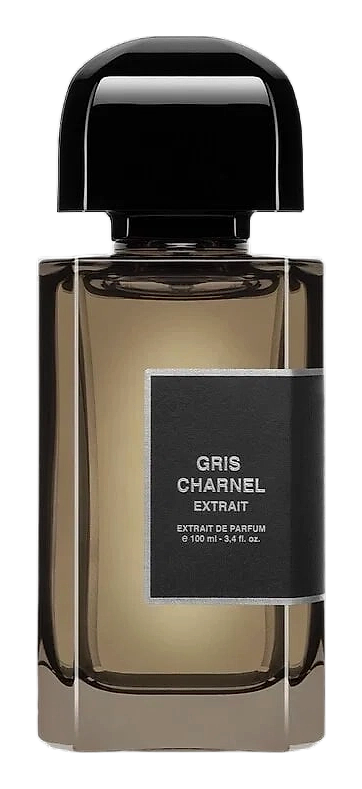
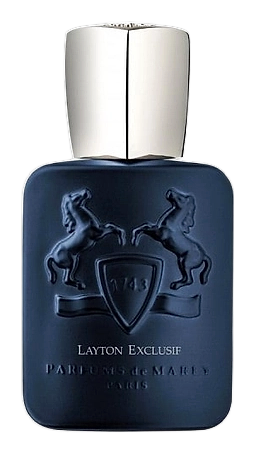
Fragrances featuring Patchouli Leaf



Brands
Brands known for Patchouli Leaf
Good to know
Questions, answered
The essentials on Patchouli Leaf in perfumery: how it smells, where it comes from, and how it behaves on skin.
Why is patchouli so important in perfumery?
Patchouli is the second most-used natural ingredient in perfumery, surpassed only by citrus. It serves as both a signature woody note and a powerful fixative that extends the life of a fragrance on skin.
How long does patchouli need to dry before it develops its scent?
Fresh patchouli leaves have almost no smell. They require 5-6 days of shaded drying to concentrate patchoulol, the molecule responsible for the characteristic woody, earthy aroma.
What makes modern patchouli different from traditional versions?
Fractional distillation removes the dusty, camphoraceous notes associated with hippie-era patchouli. The result is a cleaner, more luminous trail that luxury perfumers prefer for modern compositions.
What is patchoulol and why does it matter?
Patchoulol is a sesquiterpene alcohol comprising about 40% of patchouli oil. It acts as a fixative, slowing the evaporation of lighter notes and extending the fragrance's longevity on skin.
Where does most patchouli come from?
Indonesia produces approximately 90% of the world's patchouli, primarily from Java and Sulawesi. The crop exhausts soil nutrients heavily, requiring fallow periods between harvests.
What happened during the patchouli supply crisis of the early 2000s?
Low profitability caused farmers to abandon patchouli cultivation, triggering a supply crisis. Perfumers responded by developing bio-fermented alternatives from sugar cane, which are now widely adopted.
Which famous fragrances feature patchouli?
Patchouli appears across fragrance families: Coty's Chypre (1917) gave its name to the entire family. Miss Dior Original (1947), Chanel's Coco Mademoiselle, Mugler's Angel, and Frédéric Malle's Portrait of a Lady all showcase this ingredient.
Can patchouli smell different depending on where it grows?
Yes. Terroir significantly affects patchouli's character. Indonesian oil may show cocoa or damp cellar notes, while Indian varieties lean toward camphor. Each origin offers a distinct facet of the same ingredient.