The Story
Why it exists.
The beginning
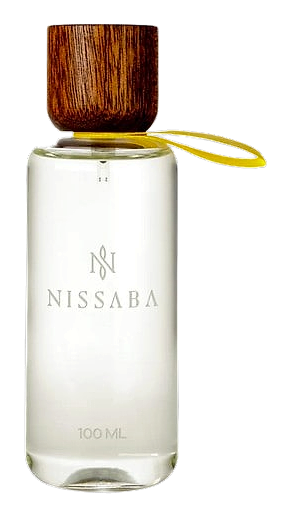
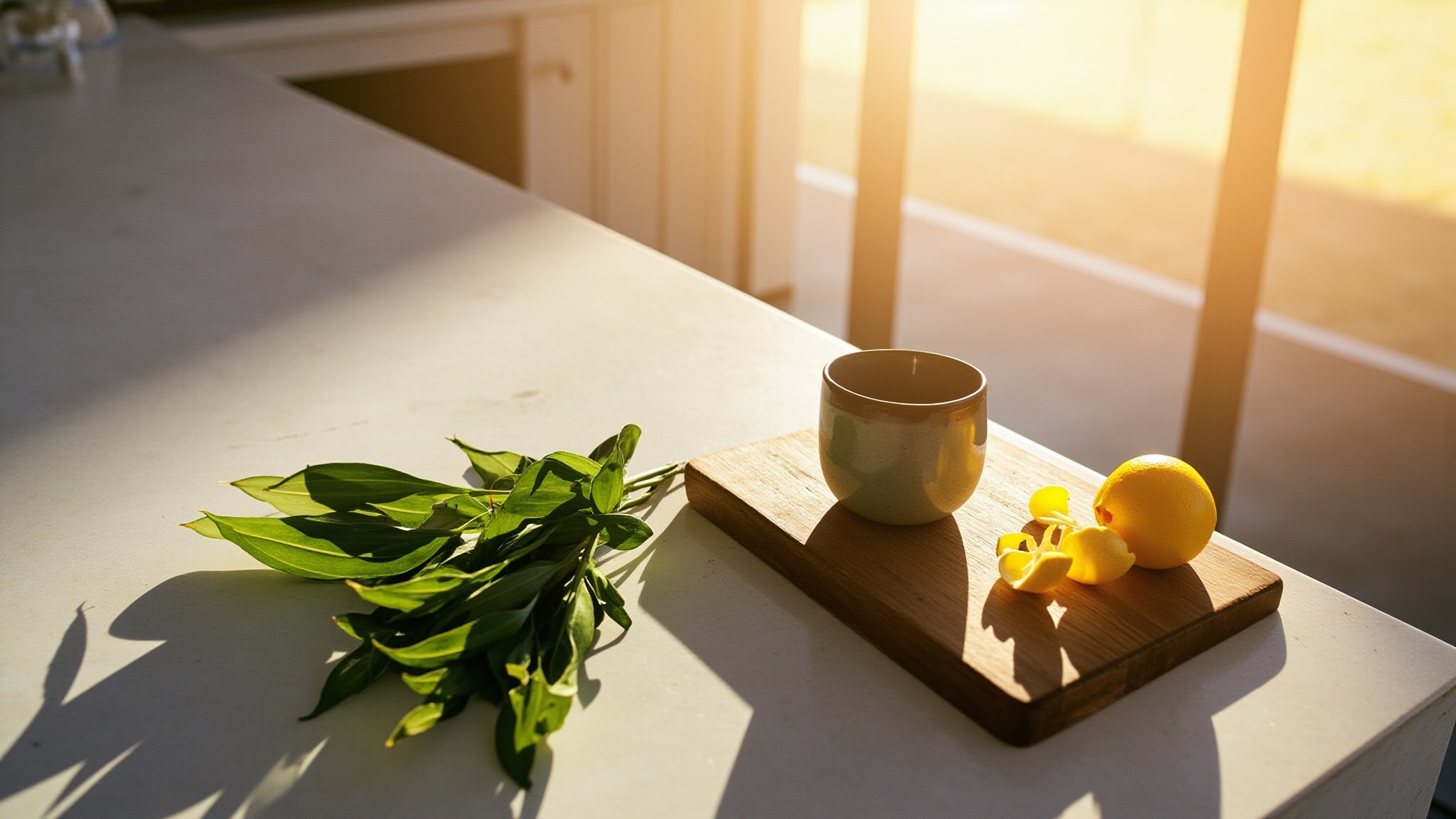
CHACO takes its name from the Chaco, the second-largest forest in Latin America, a vast stretch of dense terrain sometimes called the "impenetrable forest." It's the only place on earth where guaiac wood grows at scale, the source of palo santo. It's also where Paraguay's citrus groves and yerba maté fields share the same humid air. Nissaba built CHACO around this specific geography, sourcing mate absolute, Paraguayan petitgrain, and Paraguayan guaiac wood, each ingredient linked to the same landscape. The idea was to create a dialogue between mate and guaiac, exploring how mate's bitter herbal quality meets the creamy, smoky depth of the wood. Alexandra Monet translated that geography into a wearable composition. The result doesn't read like a typical tea fragrance, bergamot and jasmine don't show up here. Instead, the mate leads, carrying an herbal, almost hay-like character that makes the opening feel more like a field than a teahouse.
CHACO channels the bold simplicity of South American mate culture, where shared yerba creates moments of connection. The fragrance translates this ritual into scent form, distilling the warmth of gathering around a gourd with friends into something you can wear close to your skin. The mate note anchors the composition as a reminder that some pleasures are meant to be passed between hands.
The evolution
Bergamot and lemon open bright and immediate, giving way to mate at its most aromatic. As the top notes fade, the herbal warmth settles into a quiet, grounding finish. The fragrance moves through these stages like a conversation shifting from lively to intimate, never losing the essential character of the ritual that inspired it. Orange notes add a soft sweetness that bridges the opening and heart, while the base lingers with the earthy depth of mate at its most contemplative.
Cultural impact
In a fragrance landscape that often prizes complexity and sillage, CHACO takes a different approach. The mate-guaiac pairing is uncommon, the two materials share a South American origin but rarely appear together in perfumery. The result is a scent that feels neither like a typical aromatic nor a typical tea fragrance. It's closer in spirit to the classic aromatic masculine template, but the mate and palo santo steer it into more unusual territory. The citrus is present but not dominant. Since its 2022 debut, CHACO has built a following among fragrance enthusiasts who appreciate its restraint. The reception is niche, the fragrance hasn't generated widespread media coverage, but the people who connect with it tend to become consistent wearers.