
The Story
Why it exists.
The beginning
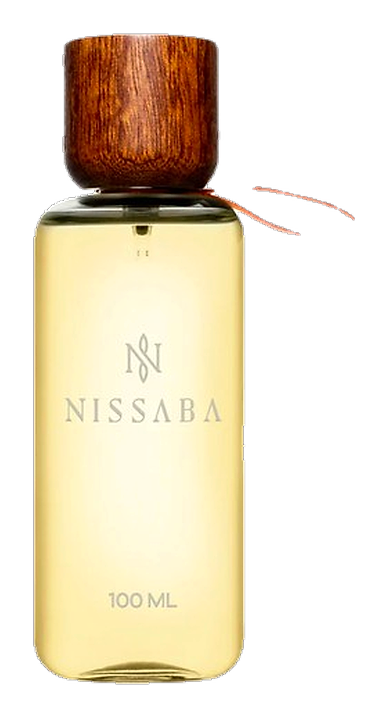
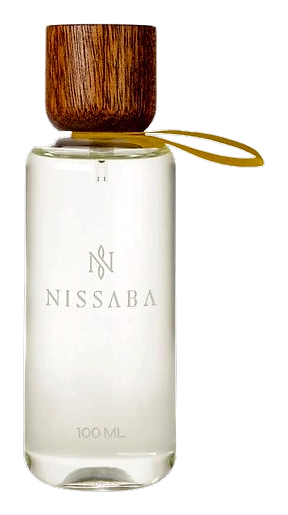
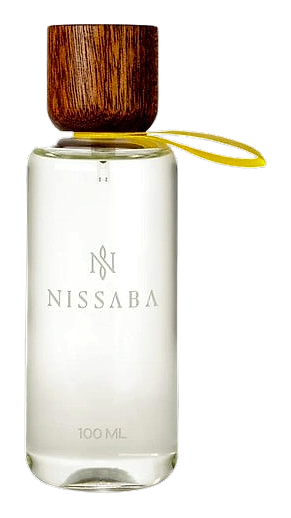
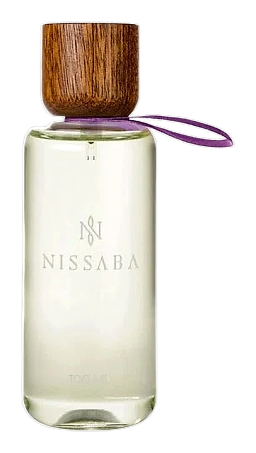
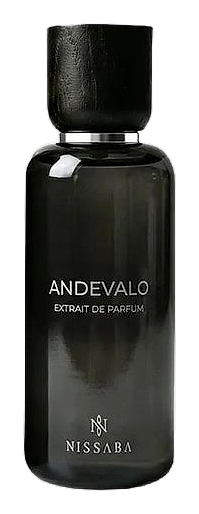
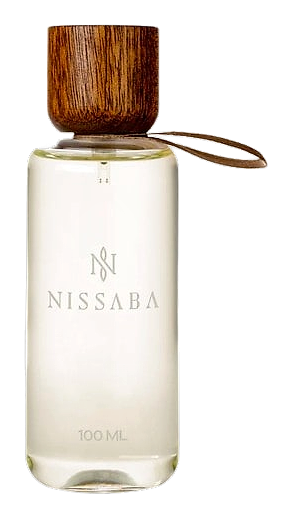
Sulawesi takes its name from the Indonesian island at the heart of the world's patchouli production. After decades of this crop migrating eastward through the archipelago from Aceh, the island became central to global patchouli sourcing. Nissaba built this fragrance around that legacy, anchoring the composition in a single geographic origin. Nicolas Bonneville structured SULAWESI as a field note made liquid, capturing the island's character through its aromatic signature. The fragrance unfolds as a portrait of place, with Indonesian patchouli at its core and supporting notes that reflect the island's olfactory identity.
What makes this composition unusual is the restraint. Here, the patchouli is not fighting for attention. The nutmeg and clove open with warmth, then yield to the benzoin's resinous sweetness and the cedar's dry backbone. The spice elements integrate smoothly, providing structure without dominating the blend. The overall effect is one of balance and depth, with each note contributing to a cohesive whole that feels both grounded and refined.
The evolution
The opening arrives sharp and aromatic, nutmeg and clove hitting the air before you finish spraying. Patchouli is there but buried, not yet asserting itself. Twenty minutes in, the composition shifts. The spice softens as Indonesian benzoin emerges, warm and slightly sweet, wrapping around the patchouli like a balm. This is when the fragrance finds its character: earthy without being dirty, woody without being austere. Cedar arrives around the two-hour mark, pulling everything into a dry, calm finish. By hour four, vetiver lingers close to the skin, adding depth and complexity to the dry down. The progression feels deliberate and measured, each phase revealing new facets of the blend.
Cultural impact
Sulawesi presents a warm, aromatic, restrained take on patchouli that differentiates it from classic variants. The Indonesian spice direction offers depth without excess, appealing to those who appreciate complexity without overwhelming intensity. The composition has drawn comparisons to Straight to Heaven and White Cristal, particularly in its approach to patchouli, though it lacks the rum note that defines those creations. The fragrance occupies a distinctive position within the patchouli-forward category.
The House
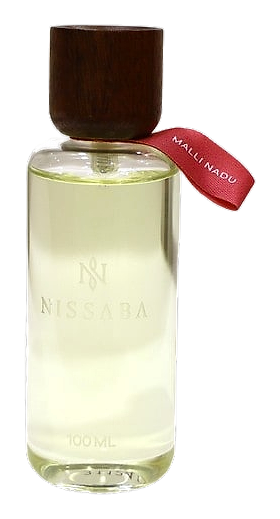
NissabaNissaba is a Swiss fragrance house that builds each scent from the raw material of a single geographic source. The brand translates the character of a place—its soil, climate and harvest traditions—into a perfume that reads like a field note. Launched by former Firmenich perfumer Sébastien Tissot, Nissaba pairs transparent sourcing with a modest retail footprint that includes Selfridges in London and the Barnes Fragrance Fair. Its catalogue, which began in 2022, now spans eight single‑origin creations, each named after the land that supplies its key ingredient.
The Creator
Nicolas BonnevilleNicolas is passionate about natural raw materials, a devotion that has been inherent to him since childhood. He travels the world to follow harvests: India for jasmine sambac, Italy for mandarin and bergamot, Florence for iris, Tunisia for orange blossom.