Sumatran benzoin absolute
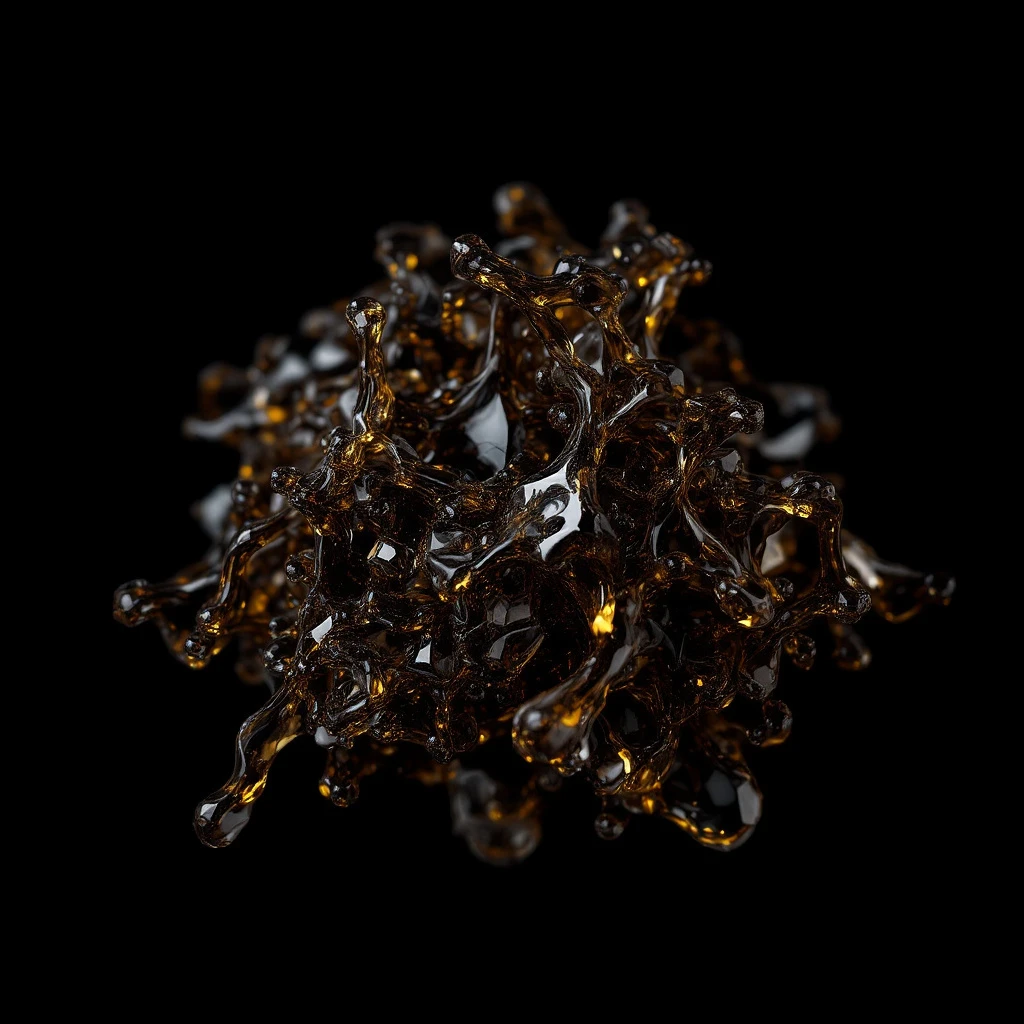
Sumatran benzoin absolute is a warm, resinous base note extracted from the hardened sap of Styrax benzoin trees native to Sumatra's highland forests. Its sweet, balsamic character carries vanilla-like warmth and a soft, ambery glow that anchors fragrances with remarkable staying power.
Character
How it smells
Vanilla warmth from Sumatran forests.
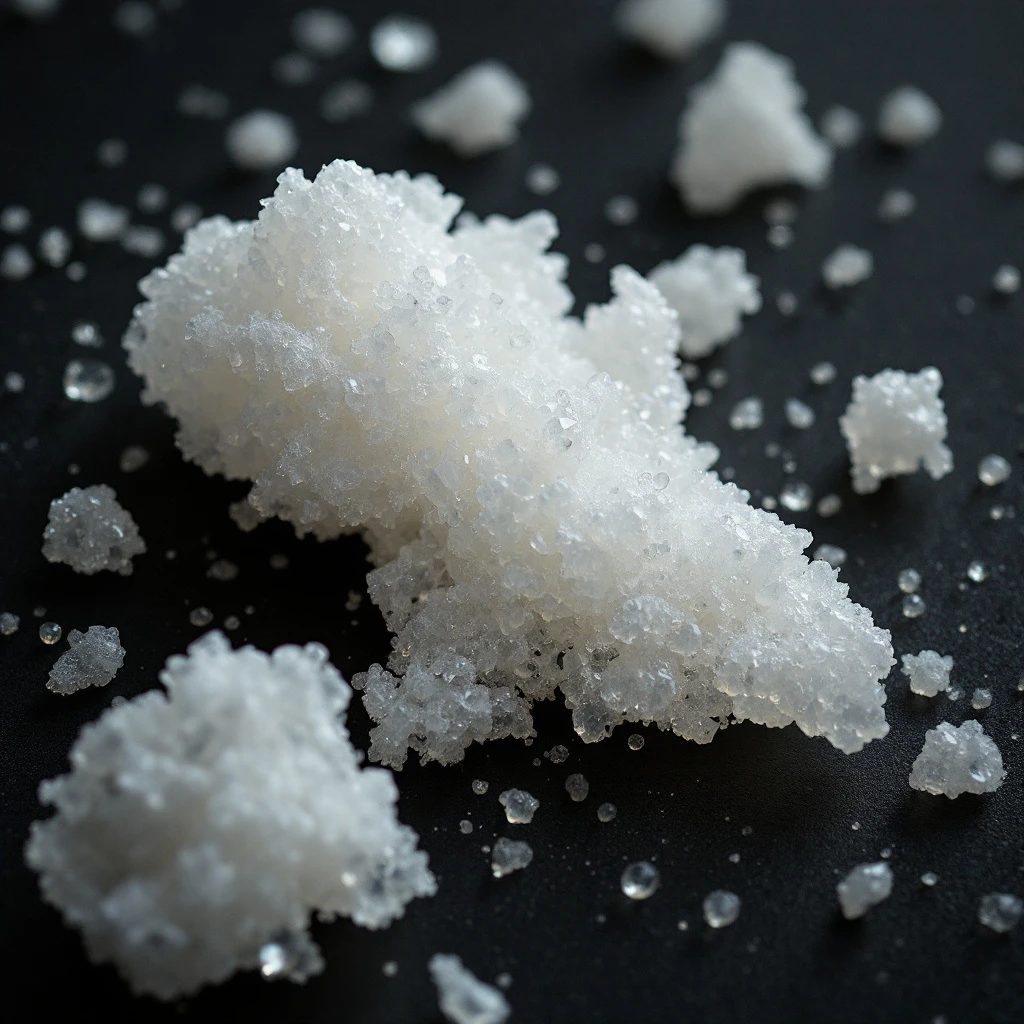
The resin is called "tears" because it oozes from deliberate cuts in the bark and solidifies into small, amber drops as it drips.




Origin
Indonesia
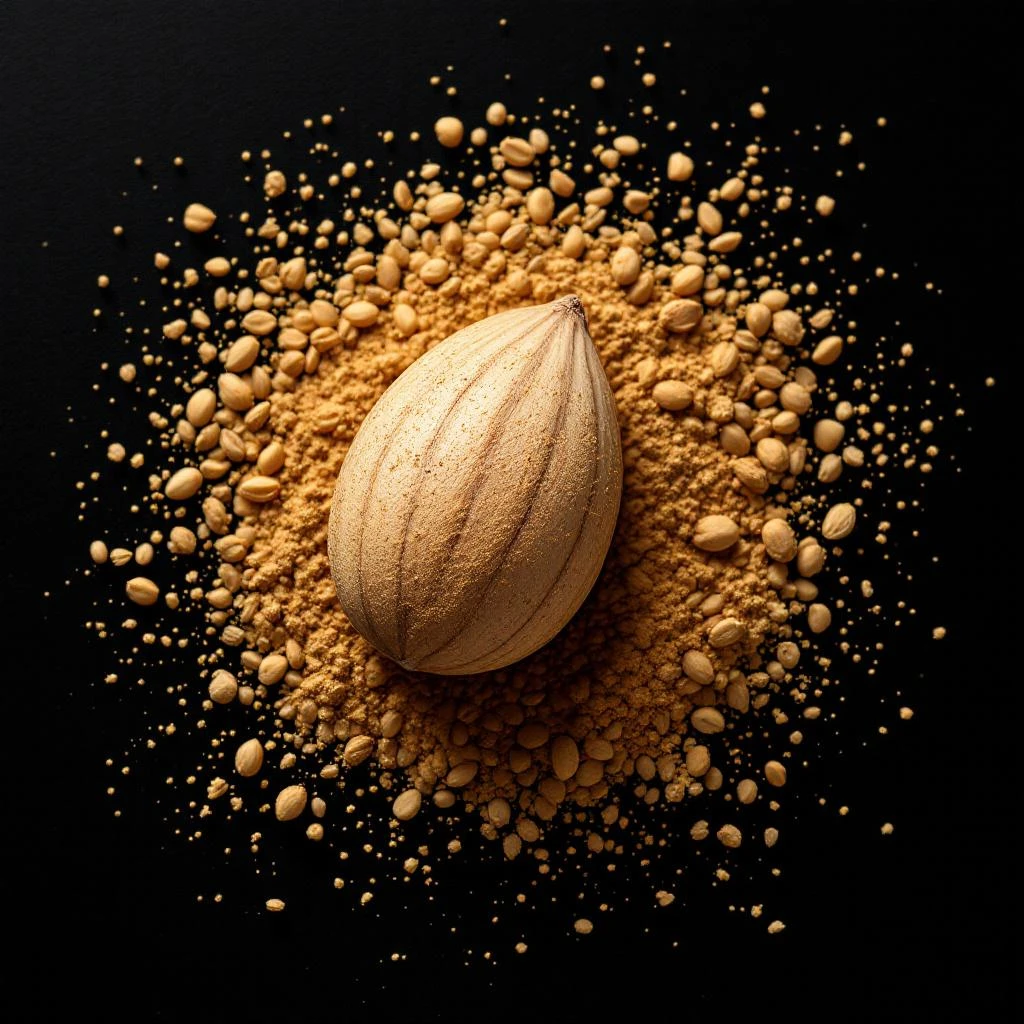
Benzoin has been traded along Southeast Asian incense routes for centuries, moving from the highlands of Sumatra and the surrounding regions of Laos, Thailand, Vietnam, and Borneo into wider Asian markets and eventually reaching European perfumers. Early traders carried the resin to the Middle East and Mediterranean, where it became a staple in religious and ceremonial incense practices. By the colonial era, European perfume houses had begun incorporating Sumatra benzoin into their bases, drawn to its warm, balsamic character and its ability to extend the life of lighter top notes.
Historic texts from the early 20th century note that benzoin tincture was valued specifically for adding permanence to more fleeting odors, a property that made it indispensable in fixateur formulations. While Sumatra benzoin shares botanical lineage with varieties from Laos and Siam, perfumers often distinguish Sumatra benzoin for its richer, deeper sweetness and its prominent role in oriental and woody fragrance families.
Wears it best
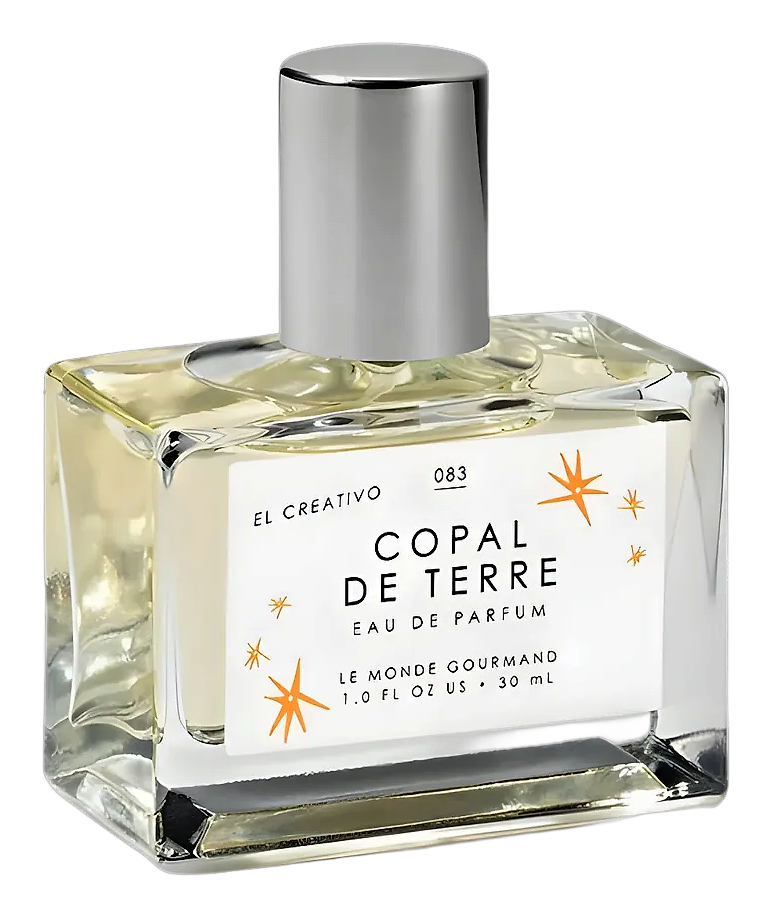
Fragrances featuring Sumatran benzoin absolute
Brands
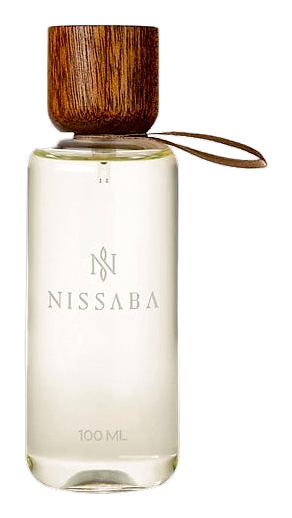
Brands known for Sumatran benzoin absolute
Good to know
Questions, answered
The essentials on Sumatran benzoin absolute in perfumery: how it smells, where it comes from, and how it behaves on skin.
What does Sumatra benzoin smell like?
Sumatran benzoin smells warm and sweet with a soft vanilla-like character, joined by resinous depth and a gentle, ambery warmth that lingers on the skin for hours.
How is benzoin resin harvested?
Harvesters make deliberate cuts into the bark of Styrax benzoin trees during the dry season. The sap bleeds out and solidifies into small drops called tears, which are collected by hand once hardened.
What makes Sumatra benzoin different from Siam benzoin?
Sumatra benzoin (Styrax benzoin) generally carries a richer, deeper sweetness with stronger balsamic resinousness, while Siam benzoin (Styrax tonkinensis) tends toward lighter vanillic tones with more delicate sweetness.
Why is benzoin used as a fixative in perfumery?
Benzoin resin contains high-molecular-weight aromatic constituents that slow the evaporation of lighter fragrance materials. Historic perfumers noted benzoin's ability to extend the life of fleeting notes in a composition.
What fragrance families use Sumatra benzoin?
Sumatra benzoin appears frequently in oriental, woody, and amber fragrance families, where its warm base supports spiced and floral heart notes. It also shows up in some skin-close scents and clean fragrance concepts.
What is benzoin resinoid versus a tincture?
Resinoid is produced by solvent-extracting dried benzoin tears, yielding a concentrated absolute. Tinctures use alcohol soaking over time. Resinoid entered commercial perfumery more widely in the 20th century, offering greater consistency and concentration.
Is Sumatran benzoin harvested sustainably?
Responsible sourcing relies on controlled tapping practices that avoid over-cutting the bark, allowing trees to recover. Supporting suppliers who work with local farming communities in Sumatra helps maintain sustainable harvest cycles.
What gives benzoin its vanilla-like aroma?
The vanilla-like warmth in benzoin comes from aromatic constituents including vanillin, which develops as the resin ages and oxidizes. Natural variation between harvests means vanillin intensity can differ across batches.